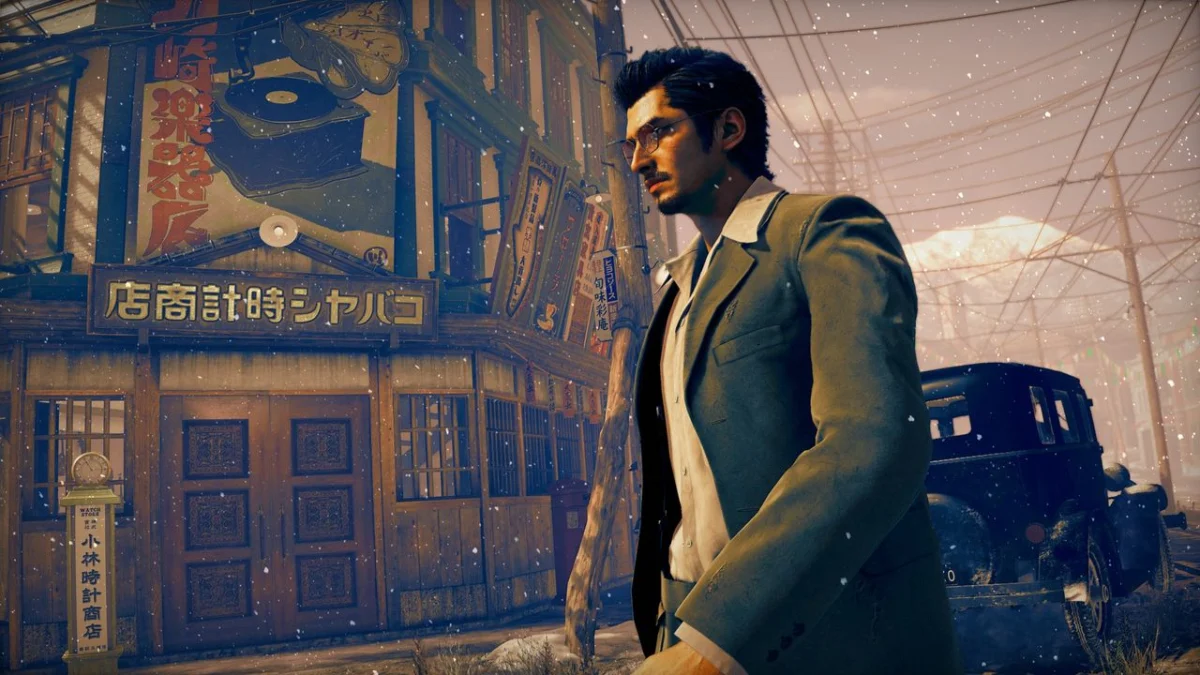
RGG Studio, the creative powerhouse behind the legendary Yakuza (now Like a Dragon) series, has long been celebrated for its masterful synthesis of cinematic storytelling and immersive, albeit often slapstick, urban exploration. Known for blending the grit of Japanese crime dramas with the eccentricities of modern life, the studio has consistently pushed the boundaries of the "beat-’em-up" genre. However, with its upcoming title, Stranger Than Heaven, RGG Studio is poised to pivot away from its established formula, opting for a more visceral, mechanically complex, and historically ambitious narrative.
Main Facts: A New Era for RGG Studio
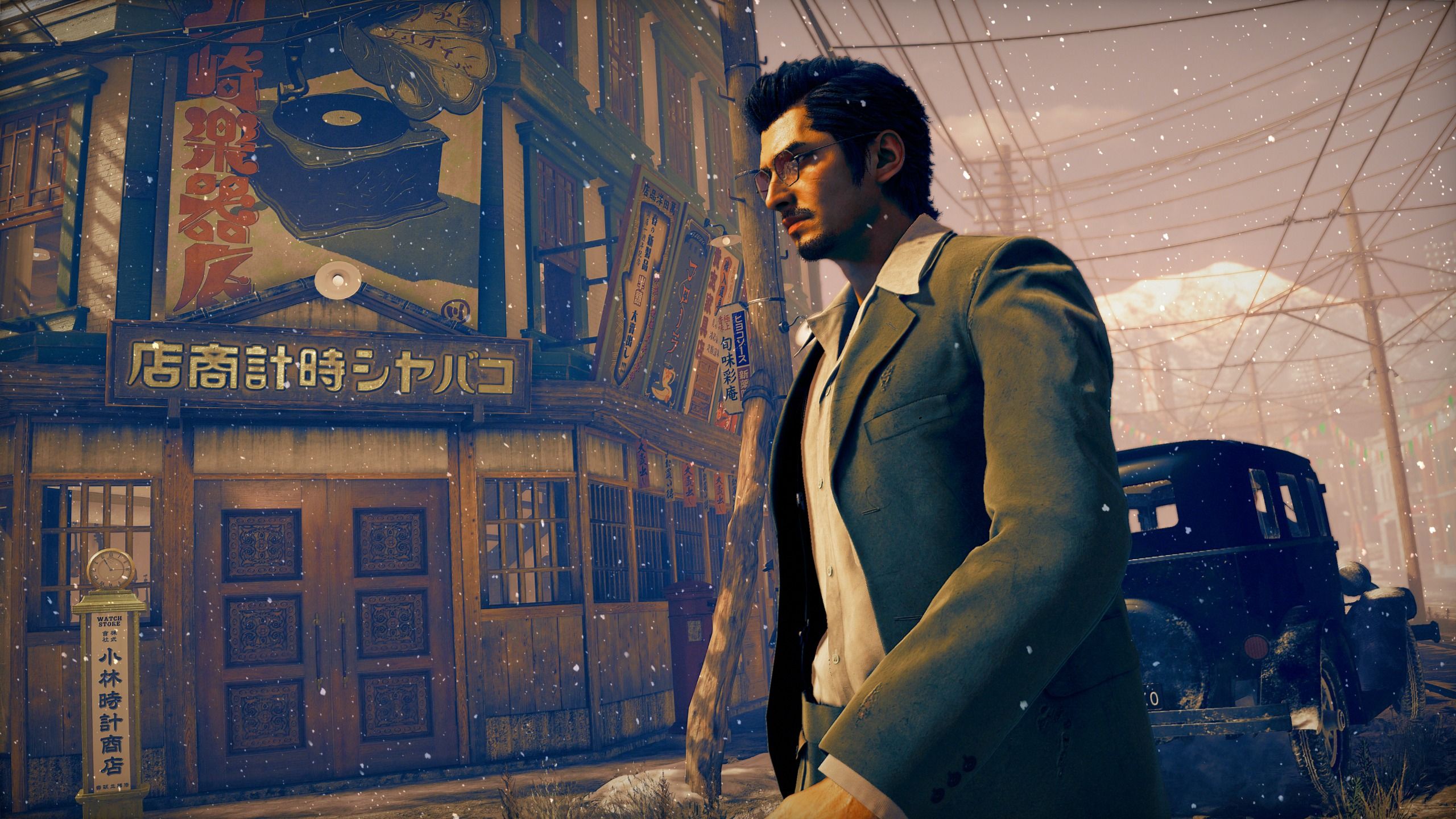
Stranger Than Heaven represents a departure from the contemporary settings that defined the Yakuza saga. The game spans five decades of the early 20th century, transporting players across five distinct Japanese cities. The central narrative follows Makoto Daito, a Japanese-American outcast who flees the United States in search of a new identity in his ancestral homeland.
The project, which made a significant impression at Gamescom 2026, aims to deliver an epic historical saga. However, the developers have been careful to manage expectations. A prominent disclaimer featured in the demo clarifies that the game is "in no way a reproduction of actual history." This is a crucial distinction, particularly given that the narrative traverses the early 1940s—a period defined by the volatility of the Second World War. By positioning the game as a fictionalized historical epic rather than a documentary-style recreation, RGG Studio grants itself the creative freedom to explore themes of displacement and identity without being tethered to the rigid constraints of the historical record.
The Chronology of Conflict
The narrative structure of Stranger Than Heaven is inherently tied to its temporal progression. Through the demo’s combat scenarios, players are offered glimpses into three pivotal eras that showcase both the game’s aesthetic evolution and the shifting socio-political climate of the time:
- 1915, Kokura: The atmosphere here is one of industrial transition. Players navigate a world defined by a burgeoning tram system and traditional market quarters, framed against a skyline dominated by factory chimneys. It is a world on the cusp of modernity.
- 1929, Kure: By the late 1920s, the visual language has shifted. The streets are populated with motorcars, reflecting a rapid move toward Westernization. The protagonist’s attire also reflects this change, moving from more traditional garments to a sharp, Western-style suit, symbolizing his integration—or perhaps his attempts to mask himself—within Japanese society.
- 1943, Osaka: Perhaps the most compelling era for longtime fans, this segment of the game features a recognizable version of Sotenbori. Stripped of the neon signs and garish animatronics that define the district in the modern Yakuza titles, this iteration of Osaka is no less vibrant. It offers a poignant look at a city preparing for the shadows of global conflict, providing a haunting contrast to the neon-drenched streets players are accustomed to.
Mechanics and Gameplay: Redefining the Brawl
While fans of RGG Studio often prioritize the "virtual tourism" and side-activities of the Yakuza series, Stranger Than Heaven demands attention for its radical overhaul of combat. The developers have moved away from the simplistic, button-mashing brawling of the past in favor of a control scheme that emphasizes tactile, limb-based awareness.
The Limb-Based Control Scheme
The most significant innovation in Stranger Than Heaven is the mapping of the controller’s bumpers and triggers to the protagonist’s left and right sides.
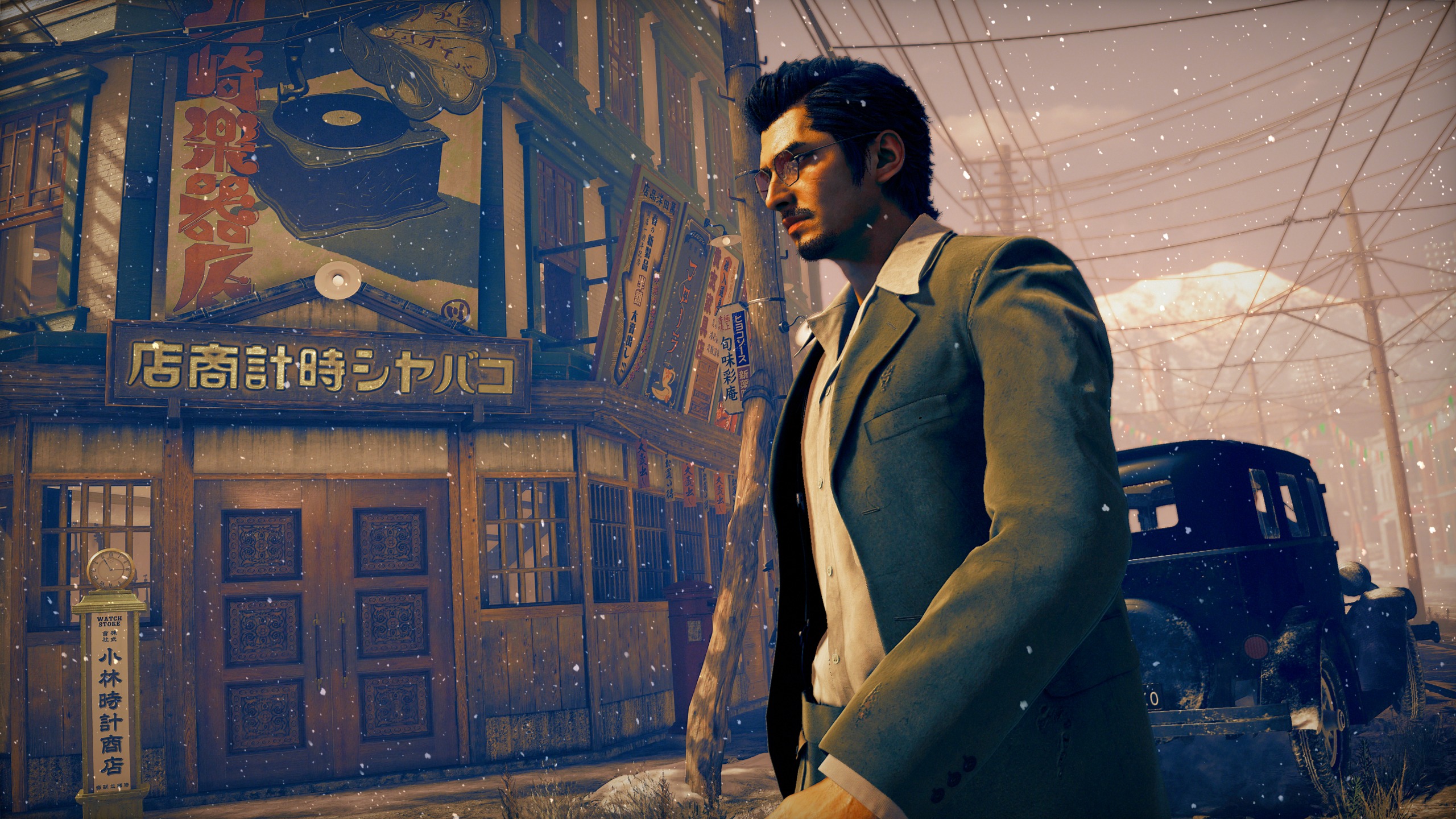
- The Left/Right Split: The left bumper and trigger control the character’s left side, while the right bumper and trigger control the right. This requires a level of coordination that feels significantly more engaging than standard action combat.
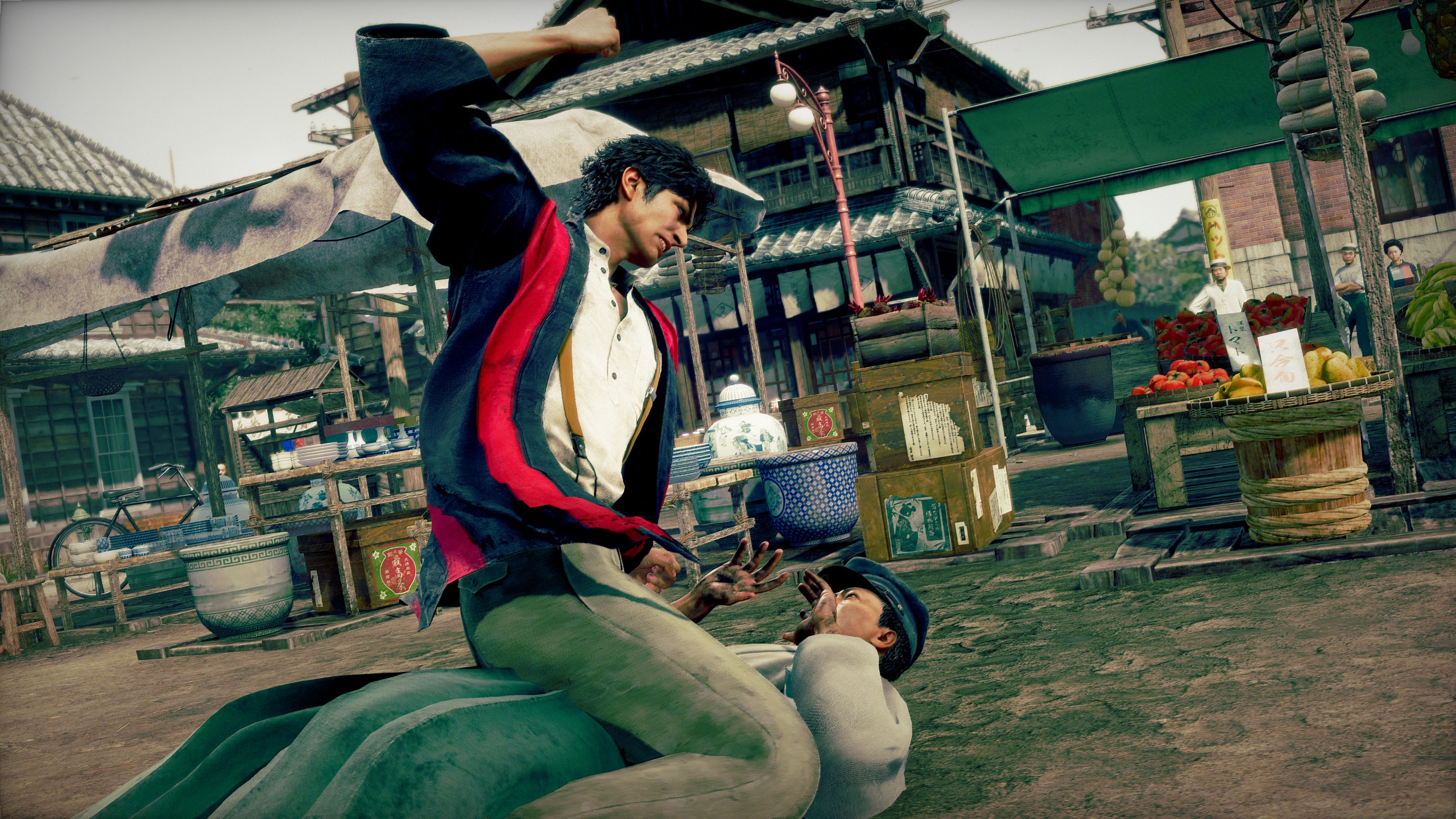
- Dynamic Combos: Players can alternate between sides to chain punches, kicks, or weapon swings. A quick tap of a bumper initiates a strike, while holding a trigger allows for a charged, devastating blow.
- Defensive Complexity: Unlike the traditional "hold-a-button-to-block" mechanics of previous RGG titles, Stranger Than Heaven requires a deliberate combination of both bumpers and a separate input to execute a guard. This introduces a risk-reward element to combat, forcing players to commit to their defensive posture rather than passively absorbing damage.
This system is further bolstered by the decision to replace the traditional, numbered health bar with a resource system reminiscent of the stamina wheels seen in high-level action-RPG titles. This forces the player to manage their exertion, turning every fight into a tactical puzzle rather than a mindless display of violence.
Official Stance and Development Philosophy
RGG Studio has remained largely tight-lipped regarding the broader implications of the story, particularly the protagonist’s status as a Japanese-American outcast. While the narrative premise—an immigrant seeking a "new life" in Japan—serves as an intriguing subversion of the traditional American Dream archetype, critics have noted the potential for historical blind spots, such as the period-accurate oppression of Korean immigrants.
The studio’s focus remains squarely on the "feel" of the game. By showcasing the combat in the demo, they are signaling that Stranger Than Heaven is intended to be a more grounded, brutal experience. Unlike the "wrestling-match" aesthetic of the Yakuza series—where combatants often dust themselves off after a fight—Stranger Than Heaven leans into a grittier reality. The violence here is described as having a "refreshing brutality," where the stakes feel significantly higher and the consequences of a blade or a blunt object to the gut are permanent.
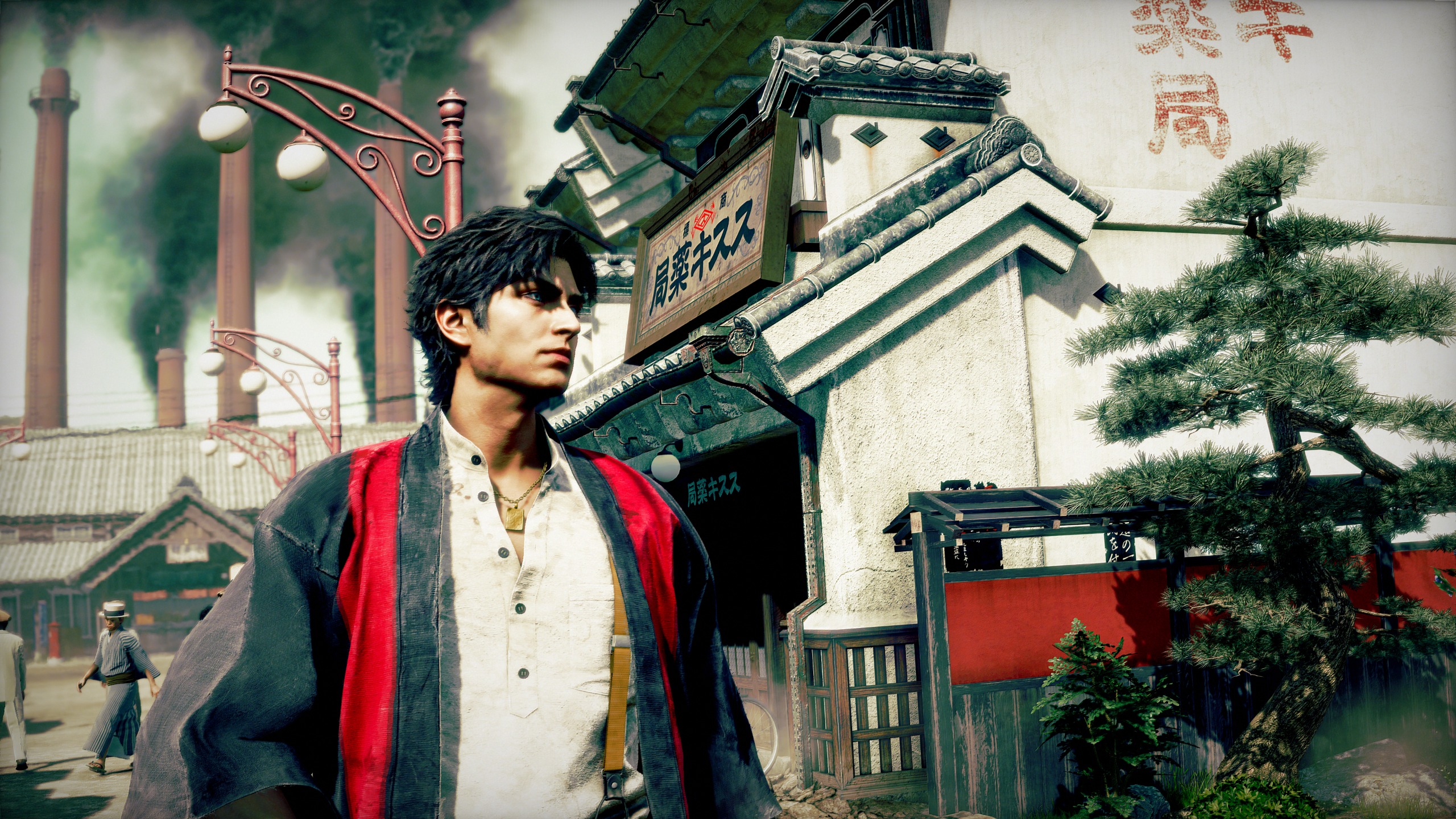
Implications for the Future of RGG Studio
The implications of Stranger Than Heaven are twofold. Firstly, it proves that the studio is capable of evolving its core combat engine. For years, the Yakuza series has been criticized for reusing slapstick animations to the point of tedium. By introducing a system that mirrors the mechanical depth of a Soulslike, RGG is proving that it can innovate without losing the "chaos" that made the series famous. Objects from the environment—market stalls, pipes, and debris—are still very much a part of the experience, but they now interact with a combat engine that rewards precision over brute force.
Secondly, the shift in narrative tone suggests a maturation of the studio’s storytelling. Moving away from the specific tropes of the modern Yakuza underworld to a historical drama allows RGG to tap into a different audience. It represents a "prestige" move—a desire to be taken seriously as a developer of historical fiction that tackles complex themes of identity, displacement, and survival.
Conclusion: A Highly Anticipated Arrival
As we look toward the release date of January 15, 2027, for the Xbox Series X/S, PS5, and PC, the excitement surrounding Stranger Than Heaven is palpable. The demo has successfully accomplished its primary goal: it has proven that the depth of the combat system is more than a gimmick—it is a foundation for a new, more intense gameplay loop.
While the combat was the star of the Gamescom showcase, the true potential of the game lies in its world-building. For those who have spent hundreds of hours in Kamurocho or Sotenbori, the prospect of visiting these locations during the early 20th century is a siren call. If RGG Studio can successfully marry this refined, tactile combat system with the deep, character-driven storytelling they are famous for, Stranger Than Heaven may very well be the defining title of the next few years. It is an ambitious, risky, and incredibly promising evolution for a studio that has already defined a generation of gaming.