


By [Your Name/Journalistic Desk]
In an industry often defined by high-budget spectacles and long-term service models, few titles have managed to capture the collective imagination of the gaming public quite like Subnautica 2. Following a development cycle plagued by high-profile corporate turbulence—including legal disputes, shifting publisher landscapes, and significant delays—the title has emerged from the depths of development hell not just to survive, but to shatter industry records.
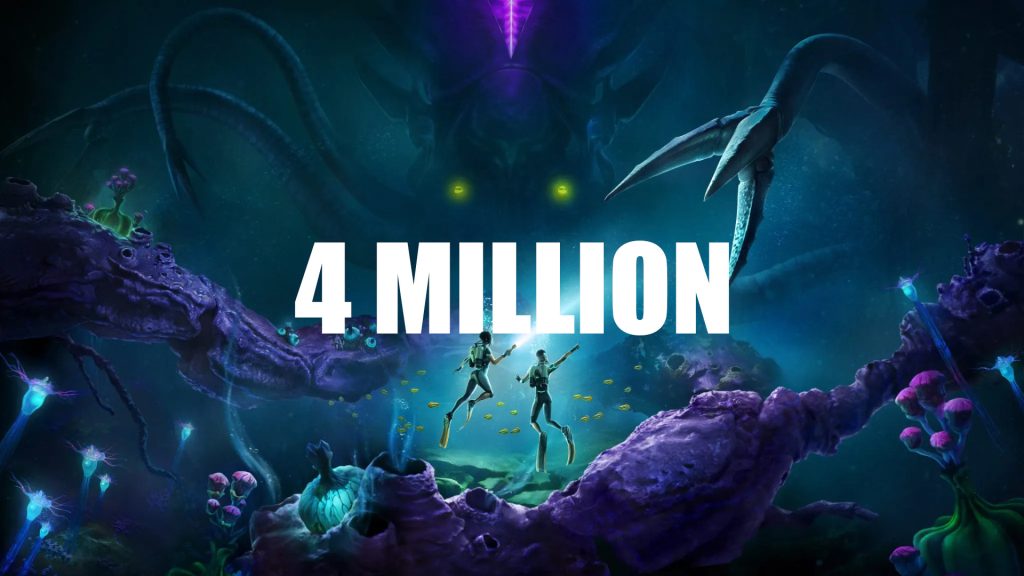
Unknown Worlds’ latest entry in the beloved underwater survival franchise launched into Early Access on May 14th, 2026. The response was immediate and overwhelming: within the first hour of availability, the game moved over 1 million units. As of this week, less than seven days after its debut, that figure has climbed to over 4 million copies sold. This explosive trajectory signals a massive cultural moment for the survival genre, proving that player appetite for immersive, atmospheric exploration remains at an all-time high.
The Turbulent Path to Release
To understand the significance of Subnautica 2’s success, one must acknowledge the harrowing journey the development team endured to reach this point. For years, the project was whispered about in hushed tones within industry circles, often associated with news of internal friction.
The path was far from smooth. Unknown Worlds faced a series of institutional challenges, including complex negotiations regarding publisher control and internal disagreements that reportedly threatened to derail the project entirely. These "developmental bottlenecks" were exacerbated by the pressures of following up on the massive success of Subnautica and Subnautica: Below Zero. Fans were left wondering if the sequel would ever see the light of day, or if it would be relegated to the growing list of vaporware that characterizes modern game development.
However, the team’s persistence has clearly paid off. By choosing an Early Access model, Unknown Worlds has effectively turned a period of uncertainty into a collaborative development phase, allowing the community to act as both testers and stakeholders in the game’s evolution.
A Chronology of Record-Breaking Sales
The sheer velocity of the game’s adoption is unprecedented for an indie-led survival title. The following timeline illustrates the meteoric rise of Subnautica 2 in its opening week:
- May 14, 2026 (Hour 0): The game hits digital storefronts globally.
- May 14, 2026 (Hour 1): The "Million-Player Milestone." The game surpasses 1 million copies sold, a feat rarely achieved by titles outside of major AAA franchises.
- May 14, 2026 (Hour 12): The player base doubles to 2 million units, indicating that the initial rush was not merely a launch-day spike but sustained, high-volume interest.
- May 21, 2026 (Day 7): Official confirmation arrives via Gematsu and industry reports that the game has officially cleared the 4 million unit mark.
This data is particularly striking because it excludes the substantial user base accessing the game through subscription services like Xbox Game Pass. When accounting for the "hidden" player count residing in subscription libraries, it is highly probable that the actual number of people currently exploring the new alien ocean is significantly higher than the sales figures suggest.
Supporting Data: Why Players Are Diving In
Industry analysts suggest that several factors have contributed to this record-breaking performance. First is the "brand equity" established by the original Subnautica. The franchise has developed a reputation for being one of the most terrifying, rewarding, and aesthetically unique experiences in the survival-crafting subgenre.
Furthermore, the shift toward a more transparent development cycle has fostered a deep sense of trust. By inviting players into the fold during the Early Access phase, Unknown Worlds has allowed the community to influence gameplay mechanics, creature design, and quality-of-life improvements. This symbiotic relationship between developer and player base has converted thousands of skeptical fans into active, vocal proponents of the game.
The technical performance, even in its current unfinished state, has also been praised for its stability compared to other recent high-profile launches. In an era where "launch-day brokenness" has become an industry meme, Subnautica 2 has provided a relatively polished, highly engaging experience right out of the gate.
Official Responses and Developer Vision
The leadership at Unknown Worlds has been quick to acknowledge the community’s role in this success. Executive Producer Fernando Melo, in a statement released following the 4-million-copy milestone, expressed a mix of relief and excitement.
"Seeing millions of players dive into this new world during Early Access has been an incredible moment for the team," Melo stated. "Community feedback continues to help shape the future of Subnautica 2, and we’re excited to keep building the experience together with our player base."
This sentiment reinforces the studio’s commitment to an iterative design philosophy. Unlike traditional publishers who might view a game as a "finished product" upon release, Unknown Worlds is treating the current version as a living, breathing entity. The dialogue between the studio and the players is already visible on forums and social media, where developers are actively addressing bugs and tweaking balance based on real-time telemetry and user reports.
The Long Road to Version 1.0: Implications
With 4 million copies sold in under a week, the implications for Subnautica 2 are profound. Firstly, the game has effectively secured its own future. The revenue generated in these first few days provides the studio with a significant financial buffer, ensuring they have the resources to finish the game to their exact specifications without being beholden to external pressures or forced deadlines.
Secondly, the success of Subnautica 2 sets a new benchmark for the survival genre. Competitors will likely be forced to re-evaluate their own development and marketing strategies. The message is clear: if you deliver a high-quality, compelling core loop and maintain transparent communication, the audience will show up in droves.
As we look toward the next two years—the estimated window for the game to reach its 1.0 release—the burning question is: how high can the numbers go? If the game continues to grow at this rate, it is not unreasonable to project that it could exceed 10 million units before it officially leaves Early Access.
Conclusion: A New Standard for Survival
The story of Subnautica 2 is a testament to the resilience of both a development team and the loyalty of its fan base. It is a narrative of redemption for a project that many thought would crumble under the weight of its own development history. Instead, it has become a beacon of hope for the gaming industry—a reminder that when developers focus on the core experience and treat their community with respect, the results can be nothing short of historic.
For the 4 million players already exploring the depths, the journey is just beginning. For those on the outside looking in, the question remains: what is holding you back from diving in? With consistent updates and a clear roadmap toward full release, Subnautica 2 is not just a game; it is a developing phenomenon.
What are your thoughts on the early success of Subnautica 2? Do you believe it will reach the 10-million-unit milestone before its official 1.0 launch? Join the conversation in the comments below.












No comments yet. Be the first to join the conversation!