
 Asro
Asro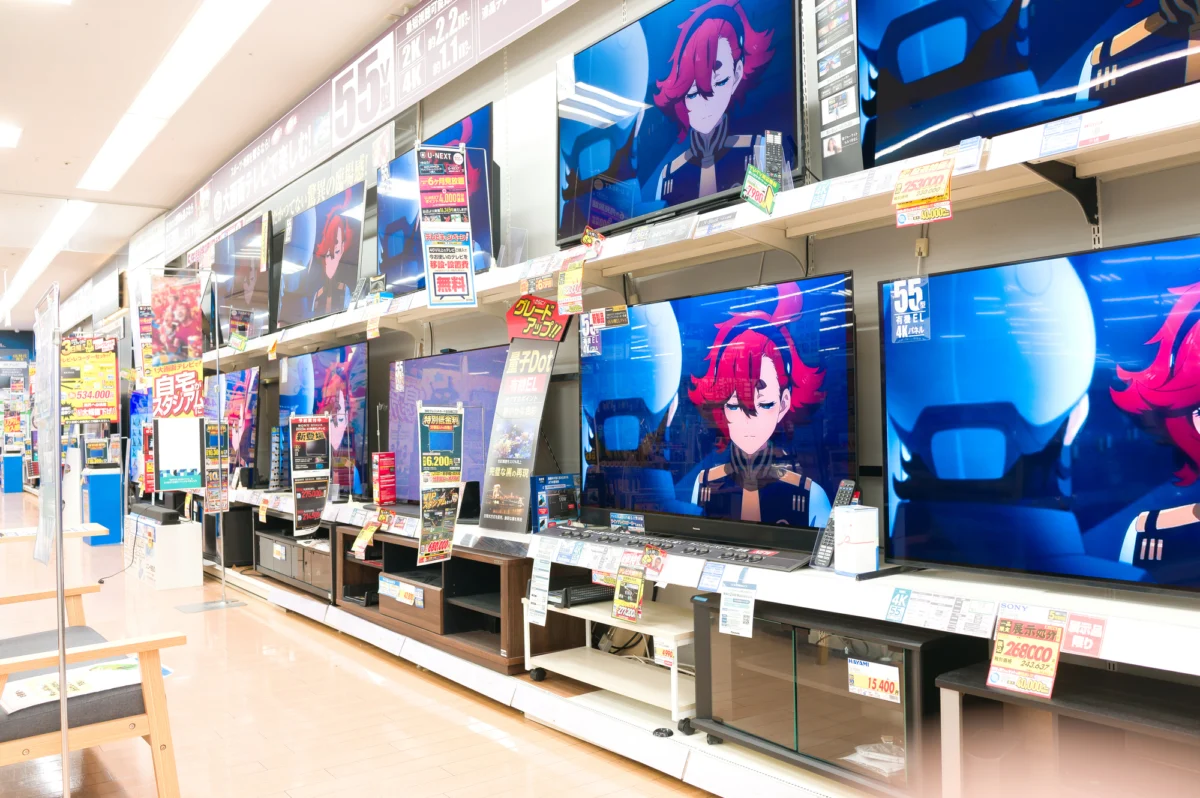
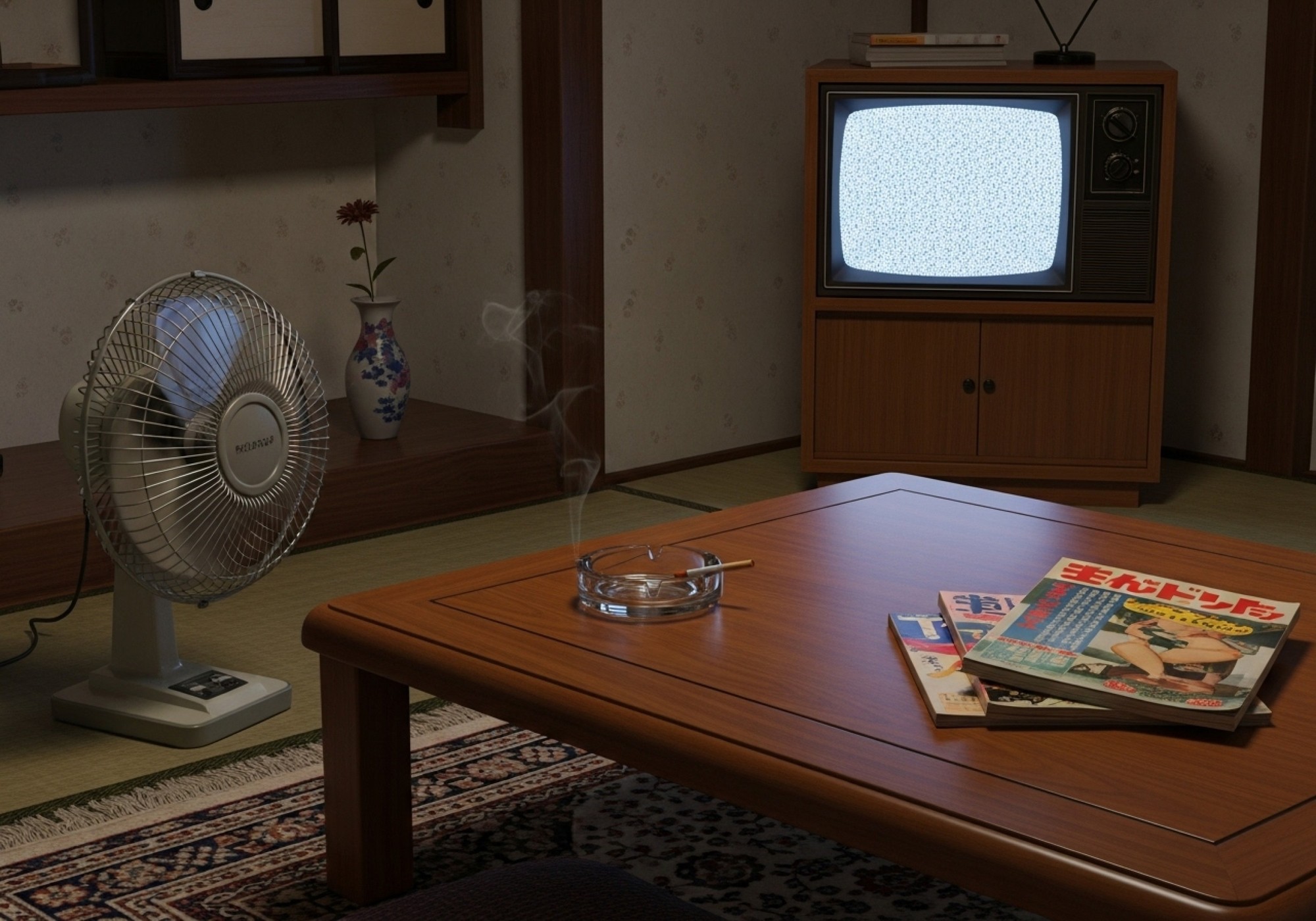
For decades, the flickering glow of the television set was the heartbeat of the Japanese household—a cultural hearth around which families gathered for news, variety shows, and the omnipresent reach of the national broadcaster, NHK. However, new data from the 2025 Cabinet Office Consumer Trend Survey reveals that this heartbeat is fading. For the younger generation, the traditional television set is no longer a household necessity; it is becoming a relic of a bygone era, abandoned in favor of the hyper-personalized, on-demand world of the internet.
The Shrinking Screen: A Demographic Departure
The shift is not merely a change in viewing habits; it is a fundamental collapse in hardware ownership among Japan’s youth. While the national average for television ownership remains relatively robust, hovering near 90%, the numbers among single men under 30 tell a far more sobering story: fewer than 60% of this demographic now own a television. Among single women in the same age bracket, the figure is approximately 70%.
This is not a sudden, erratic dip, but the culmination of a two-decade-long trend. In 2005, television ownership in Japan stood at a commanding 95%. Since then, it has traced a steady, downward trajectory. The correlation with the digital revolution is undeniable. The 2007 debut of the iPhone marked the beginning of a shift toward mobile-first consumption, a transition accelerated by the plummeting costs of high-performance PCs. A 2023 survey conducted by LINE, which polled 50,000 respondents, confirmed that among those under 30, computer ownership has now definitively surpassed television ownership.
A Chronology of Disconnection
To understand how Japan arrived at this juncture, one must look at the timeline of digital transformation:
- 2005–2007: The pre-smartphone era. Television remains the primary vehicle for mass media and entertainment. Ownership rates remain near-universal.
- 2008–2012: The rapid proliferation of smartphones begins. Broadband internet reaches maturity, and early video-on-demand (VOD) services start to compete with broadcast schedules.
- 2013–2018: The "Second Screen" phenomenon takes root. Younger viewers begin using mobile devices while the TV is on, eventually leading to a realization that the TV is redundant.
- 2019–2023: Economic stagnation and the rise of "tunerless" display technology. Younger generations, facing rising costs of living, begin to question the necessity of a device that mandates a compulsory NHK subscription.
- 2024–2025: The "Great Decoupling." Television is no longer considered an essential appliance for the modern, solo-living young adult.
The "Tunerless" Rebellion and the NHK Dilemma
A significant driver of this decline—and a fascinating window into Japanese consumer behavior—is the role of the NHK (Japan Broadcasting Corporation). By law, any household with a device capable of receiving terrestrial broadcasts is required to sign a contract and pay a monthly subscription fee. While the cost is relatively modest (roughly 1,100 yen per month), the bureaucratic friction associated with this process has become a major pain point.
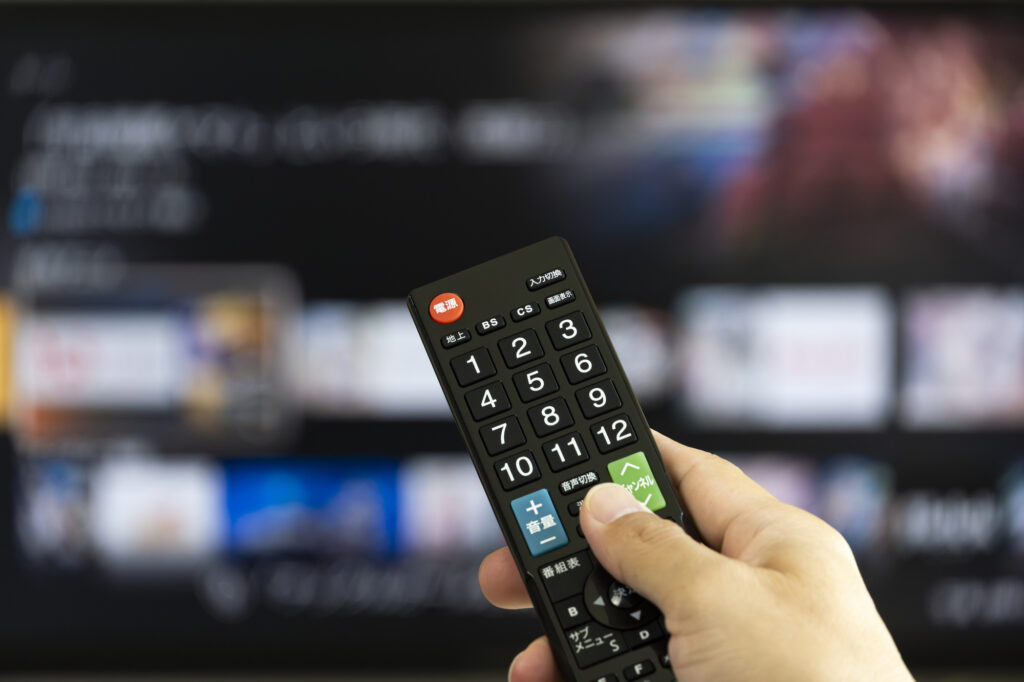
This has birthed a niche but growing market for "tunerless TVs"—large-format screens that lack the hardware to receive broadcast signals, functioning purely as high-definition monitors for streaming devices. The surge in Google search volume for "tunerless TVs" over the past three years is a direct indicator of consumers actively seeking to opt out of the broadcast-fee ecosystem.
However, the NHK is not standing still. Recognizing the threat, the broadcaster has begun exploring ways to mandate "internet-only" versions of the fee for users who consume content via streaming. This regulatory attempt to catch up with a changing media landscape has, for many young people, only reinforced the decision to abandon traditional hardware entirely. The message is clear: if the price of entry is a "tax" on a device they rarely use, they would rather not own the device at all.
Supporting Data: The Collapse of Content Consumption
The decline is not just about the hardware; it is about the relevance of the content itself. A 2022 survey by the NHK itself revealed a startling statistic: nearly 30% of people in their 20s reported that they do not watch any content from broadcast networks, including VOD services, YouTube channels, or news programs.
As noted by analysts at Diamond Online, this represents a shift from passive apathy to active avoidance. The content produced by major Japanese networks is increasingly viewed as misaligned with the tastes of a generation raised on globalized, algorithm-driven internet platforms. While South Korean media (K-dramas and K-pop) has successfully captured international audiences, Japanese television has struggled to produce a global cultural touchstone since the waning days of Terrace House. For a young Japanese adult, the choice is between a fast-paced, globalized internet experience and the rigid, often repetitive programming of terrestrial TV.
The Demographic Squeeze
The decline in TV ownership is compounded by Japan’s demographic crisis. With the lifetime unmarried rate for men topping 28% according to the 2020 census, the population of single-person households is expanding. Historically, the television was a "family device"—a central hub for communal viewing. In a society where single-person living is becoming the norm, the utility of a large-format TV diminishes.
When combined with stagnant wage growth and rising urban housing costs, the television becomes an expensive, space-consuming luxury that offers little return on investment. The economic realities of modern Japanese life are effectively punishing the traditional media model.
Implications for the Future: A New Media Hegemony
Broadcasters and electronics manufacturers are now staring at a precarious future. While "connected TV" penetration remains high in densely populated areas like Kanto (exceeding 70%), the nature of that connectivity is changing. The TV is increasingly being relegated to the role of a "dumb" monitor for streaming services like Netflix, YouTube, and Amazon Prime, rather than a vessel for live, linear broadcast.
Industry insiders have pointed to a sobering internal ratio: traditional broadcast viewers versus internet-based viewers currently sits at approximately 7:3. Given the trajectory of hardware ownership and the habits of the under-30 demographic, this ratio is almost certain to tilt further in favor of the internet.
For Japanese broadcasters, the implications are existential. If they cannot pivot to a digital-first strategy that captures the attention of a generation that has already "checked out," their advertising revenue will inevitably follow their viewership into decline. The 20th-century model—where a few terrestrial stations held a virtual monopoly on public attention—is effectively over.
Conclusion: The End of an Era
The decline of television in Japan is a microcosm of a broader societal shift. It represents the end of a top-down media era where the "national broadcast" was a central pillar of civic life. Today, that pillar is crumbling, not because of a single failure, but because of a perfect storm: technological innovation, economic necessity, and a cultural shift toward individualism.
While the television will likely survive in some form—as a shared screen for families or a high-end display for gaming and cinema—its days as the default medium of the Japanese household are numbered. The broadcasters who wish to survive this transition must stop viewing the internet as a secondary platform and start treating it as their primary, and perhaps only, future. For the young generation, the decision has already been made; they have moved on, and they are not looking back.


 Neng Nana






