

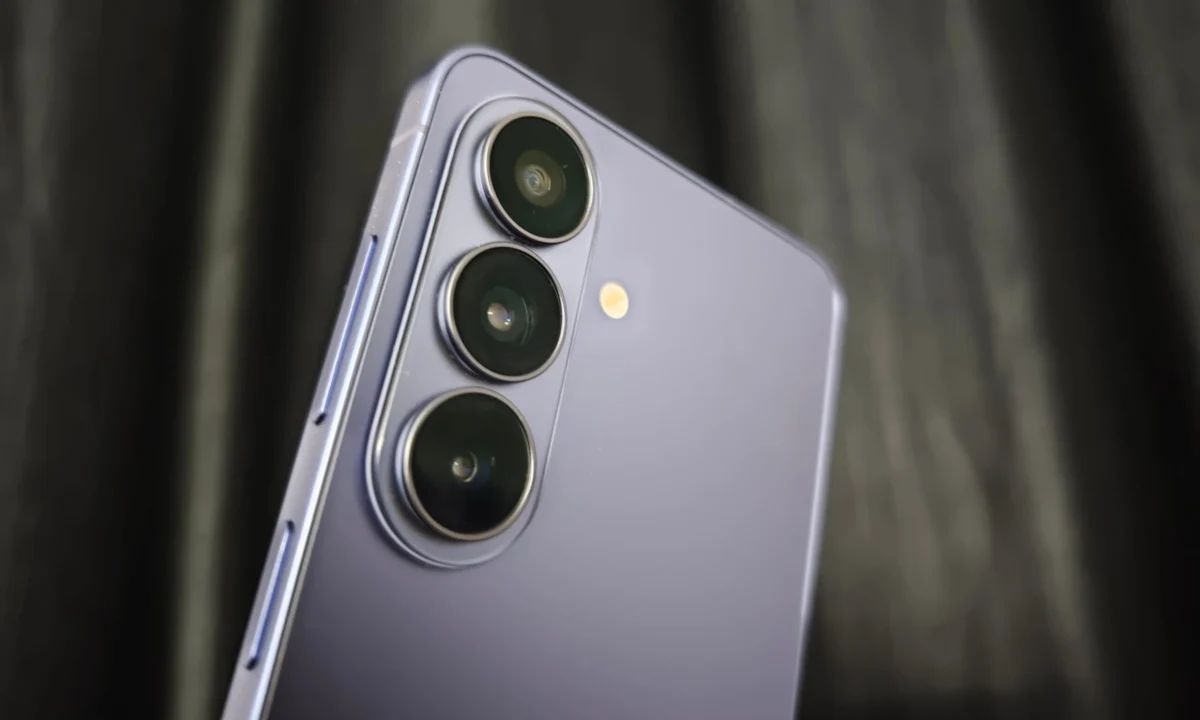
The smartphone industry has reached a precarious inflection point. For years, consumers have grown accustomed to the annual "flagship tax"—the gradual creep in pricing as manufacturers push the boundaries of camera technology, display fidelity, and build quality. However, a new report suggests that the most critical component of your smartphone—the System-on-a-Chip (SoC)—is about to trigger a significant, industry-wide price hike.
Recent leaks indicate that the upcoming Qualcomm Snapdragon 8 Elite Gen 6 Pro is expected to retail to manufacturers at a price point exceeding $300. To put that in perspective, the processor alone will soon cost as much as an entire entry-level Android smartphone. As the bill of materials (BOM) for high-end devices balloons, the era of the "affordable flagship" may be drawing to a rapid, expensive close.
The Chronology of Cost: How We Got Here
The rapid escalation in chipset pricing is not a sudden phenomenon but rather the culmination of a multi-year trend driven by advanced lithography, AI integration, and global supply chain pressures.

A retrospective look at the pricing of Qualcomm’s flagship Snapdragon 8-series provides a clear roadmap of this inflationary trend:
- 2022 (Snapdragon 8 Gen 1 / 8+ Gen 1): At the beginning of the decade, the cost for OEMs was relatively stable, hovering between $120 and $130 per chip.
- 2023 (Snapdragon 8 Gen 2): As performance demands increased, the price saw a notable jump to approximately $160.
- 2024 (Snapdragon 8 Gen 3): With the integration of more sophisticated NPU (Neural Processing Unit) cores for generative AI, costs climbed further to between $170 and $200.
- 2025 (Snapdragon 8 Elite): The transition to the "Elite" branding signaled a move toward premium, custom-core architecture, pushing the unit cost past the $220 threshold.
- Early 2026 (Snapdragon 8 Elite Gen 5): Market analysts noted a further increase, with prices reaching between $240 and $280.
- The Future (Snapdragon 8 Elite Gen 6 Pro): Current industry tipsters, including Abhishek Yadav, suggest the cost will finally breach the $300 barrier, marking a psychological and economic milestone for the industry.
This trajectory reveals that the cost of the "brain" of our devices has more than doubled in just four years. As semiconductor fabrication moves toward increasingly complex nodes—such as the transition to 3nm and beyond—the research, development, and manufacturing costs passed down to brands like Samsung, Xiaomi, and Motorola have become impossible to absorb.
Supporting Data: The Perfect Storm of Component Inflation
The escalating price of the Snapdragon 8 Elite Gen 6 Pro does not exist in a vacuum. It is part of a broader macroeconomic issue affecting the entire tech sector.

The AI-Data Center Tug-of-War
The surge in demand for high-performance computing to power large language models (LLMs) and cloud-based AI services has created a massive bottleneck in the global semiconductor supply chain. Data center operators are willing to pay a premium for high-end silicon, which naturally constrains the supply of cutting-edge chips available for mobile devices. This competition for "wafer space" at foundries like TSMC ensures that smartphone manufacturers are fighting a losing battle to keep costs down.
Memory and Storage Volatility
Beyond the processor, the memory market remains a source of volatility. The shift toward LPDDR6 memory and high-speed UFS 4.0 storage—necessary to keep pace with the power of the new Elite chips—has further increased the cost of production. Samsung’s recent decision to raise the starting price of the Galaxy S26 by $100 compared to its predecessor was not an arbitrary business decision; it was a direct reaction to the rising costs of these essential components.
The Strategy: Bifurcation of the Flagship Market
Faced with a $300-per-chip reality, Qualcomm and its manufacturing partners are being forced to rethink their product strategy. Reports suggest that Qualcomm is moving toward a bifurcated flagship model, splitting its top-tier offerings into two distinct tiers: the standard Snapdragon 8 Elite Gen 6 and the "Pro" version.

The "Ultra" Luxury Tier
The Pro model is expected to be an "Ultra-only" luxury. It will likely feature significantly enhanced graphics performance, support for the faster LPDDR6 standard, and superior ISP (Image Signal Processor) capabilities for computational photography. By reserving this chip for the most expensive devices—such as the Galaxy S27 Ultra, Xiaomi 18 Ultra, and top-tier offerings from Oppo, Vivo, and Motorola—manufacturers can justify price tags that comfortably exceed the $1,200 to $1,500 range.
The Standard Flagship Dilemma
This strategy leaves the "standard" flagship (the base model Galaxy S27, for example) in an awkward position. To maintain a competitive price point, manufacturers may have to compromise. We are already seeing signs of this: base models may ship with older display panels, slower charging speeds, or downgraded camera sensors to compensate for the cost of the main processor.
Implications for the Consumer
What does this mean for the average person looking to upgrade their device in 2026 and 2027? The consequences are twofold:

1. The Death of the Mid-Range Flagship
For years, the "flagship killer" category—phones that offered near-top-tier performance for $600 to $700—has been the gold standard for value. As the base component costs rise, this category is effectively being squeezed out of existence. Consumers will likely be forced to choose between a "budget" phone that feels severely underpowered or a "premium" phone that requires a significant financial investment.
2. Longer Upgrade Cycles
As prices climb, the perceived value of a new device must increase proportionately. If a smartphone costs $1,300, the average consumer will expect it to last longer than two years. This may force manufacturers to pivot their marketing away from "new and shiny" features toward longevity, promising seven or even ten years of software support and more durable build materials to justify the initial expenditure.
3. The "AI Premium"
The industry is increasingly framing these price hikes as the cost of the "AI Revolution." As phones become local hubs for personal AI agents, the necessity for high-end NPU performance becomes a primary selling point. Consumers will be asked to pay more not just for a phone, but for a "personal intelligence device." Whether the average user finds enough utility in these AI features to justify a 20% to 30% increase in retail pricing remains the billion-dollar question.

Conclusion: A Turning Point for Mobile Technology
The smartphone industry has transitioned from a phase of rapid innovation and commoditization to a phase of consolidation and premiumization. The $300 price tag for the Snapdragon 8 Elite Gen 6 Pro is a stark reminder that we are no longer in the era of cheap, powerful mobile computing.
As we look toward the next generation of devices, consumers should prepare for a landscape where the best technology is increasingly gated behind "Ultra" branding and premium price tags. The era of the budget-friendly flagship is fading, replaced by a reality where, if you want the best of what mobile silicon has to offer, you must be prepared to pay a price that, only a few years ago, would have been considered impossible.
The industry is testing the limits of consumer demand. The question is whether, at these new price levels, the value provided by a faster chip and better AI integration will be enough to keep the market growing, or if the "ludicrous era" of phone pricing will eventually lead to a decline in mass-market adoption. For now, the only certainty is that the bill for your next upgrade is coming, and it will be higher than ever.










No comments yet. Be the first to join the conversation!