

By Kara Dennison
Published August 31, 2025
As the sweltering heat of August gives way to the anticipatory crispness of September, a universal cultural ritual begins: the return to the classroom. For the global anime community, this transition is more than a seasonal shift; it is a thematic homecoming. The school setting serves as the foundational bedrock of the medium, a versatile stage upon which stories of heroism, magic, and personal growth are perpetually performed.
While contemporary audiences remain enthralled by the high-stakes heroics of My Hero Academia or the comedic subversions of MASHLE: MAGIC & MUSCLES, the "school anime" genre possesses a deep, rich history that extends far beyond current seasonal hits. To truly understand the "back-to-school" spirit in animation, one must look toward the pillars of the past and the innovative projects that redefined the academic narrative.
This report examines three pivotal series—Project A-ko, GTO: Great Teacher Onizuka, and Little Witch Academia—to analyze how they have shaped the genre and continue to influence the way we perceive education through the lens of Japanese animation.
1. Main Facts: A Diverse Curriculum of Narrative Styles
The "school" genre in anime is rarely a monolith. Instead, it functions as a modular framework that can be integrated with science fiction, social commentary, or high fantasy.
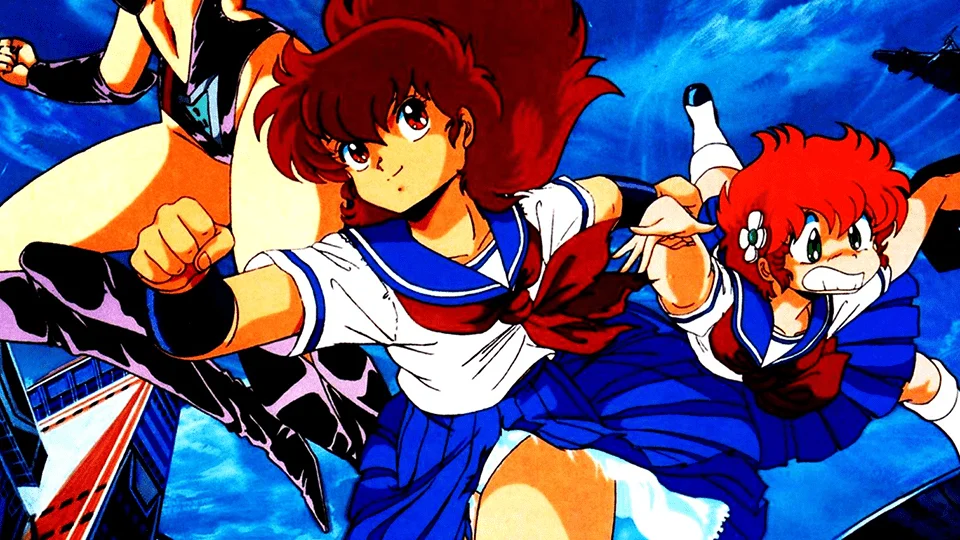
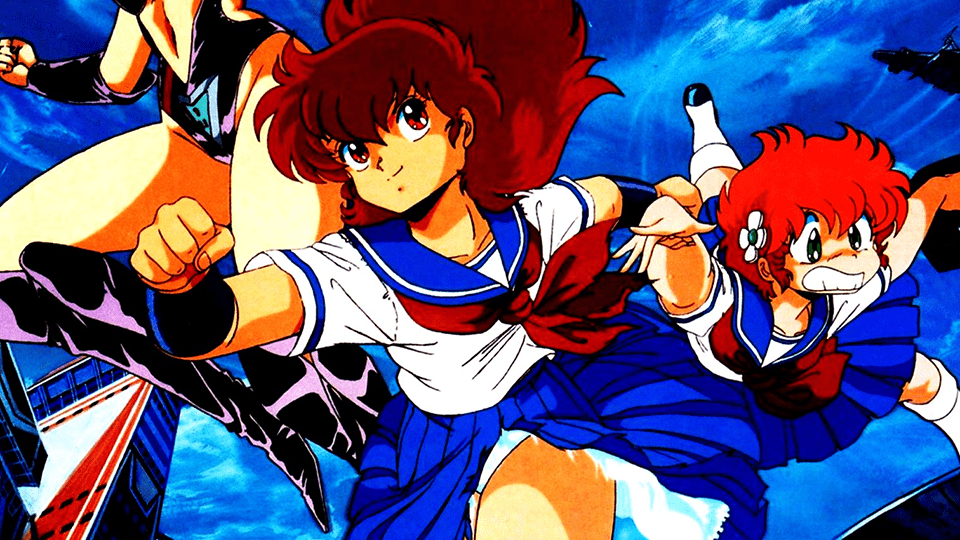
- Project A-ko (1986): A landmark of the 1980s OVA (Original Video Animation) boom, this film blended superhero tropes with schoolgirl rivalries and alien invasions. It represents the "Golden Age" of hand-drawn animation and parody.
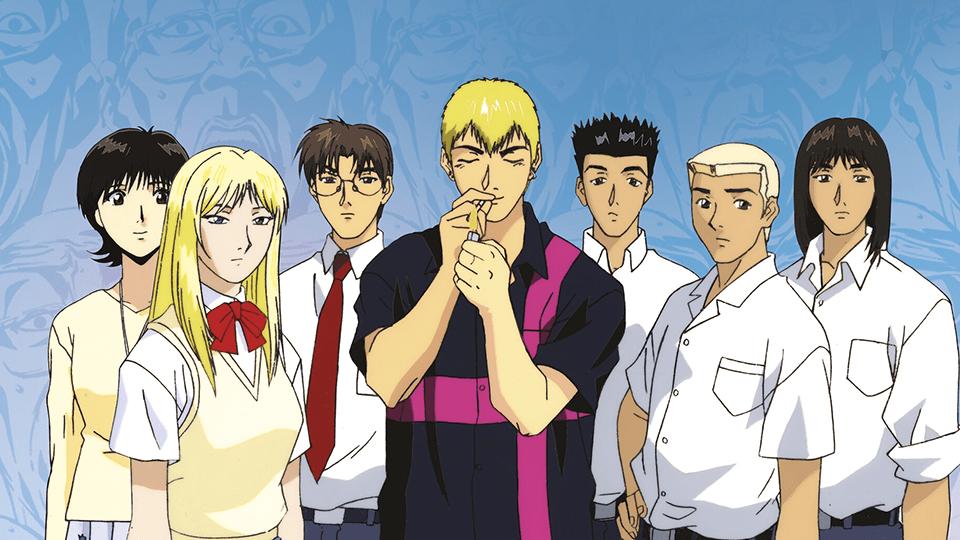
- GTO: Great Teacher Onizuka (1999): A seminal work of the late 90s, this series shifted the perspective from the student to the educator. It utilized a "delinquent-turned-mentor" trope to critique the rigid and often stifling Japanese education system.
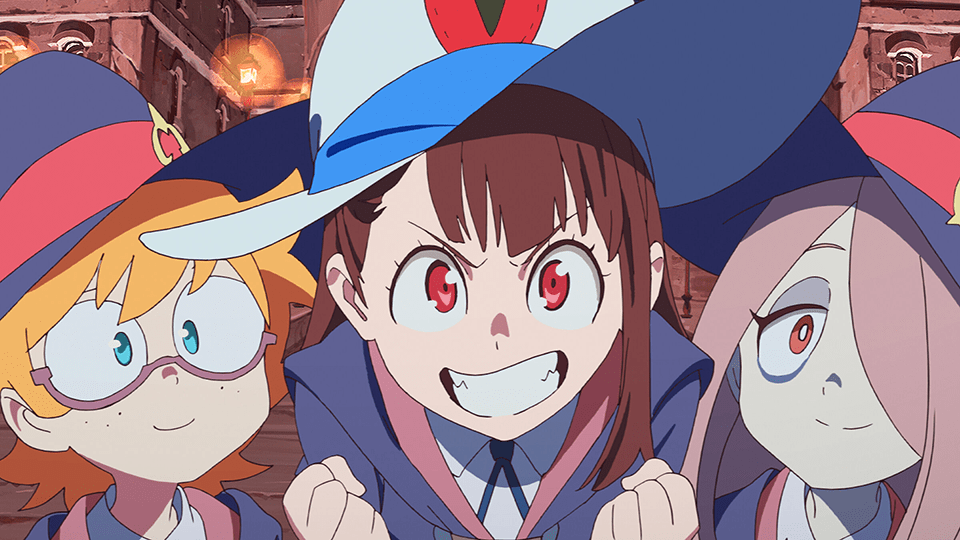
- Little Witch Academia (2013/2017): Emerging from Studio Trigger, this franchise revitalized the "magical school" archetype for a modern audience, emphasizing wonder, artistic passion, and the preservation of tradition in a cynical world.
Each of these titles provides a unique "syllabus" for viewers, ranging from the absurdly violent to the deeply philosophical.
2. Chronology: From Parody to Social Critique to Modern Wonder
The 1980s: The Birth of the Super-Powered Student (Project A-ko)
In 1986, the anime industry was experiencing a surge in experimental content. Project A-ko was initially conceived as part of the adult-oriented Cream Lemon series but was pivoted during production into a high-octane, all-ages action comedy. Directed by Katsuhiko Nishijima, the film follows A-ko, a girl of superhuman strength, her ditzy friend C-ko, and their wealthy, genius rival B-ko.
The film was revolutionary for its time, serving as a meta-commentary on the anime industry itself. It parodied everything from Captain Harlock to Macross, establishing the school as a chaotic battleground where personal grievances could escalate into planetary threats. It set the stage for the "battle school" subgenre that would eventually evolve into modern hits like Kill la Kill.
The 1990s: Challenging the Institution (GTO)
By the late 1990s, Japan was grappling with the "Lost Decade" and a growing disillusionment with traditional authority. Enter Eikichi Onizuka, a 22-year-old former biker gang leader whose primary motivation for entering the teaching profession was, admittedly, questionable. However, Toru Fujisawa’s GTO (serialized in manga in 1997 and animated in 1999) became a cultural phenomenon by suggesting that the "problem children" of society were often the ones best equipped to fix a broken system.
Onizuka’s unorthodox methods—which included everything from breaking down walls with sledgehammers to taking students on late-night motorcycle rides—served as a direct challenge to the "examination hell" culture of the time. The series moved the school genre away from mere setting and into the realm of social activism.

The 2010s: The Return to Whimsy (Little Witch Academia)
As the 21st century progressed, the school genre often leaned into "darker" or more "moe-centric" themes. Studio Trigger, led by director Yoh Yoshinari, sought to return to a sense of pure, cinematic wonder. Little Witch Academia began as a short for the 2013 Anime Mirai project (a government-funded initiative to train young animators) before expanding into a globally recognized series.
Set at the Luna Nova Magical Academy, the story follows Atsuko "Akko" Kagari. Unlike her peers, Akko comes from a non-magical background, making her an underdog in a world where magic is fading. This series redefined the "back-to-school" vibe as one of aspirational discovery, focusing on the labor and love required to master a craft.
3. Supporting Data: The Economics and Reach of School Settings
The dominance of the school setting in anime is supported by significant industry data and demographic trends.
- Genre Prevalence: According to data from various streaming platforms and archival databases, approximately 60% to 65% of all Shonen and Shojo anime produced between 1980 and 2024 feature a school as the primary or secondary setting.
- Global Accessibility: These three series represent the "long tail" of anime licensing. Project A-ko remains a staple on RetroCrush, a platform dedicated to preserving classic media. GTO continues to be a top-performer on Crunchyroll, frequently appearing in "Essential Viewing" lists. Little Witch Academia found a massive international audience via Netflix, proving that the "school" theme translates seamlessly across cultural boundaries.
- Crowdfunding Success: Little Witch Academia: The Enchanted Parade (the 2015 sequel) famously raised $627,515 on Kickstarter, nearly four times its original goal, demonstrating the intense fan loyalty associated with academic-themed narratives.
4. Official Responses and Critical Reception
The legacy of these series is cemented by critical acclaim and industry recognition.
On Project A-ko: Critics often cite the film as the pinnacle of 80s "chaos animation." Justin Sevakis of Anime News Network has previously noted that the film’s "sheer kinetic energy" and technical proficiency remain a benchmark for the industry. It is often credited with helping to establish the "Action-Comedy" genre in the West during the early VHS era.
On GTO: The series has been praised for its emotional depth. Reviewers frequently highlight that beneath Onizuka’s lewd exterior lies a profound moral compass. The series won the Kodansha Manga Award in 1998, and its anime adaptation is consistently ranked in the top 100 series of all time by fan-driven sites like MyAnimeList.
On Little Witch Academia: Studio Trigger’s work has been lauded for its "Disney-esque" fluidity combined with traditional Japanese "limited animation" techniques. Critics have praised the series for its positive depiction of female friendship and its "anti-cynicism" stance, which resonated deeply with audiences in an era of gritty reboots.
5. Implications: Why the School Setting Endures
The persistence of the school setting in anime—exemplified by the explosive action of Project A-ko, the rebellious spirit of GTO, and the magical idealism of Little Witch Academia—carries significant implications for the future of the medium.
The Universal Experience
School is the only truly universal experience shared by the global audience. By grounding fantastical elements (magic, mecha, or superhuman strength) in a classroom, creators provide a relatable "anchor." This allows viewers to project their own anxieties about exams, social hierarchies, and self-discovery onto the characters.
A Sandbox for Social Experimentation
As seen in GTO, the school is a microcosm of society. It allows writers to experiment with power dynamics and systemic critiques without the complexities of a political thriller. The classroom is a "safe" space to explore "unsafe" ideas about authority and individuality.
The Preservation of Nostalgia
For adult viewers, these series serve as a bridge to the past. Whether it is the 80s synth-pop aesthetic of Project A-ko or the early 2000s grunge of GTO, these shows preserve the "feeling" of their respective eras. As the new school year begins in 2025, these classics offer a way for older fans to reconnect with the "explosive" potential they felt in their own youth.
Conclusion: The Endless Semester
As we transition into the 2025-2026 academic year, the school anime genre remains as vital as ever. While new series will undoubtedly capture the zeitgeist, the foundational power of classics like Project A-ko, the social relevance of GTO, and the imaginative spark of Little Witch Academia ensure that the "back-to-school" season will always have a powerful, animated soundtrack. Whether through a fist-fight, a lesson in life, or a magic spell, these stories remind us that the most important learning happens outside the textbook.









No comments yet. Be the first to join the conversation!