

At 54 years old, the physical realities of life begin to shift. For many, this manifests as a gradual decline in stamina, a decrease in muscle density, or the nagging realization that the recovery times of one’s twenties are a distant memory. For practitioners of high-intensity sports like Brazilian Jiu-jitsu (BJJ), these changes are not merely academic—they are felt in every grueling sparring session.
Recently, the intersection of artificial intelligence and personal health has provided a novel solution to this perennial problem. By leveraging the generative capabilities of ChatGPT, a growing demographic of aging athletes is discovering that the secret to maintaining peak performance isn’t found in a high-tech gym, but in personalized, low-barrier, and algorithmically optimized home routines.
The Challenge: Aging, Athleticism, and the "Gym Fatigue"
The narrative of the modern athlete over 50 is often one of compromise. As the body ages, the focus must shift from pure performance to longevity. For those involved in combat sports, knee health is paramount; high-impact activities like distance running often present an unacceptable risk of injury. Furthermore, the "logistical overhead" of attending a commercial gym—commuting, navigating crowds, and managing equipment—can serve as a significant psychological barrier to consistency.
Traditional fitness advice often emphasizes rigid, high-intensity regimens designed for younger bodies. For the middle-aged professional, these plans are frequently unsustainable. The core issue is not necessarily a lack of willpower, but a lack of programming that accounts for the specific recovery needs and time constraints of an older, active individual.
The Digital Catalyst: How AI Entered the Training Arena
The transformation of the author’s training regimen began with an unexpected nudge: an automated email from OpenAI’s ChatGPT. The prompt provided, "I don’t belong to a gym. Make a no-equipment, 20-minute home workout," acted as a digital gateway.
Unlike a generic PDF downloaded from a fitness blog, the AI’s response was conversational and adaptive. By providing context—specifically, the user’s background in BJJ and the desire for improved cardio without joint strain—the AI was able to act as a virtual strength and conditioning coach.
Chronology of the Integration
- Contextual Briefing: The user fed the AI specific constraints: 20 minutes, no equipment, joint-friendly, and BJJ-focused.
- Collaborative Tuning: The AI initiated a feedback loop, asking for the user’s "Perceived Exertion" (RPE) target and realistic frequency (two days per week).
- Routine Generation: A custom program was developed, blending mobility, light strength training, and cardiovascular endurance.
- Implementation: The user adhered to the protocol for a two-week trial period, tracking fatigue, recovery, and perceived performance in the dojo.
- Refinement: The AI’s advice shifted toward "density" (increasing work volume within the same time window) rather than complexity, favoring sustainable growth over the risk of injury.
Supporting Data: Why "Lowering the Barrier" Works
The psychological aspect of fitness is perhaps the most significant hurdle for those over 50. Data from behavioral health studies consistently show that "habit stacking" and reducing the barrier to entry are the most effective ways to foster long-term adherence.
When the author utilized the "micro-habit" strategy—committing to only the warm-up, with the option to stop if necessary—the "all-or-nothing" mentality was neutralized. This aligns with modern findings in sports psychology: consistency trumps intensity. By avoiding the "superhero workout" trap, the user maintained a routine that felt achievable rather than punitive.
The Anatomy of the AI-Generated Routine
The resulting workout was a departure from traditional bodybuilding. Instead of isolating muscle groups with heavy iron, the AI focused on functional endurance. Key components included:
- Mobility Drills: Targeted movements to keep joints fluid, essential for the range of motion required in grappling.
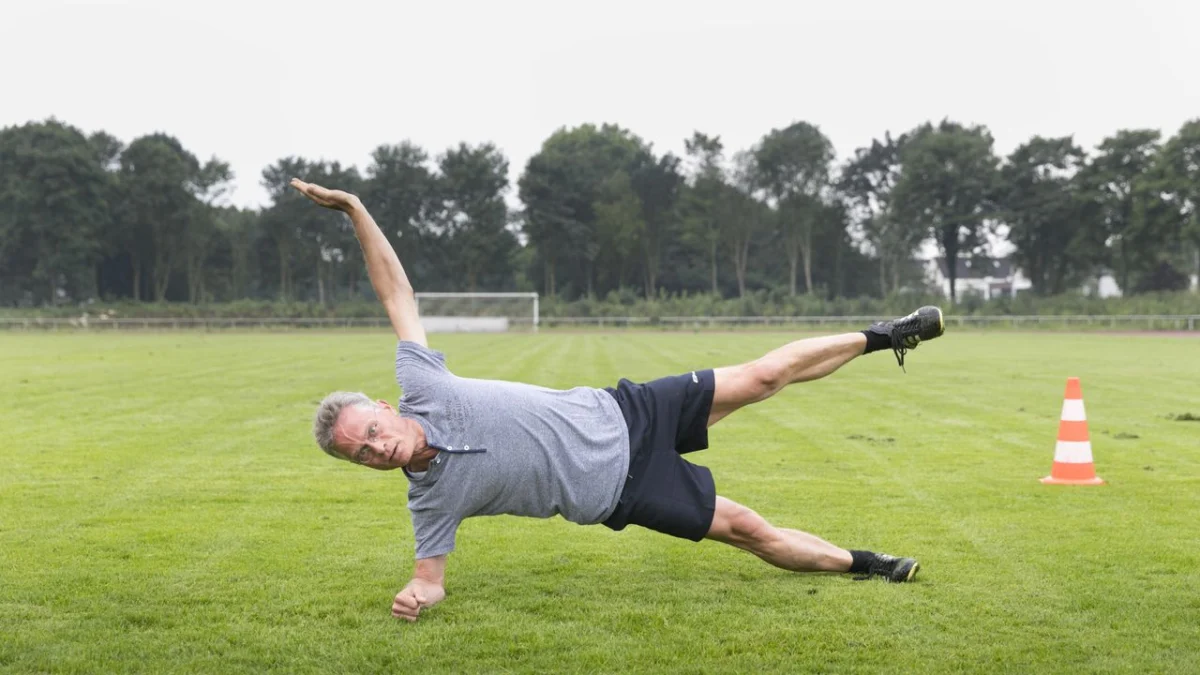
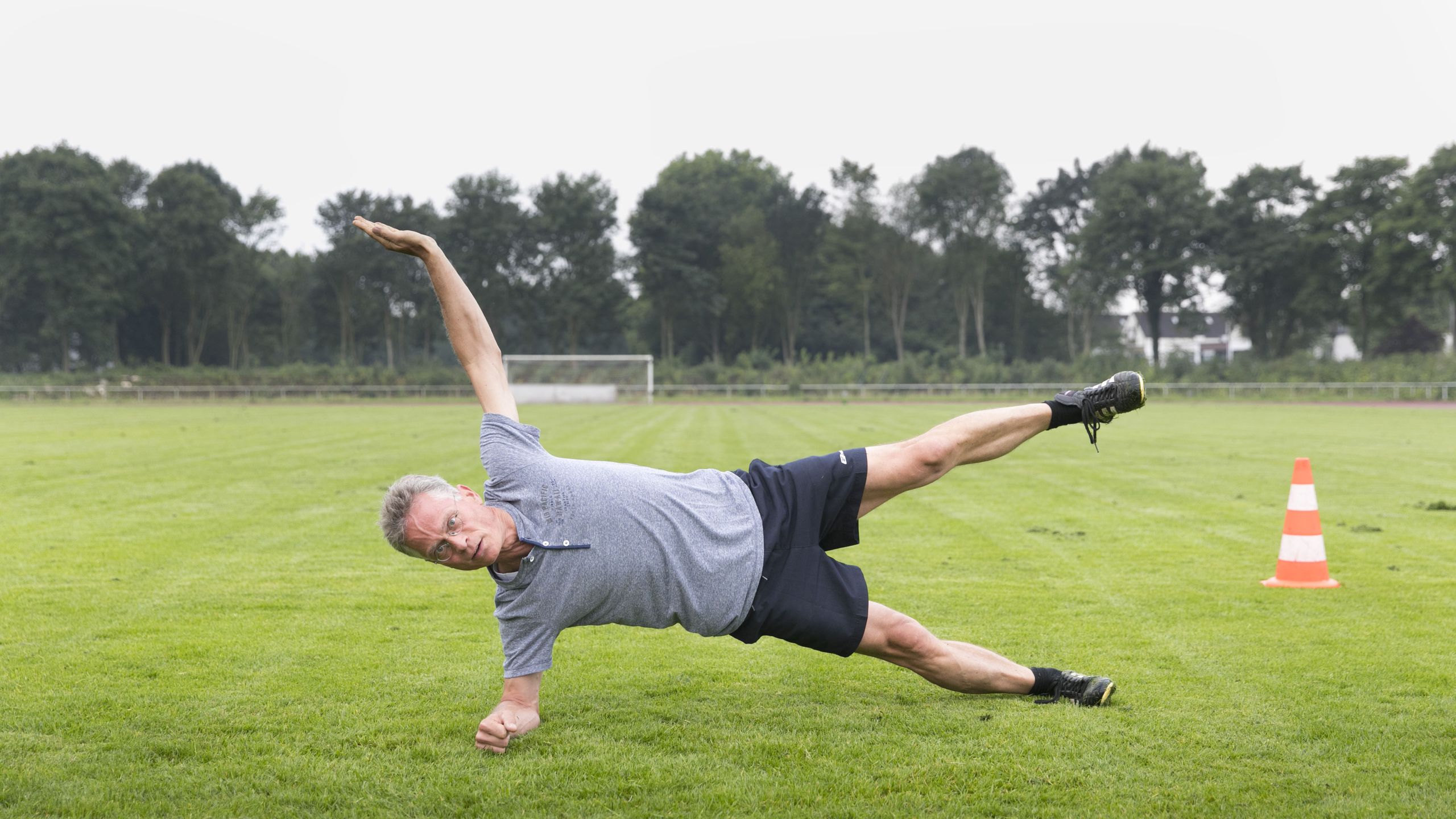
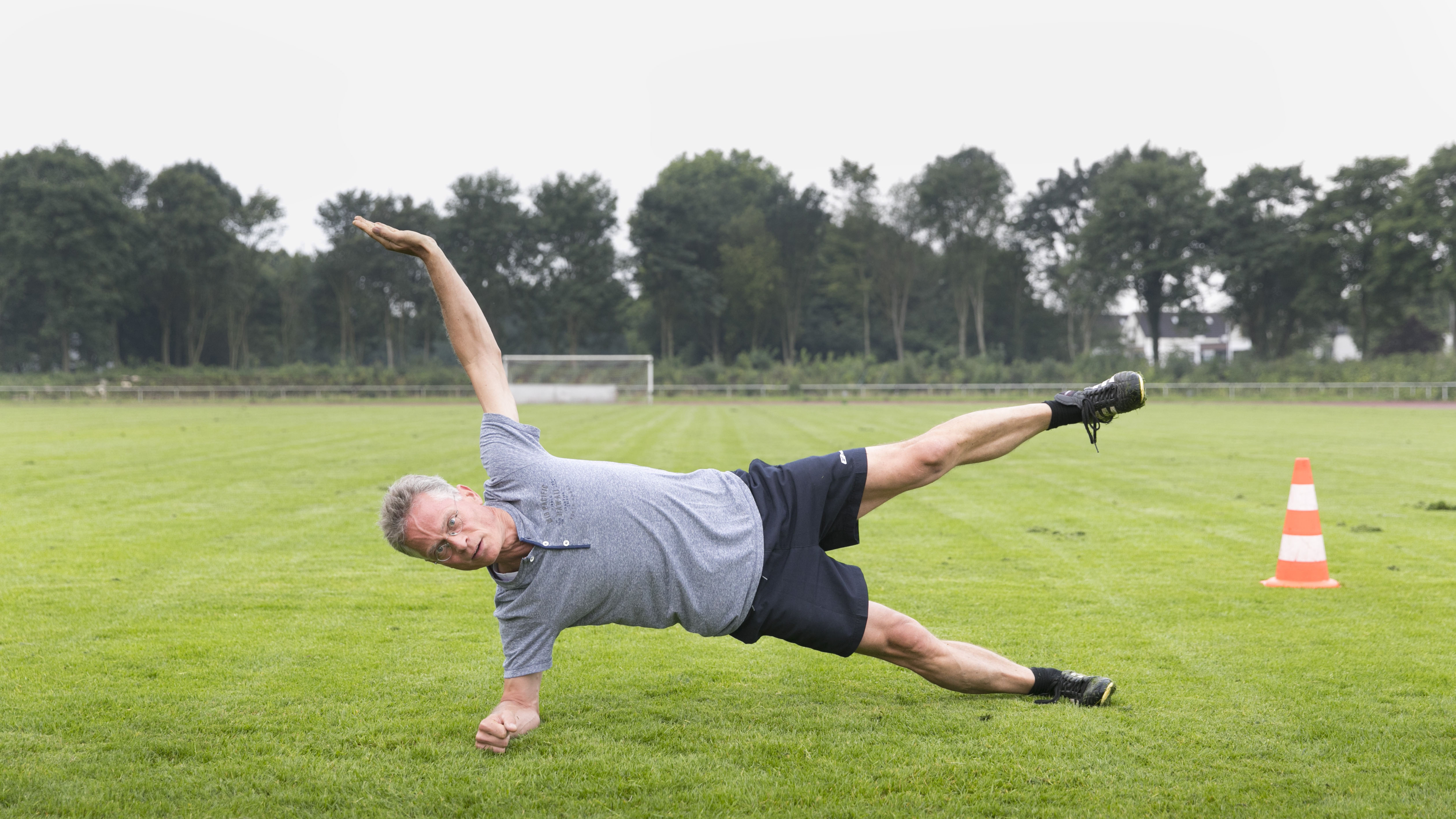
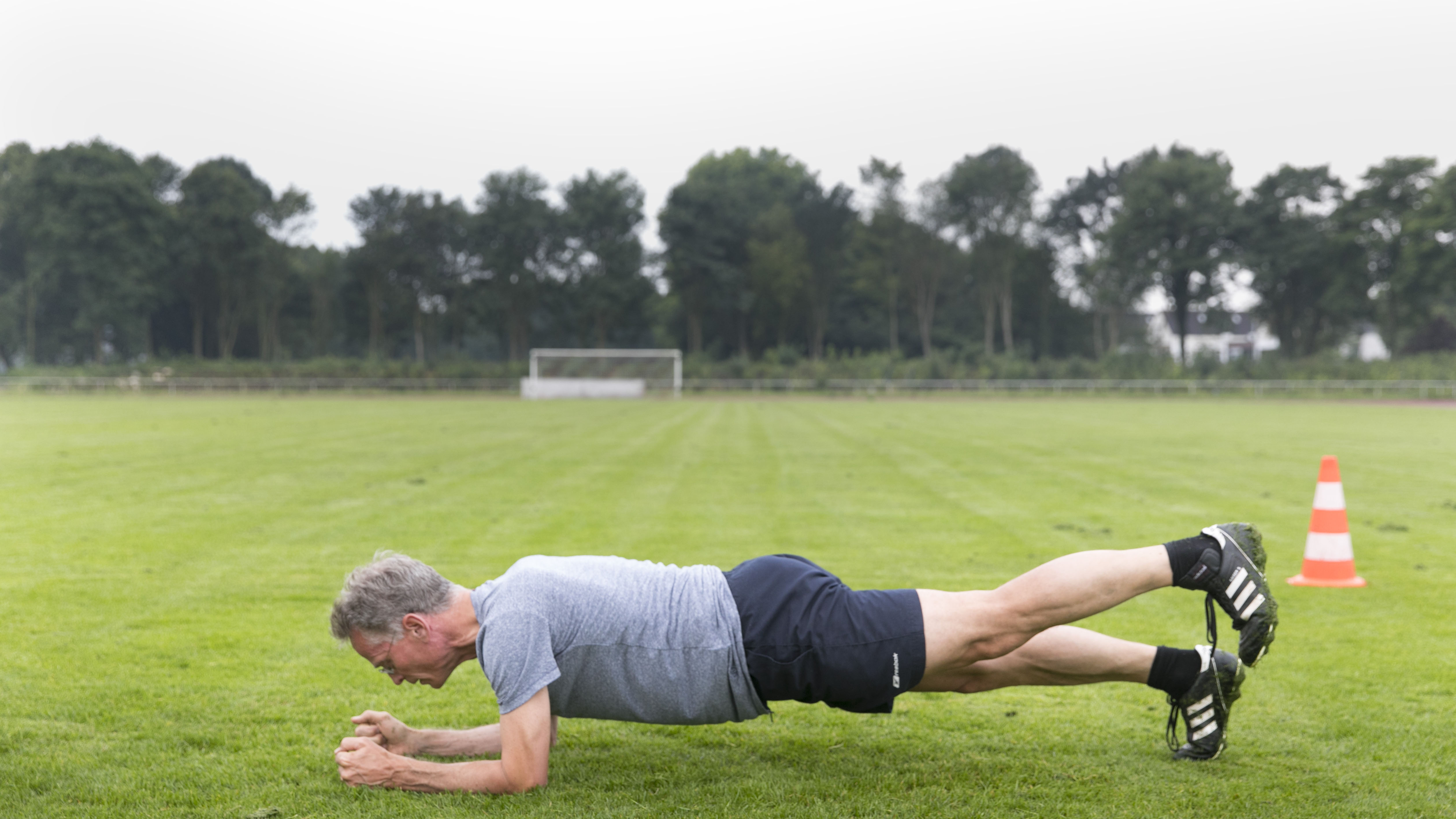
- Bear Crawl Holds with Shoulder Taps: A deceptively difficult exercise that builds core stability and scapular strength—critical for protecting the shoulders during high-pressure situations.
- Sprawl-to-Technical-Stand-up: A specific, BJJ-oriented movement that reinforces the "engine" of a grappler while doubling as high-intensity cardiovascular training.
By prioritizing movements that mimic real-world activities (or in this case, specific sport requirements), the AI bypasses the need for bulky equipment, proving that high-level conditioning can be achieved in a living room.
Implications for the Future of Personal Fitness
The success of this experiment suggests a paradigm shift in how we approach personal health. We are entering an era where high-quality, personalized coaching is no longer reserved for those with the budget for a private trainer.
The AI Advantage
- Personalization: The algorithm adapts to the user’s specific injuries, goals, and available time.
- Accessibility: By removing the "gym barrier," AI makes daily movement a default rather than a project.
- Objective Guidance: AI lacks the ego that sometimes drives human trainers to push clients beyond their safe physical limits. It provides a data-driven approach to recovery and progression.
The Potential Pitfalls
Despite the success, experts warn that AI is not a substitute for medical professionals. If a user has pre-existing conditions or orthopedic issues, an AI prompt should not replace a consultation with a physiotherapist. Furthermore, AI cannot "see" the user, meaning it cannot provide real-time form correction. The responsibility for executing movements safely still lies with the individual.
Expert Perspectives on AI-Driven Wellness
The tech-wellness industry is watching these developments closely. While fitness influencers have dominated the space for years, the rise of "AI-Coach" integration marks a move toward a more democratic, evidence-based model of training.
Industry analysts note that platforms are increasingly looking to integrate LLMs (Large Language Models) into wearable technology. Imagine a future where your smart watch not only tracks your heart rate but also adjusts your daily workout based on your sleep quality, stress levels, and recovery metrics from the previous day—all delivered via a conversational AI interface.
Conclusion: A Sustainable Path Forward
The experience of the 54-year-old grappler serves as a case study for the "Modern Aging" movement. It demonstrates that the key to staying active is not found in complex supplements or expensive memberships, but in the intelligent application of routine.
By leveraging technology to build a plan that is realistic, sustainable, and tailored to individual needs, the user successfully bypassed the mental and physical hurdles that so often lead to inactivity in later life. The takeaway is clear: if you are struggling to maintain your fitness as you age, the answer might be as simple as asking an AI to build a plan that respects your limitations while challenging your potential.
In the end, the "best" workout is the one you actually do. If ChatGPT can help you lower the barrier to entry, it is doing more for your health than any high-end gym equipment ever could.












No comments yet. Be the first to join the conversation!