
 Nana
Nana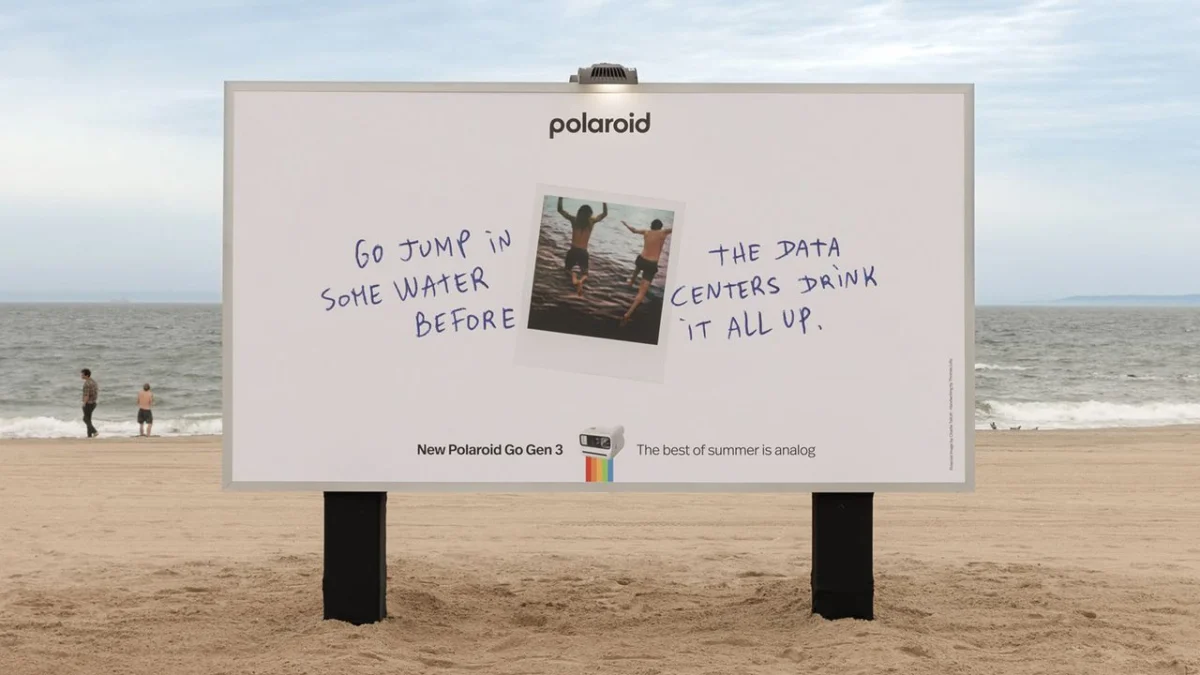
In an era defined by hyper-connectivity, the relentless pursuit of algorithmic perfection, and the looming shadow of artificial intelligence, Polaroid has launched a campaign that feels less like a marketing initiative and more like a cultural manifesto. Titled "The Best of Summer is Analog," this latest creative endeavor—timed to coincide with the launch of the Go Generation 3 instant camera—is a poignant, provocative critique of the digital age. By trading high-gloss, hyper-processed advertising for raw, "anti-design" visuals and sharp, human-centric messaging, Polaroid is positioning itself as the antithesis to the modern digital void.
The Core Philosophy: Why Polaroid Exists in an AI World
The campaign, which has begun appearing on billboards and in major urban centers from Coney Island to London, marks a strategic pivot for the brand. For years, camera manufacturers have been obsessed with "digitizing" the analog experience—adding connectivity, app integration, and AI-driven image enhancement. Polaroid, however, has decided to lean into the inherent limitations of its medium.
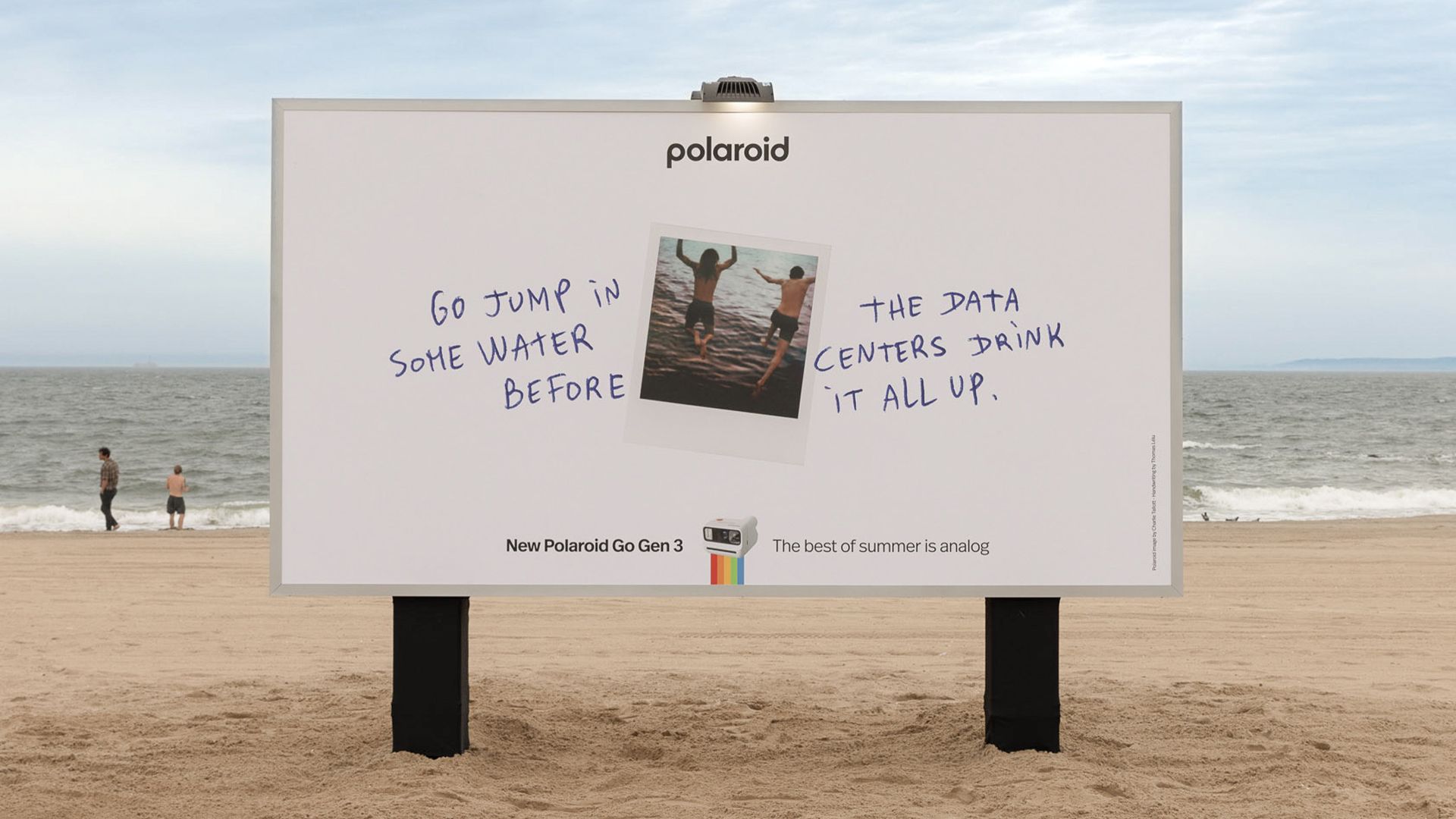
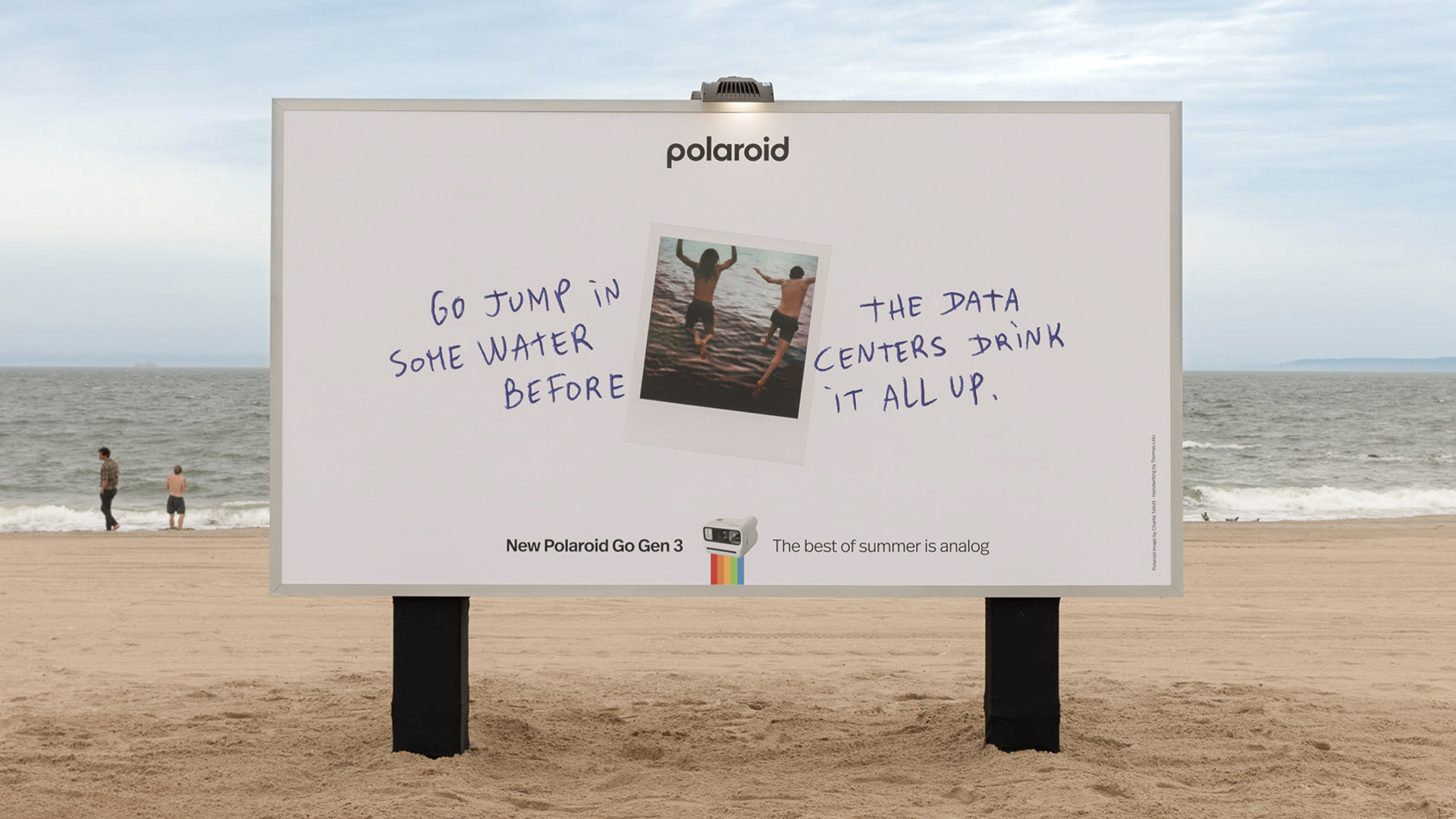
The campaign’s messaging is intentionally jarring. One prominent billboard on Coney Island, for instance, bears the biting observation: "Go jump in some water before the data centers drink it all up." The message is twofold: it serves as a reminder of the environmental cost of the massive, water-cooled data centers required to sustain our digital lives, while simultaneously serving as an invitation to engage in the physical, messy, and unscripted joy of a summer day.
Challenging the Status Quo
Polaroid’s creative director, Patricia Varella, notes that the campaign was born out of a fundamental shift in how the company views its own relevance. "When we stopped asking ‘How do you make instant cameras appealing to Gen Z?’ and started asking ‘Why should Polaroid exist at all in an AI era?’ we knew we were on to something," she explains.
This philosophical shift is not merely about selling hardware; it is about reclaiming the concept of a "moment." In a world where every experience is curated, filtered, and uploaded to a cloud server, the physical Polaroid print—which cannot be edited, filtered, or backed up to the cloud—represents an act of defiance.
Chronology: A Strategy of Incremental Disruption
Polaroid’s current positioning did not happen overnight. It is the culmination of a multi-year strategy aimed at repositioning the brand from a relic of the past to a necessary tool for the future.
- Early 2023: Polaroid began testing the waters of "anti-digital" marketing, focusing on the sensory experience of photography.
- Late 2023: The company released a series of minimalist advertisements that explicitly called out the "AI-ification" of photography, earning widespread praise for its bold stance.
- Summer 2024: The launch of the Go Generation 3 serves as the centerpiece for the current "The Best of Summer is Analog" campaign.
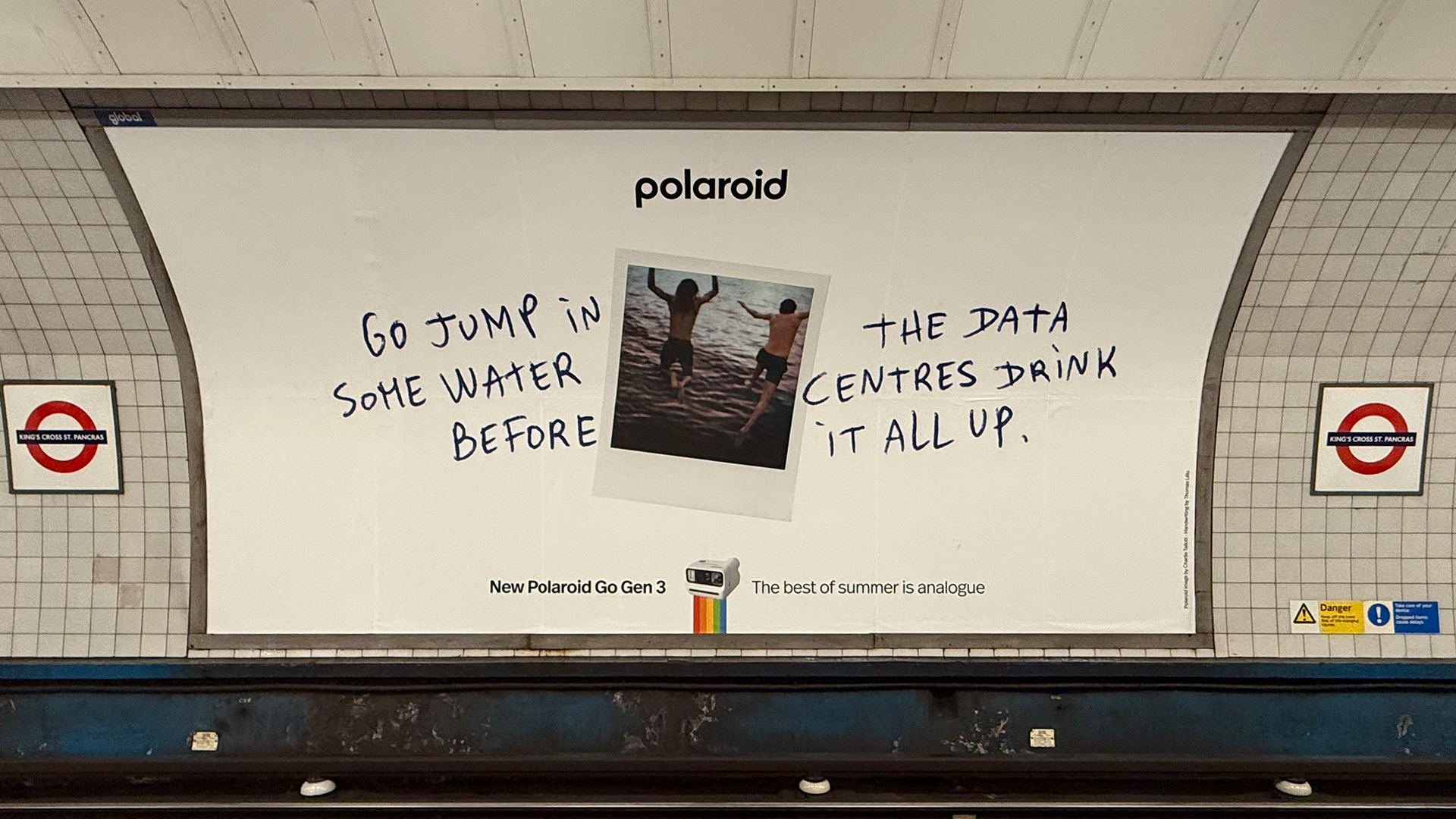
- The Global Rollout: The campaign has expanded rapidly, moving from the beaches of New York to strategic "station takeovers" in London’s King’s Cross, as well as high-traffic placements in the creative hubs of Bethnal Green and Hackney.
This rollout strategy is deliberate. By targeting urban, creative, and culturally saturated environments, Polaroid is speaking directly to the demographic most "burned out" by the digital saturation of social media.
Supporting Data: The Rise of the "Analog Revival"
Polaroid’s move is backed by shifting consumer behaviors. While digital photography has become commoditized—with smartphones capable of capturing professional-grade images—there has been a significant resurgence in interest regarding tactile media.
According to recent market trends, the instant camera category has seen consistent growth, even as digital camera sales have plateaued or declined. This "analog revival" is not limited to photography; it mirrors the resurgence of vinyl records, film cameras, and physical books. Data suggests that Gen Z, the primary targets of these campaigns, are leading the charge. A recent study indicated that over 60% of young adults report feeling "digital fatigue," with a significant portion seeking "low-tech" hobbies to disconnect from the constant demands of their smartphones.
Polaroid’s campaign taps directly into this psychological state. By using slogans such as "You can’t bask in blue light" and "Dance like nobody is recording," the brand is validating the feeling that something is being lost in our transition to an exclusively digital existence.
The Aesthetic of "Anti-Design"
At the heart of the campaign is a design language that intentionally rejects the polished, corporate aesthetic typical of tech giants. Using simple typography, handwritten-style fonts, and genuine, slightly imperfect Polaroid snapshots, the branding feels personal rather than manufactured.
This "anti-design" approach—characterized by high-contrast, text-heavy layouts and a lack of traditional "glossy" product imagery—is designed to stop commuters in their tracks. It is a visual language that acknowledges its own artifice. When a billboard reads, "What a glorious day to stare into various screens for hours on end," it employs a brand of self-aware sarcasm that resonates with a public that is increasingly cynical about the "always-on" nature of modern technology.
Official Responses and Corporate Stance
Polaroid is careful to clarify that their campaign is not an attack on technology itself, but a critique of how that technology is being used to replace the human experience.
"We’re not anti-digital," Varella states. "We know we have to live alongside it, but we’re deeply pro-human, and know what humanity gives us. And we know what we stand to lose if we don’t protect it. That’s a fight worth fighting."
This nuance is crucial. By framing the brand as "pro-human" rather than "anti-technology," Polaroid avoids the trap of sounding like a Luddite organization. Instead, they position the Polaroid camera as a tool for mindfulness. In the same way that a notebook is a tool for thought, the Polaroid camera is a tool for memory-keeping that doesn’t require a screen, a notification, or a cloud connection.
Implications: The Future of Branding in the AI Era
What does this campaign mean for the broader world of design and marketing? It suggests a potential "swing of the pendulum." As AI-generated content becomes more prevalent and easier to produce, its value may paradoxically decrease. In a digital landscape flooded with perfect, synthesized images, the "imperfection" of a physical, analog photograph becomes a premium, authentic commodity.
The Human Premium
We are entering a period where human-made objects and experiences will carry a "human premium." Brands that can successfully lean into the tactile, the tangible, and the imperfect will likely find a loyal audience in those seeking an escape from the synthetic.
A Template for Provocative Advertising
Polaroid has provided a blueprint for how companies can address the existential dread surrounding AI. Rather than ignoring the technological shift, they have confronted it head-on, using their product as a point of resistance. This approach—integrating a product launch with a broader cultural commentary—is likely to be emulated by other brands looking to differentiate themselves in a crowded marketplace.
Conclusion
Polaroid’s "The Best of Summer is Analog" campaign is a masterclass in modern brand positioning. By acknowledging the environmental and psychological costs of our digital addiction, the company has managed to elevate its product from a mere camera to a symbol of intentional, human living.
Whether this campaign will result in a long-term shift in consumer habits remains to be seen. However, by asking the difficult question—"Why should we exist in an AI era?"—Polaroid has ensured its relevance. They are not just selling a device that prints photos; they are selling an excuse to step away from the blue light, engage with the world, and capture a moment that belongs solely to the person behind the lens. In a world of infinite digital copies, the original, physical print is becoming a radical, necessary, and deeply human act of defiance.


 Dwi Wanna
 Lina Irawan




