Dwi Wanna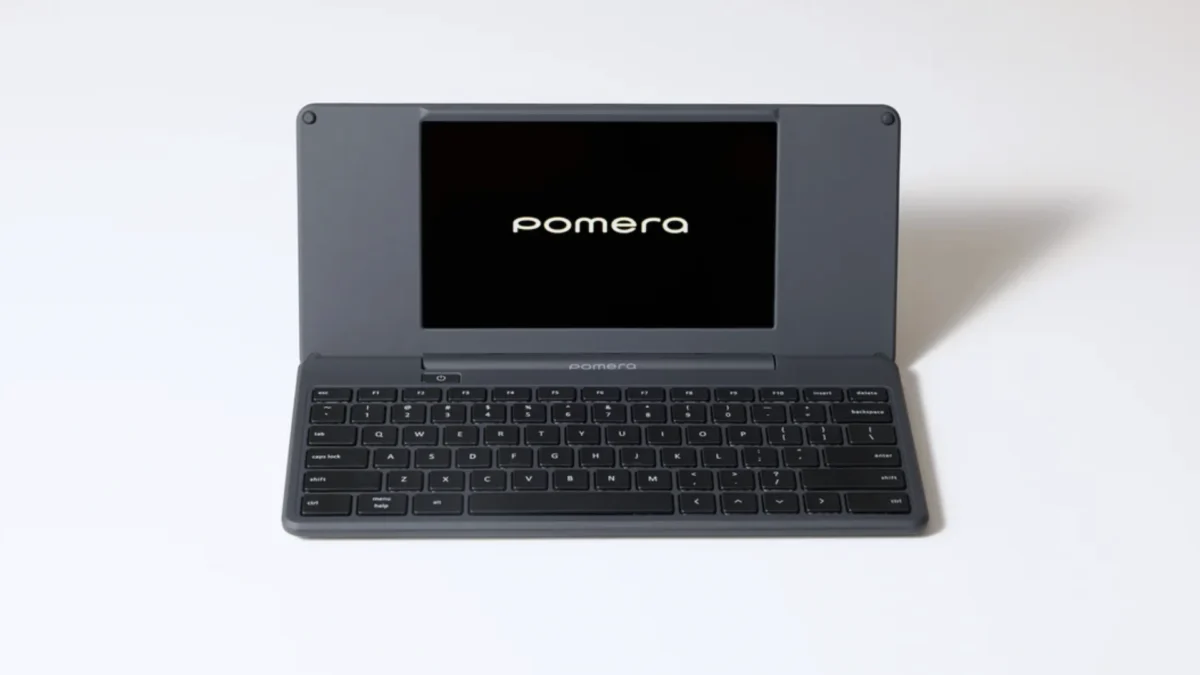
In an era defined by constant notifications, the infinite scroll, and the relentless hum of multi-tasking, the act of writing has become increasingly fragmented. For the modern professional, the creative, and the academic, the computer is no longer just a tool for creation; it is a portal to a thousand digital distractions. Enter the Pomera DM250, a dedicated, distraction-free digital typewriter that has sparked a quiet revolution among those seeking to reclaim their focus.
While many might dismiss it as a niche curiosity for the "hipster" demographic, the Pomera DM250 represents a significant shift in consumer behavior. It is a device built with a singular, uncompromising purpose: to let you write, and to do absolutely nothing else.
The Core Philosophy: Why "Dumb" Tech is Getting Smarter
The Pomera DM250 is not trying to compete with your MacBook or your iPad. It does not run apps, it does not browse the web, and it certainly doesn’t ping you when a colleague sends an email. It is a purpose-built word processor that leverages the tactile satisfaction of a physical keyboard with the convenience of digital storage.
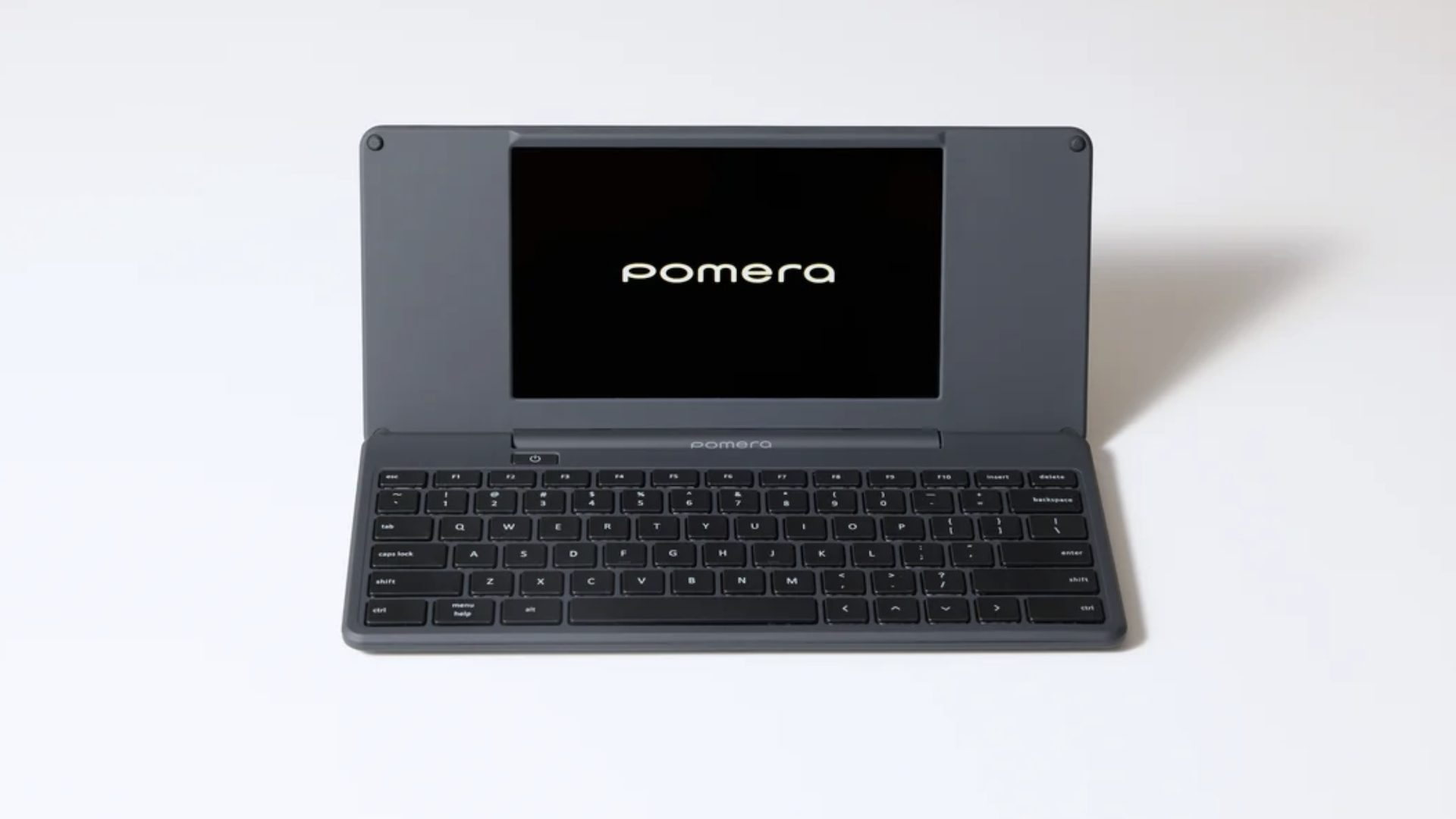
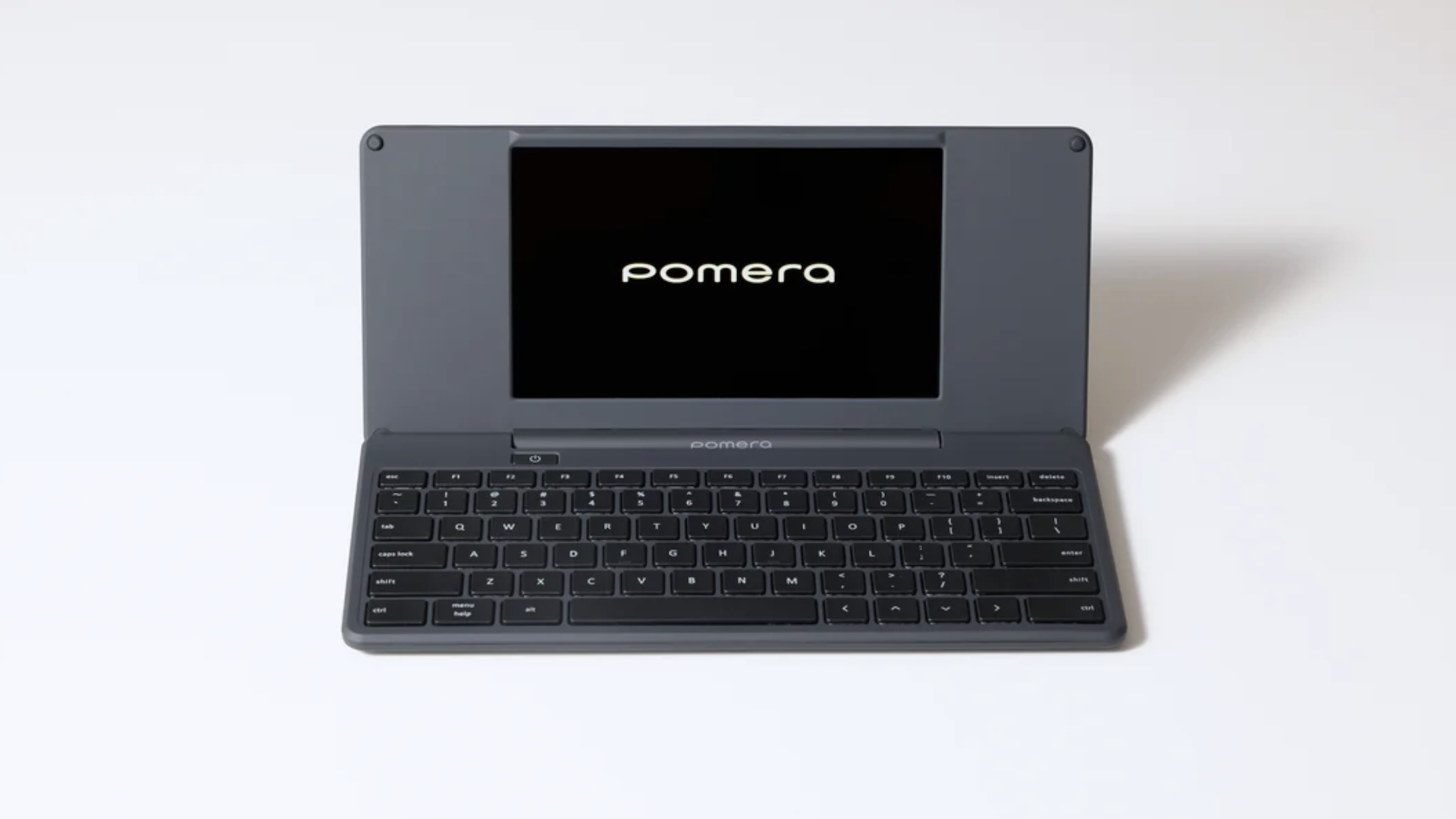
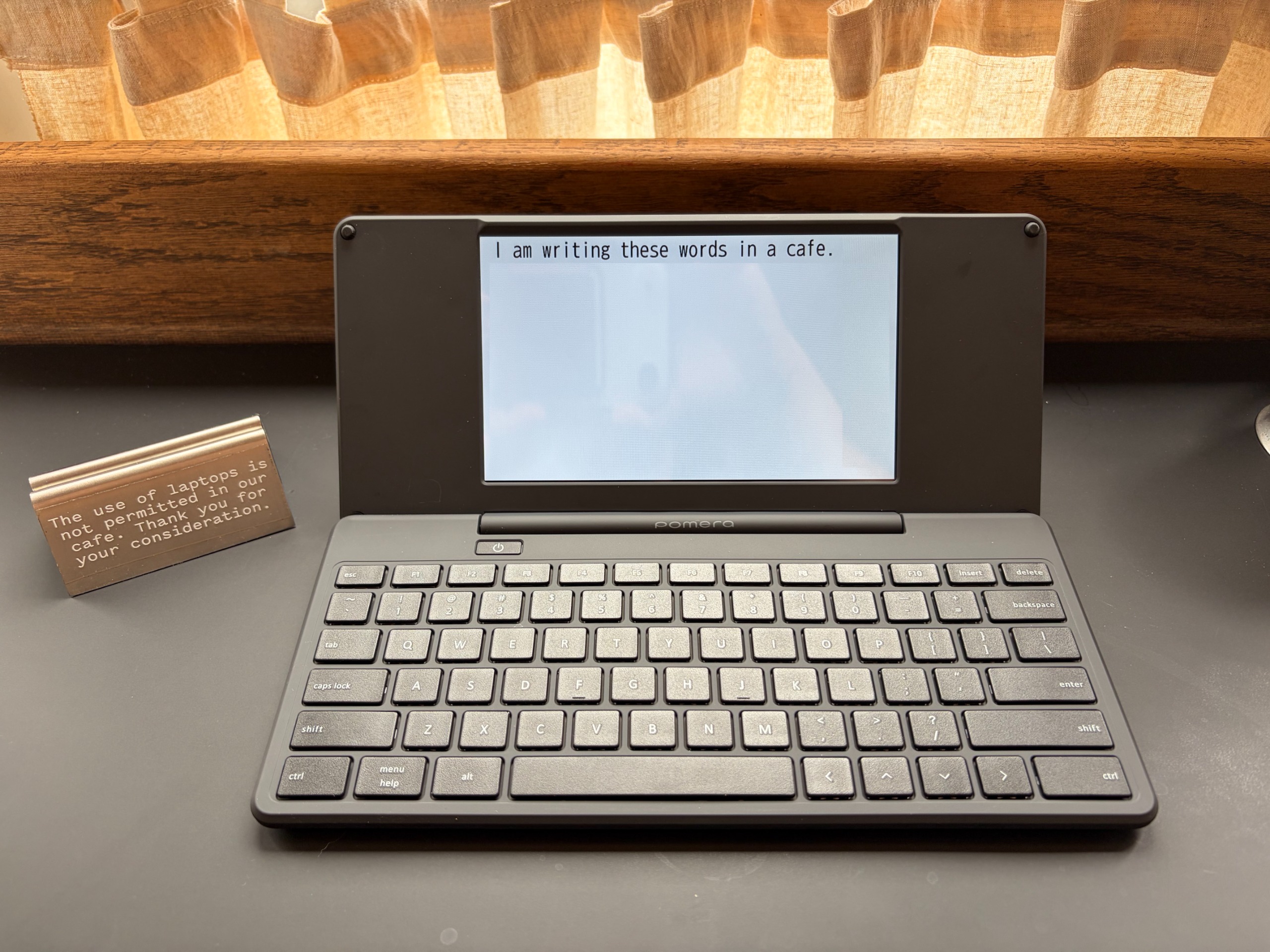
At its heart, the DM250 is a folding, portable text engine. When opened, it reveals a comfortable, full-sized keyboard and a crisp, high-resolution LCD screen. Unlike the E-ink displays found in its competitors—such as the Freewrite Traveller, which has faced significant criticism for its sluggish refresh rates—the Pomera’s LCD is immediate. Every keystroke appears instantly, providing a fluid, lag-free experience that mimics the immediacy of a traditional typewriter while offering the benefits of modern file management.
A Chronology of the Distraction-Free Movement
To understand the emergence of the Pomera DM250, one must look at the broader "digital detox" movement that has gained momentum over the last five years.
- 2015–2018: The early days of the "minimalist tech" movement saw the rise of the Freewrite brand, which introduced the concept of the "smart typewriter." These devices aimed to capture the nostalgia of the 1970s while integrating cloud syncing.
- 2019–2021: As remote work became the global norm, the boundaries between professional and personal digital spaces blurred. The "always-on" culture led to widespread burnout, fueling a market for devices that offered a reprieve from the ecosystem of the smartphone.
- 2022–2023: The market saw an influx of "dumbphones" (like the Light Phone) and e-ink tablets (like the reMarkable 2). These products proved that consumers were willing to pay a premium for hardware that intentionally limited their capabilities.
- 2024: The Pomera DM250 solidified its place in this landscape as the definitive tool for long-form writing. It moved beyond the "gimmick" phase and into the toolkit of serious novelists, journalists, and screenwriters who require a flow-state environment.
Technical Specifications and Performance
The Pomera DM250 is not merely a novelty; it is a well-engineered piece of hardware designed for reliability.
The Hardware Build
The device features a unique, compact clamshell design. When closed, it is roughly the size of a large paperback book, making it an ideal companion for commuters or travelers. The keyboard, while not mechanical in the "clicky" sense of a vintage IBM Model M, offers a tactile, sturdy response that encourages long writing sessions without the fatigue often associated with thin laptop membranes.
Software and Connectivity
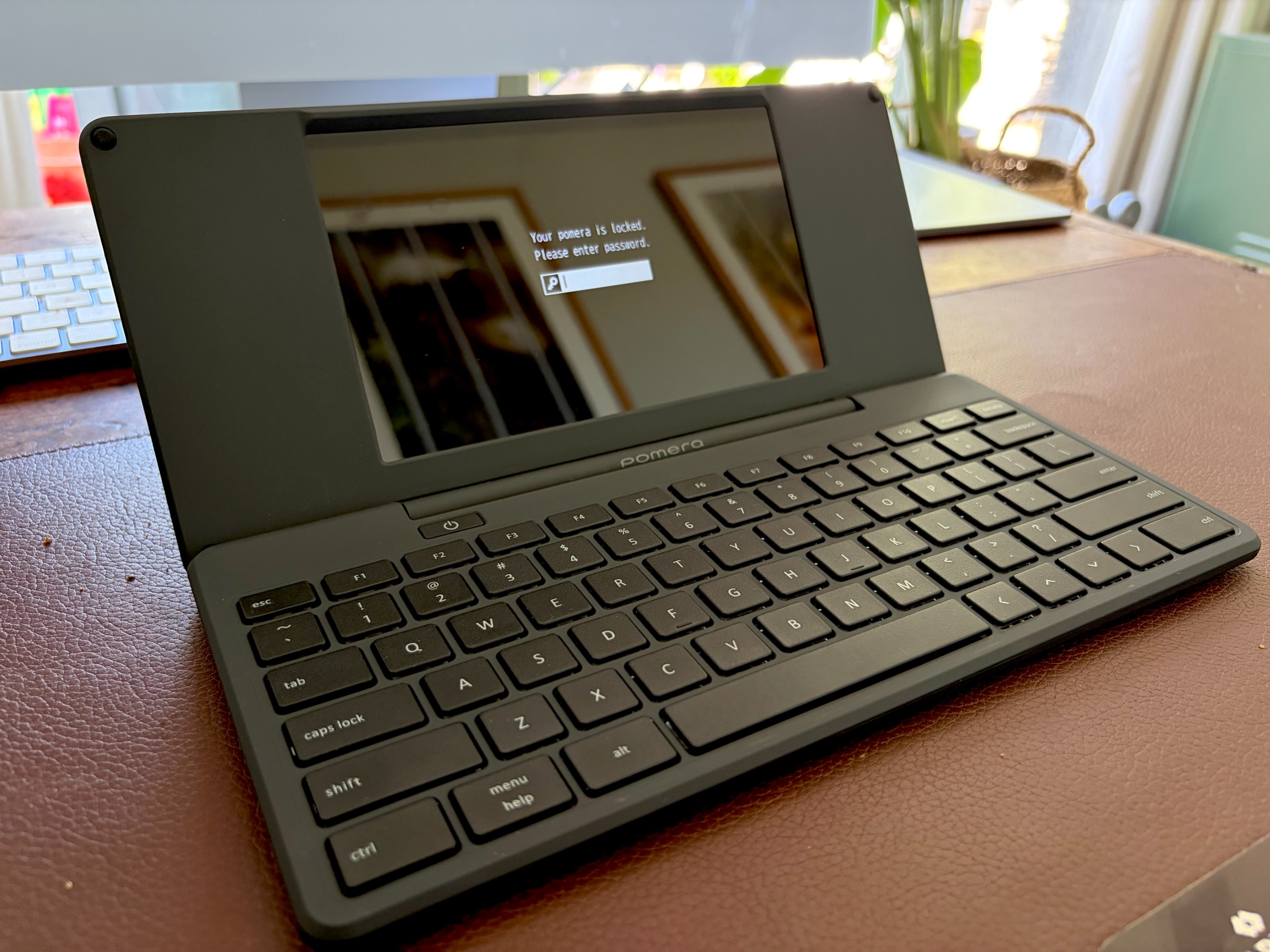
The operating system is a masterclass in minimalism. Upon startup, the user is greeted by a simple text file interface. It includes basic file management, allowing users to organize their drafts into folders. While it does possess Wi-Fi capabilities, it is intentionally crippled. The connection is used exclusively for transferring text files via email or proprietary sync services—a deliberate design choice that prevents users from using the device to browse the internet.
The "Flow" Factor
The most significant technical advantage the DM250 holds over a standard laptop is its boot time and battery life. It wakes instantly, meaning the "barrier to entry" for starting a writing session is essentially zero. There are no OS updates to wait for, no background processes hogging CPU, and no software-as-a-service pop-ups.
The Economics of Focus: Supporting Data
The rising popularity of the DM250 and its peers is supported by a growing body of psychological research regarding "context switching."
According to studies from the University of California, Irvine, it takes an average of 23 minutes and 15 seconds to return to a deep work task after an interruption. In a typical office environment, where a user might check their email or Slack every few minutes, they are essentially never in a state of true "deep work."
The Pomera DM250 acts as a hardware-based solution to this cognitive load. By creating an environment where the only available action is writing, it forces the user into a state of "flow." While the $549 price point may seem high for a device with limited features, proponents argue that the cost is justified by the gain in productivity. If a writer can complete a novel or a screenplay in six months instead of eighteen due to sustained focus, the device effectively pays for itself.
Industry Implications: The Rise of Single-Use Hardware
The success of the Pomera DM250 highlights a shifting trend in the tech industry. For decades, the mantra of "more is better" dominated—more features, more RAM, more pixels, more connectivity. Today, we are seeing the rise of the "Single-Use Device" (SUD) category.
This is not a step backward; it is a refinement of intent. Just as a professional photographer uses a dedicated camera rather than a smartphone for high-end work, writers are increasingly turning to dedicated hardware for high-end cognition. The implication for manufacturers is clear: there is a lucrative, underserved market for hardware that says "no" to the user as often as it says "yes."
Official Perspectives and User Experiences
The response from the writing community has been overwhelmingly positive, particularly among those who struggle with the "blank page syndrome" often exacerbated by the lure of the internet.
"When I open my laptop," notes one frequent user, "I see 40 open browser tabs, an incoming Slack notification, and a calendar alert for a meeting in ten minutes. When I open the Pomera, I see words. That’s it. It’s a sensory deprivation tank for my brain."
However, critics point out the high barrier to entry. At $549, the device is more expensive than a budget laptop or a high-end tablet, neither of which are "single-use." The challenge for the Pomera brand moving forward will be justifying this price tag to a broader audience that may not yet be convinced of the value of "analog-style" digital tools.
Conclusion: Is Focus Worth the Price?
The Pomera DM250 is a polarizing device. To the average consumer, it may seem like an overpriced, underpowered relic of a bygone era. But for the serious writer, it is a surgical tool.
In a world where our attention is the most valuable currency on the market, the DM250 offers a rare commodity: a private, quiet space in which to think. As the digital landscape becomes increasingly cluttered, the value of such a space will only continue to rise. Whether or not the DM250 becomes a mainstream staple remains to be seen, but its success thus far proves one thing: in a noisy world, there is nothing more powerful than the ability to focus on the task at hand.


 Siti Muinah
 Nana Wu