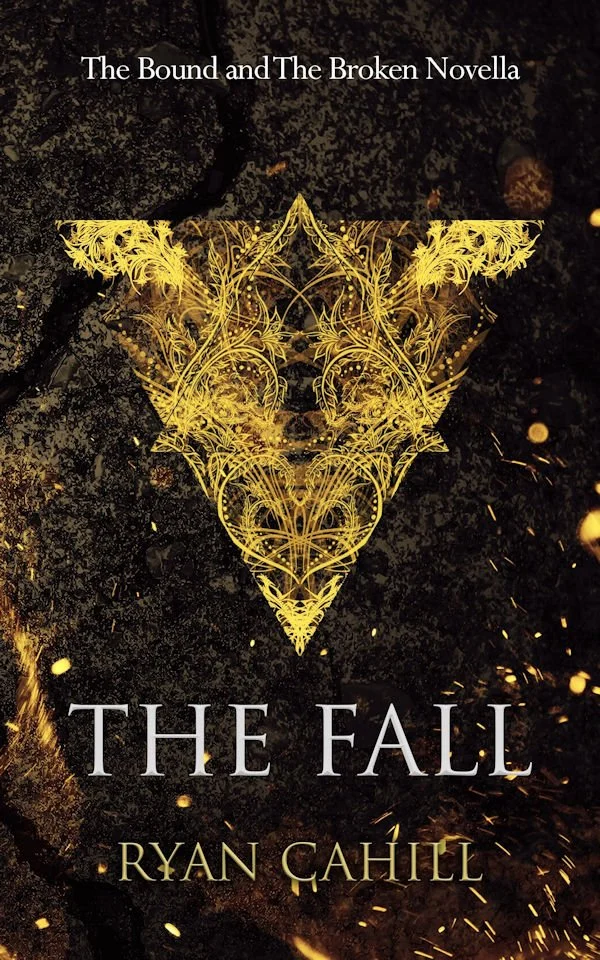
For thousands of years, the Order stood as the immutable bedrock of Epheria, a continent defined by ancient hierarchies and the lingering shadow of magic. Yet, as history has repeatedly taught, no institution is immune to the slow rot of corruption, decadence, and deceit. In his latest novella, The Fall, author Ryan Cahill invites readers to witness the precise moment the foundation of this world begins to buckle. A vital entry in The Bound and the Broken series, The Fall serves as a masterclass in narrative restraint, proving that the most cataclysmic events are often best viewed through the lens of quiet, human tragedy.
The Crucible of Ilnaen: A Narrative Overview
At its core, The Fall is a story of inevitable decline. While the city of Ilnaen burns and dragons tear through the skies, the true stakes of the narrative are not found in the spectacle of combat, but in the psychological unraveling of those who have spent their lives in service to a failing system.
Cahill shifts the perspective away from the grand, sweeping heroics often found in high fantasy, focusing instead on the fallout. By setting the novella before the events of his debut novel, Of Blood and Fire, Cahill provides a necessary prequel that does not merely act as an origin story, but as a deliberate recontextualization of the entire series. The narrative tension is derived not from "what will happen," but from the harrowing realization that the tragedy is already underway.
Chronology: Understanding the Place of The Fall in Epheria’s History
To understand the significance of this work, one must situate it within the broader timeline of The Bound and the Broken.
- The Age of the Order: The multi-millennial period where the Order maintained absolute, if increasingly detached, control over Epheria.
- The Inciting Unrest: The period covered by The Fall, characterized by internal betrayal and the fraying of public trust in the Order’s mandate.
- The Collapse: The culmination of the events in the novella, where the systemic rot is exposed, setting the stage for the narrative arc of the main series.
- The Era of Of Blood and Fire: The post-collapse reality where the main saga of the series truly takes root.
By placing The Fall in this specific chronological slot, Cahill ensures that readers are not merely watching a historical footnote. Instead, they are experiencing the tectonic shift that makes the world of The Bound and the Broken feel so perilous and lived-in.
Supporting Data: The Craft of the Novella
Clocking in at under 30,000 words, The Fall is a lean, aggressive piece of storytelling. While some readers might crave the expansive world-building found in the main series, the novella’s brevity is its greatest strength.
The Aesthetics of Restraint
In an era where fantasy prequels often fall into the trap of "explaining too much"—drowning the reader in lore and unnecessary spectacle—Cahill takes the harder, more rewarding path. He avoids the "shouting" style of narrative, where every plot beat is signaled with neon lights, opting instead for a whisper-quiet approach to tension.
- Characterization: The focus remains on intimacy. Relationships, memories, and personal legacies are the primary vehicles for the plot.
- Atmosphere: The "epic carnage" is relegated to the periphery. By keeping the fire and the dragon-fire on the edges of the frame, Cahill forces the reader to confront the emotional weight of the protagonists as they process the end of their world.
- Trope Ownership: The novella embraces the "familiar fantasy DNA"—fallen kingdoms, the weight of history, and dragons. However, it avoids feeling derivative by utilizing these tropes with an air of sincerity and purpose.
Examining the Author’s Intent: Perspectives from the Literary Field
Critics and scholars of the genre have noted that The Fall succeeds because it trusts the reader’s intelligence. Tom Joyce, writing for Fantasy Faction, highlights the intentionality behind Cahill’s prose, noting that the novella is "designed to make us care, and then creep out quietly."
When asked about the role of the prequel, Cahill has often emphasized that a prequel should not just fill in the blanks of a wiki page. Instead, it should add a "heaviness" to the main narrative. By the time a reader returns to Of Blood and Fire after finishing The Fall, every mention of the Order, every reference to the past, and every character interaction carries a new, darker meaning. The novella acts as a filter, shifting the reader’s perception of the established lore.
Implications for the Series: A Retrospective Resonance
The true genius of The Fall is found in how it gains power through time. As a standalone piece, it is a poignant, self-contained tragedy. However, as part of the wider Bound and the Broken tapestry, it serves as an emotional anchor.
Reshaping the Future
- Contextual Depth: The betrayal that feels like a singular event in the novella becomes a systemic warning in the main books.
- Emotional Stakes: By establishing the "fall" before the reader is introduced to the "rise" of the protagonists in the main series, Cahill makes the stakes feel far more personal.
- Narrative Echoes: Small, contained moments in the novella begin to ripple outward, explaining the motivations of antagonists and the disillusionment of the common people in later volumes.
Conclusion: Why The Fall Matters
The Fall will not be remembered as a groundbreaking departure from the fantasy genre, nor does it attempt to be. Its ambition is more controlled, more precise, and ultimately more effective. It establishes a tone of somber, grounded realism that serves as the foundation for one of the most remarkable fantasy series of the last decade.
For those who have yet to dive into The Bound and the Broken, The Fall provides a perfect, low-barrier entry point into a world defined by its complexity and its humanity. For those already familiar with the continent of Epheria, the novella is an essential bridge, providing the missing context that makes the tragedy of the Order not just a story of a fallen empire, but a deeply human tale of loss and legacy.
In a genre often obsessed with the "next big thing," Ryan Cahill reminds us that sometimes, the most profound stories are those that look backward with clarity, purpose, and a quiet, aching sincerity. The Fall is, without question, a vital stepping stone on a much larger, more epic journey—a testament to the fact that to understand where a world is going, one must first look at how it began to crumble.