

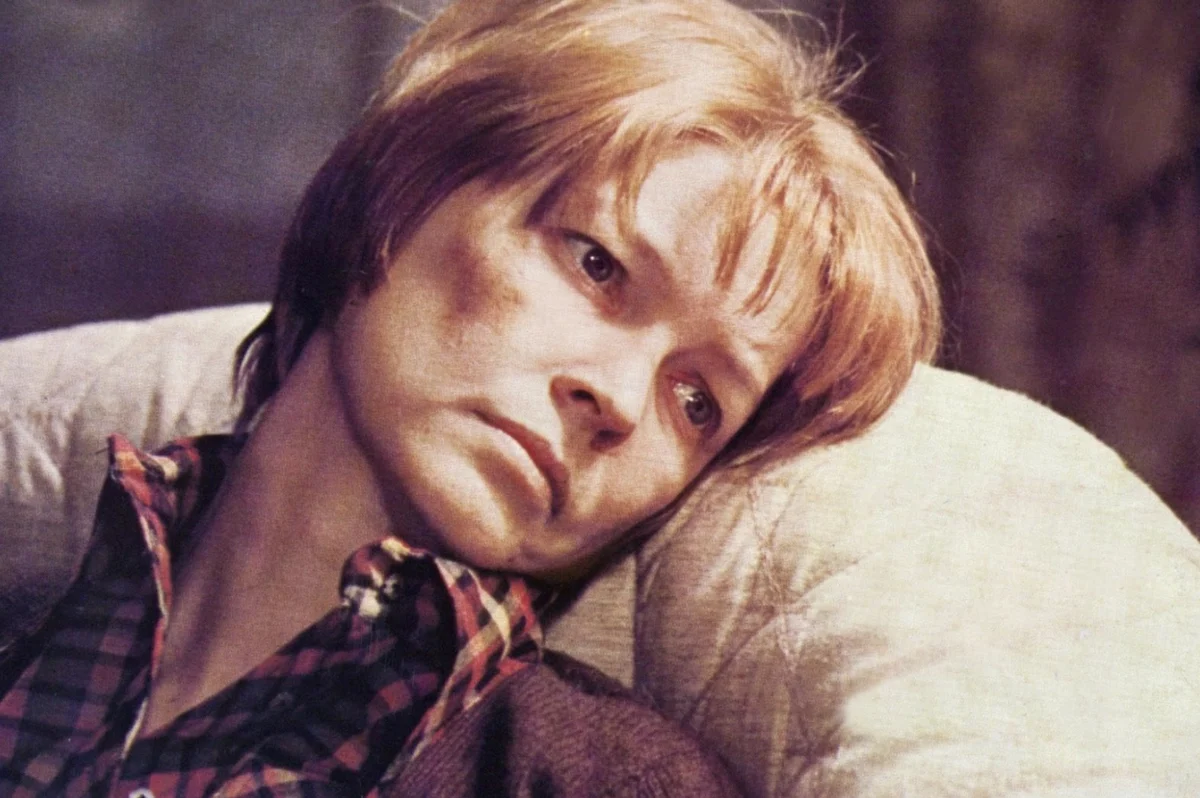
There is a unique, visceral quality to horror cinema that transcends mere jump scares and practical effects. It is the subtle, creeping realization that the nightmare unfolding on screen—no matter how stylized or supernatural—finds its roots in the cold, hard soil of reality. When audiences realize that a story is "based on true events," the psychological barrier between the viewer and the screen dissolves. The fear shifts from the external to the internal; it is no longer just a movie, but a reflection of the darkness that human beings are capable of, or the unexplained phenomena that continue to baffle science.
From the haunting echoes of historical crimes to the harrowing survival stories that defy logic, filmmakers have long looked to the real world to craft their most terrifying narratives. Below, we explore the origins, implications, and legacies of 14 iconic horror films that were birthed from tragedy and mystery.
The Genesis of Terror: Why Realism Works
The effectiveness of a horror film often rests on its grounding in the familiar. When a director mirrors a known tragedy, they aren’t just telling a story; they are tapping into a collective cultural trauma. Whether it is the isolation of the Australian outback or the claustrophobic terror of a home invasion, these films leverage our innate understanding of human vulnerability.
Chronology of Cinematic Nightmares
To understand how these films evolved, we must look at the timeline of their inspirations. While early horror focused on gothic fiction, the late 20th century saw a shift toward "true crime" horror, where the monster was no longer a vampire or werewolf, but a neighbor, a cult leader, or an unseen spirit.

Deep Dive: The Inspirations Behind the Screen
1. The Amityville Horror (1979)
Perhaps the most famous haunted house story in American history, The Amityville Horror is rooted in the 1974 mass murder of the DeFeo family in Long Island. Following the tragedy, the Lutz family moved into the home, only to flee 28 days later, claiming they were terrorized by demonic entities. While the veracity of the Lutz claims has been debated for decades, the film cemented the house at 112 Ocean Avenue as a cultural landmark of the paranormal.
2. The Conjuring (2013)
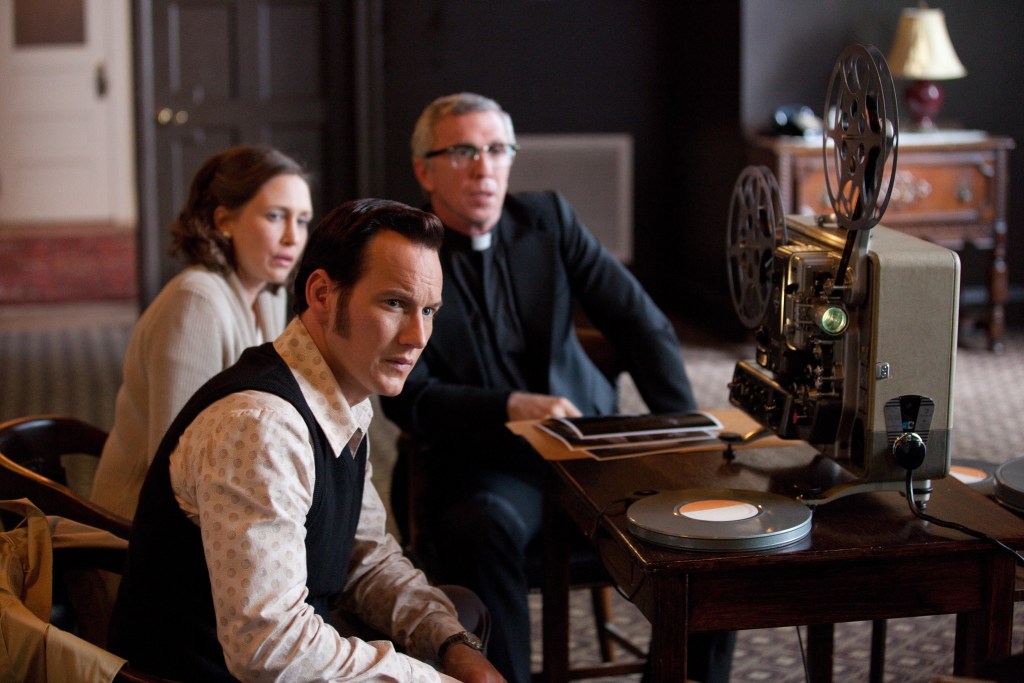
James Wan’s blockbuster hit brought the real-life investigations of Ed and Lorraine Warren into the mainstream. The film depicts the 1971 haunting of the Perron family in Harrisville, Rhode Island. The case remains one of the Warrens’ most publicized, involving claims of a malevolent spirit known as Bathsheba Sherman.
3. The Exorcist (1973)
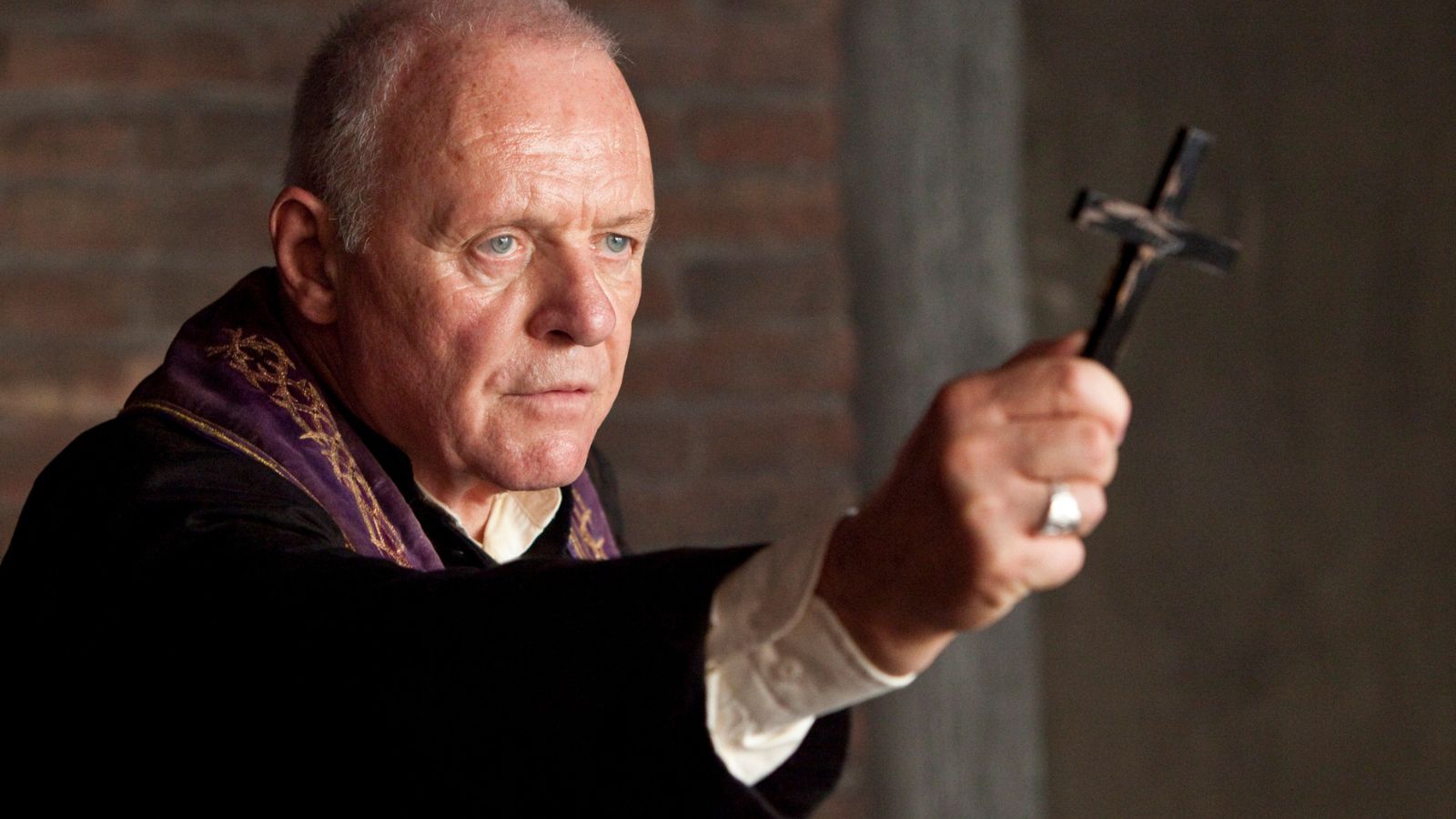
William Friedkin’s masterpiece is based on the 1949 exorcism of "Roland Doe." The case was documented by Jesuit priests in Maryland and St. Louis, involving reports of violent outbursts, speaking in tongues, and physical manifestations. The film’s focus on the loss of faith and the corruption of innocence remains a cornerstone of the genre.
4. The Rite (2011)
Moving away from the supernatural thriller toward a more clinical look at the Catholic ritual, The Rite draws inspiration from Father Gary Thomas. His training in Rome under experienced exorcists provides a grounded, if still unsettling, look at how the Church approaches the concept of possession in the modern age.
5. The Strangers (2008)
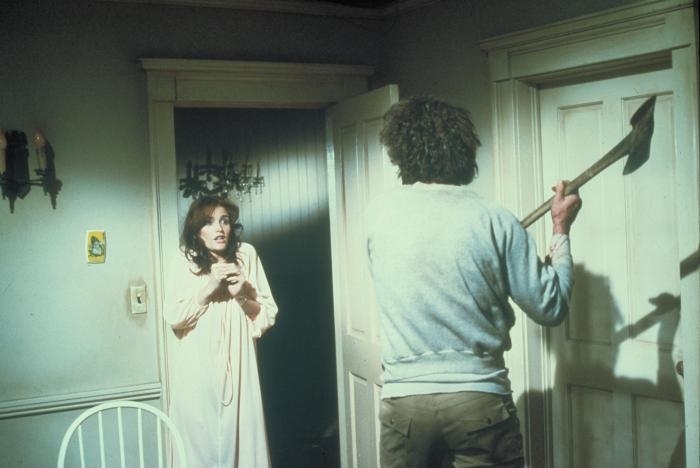
Director Bryan Bertino based the home invasion premise on two distinct real-world influences: the Manson Family murders and a series of random, inexplicable break-ins that occurred in his childhood neighborhood. The film’s terror lies in its central question: "Why are you doing this?" with the chilling response, "Because you were home."
6. The Texas Chain Saw Massacre (1974)
While the character of Leatherface is a cinematic invention, his aesthetic and personality were heavily influenced by Ed Gein. Gein, a Wisconsin serial killer, was discovered to have fashioned masks, furniture, and household items from the remains of his victims, a fact that remains one of the most stomach-churning revelations in true crime history.
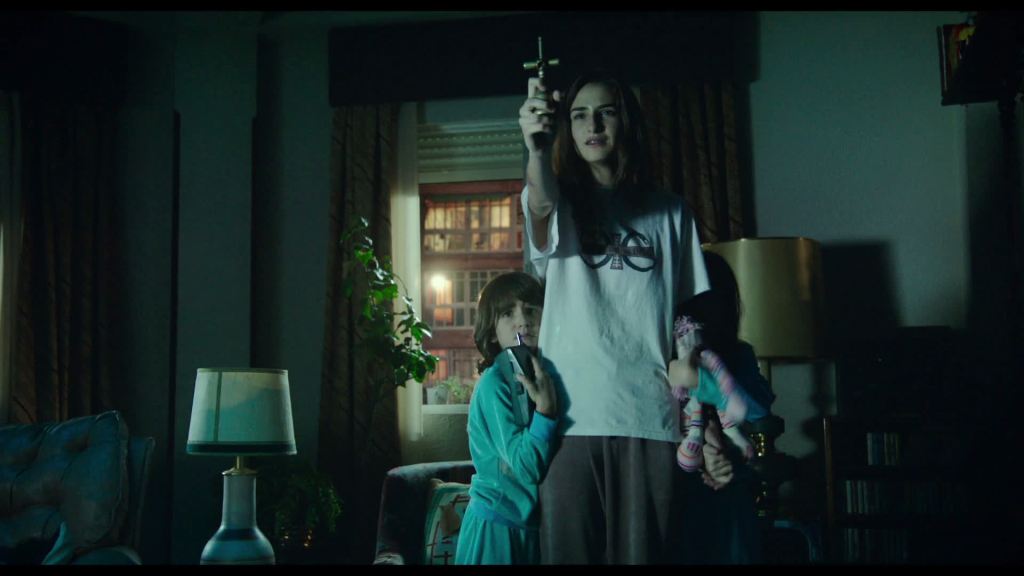
7. Veronica (2017)
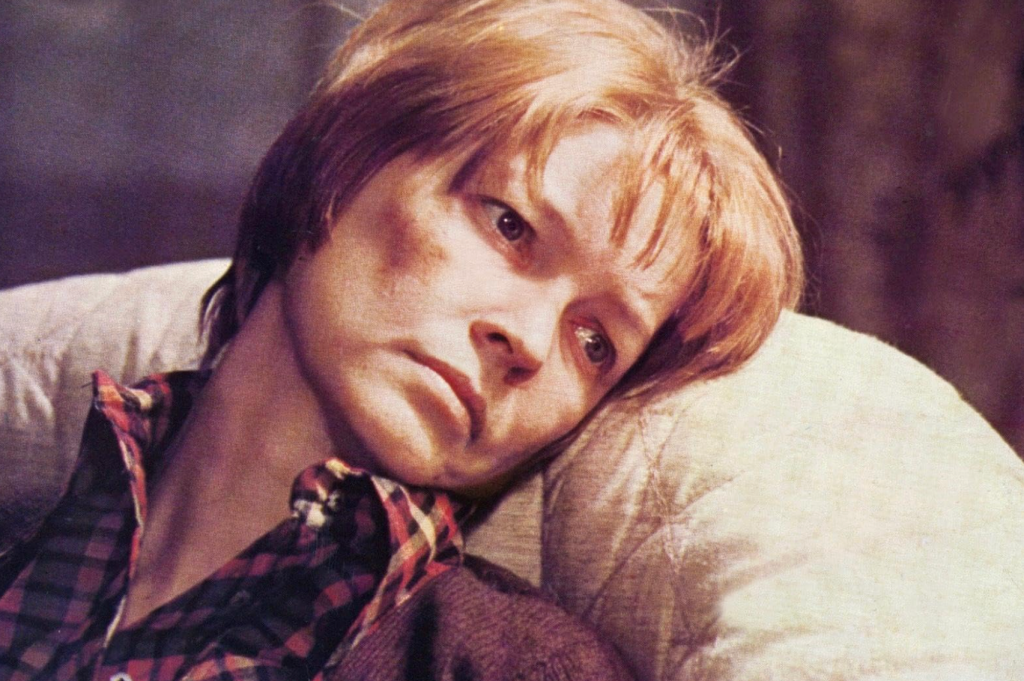
Based on the "Vallecas Case" in Madrid, this film follows the mysterious death of a teenager after a séance. It remains one of the few instances where a Spanish police report officially documented "unexplained" activity, lending a shroud of institutional mystery to the supernatural proceedings.
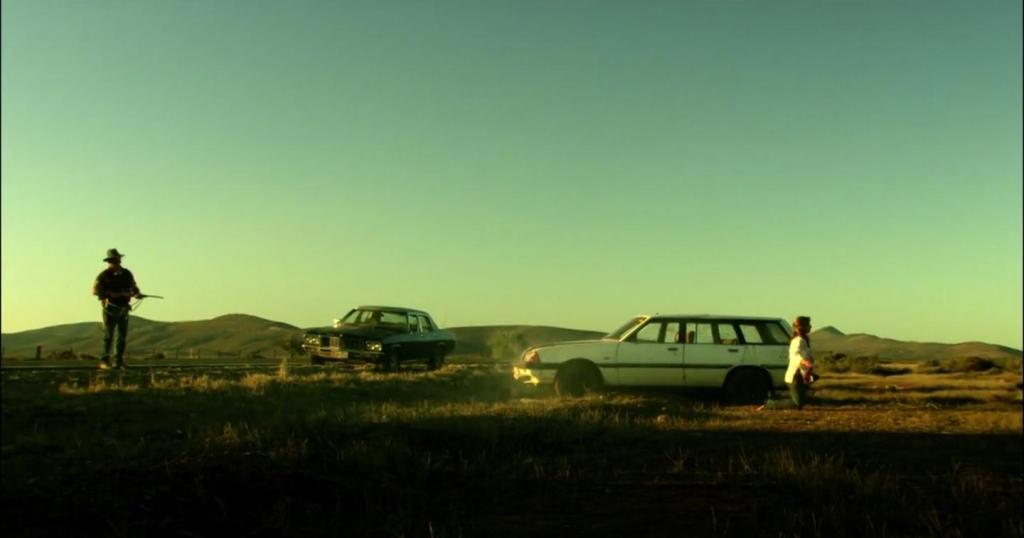
8. Wolf Creek (2005)
This Australian film highlights the dangers of the vast, unforgiving outback. It draws inspiration from the crimes of Ivan Milat, the "Backpacker Murderer," and Bradley Murdoch, who targeted tourists. It serves as a grim reminder that in the wild, there is often nowhere to run.
9. Zodiac (2007)
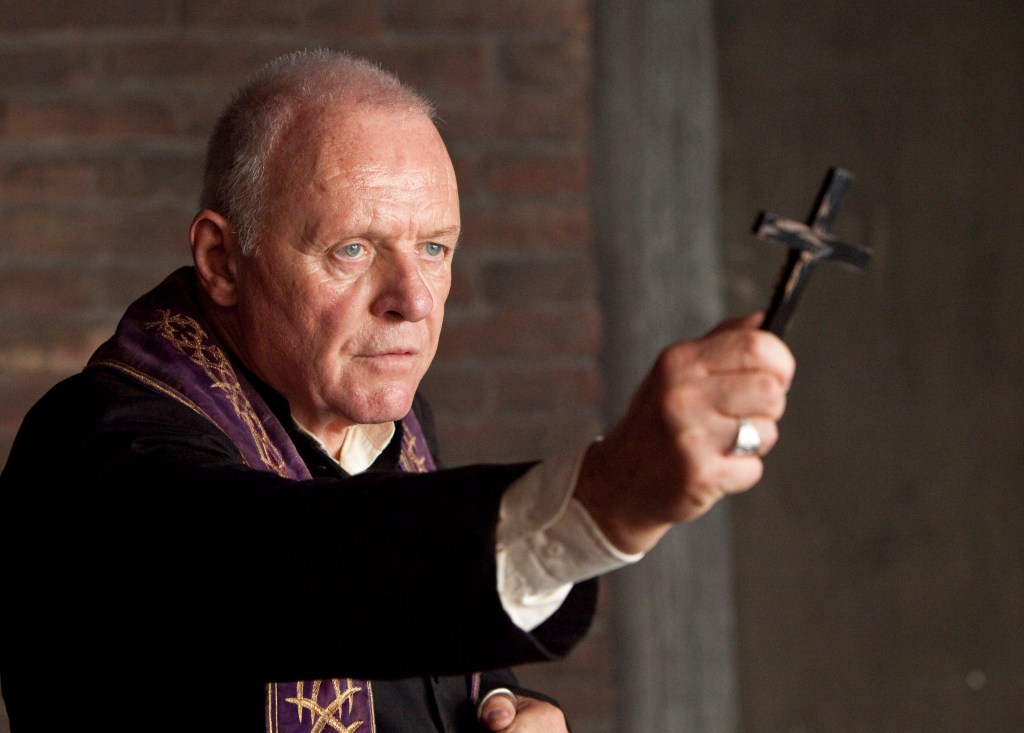
While David Fincher’s film functions as a procedural, its horror stems from the reality of the Zodiac Killer, who terrorized Northern California in the late 1960s. The film’s focus on the obsession of those trying to catch him highlights the lingering, unresolved trauma of a community that never received closure.
10. A Nightmare on Elm Street (1984)
Wes Craven’s surreal slasher was born from a series of reports regarding Southeast Asian refugees who died in their sleep after experiencing vivid, terrifying nightmares. This "Asian Death Syndrome" provided the perfect seed for a villain who could kill victims in their most vulnerable state: while dreaming.
11. Borderland (2007)
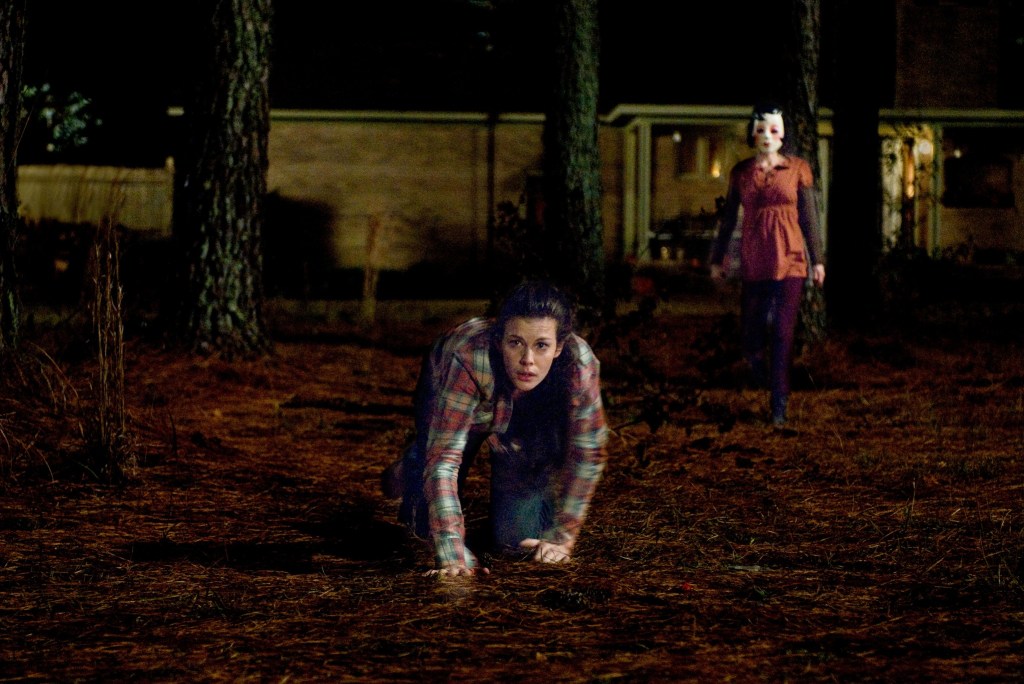
This film explores the dark underbelly of ritualistic crime, drawing from the real-life activities of Adolfo Constanzo and his cult in Mexico during the 1980s. The cult’s involvement in drug trafficking and human sacrifice shocked the world, proving that some of the most dangerous monsters are humans driven by fanatical beliefs.
12. Deliver Us from Evil (2014)
Ralph Sarchie, a former NYPD sergeant, claimed that his real-life police work often intersected with the demonic. This film adapts his accounts, bridging the gap between gritty urban crime drama and traditional theological horror.
13. Jaws (1975)
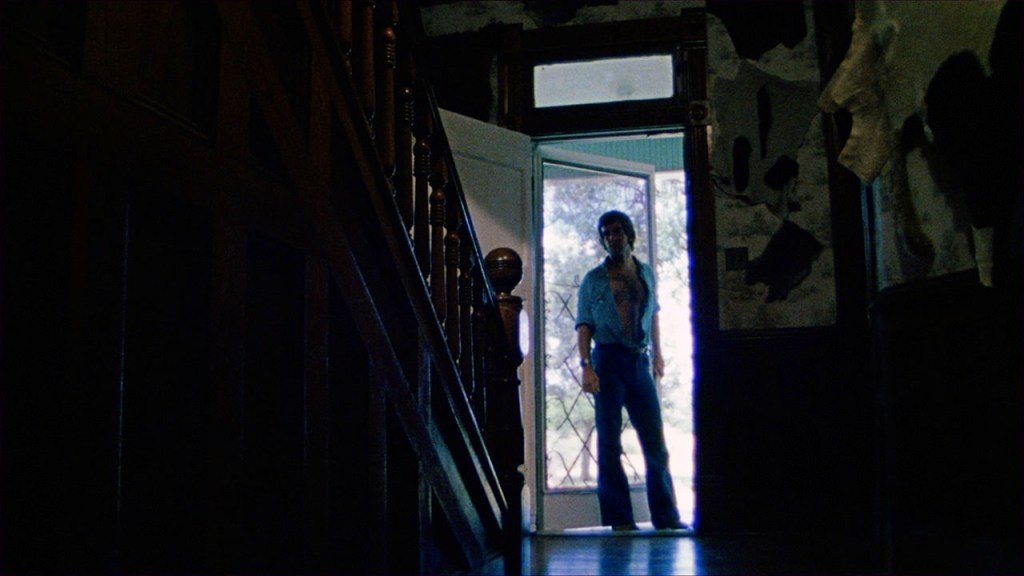
The film that invented the summer blockbuster was inspired by the 1916 Jersey Shore shark attacks. The incident caused a national panic, leading to a massive hunt for the shark and changing the public’s relationship with the ocean forever.
14. Open Water (2003)
Perhaps the most claustrophobic of the bunch, this film depicts the tragic 1998 disappearance of Tom and Eileen Lonergan, who were left behind during a diving trip in the Great Barrier Reef. The film serves as a brutal examination of human survival, isolation, and the indifference of nature.
Official Responses and Ethical Implications
The trend of "based on a true story" horror is not without controversy. Families of victims often voice concerns about the exploitation of their loved ones’ traumas for profit. For instance, the families involved in the Amityville or Conjuring cases have faced decades of scrutiny, public ridicule, and the constant dredging up of painful memories.
Furthermore, filmmakers face the ethical challenge of how much to fictionalize. Is it acceptable to change details for the sake of pacing? Does the label "based on true events" carry a responsibility for factual accuracy? Critics argue that when cinema leans too heavily on the "truth" of a horrific crime, it risks turning human suffering into a commodity for entertainment.
Conclusion: The Mirror of Our Own Fears
Ultimately, these 14 films persist in our cultural consciousness because they confirm our worst suspicions: that the world is an unpredictable place where the line between reality and nightmare is perilously thin. By examining these stories, we aren’t just watching horror—we are confronting the reality that, under the right (or wrong) circumstances, the unthinkable can happen to anyone.
As long as the world remains filled with unexplained events and human cruelty, horror cinema will continue to find its most potent source material not in the imagination of the screenwriter, but in the pages of history books and the shadows of our own neighborhoods. The monsters we fear most are often the ones that have walked among us.











No comments yet. Be the first to join the conversation!