In the latest installment of the HBO Max series Lanterns, titled "OutKast," the narrative shifts gears to provide a harrowing, deeply intimate look at the formative years of John Stewart. Moving away from the current mystery, the episode serves as a character study that recalibrates the audience’s understanding of what it means to be a Green Lantern. Through a non-linear narrative structure, the show explores how a lifetime of emotional discipline, parental expectation, and systemic trauma shaped the man who would eventually wield the ring.
The Interview: A Crucible of Memory
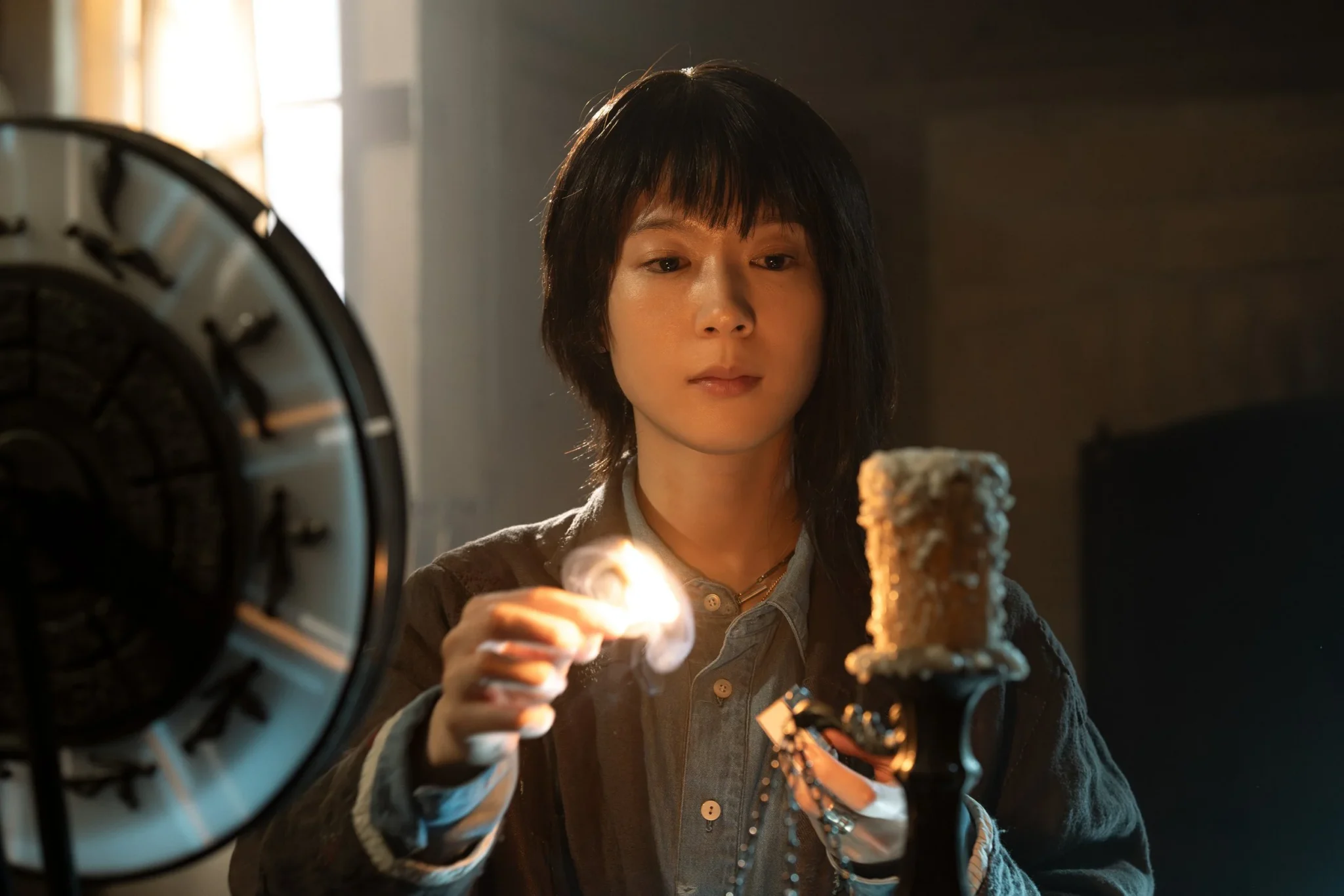
The episode opens in a state of suspended animation. John Stewart, having navigated a literal descent through an abandoned shopping mall, finds himself in a backroom office facing Lianna, a Guardian of the Universe played with chilling detachment by Laura Linney. The premise of the scene is simple yet profound: an interrogation to determine John’s fitness for the Green Lantern Corps.
John is tasked with sitting in a chair, waiting for instructions. He remains there for an entire day and an overnight cycle. His ability to endure this stagnant, pressure-cooker environment serves as the primary indicator of his suitability for the role. As the interview progresses, the narrative fractures into two distinct temporal threads: the suffocating intensity of John’s childhood and the professional betrayal that led to his dishonorable discharge from the United States Marine Corps.

Chronology: A Life Built on Duty
The biographical arc of John Stewart is presented not as a series of fortunate events, but as a project—a manufactured destiny.
The Childhood Project
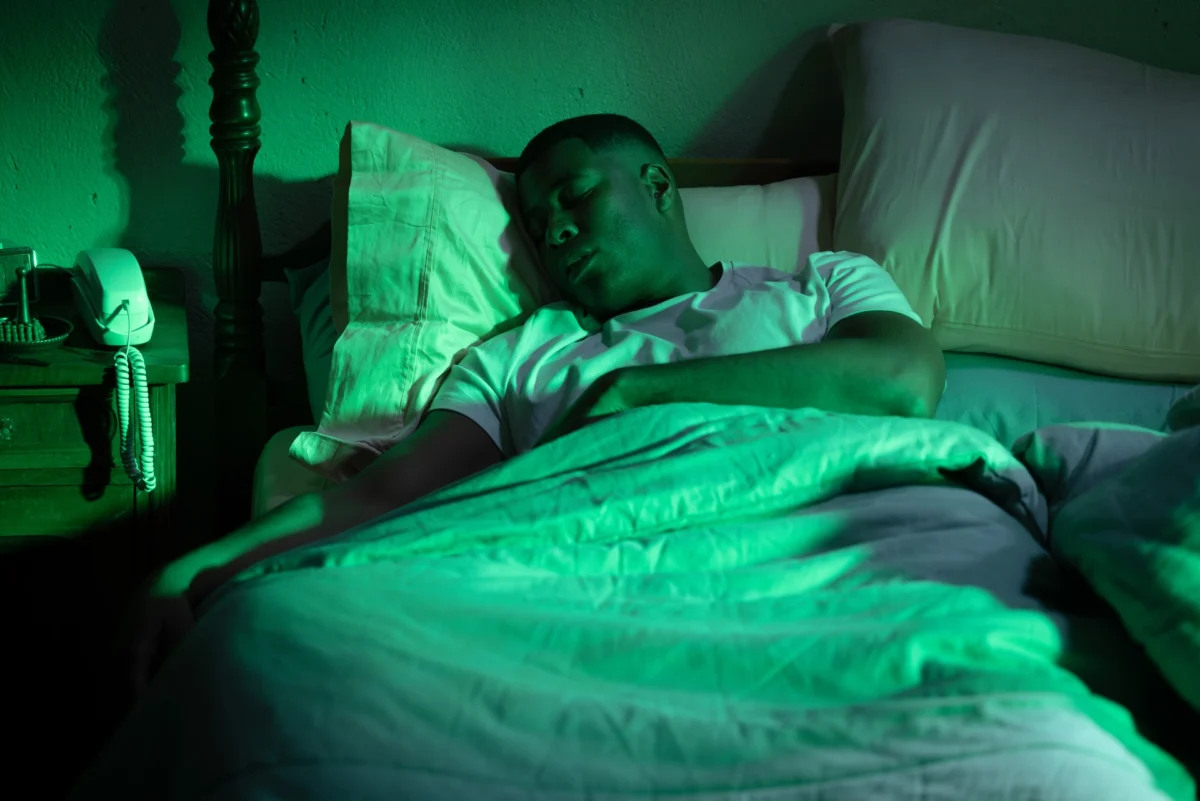
John Stewart’s upbringing, under the guidance of his mother, Bernadette (Jasmine Cephas Jones), and father, John Sr., was defined by a singular, obsessive goal: the eradication of fear. The backstory reveals that John Sr. was an early candidate for the Green Lantern Corps. During his own interview, he was snatched from his bed and subjected to an alien simulation. His honest admission of fear resulted in his rejection, a failure that shattered his family’s stability and led to a desperate, life-long attempt to mold his son into something "better."
Bernadette, recognizing the cold, alien nature of the Guardians, took it upon herself to train John to be "fearless." This training was psychological warfare disguised as parenting:

- The Apple Test: A recurring motif where John is forced to shoot an apple off his father’s head, and later, his mother’s.
- The Surveillance Myth: Bernadette convinced young John that birds were messengers for the Guardians and that satellite equipment in their home connected them to the cosmos.
- Social Isolation: John was discouraged from pursuing artistic hobbies (like drawing) in favor of rigorous, cold-blooded training. His brothers, sensing the disparity in treatment, grew to resent him, viewing his cold, "perfect" demeanor as an abandonment of their shared Black identity.
The Marine Corps Betrayal
The adult thread of John’s life is equally tragic. As a highly skilled Marine sniper, John was deployed to Russia to eliminate a high-value target. His mission was a masterclass in survival; he spent nine months in the wilderness, sustaining a serious injury while waiting for his window of opportunity.
The mission was undermined not by the enemy, but by the intervention of Hal Jordan. Jordan, acting on flawed intelligence, bombed the compound, effectively stealing the kill and creating an international incident. To protect the U.S. government from the fallout of Jordan’s recklessness, the military brass chose a convenient scapegoat: John Stewart. He was dishonorably discharged, his service record stained by an act he didn’t commit, all while the "heroes" of the world remained shielded by their own legend.
Supporting Data: The Cost of Numbness
The brilliance of "OutKast" lies in its examination of "emotional regulation." The Guardians, as immortal, alien beings, view fear as a weakness to be purged. However, the human cost of this purge is total emotional atrophy.

By demanding that John never feel fear, his parents inadvertently taught him to never feel anything. This explains his stoic demeanor during the interview with Lianna. When he claims he doesn’t care about leaving his family behind, it is not because he is unloving; it is because he has been conditioned to treat human connection as an unnecessary variable in the equation of duty.
The music of the Atlanta hip-hop group OutKast serves as an evocative soundtrack to John’s youth, highlighting the irony of the title. John is an "outkast" in every sense—estranged from his siblings, disconnected from his own desires, and eventually alienated from his country.
Official Perspectives and Revelations
During the interview, Lianna provides crucial context that challenges John’s perception of his predecessors. John, ever the loyal soldier, maintains that he bears no ill will toward Hal Jordan. Lianna, however, corrects this narrative, revealing that the Guardians themselves harbor deep concerns regarding Jordan’s penchant for reckless interference in Earth’s affairs.

Furthermore, the episode touches upon the complex dynamic between Hal Jordan and his mentor, Sinestro. Lianna reveals that Jordan’s inability to let go of his mentor—even after a betrayal—is a weakness that the Guardians find problematic. For John, this is an eye-opening moment: he realizes that the "legendary" Green Lanterns are just as flawed, emotionally stunted, and prone to error as any human.
Implications: The Burden of the Ring
The episode concludes with a chillingly poignant moment. John, finally accepted into the Corps, returns home to find Hal Jordan already there, sitting at his kitchen table. Jordan, in a moment of casual arrogance, makes it clear that he has no interest in a sidekick or a partner. He effectively dismisses John’s potential, soaring into the sky and leaving the young, newly minted hero in the dust.
The implications for the series are significant:

- A Dysfunctional Mentorship: The relationship between Jordan and Stewart is established as inherently antagonistic, built on a foundation of professional resentment and differing philosophies of duty.
- The Question of Agency: John has spent his entire life being molded for a "destiny" he did not choose. Now that he has the ring, he faces the ultimate existential crisis: does he continue to follow the orders of the Guardians, or does he finally define his own path?
- Systemic Reflection: Through the dialogue between Bernadette and Lianna, the show highlights the inherent tension of a Black man being recruited into an organization that, while universal, operates with the blind spots of an colonial power. Bernadette’s confrontation with the white-presenting Guardian serves as a reminder that systemic injustice follows even those who reach for the stars.
"OutKast" is a bold departure for the Lanterns series. By prioritizing the internal landscape of its protagonist over the external spectacle of cosmic warfare, the show has raised the stakes. We are no longer watching a standard superhero origin; we are witnessing the reclamation of a man who was trained to be a tool, now forced to decide if he can be a person. Whether John Stewart will overcome the "numbness" ingrained in him by his parents and the military remains the most compelling question of the season.