

By Chris Robinson
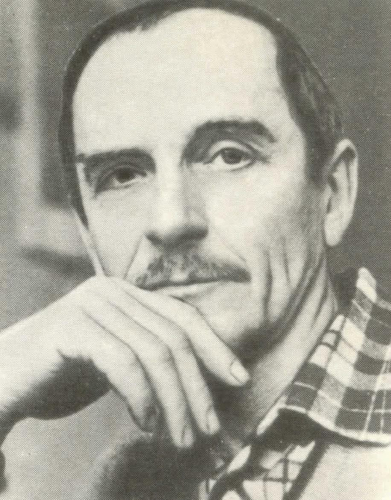
It is a rare testament to a life well-lived when one’s legacy is not merely etched into history books but permanently inked onto the skin of the next generation. We are not speaking of the transient icons of pop culture—movie stars, stadium-filling musicians, or championship athletes—but of a quiet, intellectual titan of the screen. Yevhen Syvokin, the venerable Ukrainian director, animator, artist, and educator, passed away on May 5, 2026, just two days before his 89th birthday.
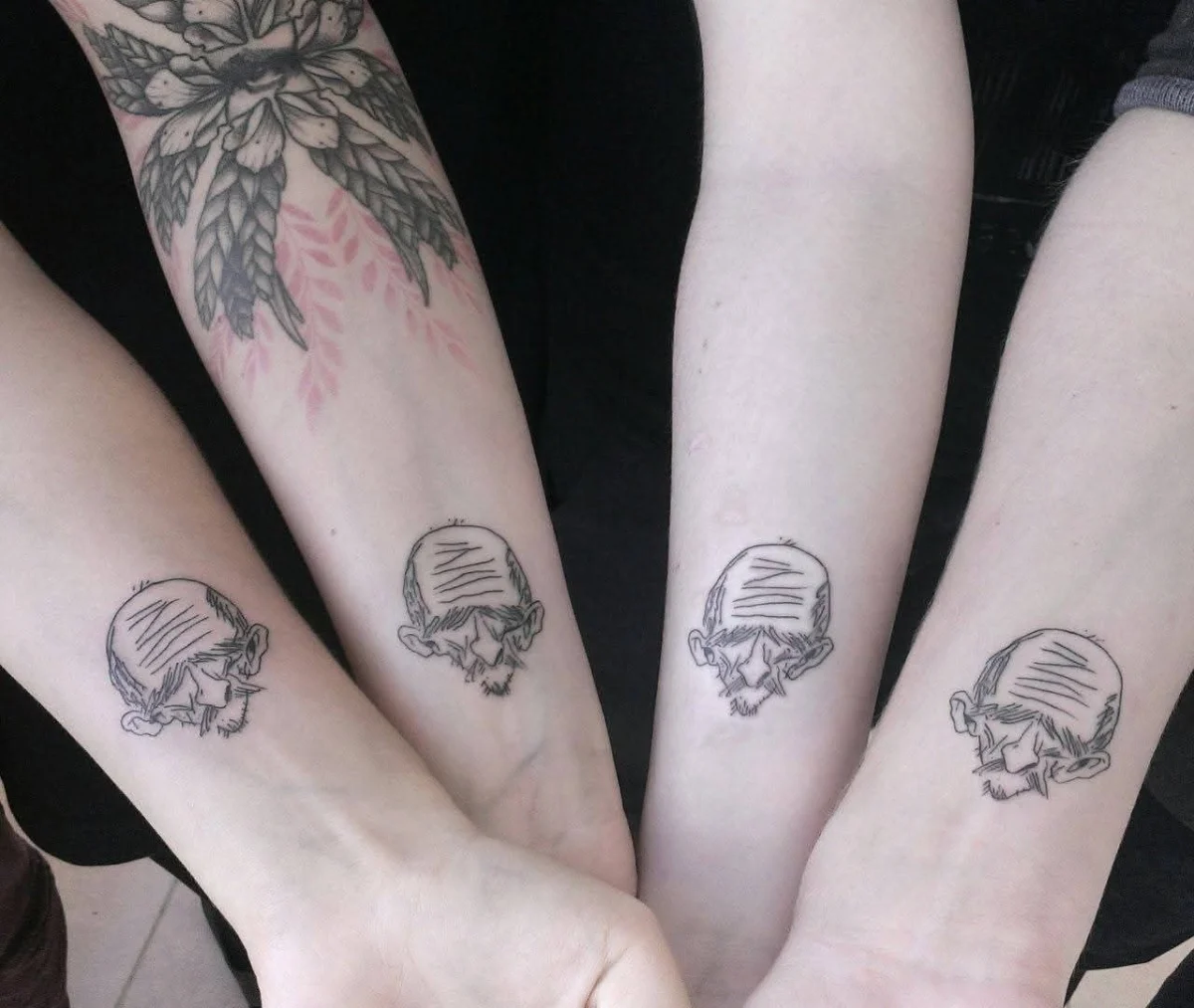
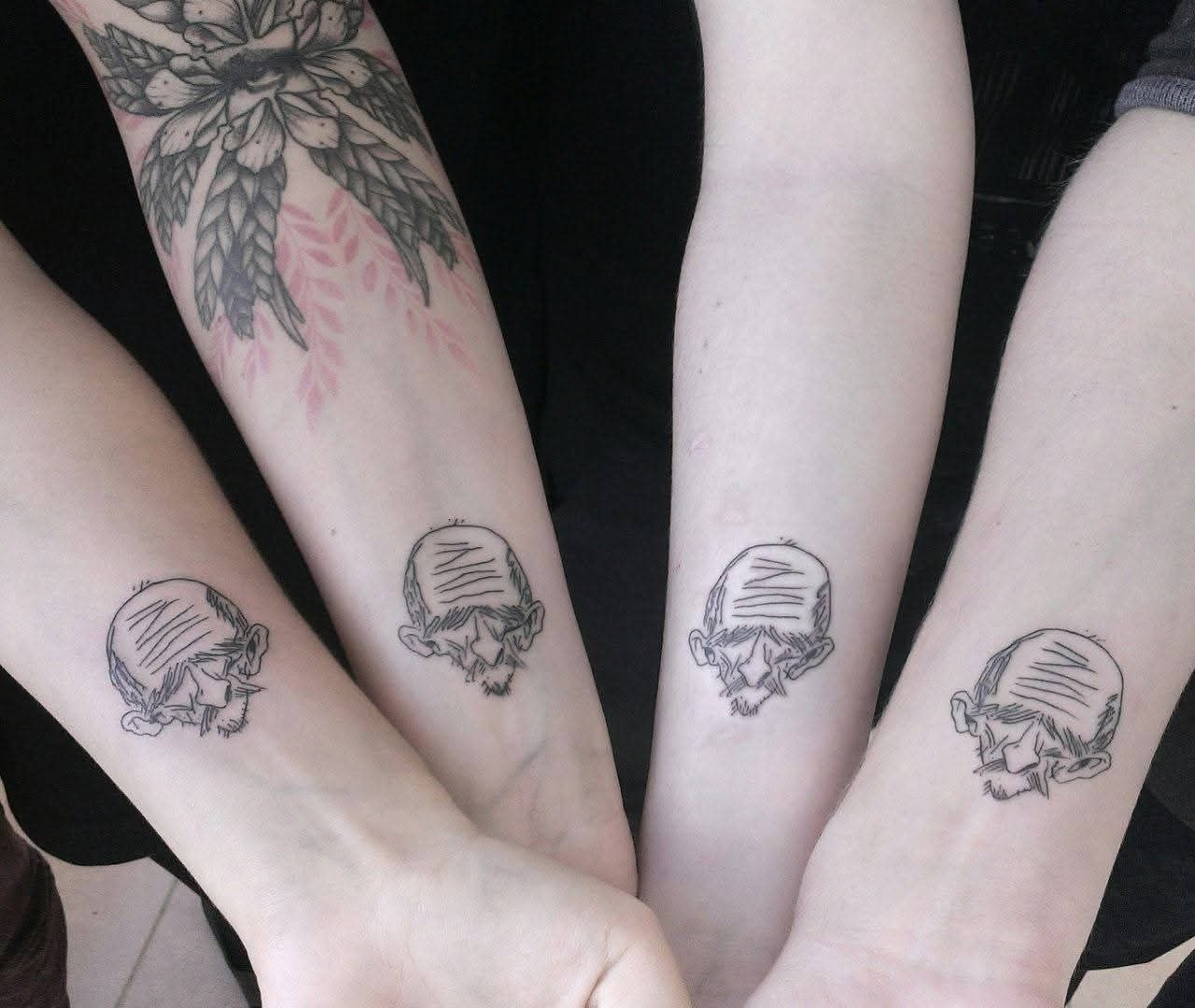
His passing marks the end of an era for Eastern European animation, yet his influence remains vibrant, literalized in the matching tattoos worn by his former students—a surreal, touching tribute to a man who spent his final decades teaching artists not how to replicate his style, but how to find their own.
The Evolution of an Icon: A Chronology of Artistic Development
Born in Kyiv on May 7, 1937, Syvokin’s life spanned the most transformative periods of Ukrainian history. His formal artistic education began at the prestigious Shevchenko Art School and culminated in his graduation from the graphic arts faculty of the Kyiv State Art Institute in 1965. However, his true education occurred within the walls of Kyivnaukfilm, the scientific-film studio that became the crucible for a renaissance in Ukrainian animation.
The Kyivnaukfilm Era (1960s–1980s)
Syvokin entered the studio at a pivotal moment. The industry was moving away from the rigid, Disney-influenced educational films of the 1950s toward a bold, experimental "own face" style. His first significant contribution was as an artist on the 1961 landmark The Adventures of Perets, directed by Ippolit Lazarchuk. This project signaled the rebirth of Ukrainian animation, and Syvokin quickly became an integral part of a collective that included legends such as Radna Sakhaltuyev, Eduard Kyrych, and Davyd Cherkaskyi.
By the time he directed his debut, Shards (1966), Syvokin had internalized the European avant-garde sensibility. Shards was a biting satire on bureaucratic absurdity, featuring a prehistoric man forced to chip away his own possessions to satisfy ever-changing societal "standards." It was a theme that would define his career: the struggle of the individual against the stifling apparatus of authority.
The Mature Years and the Shift to Minimalist Satire
Throughout the 1970s and 80s, Syvokin refused to stagnate. His filmography reads like a syllabus of artistic evolution:
- 1968, The Man Who Could Fly: A parable about the death of creativity under the weight of institutional scrutiny.
- 1973, The Man and the Word: A minimalist exploration of how language wounds or heals.
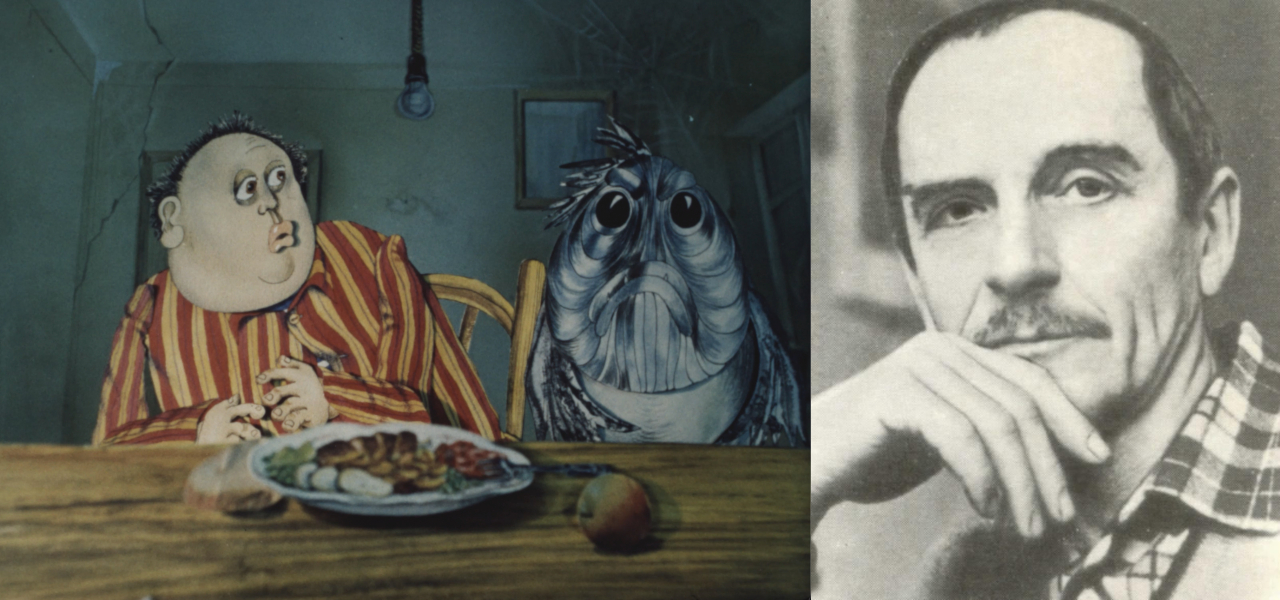
- 1979, Laziness: Perhaps his most haunting work, this film depicted a man witnessing a predatory fish consume its peers, eventually succumbing to the comfort of the aquarium himself. It was a searing indictment of conformism that nearly cost him his career due to its "un-Soviet" themes.
Supporting Data: The Craft of Time
Syvokin’s approach to production was as rigorous as his themes were subversive. In an era where a short film required nine months of labor and 21 separate rounds of bureaucratic approval, Syvokin maintained a philosophical detachment. He viewed animation not as mere drawing, but as "the distillation of time."
In his later years, specifically during the post-Soviet transition, his work became more tactile. The 2004 film Snow Will Cover the Roads… stands as a masterpiece of his late style, constructed using humble, raw materials: salt, roasted semolina, and coal. This transition from cel-based animation to material-based storytelling proved that his creative vitality was untethered from the state-funded studio system that once dictated his workflow.
The Educator: Shaping the Next Generation
Perhaps Syvokin’s most profound impact was his role as a mentor. In 1993, he established the first animation directing workshop at the Karpenko-Karyi University in Kyiv. This was a radical departure from theoretical academia; he filled the department with active, working practitioners.
"He didn’t want fifteen little Syvokins," recalls former student Rodion Shub. "He wanted personalities."
Stepan Koval, one of his first seven students, notes that Syvokin taught them to "anticipate, invent endings, and see the structure of films." His classroom was a sanctuary where the master’s mantra was always, "Let the screen decide," encouraging students to find solutions through visual evidence rather than dogma.
Official Perspectives and Professional Tributes
The animation community has responded with profound grief, emphasizing Syvokin’s role as the "living bridge" of Ukrainian cinema.
- Oleg Olifer (Dovzhenko Centre): "By studying just Syvokin’s filmography, one can cover the entire history of Ukrainian animation. He was the last of the outstanding creators from the 1960s who successfully transitioned into the era of independent Ukraine."
- Mykyta Liskov: "I was struck by his honesty and his absolute lack of arrogance. He possessed an integrity that is rare in any field, let alone one as competitive as film."
- Alona Penzii (Dovzhenko Centre): "He was professional and responsible in everything he undertook. Beyond his art, his commitment to the next generation—even in his final years—was an inspiration to us all."
The depth of his personal kindness was further evidenced by his actions in recent years. When his former student Oleg Olifer was mobilized into the Ukrainian Defence Forces in 2024, Syvokin did not retreat into the safety of his art; he actively campaigned to raise funds for Olifer’s battalion during his own career retrospectives.
Implications: A Legacy in Motion
Yevhen Syvokin’s death is not merely the loss of an artist; it is the loss of a repository of institutional memory. He worked until his very last days, with friends like Stepan Koval helping him rig a stop-motion studio in his own kitchen.
His life implies a roadmap for artists living under pressure: stay flexible, reject the temptation of "fixation," and treat your work as a form of social conscience. As the industry faces a new age of digital transition and global instability, the principles Syvokin laid down—the importance of individual voice, the refusal to conform for the sake of safety, and the necessity of passing knowledge to the next generation—remain more relevant than ever.
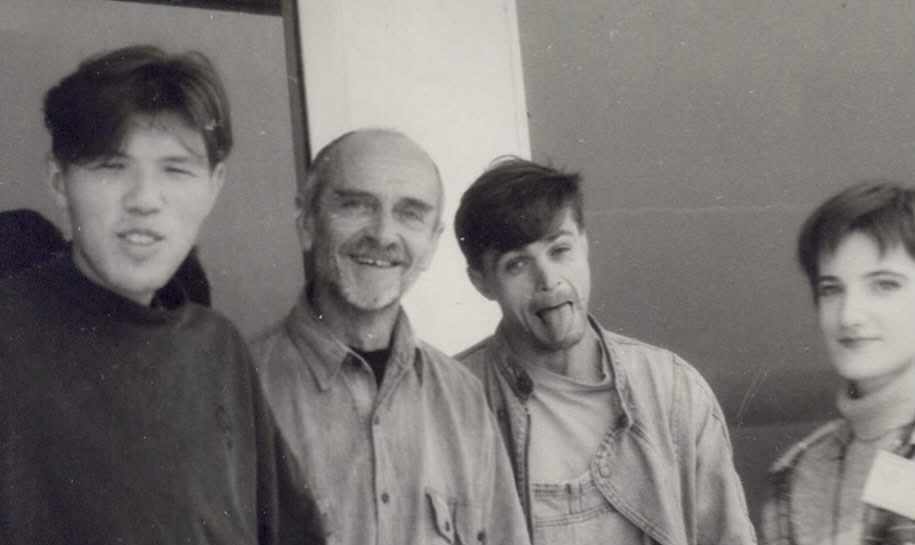
The book Crawlspace of Perseverance: Exploring Ukrainian Animation, co-authored by Mykyta Liskov and this writer, is scheduled for publication in 2027. It will serve as a definitive record of the movement Syvokin helped build. However, as the tattoos on his students’ arms suggest, the true archive of Yevhen Syvokin is not found in books, but in the enduring spirit of the artists who carry his likeness and his lessons into the future.
He taught us that animation is "working with time." And while his own time has reached its final frame, the stories he animated, and the students he empowered, will continue to play on.










No comments yet. Be the first to join the conversation!