

The Star Wars franchise has long been characterized by a paradoxical relationship with its own history. It is a cinematic universe built upon the bedrock of mythic storytelling, yet it is perpetually haunted by the ghosts of projects that never reached the screen. From the abandoned "Duel of the Fates" draft by Colin Trevorrow to the long-rumored, scrapped Ben Solo project once associated with Steven Soderbergh, the history of a galaxy far, far away is written as much in its cancellations as in its box-office triumphs.
Among these "lost" artifacts, few carry as much narrative weight as the project spearheaded by Lost and The Leftovers creator Damon Lindelof. Hired to steer a new cinematic direction for the post-Skywalker era, Lindelof’s departure from Lucasfilm in early 2023 left a vacuum of information that has only recently begun to be filled. New revelations from the writer himself suggest that his vision was not merely a sequel, but a radical, deconstructive interrogation of the Star Wars ethos itself.
The Genesis and Sudden Departure
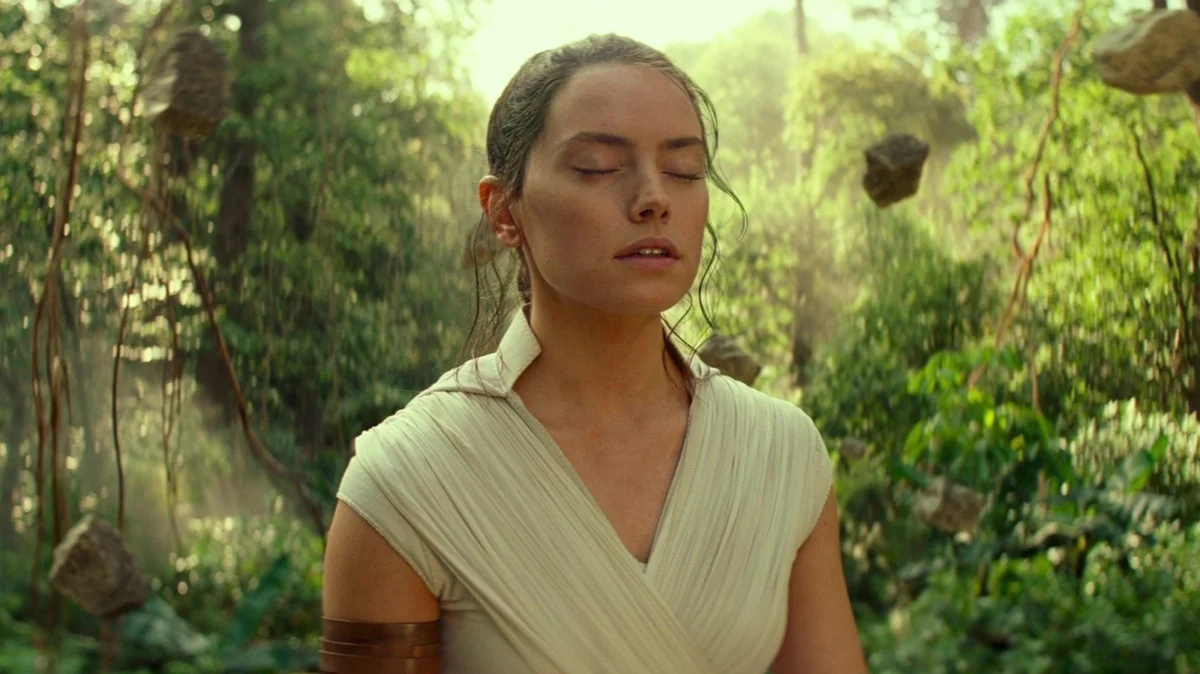
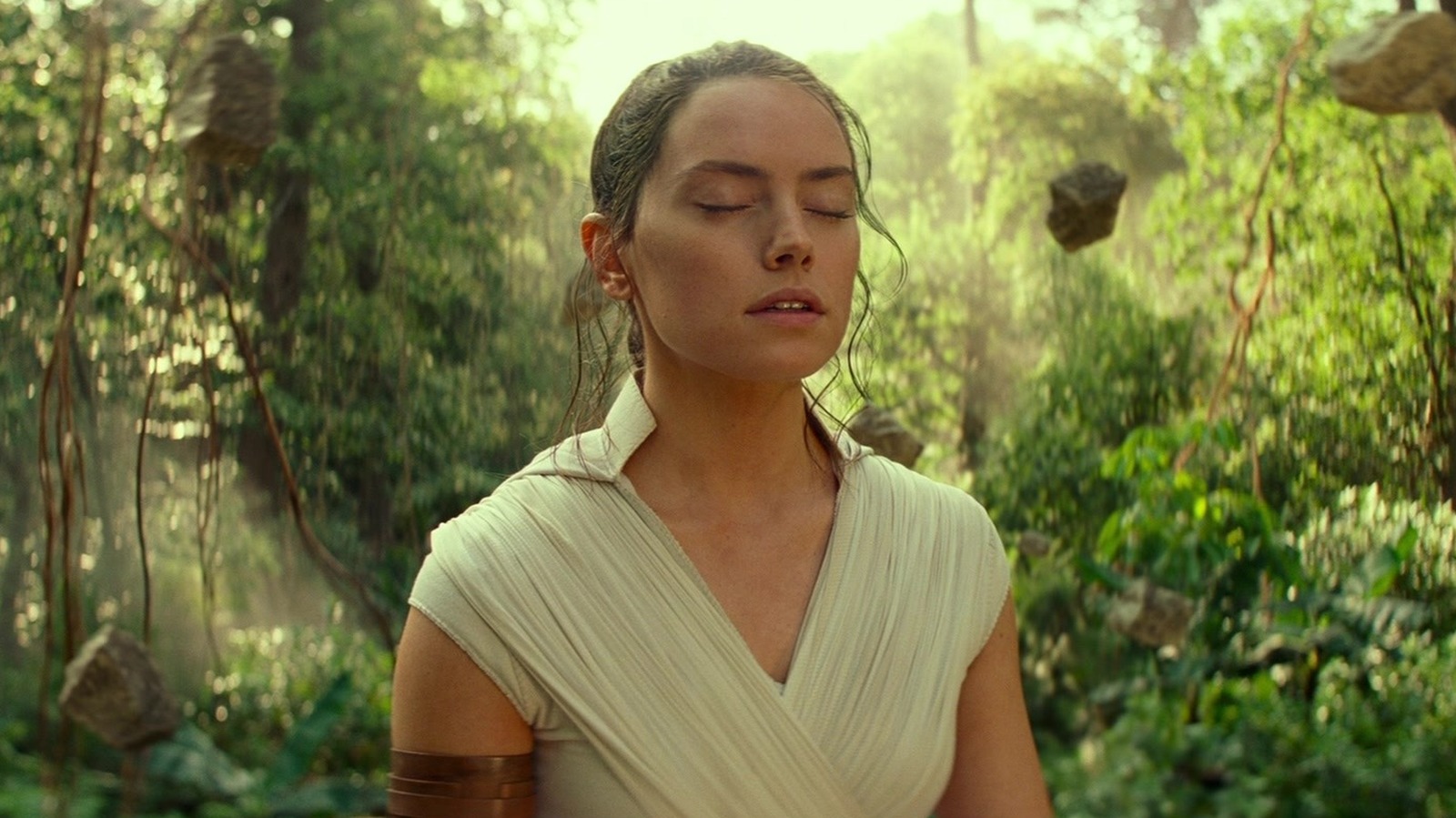
The news of Lindelof’s involvement first broke as a quiet industry rumor, quickly validated by reporting from /Film. It was understood that he had been brought on to craft a narrative centered on Daisy Ridley’s Rey, set in the years following the conclusion of the sequel trilogy. Joining him were writers Justin Britt-Gibson and Rayna McClendon.
The excitement was palpable. Lindelof, a writer known for his obsession with mystery boxes, metaphysical stakes, and complex character psychology, seemed like the perfect architect to evolve a franchise that had, by the end of The Rise of Skywalker, arguably reached a creative stalemate. However, the tenure was short-lived. Barely two years after the initial pitch, the professional marriage between the visionary writer and the studio dissolved. At the time, the reasons were kept behind a veil of corporate ambiguity—standard practice in the high-stakes environment of major franchise filmmaking.
The Core Conflict: Nostalgia vs. Revisionism
In a recent, candid appearance on the "House of R" podcast, hosted by Joanna Robinson and Mallory Rubin, Lindelof provided the most transparent look yet at what he was attempting to build. He did not describe a typical space-faring adventure; he described a structural challenge to the franchise’s very identity.
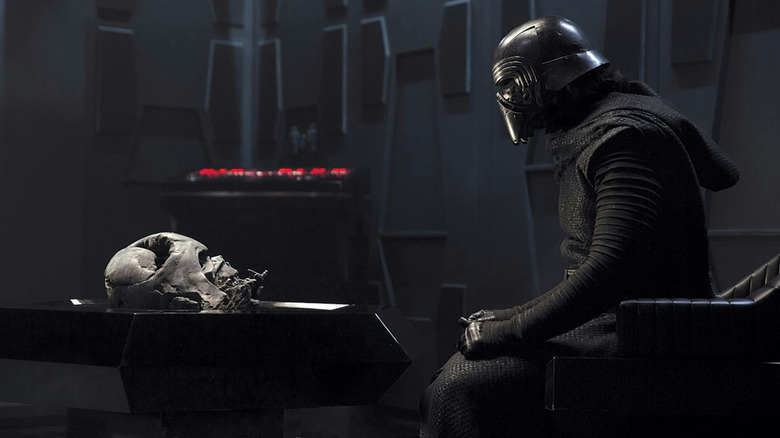
Lindelof noted that his approach was fundamentally rooted in the tension between two competing philosophies: "There is a Force of nostalgia and there is a Force of revision, and they are at odds with one another." His pitch was essentially to initiate a "Protestant Reformation" within the Star Wars canon. He aimed to have the characters themselves confront the weight of the past—not just as lore, but as a suffocating influence—and to weigh it against the necessity of evolving into something new.
For fans of Rian Johnson’s The Last Jedi, this thematic approach will feel familiar. Johnson’s film famously challenged the protagonist to "let the past die," a sentiment that caused a polarizing rupture in the fanbase. Lindelof’s project appeared to be a thematic successor to that line of inquiry, aiming to turn the camera on the audience’s own relationship with the franchise’s legacy. He sought to avoid "winking" at the audience, instead creating a narrative that felt risky, intellectual, and perhaps even disruptive to the status quo.
Chronology of a Failed Project
- Initial Engagement (Early 2021): Lucasfilm approaches Damon Lindelof, seeking a new creative path to transition the franchise away from the Skywalker-centric storytelling of the previous decades.
- Development Phase (2021–2022): Lindelof, alongside writing partners Justin Britt-Gibson and Rayna McClendon, develops a script centered on the post-sequel trilogy era.
- The "Great Disconnect" (Early 2023): Creative differences regarding tone, the relationship to existing canon, and the direction of the "center" of the franchise lead to the formal parting of ways between Lindelof and Lucasfilm.
- Post-Departure (2023–2026): Lucasfilm shifts focus toward other projects, including the transition of The Mandalorian characters to the big screen, while Lindelof reflects on the "tanker" nature of trying to turn the massive Star Wars ship.
The "Tanker Equation": Why the Vision Was Shelved
One might assume that Lucasfilm fired Lindelof because his pitch was "too dark" or "too controversial," but the reality provided by the writer paints a more bureaucratic and logistical picture. Lindelof famously referred to the process as the "tanker equation." In the world of massive IP, the studio is a vessel of immense size and inertia; you can turn the wheel, but the ship takes minutes—or years—to actually shift its course.
The struggle to define the "center" of Star Wars proved to be the project’s undoing. When The Force Awakens was released, the center was clear: it was the new trio of Rey, Finn, and Poe. As the series progressed, the gravitational pull of the past—Luke, Leia, and Han—exerted a force that proved difficult to escape. By the time Lindelof began his work, the challenge was to establish a new center while simultaneously acknowledging the massive, sprawling shadow cast by the original and sequel trilogies.
"Is it starting a new trilogy?" Lindelof asked rhetorically during his podcast appearance. "All of those things, they’re so massive, they’re so big." Ultimately, the difficulty of balancing the expectations of the studio, the constraints of canon, and the need for a distinct creative voice created a pressure cooker that, according to the writer, simply didn’t work.
Implications for the Future of Star Wars
The cancellation of the Lindelof project serves as a microcosm of the current state of Lucasfilm. The studio is caught between the desire to innovate and the comfort of the familiar. With The Mandalorian and Grogu slated for a major release, it is clear that the studio has opted for a more conservative, character-driven path that leans into the established success of the Disney+ era rather than attempting a radical, deconstructive "Reformation" of the mythos.
The implication is that the Star Wars brand, at this current moment, is less interested in intellectual meta-commentary and more focused on stabilizing its narrative center. While the prospect of a Lindelof-led "revisionist" film was tantalizing to those who crave more depth and risk in their blockbusters, it clearly posed a risk to the brand’s long-term consistency.
Conclusion: The Ghost in the Machine
The tragedy of the "lost" Damon Lindelof movie is not that it would have been perfect, but that it would have been different. In an era where franchise fatigue is an increasing concern for major studios, the willingness to experiment is often cited as the antidote. Yet, as Lindelof’s experience demonstrates, the very nature of these massive, interconnected universes often acts as an immune system, rejecting foreign bodies that threaten to shift the foundation too violently.
As we look toward the future of Star Wars in the coming years, we are left with a lingering question: Can the franchise survive if it refuses to undergo the very "Reformation" that Lindelof proposed? Or will it continue to drift in the currents of its own history, forever caught between the pull of nostalgia and the desire to build something new? For now, the "Rey movie" that might have been remains a compelling what-if, a testament to the fact that in a galaxy far, far away, the most interesting stories are sometimes the ones that never see the light of the projector.









No comments yet. Be the first to join the conversation!