

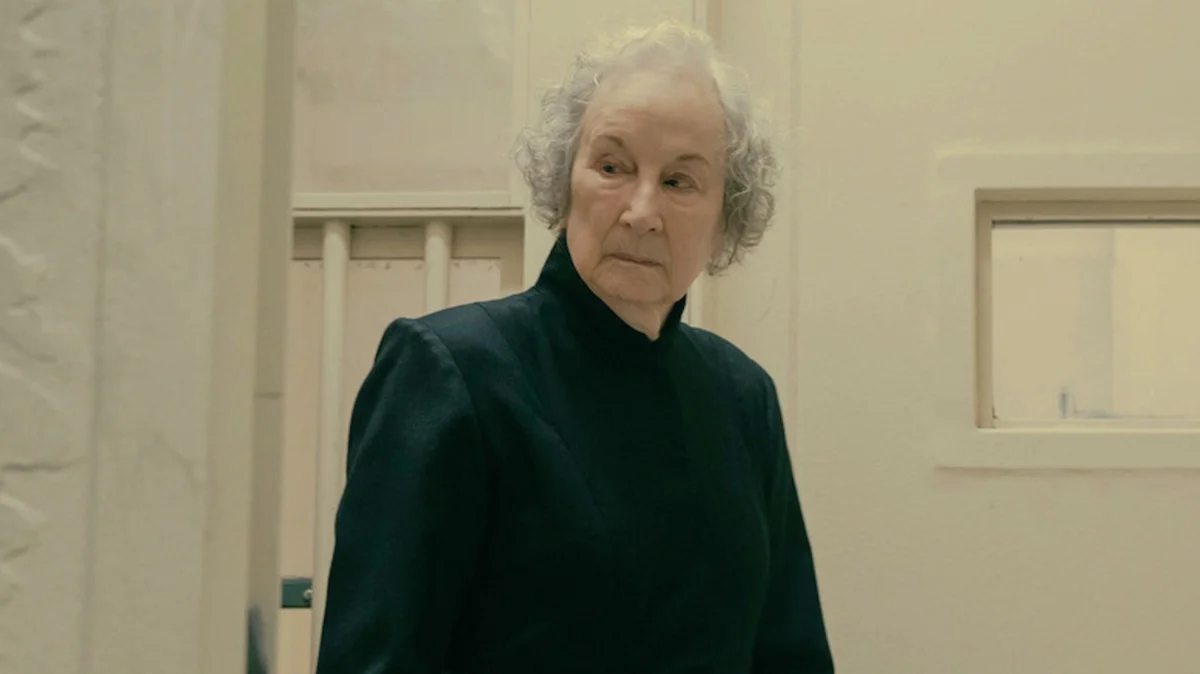
For over four decades, Margaret Atwood’s The Handmaid’s Tale has served as more than just a seminal work of speculative fiction; it has functioned as a cultural barometer. Whenever the political climate shifts toward authoritarianism or regressive social control, the novel—a harrowing account of a near-future theocracy where women are stripped of autonomy—finds itself at the center of a firestorm. Today, as book bans sweep through American school districts with unprecedented fervor, Atwood is no longer merely an observer of the trend. She has become an urgent voice of warning, signaling that the suppression of her work is not merely an act of moral panic, but a foundational pillar of a broader, systemic dismantling of democratic norms.
The Chronology of Censorship: From Local Bans to National Discourse
The trajectory of The Handmaid’s Tale in the American educational system has been marked by a transition from "frequently challenged" to "systemically purged." Throughout the 2010s, the American Library Association (ALA) consistently listed the novel among the most challenged books in the country. However, the current decade has seen a sharp escalation in the intensity and scope of these bans.
In 2023, the discourse reached a breaking point when the Madison County, Virginia school board moved to pull the novel from library shelves, citing its "sexually explicit" content. The move prompted a stinging, intellectual riposte from Atwood in an essay for The Atlantic, titled "Go Ahead and Ban My Book." Atwood noted the irony of the moral crusade, pointing out that her narrative, while grim, remains significantly less graphic than the texts found in the Bible—a book that remains conspicuously untouched by the same school boards advocating for the removal of secular literature.
The pattern repeated in 2024, when the Edmonton school board joined the ranks of those silencing the text. Atwood addressed these developments during her appearance at the PEN Congress in Krakow, where she framed these local skirmishes not as isolated events, but as a deliberate strategy to shrink the intellectual horizons of the next generation.
The Anatomy of an Authoritarian Takeover
Atwood’s critique of the current climate is deeply rooted in historical precedent. She has consistently reminded audiences that the suppression of literature is a classic harbinger of autocratic rule. In a 2025 speech, she articulated a chilling vision of the United States’ current trajectory, noting that the nation appears to be actively "turning its back on its one-time much-celebrated status as an open, liberal democracy."
According to Atwood, the mechanism of this suppression is twofold: the use of economic leverage and the weaponization of the legal system. "Most people with jobs are by nature fearful of challenging authority," she remarked, highlighting how corporate influence and the threat of termination serve to cultivate a culture of self-censorship. By targeting educators and librarians, these movements effectively dictate the boundaries of what is "thinkable" in the public square.
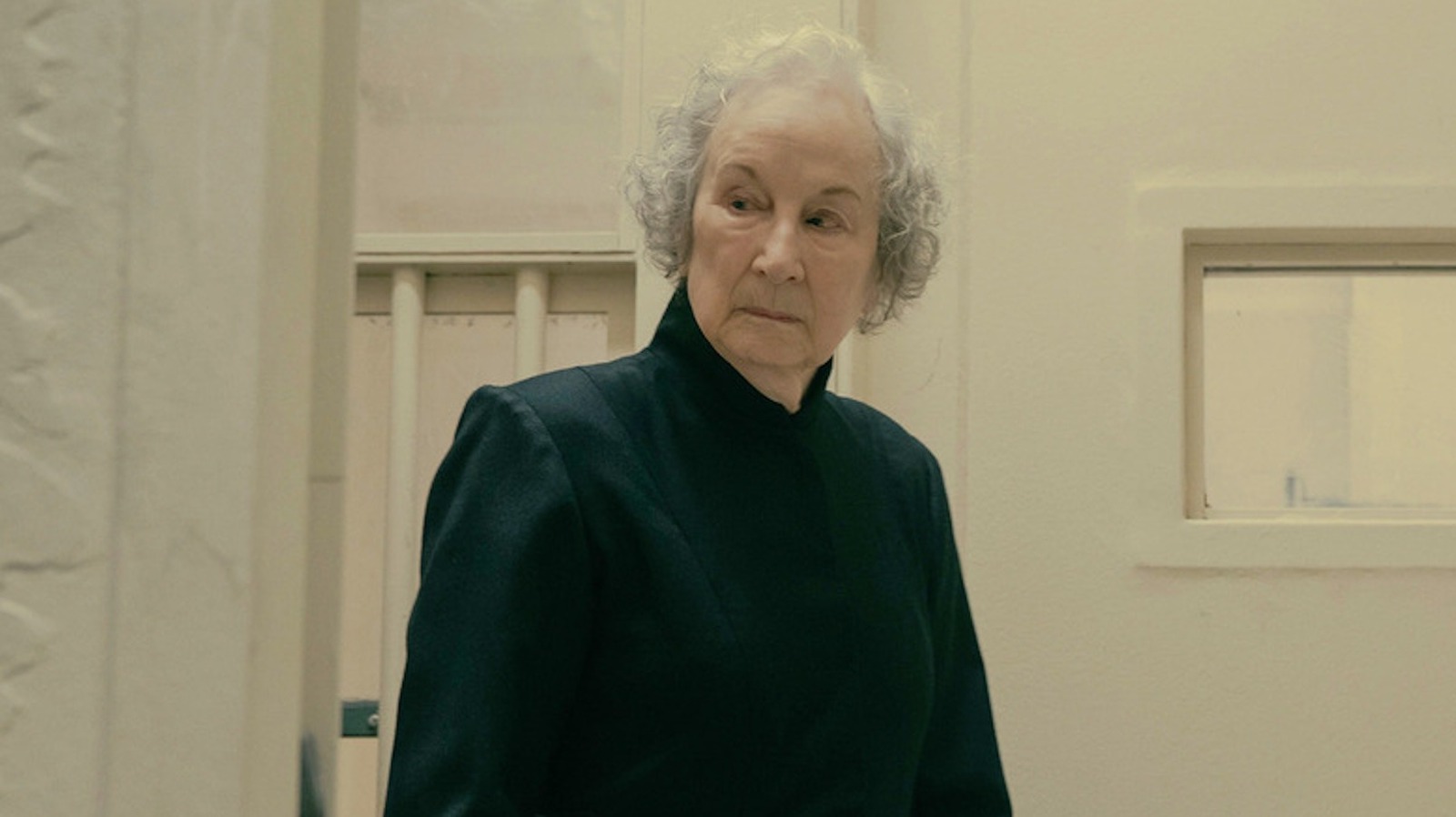
This environment is further complicated by the intersection of political rhetoric and demographic anxiety. Atwood points to the influence of "birth-rate-obsessed billionaires" and political actors who cater to the "Great Replacement" theory—a white nationalist conspiracy that posits a deliberate effort to displace white populations. When this ideology is merged with the agendas of fundamentalist groups seeking to mandate specific reproductive behaviors, the dystopian reality of Gilead begins to feel less like a literary invention and more like a roadmap.
Supporting Data: The Rising Tide of Intellectual Restriction
The data provided by the American Library Association paints a bleak picture of the current landscape. Since 2020, the volume of challenges against books—particularly those dealing with themes of gender, race, and reproductive rights—has reached record highs.
The rationale behind these bans often relies on a nebulous interpretation of "parental rights," yet the outcome is consistently the removal of diverse perspectives. Analysts suggest that the 2020s will likely eclipse the 2010s in terms of literary suppression. This is not a coincidence; it is the result of a coordinated effort by well-funded special interest groups that have successfully integrated their agenda into the administrative layers of state and local government.
Furthermore, the economic impact on the publishing industry and the educational sector is profound. Schools are increasingly adopting "safety-first" policies that encourage the preemptive removal of controversial materials to avoid litigation or public backlash. This "chilling effect" ensures that even without a formal ban, students are denied access to the very materials that encourage critical thinking about power, hierarchy, and resistance.
Official Responses and the Stance of the Intellectual Community
The response from the literary and civil rights community has been one of alarm. PEN America and other free-speech advocacy groups have repeatedly highlighted that the censorship of The Handmaid’s Tale is a precursor to the erosion of broader civil liberties.
Atwood herself has adopted a pragmatic, almost defiant, stance. She often reminds her readers that the act of banning a book is, ironically, the most effective way to ensure its popularity. "Once books are targeted for banning, readers—particularly young ones—want nothing more than to see what all the fuss is about," she has noted. Yet, she balances this optimism with a sobering assessment: when the state begins to dictate the contents of the library, the battle for the mind is already halfway lost.
The political establishment, however, remains largely divided. While some legislators advocate for the protection of intellectual freedom, others have made the "cleansing" of school curricula a central pillar of their platform, arguing that parents have an absolute right to control the information their children consume. This divide reflects the broader polarization of the American populace, where the fundamental definition of a "good" citizen is increasingly contested.
Implications: A Future Defined by Fear
The implications of this cultural shift are profound. If society reaches a point where possessing "subversive" material—a concept reminiscent of Ray Bradbury’s Fahrenheit 451—carries the threat of professional or legal ruin, the intellectual health of the nation will be severely compromised.
Atwood’s recent warnings about the collapse of the United States as a global beacon of freedom are not merely hyperbolic. She observes that the U.S. is "flirting with the very kind of autocracy that it once stood so firmly against." This is compounded by international instability, including nuclear brinkmanship and the abandonment of diplomatic norms, which Atwood believes are symptomatic of a nation in internal decay.
In this context, The Handmaid’s Tale acts as a warning system. If the public ignores the gradual normalization of censorship, the path toward a more rigid, controlled society becomes inevitable. Atwood’s message is clear: the defense of a book is the defense of the right to imagine a world different from the one currently being imposed.
Conclusion: The Necessity of Vigilance
Margaret Atwood’s feelings on the banning of her work are not centered on the ego of the author, but on the fragility of the reader. She views the current wave of censorship as a diagnostic tool—a sign that the structures of democracy are under significant stress.
As we navigate this era of political volatility, the lessons of The Handmaid’s Tale remain vital. Whether through the suppression of literature, the control of reproductive autonomy, or the erosion of the separation between church and state, the signs of authoritarian encroachment are everywhere. Atwood’s call to action is simple: listen to the warnings, defend the libraries, and, above all, keep reading. In a world that is increasingly trying to write the script for us, the act of reading a banned book is, in itself, a revolutionary deed.










