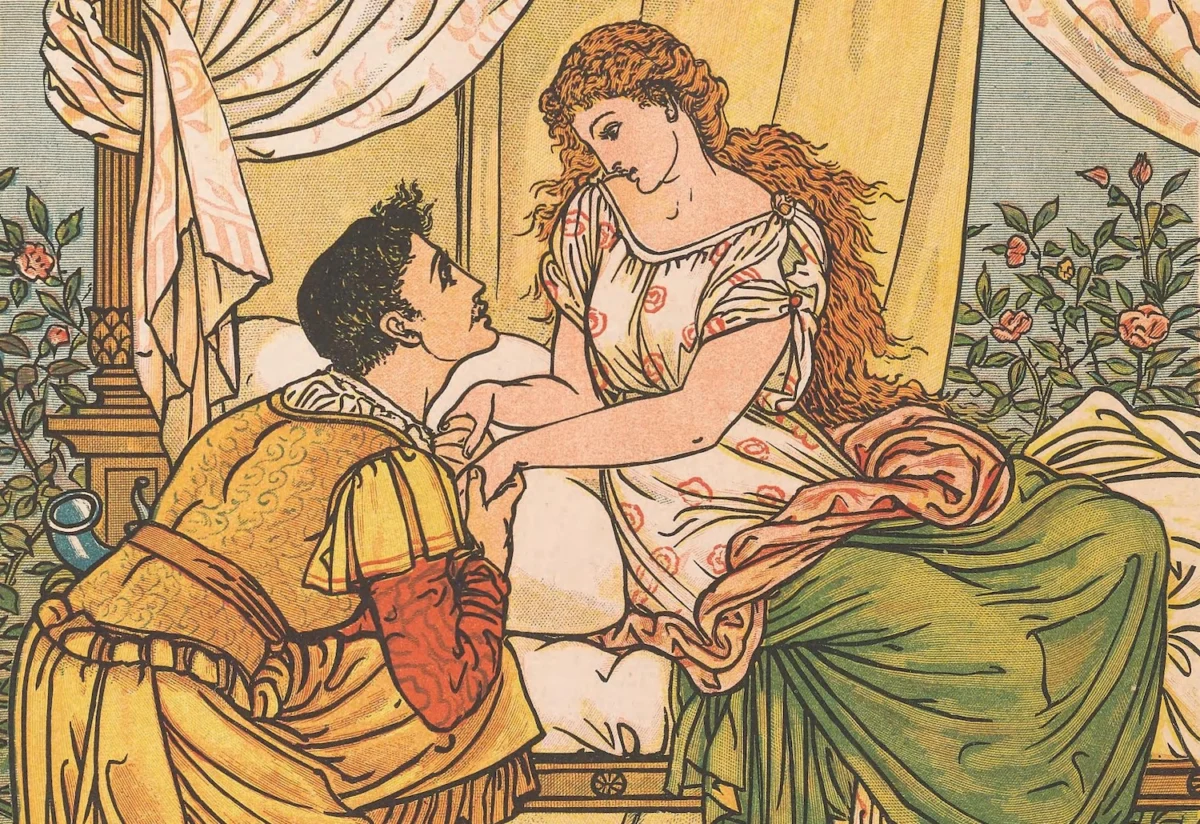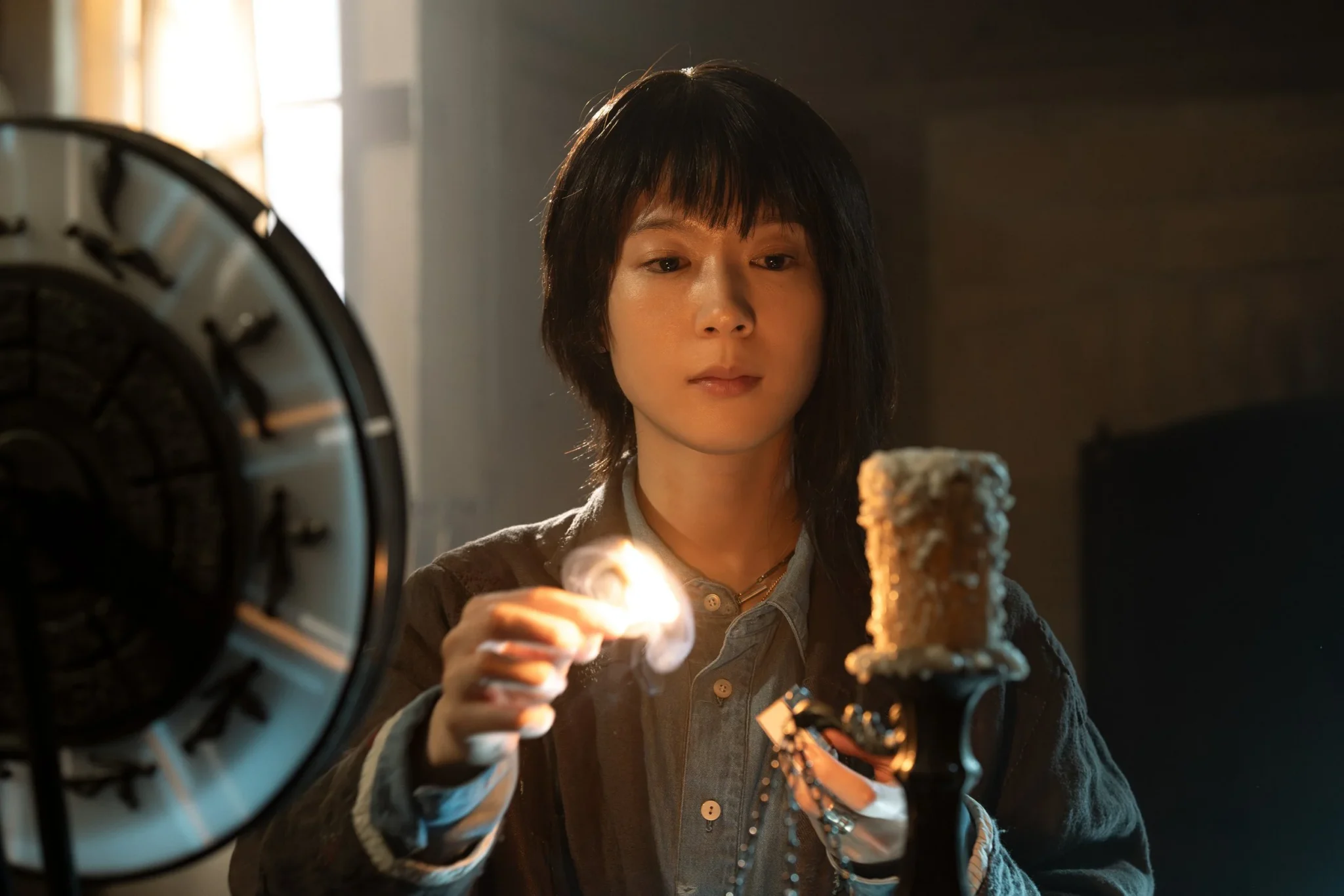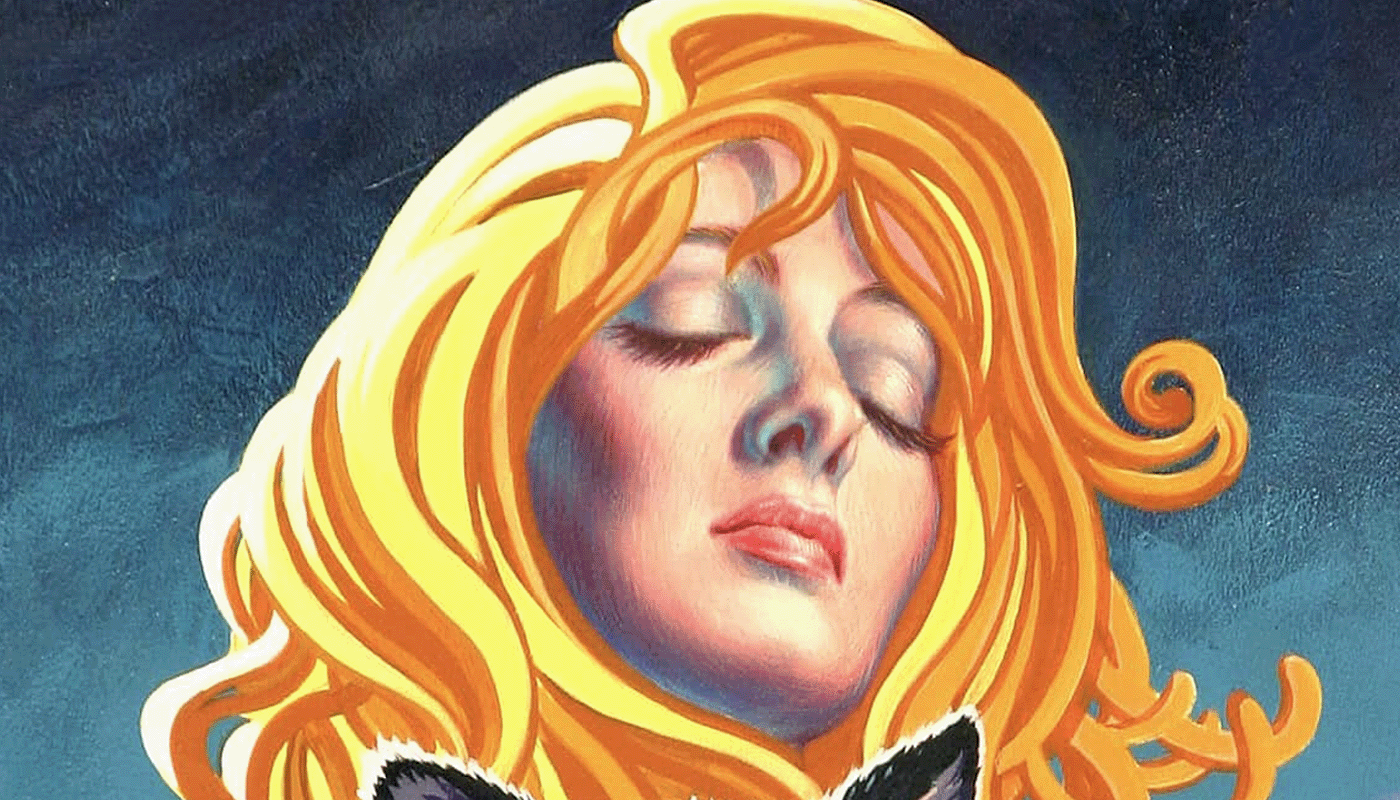
Nothing builds an appreciation for the restorative power of sleep quite like the sudden, jarring realization that your own bed has transformed from a sanctuary into a structural hazard. As I recently discovered—in a terrifying encounter with a collapsing bed frame—the physical architecture of sleep is just as critical as the biological process itself. We often treat the eight hours we spend in the dark as a mundane necessity, a passive state of existence. However, for science fiction and fantasy authors, sleep is far more than a simple transition between days; it is a canvas upon which to explore themes of control, existential dread, historical memory, and the fragility of the human condition.
The Science of Suspension: A Chronological Look at Sleep in Fiction
The literary treatment of sleep has evolved significantly over the last half-century. Authors have moved from using sleep as a plot-expedient “time skip” to crafting intricate, often terrifying, mechanics where sleep serves as a central engine of conflict.
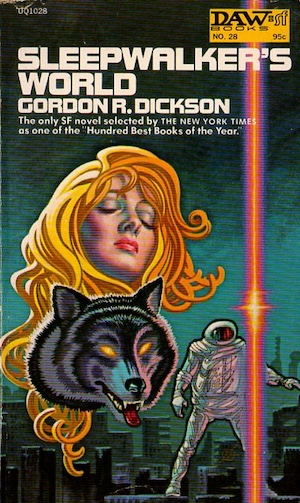
1971: The Energy Crisis of Oblivion (Sleepwalker’s World)
In Gordon R. Dickson’s 1971 novel Sleepwalker’s World, the author posits a future where the energy crisis has been solved through "Core Taps" and broadcast power. It is a technological utopia that comes with a biological catch: the broadcast power induces a deep, semi-permanent slumber in most of the population.
Dickson’s work highlights a classic trope of speculative fiction—the "impossible assumption." He asks the reader to accept that humanity would willingly trade its agency for comfort. Rafe Harald, an immune protagonist returning from the Moon, serves as the reader’s lens into a world that has essentially traded its waking life for the promise of infinite energy. The novel remains a poignant critique of technological trade-offs and the hidden costs of convenience.
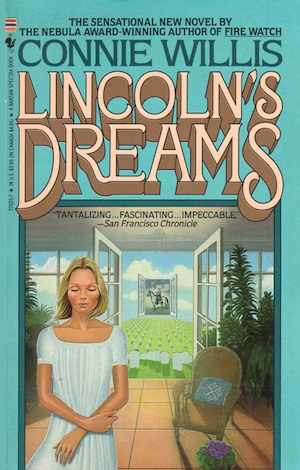
1987: The Haunting of History (Lincoln’s Dreams)
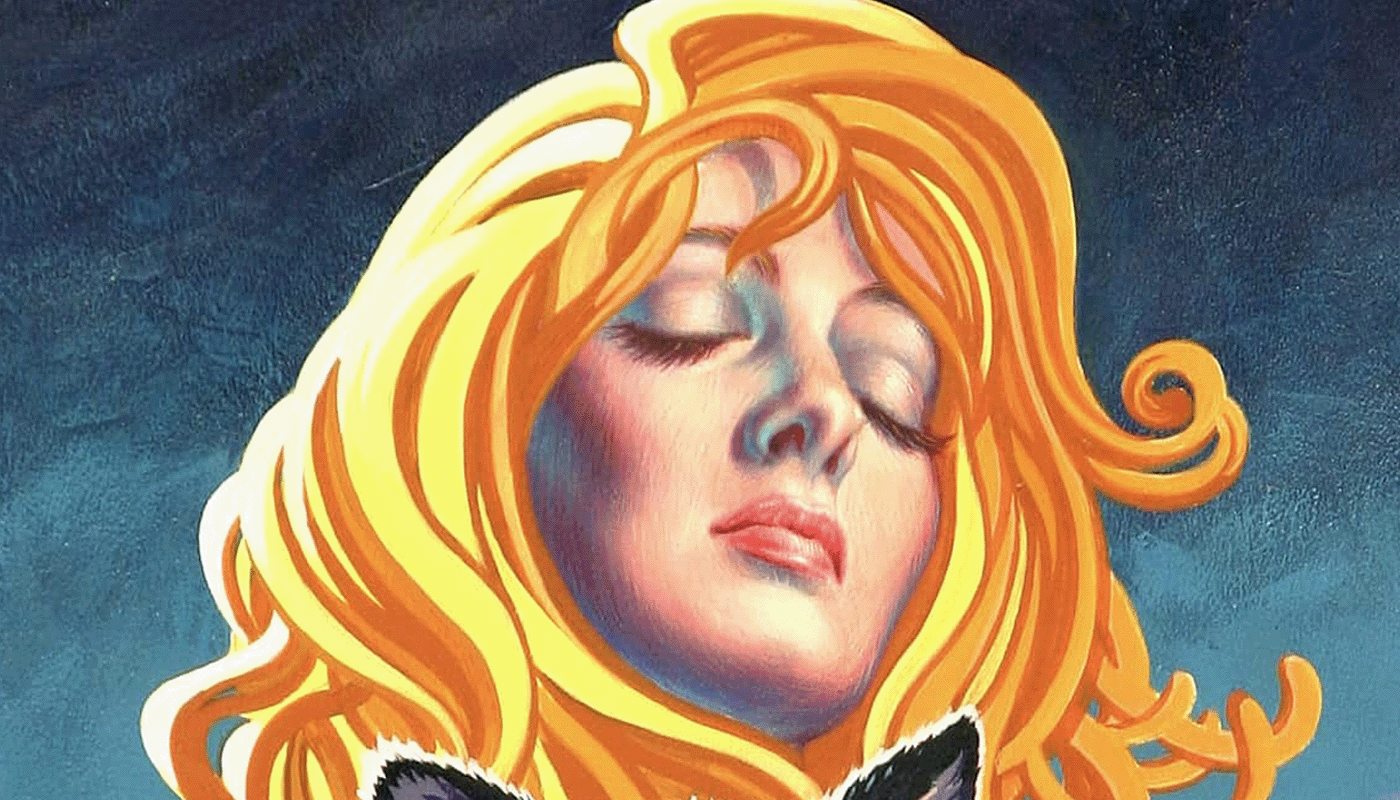
Connie Willis’s Lincoln’s Dreams shifts the focus from the physiological to the psychological. The narrative follows Annie, whose vivid dreams of the American Civil War are initially dismissed by her partner, Richard, as a medical anomaly to be "cured."
As the story unfolds, the dreams are revealed to be deeply rooted in historical resonance, specifically regarding the lives of Robert E. Lee and Abraham Lincoln. Willis masterfully interrogates the idea that we might not be the authors of our own subconscious. If our dreams are influenced by history, or perhaps by entities beyond our reach, then sleep ceases to be a private refuge and becomes a battlefield of memory. Notably, the book also serves as a strange case study in linguistic omission, famously avoiding key terms related to the institution of slavery while focusing heavily on the existential weight of the Civil War’s opposing figures.
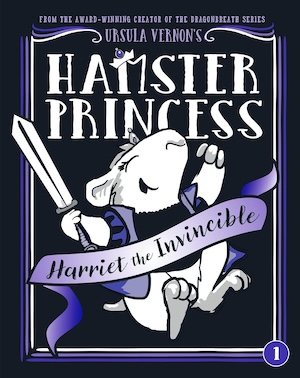
2015: The Invincibility of the Cursed (Harriet the Invincible)
Ursula Vernon, writing in the Hamster Princess series, takes a more playful, yet conceptually brilliant, approach to the "sleeping beauty" trope. Princess Harriet, cursed by the wicked fairy Nightshade to fall into a deep, magical sleep at age twelve, realizes that the curse effectively grants her a two-year window of immortality.
If she is fated to sleep at twelve, she cannot die before then. This transforms the traditional "damsel in distress" narrative into one of high-octane adventuring. It is a clever subversion: how much could one accomplish if they knew their own expiration date was set in stone? Harriet’s "invincibility" is a masterclass in narrative logic, proving that sleep—or the anticipation of it—can act as a powerful catalyst for action.
2019–2023: The Intimacy of Insomnia (Insomniacs After School)
Makoto Ojiro’s manga series brings us into the modern era, where the lack of sleep is the primary driver of the plot. Ganta and Isaki, two high schoolers bound by their shared inability to drift off, find solace in an abandoned school observatory.
The brilliance of this work lies in its grounding. While it plays with school legends of curses, the true "magic" is the human connection forged in the quiet, empty hours of the night. It reframes insomnia not as a mere disorder, but as a bridge between two isolated souls. It is a testament to the idea that sleep, or the lack thereof, defines our social lives as much as our physical health.
2025: The Biological Burden (The Sleepless)
Jen Williams’s recent work, The Sleepless, introduces a high-stakes, dark-fantasy iteration of the concept. In this world, the "Sleepless" are individuals who share their bodies with monstrous entities that take over when the host falls unconscious.
The social implication here is profound: sleep is no longer a personal choice; it is a public danger requiring constant, rigorous containment. By linking sleep to a loss of self-governance, Williams elevates the physical act of resting into a desperate, tactical survival situation. The duology sets the stage for a broader investigation into the cost of existence when your own biology is working against you.
Supporting Data: The Impact of Environment on Rest
The literary examples above mirror a growing body of real-world research regarding the "sleep environment." Much like the characters in these novels, modern humans are increasingly aware that our surroundings dictate our health. Whether it is a faulty bed frame causing back pain or an over-reliance on technology preventing the release of melatonin, the physical and digital environments we inhabit are the "constraints" of our own real-life narrative.
Studies indicate that environmental triggers—noise, light, temperature, and even the ergonomics of one’s sleeping surface—are the primary determinants of REM cycle quality. Just as the characters in these books find their fates tied to the state of their slumber, so too do we find our productivity, mood, and long-term cognitive health tied to the quality of our rest.
Official Responses and Perspectives
Experts in sleep medicine have often pointed out that the romanticization of "conquering sleep" (as seen in some science fiction tropes) is a dangerous misconception. In Sleepwalker’s World, the state of sleep is a systemic issue, which aligns with modern critiques of "hustle culture" that attempt to force humans into a 24-hour productivity cycle.
Sleep scientists argue that the "monstrous" depictions of sleep in literature—like those in Williams’s The Sleepless—actually serve as excellent metaphors for the feeling of "parasomnia" or sleep-related anxiety disorders. When we cannot control our bodies during sleep, we feel as though we have lost a part of our autonomy. Fiction, therefore, provides a safe space to process these visceral fears of vulnerability.
Implications for the Reader
The enduring appeal of sleep-centric narratives lies in the fact that sleep is the one universal, shared mystery of the human experience. We all do it, yet we are all unconscious while doing it. It is the ultimate "black box."
- Control and Agency: These novels force us to ask who—or what—is in control when we close our eyes.
- Historical Memory: They suggest that our subconscious is a repository for more than just our own memories; it may be an archive of collective history or trauma.
- The Necessity of Refuge: From Insomniacs After School to the cursed protection of Harriet the Invincible, these stories highlight the need for a "safe space"—a physical or metaphorical observatory where we can safely retreat from the pressures of the world.
Conclusion: The Final Word on Dreams
Whether we are reading about cursed princesses, teenagers in observatories, or humans powered by broadcast energy, the underlying theme remains consistent: sleep is the boundary between the person we are and the person we wish to be. As I reflect on my own recent, disastrous experience with a broken bed, I am reminded that even the most grounded, mundane reality is one structural failure away from becoming a "death trap."
There are, of course, countless other stories that delve into this theme. Perhaps you have a favorite novel that treats the act of sleeping as a superpower or a cosmic horror. The landscape of sleep in literature is vast, and I have merely touched upon the surface. I encourage you to share your own recommendations; after all, we all spend roughly a third of our lives in this strange, uncharted territory. Why not explore it through the lens of a great story?