Rifan Muazin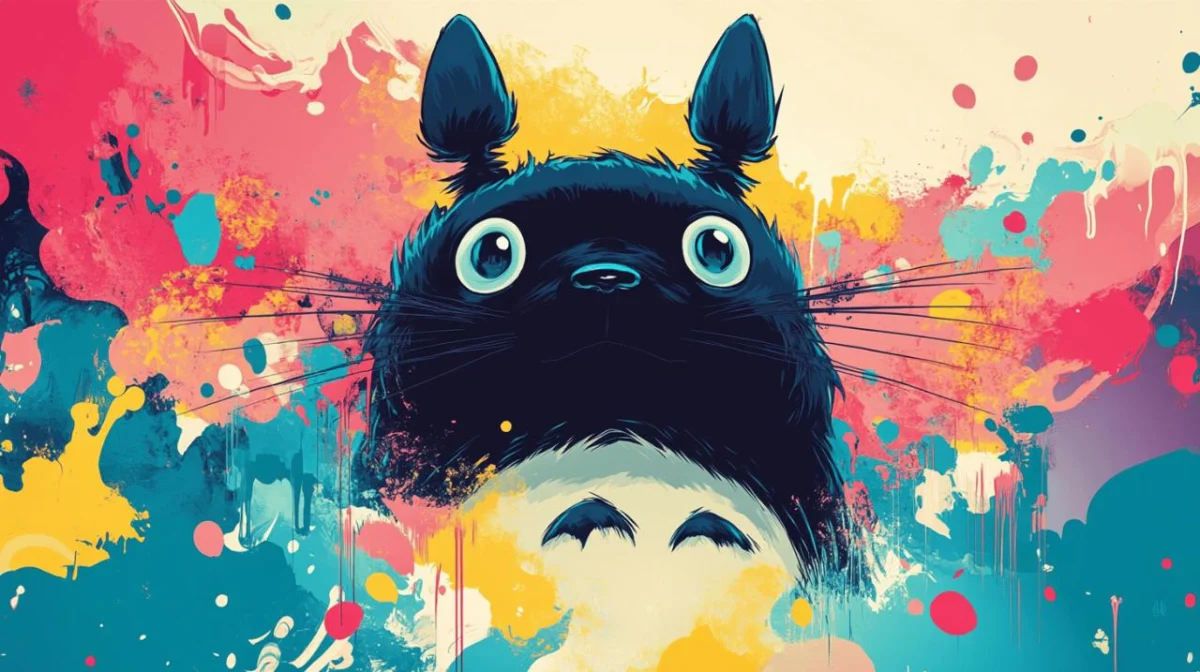
The intersection of high-concept animation and everyday streetwear has long been a space of experimentation, but rarely has a trend achieved the cultural resonance of the "Minimalist Totoro" movement. Far from the loud, graphic-heavy merchandising of the past, a new wave of fashion—led by platforms like Emotion Ghibli—is championing a refined approach to fandom. By stripping away the visual clutter, these minimalist T-shirts capture the essence of Hayao Miyazaki’s most iconic forest spirit, turning cinematic nostalgia into a staple of modern, sophisticated wardrobes.
The Evolution of Ghibli Fandom: From Screen to Street
To understand the current demand for minimalist Totoro apparel, one must first recognize the evolution of Studio Ghibli’s footprint in the global fashion industry. When My Neighbor Totoro first debuted in 1988, the marketing surrounding the film was primarily directed at children, characterized by plush toys and colorful, busy merchandise.
However, as the generation that grew up with these films reached adulthood, their aesthetic preferences matured. The shift began in the early 2010s, with a gradual move away from "fan-merch" toward "apparel." This evolution saw fans seeking ways to integrate their love for the Ghibli universe into professional and casual settings without appearing juvenile. The minimalist movement emerged as the perfect solution: it allowed for a "nod" to the source material that only fellow enthusiasts would immediately recognize, effectively bridging the gap between otaku culture and contemporary fashion design.
The Design Philosophy: Less is More
The core appeal of the modern Totoro T-shirt lies in its adherence to the Japanese aesthetic of Ma (negative space) and simplicity.
The Iconography of the Forest Spirit
Totoro’s design is a masterclass in visual communication. The rounded silhouette, the distinct ears, and the whiskers are instantly recognizable, even when reduced to a single-line drawing or a monochrome silhouette. Designers have capitalized on this, utilizing screen-printing techniques that focus on the "essence" of the character rather than a literal, high-definition reproduction of a scene.
The Power of Monochrome
The prevalence of black-and-white designs—such as the widely recognized "Sylvain Noir" collection—highlights a strategic move toward versatility. By removing the vibrant, sometimes overwhelming colors of the animation, designers have created garments that function as neutral, high-quality base layers. This transition from "fan art" to "fashion piece" is crucial; it allows a wearer to pair a Totoro T-shirt with a structured blazer or a pair of raw denim jeans, making the garment suitable for environments ranging from a casual Friday at the office to a weekend gallery opening.
Technical Excellence: Crafting the Perfect Garment
The rise of these minimalist designs is supported by significant advancements in garment production. The consumer base for these items is increasingly educated regarding textile quality, and retailers have responded accordingly.
The Primacy of Material
Cotton remains the industry standard for these collections, specifically long-staple cotton, which offers a soft hand-feel and high durability. For minimalist prints, the texture of the fabric is paramount; any imperfections in the weave can distort the clean, geometric lines of the design. Retailers like Emotion Ghibli have focused on sourcing heavy-weight cotton blends that maintain their structure across a wide range of sizes—from S to 4XL—ensuring that the aesthetic intent of the design is preserved regardless of the wearer’s physique.
Innovations in Print Technology
Modern screen printing and Direct-to-Garment (DTG) technologies have enabled a level of detail that was previously impossible. Today’s printers can achieve sharp, crisp edges that remain resistant to fading over dozens of wash cycles. This technical resilience is a key talking point in consumer satisfaction; when a customer invests in a high-quality piece of apparel, they expect the "magic" of the design to last.
Strategic Market Positioning
The success of these T-shirts is not accidental; it is the result of a deliberate, service-oriented business model.
The "Emotion Ghibli" Model
In the competitive landscape of online apparel, the customer experience has become as important as the product itself. By offering transparent guarantees—such as 30-day return policies and free return shipping—these brands have lowered the barrier to entry for fans who might be skeptical of purchasing clothing online.
This model acknowledges a fundamental truth of modern e-commerce: the buyer is not just purchasing a T-shirt; they are purchasing a piece of an identity. By curating collections that include other beloved titles like Spirited Away and Howl’s Moving Castle, these stores create a cohesive "lifestyle ecosystem" rather than a disparate collection of items.
The Cultural Implications: Why We Wear Our Passions
Why do we feel the need to wear the symbols of our favorite films? Sociologists argue that wearing an icon like Totoro serves as a "social signal." It is a shorthand for shared values: a love for nature, an appreciation for the whimsy of childhood, and a connection to the quiet, introspective storytelling of Hayao Miyazaki.
A Tool for Connection
In an increasingly fragmented digital world, these T-shirts act as beacons. Seeing a stranger wearing a minimalist Totoro design in a crowded city often sparks an immediate, silent camaraderie. It is a shared secret, a way to signal one’s place within a global community of dreamers and cinephiles without needing to say a word.
The Intersection of Art and Utility
The movement toward "elevated fandom" suggests that we are entering a new era of pop-culture consumption. We no longer want to choose between looking professional and expressing our interests. The minimalist approach allows for a synthesis of the two, proving that one can honor the heritage of Studio Ghibli while maintaining a contemporary, stylish, and refined personal brand.
Practical Guidance for the Modern Fan
As these pieces become staples of the wardrobe, maintaining them becomes a matter of preservation. To keep these garments in pristine condition:
- The Cold Wash Protocol: Always wash at 30°C. High temperatures break down the fibers and can cause the printed motifs to crack or lose their vibrancy.
- Inside-Out Strategy: Turning the T-shirt inside out before washing protects the printed surface from friction against the drum of the machine or other items in the load.
- The Gentle Cycle: Opting for a gentle cycle without intensive spin-drying prevents the fabric from stretching, ensuring the fit remains true to size over time.
- Strategic Drying: Air-drying in the shade is the golden rule. Exposure to direct, harsh sunlight can bleach the fabric and degrade the ink, whereas natural, indirect air flow maintains the integrity of the design.
Conclusion: The Future of Ghibli-Inspired Fashion
The success of minimalist Totoro apparel demonstrates that fans are ready for a more mature engagement with the properties they love. As we look toward the future, it is likely that this trend will expand. We may see more collaborations between independent artists and official distributors, further blurring the line between mass-produced merchandise and exclusive, artistic apparel.
Ultimately, the enduring appeal of Totoro—the spirit of the forest, the protector of the innocent, and the icon of childhood wonder—finds a perfect home in the simplicity of a minimalist T-shirt. By stripping away the noise, these designs remind us of the core message of the films themselves: that magic is not found in the grand or the complex, but in the quiet, simple moments of everyday life. Whether you are a long-time devotee or a newcomer to the Ghibli universe, wearing these pieces is more than just a fashion choice—it is a quiet celebration of the stories that have shaped our imaginations.

 Siti Muinah
 Azzam Bilal Chamdy