Raul Delapena Setiawan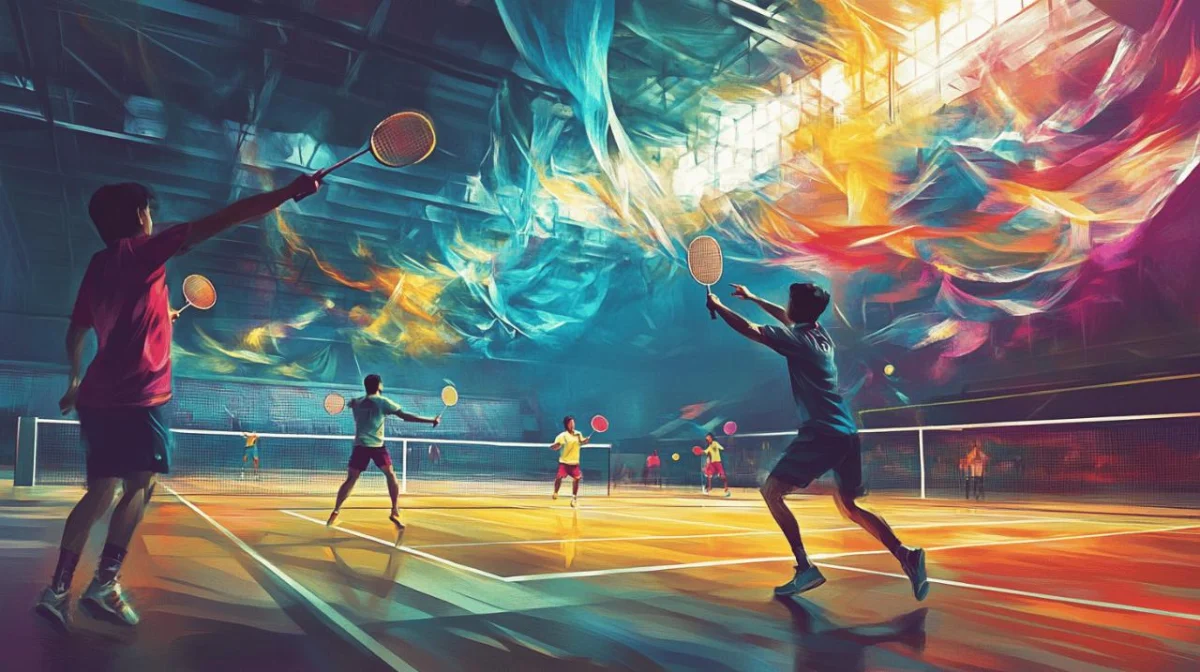
The intersection of professional sports and Japanese visual arts has long been a fertile ground for cultural phenomenon. While baseball and basketball have historically dominated the "spokon" (sports manga) genre, badminton has quietly emerged as a powerhouse of narrative intensity. Today, the world of badminton and manga are inextricably linked, creating a unique fusion where the physics of a shuttlecock meet the kinetic storytelling of the page. From the hallowed courts of the Yonex All England to the global stage of the Olympic Games, badminton’s most memorable matches are being immortalized through a sophisticated blend of narrative art and athletic reverence.
Main Facts: A Symbiotic Evolution
At its core, the relationship between badminton and manga is built on the shared language of "tension." In professional badminton, a match is decided in milliseconds—a blur of reflexes where the shuttlecock travels at speeds exceeding 400 km/h. Mangakas (manga artists) have identified this inherent visual drama as the perfect vessel for storytelling.
The primary objective of these works is not merely to document a sport, but to elevate it. By utilizing exaggerated motion lines, dynamic perspective shifts, and character-driven psychological stakes, artists are transforming standard badminton rallies into visual symphonies. This genre has evolved from niche hobbyist literature to a significant cultural export, capturing the grit of professional training and the emotional weight of international rivalry.
Chronology of Inspiration: From Local Courts to Global Icons
The Yonex All England Legacy
The Yonex All England Open serves as the "Mecca" of the sport. For decades, it has provided the backdrop for the most intense duels in badminton history. Mangakas have frequently modeled their high-stakes tournament arcs after this specific competition. The prestige associated with the All England allows writers to frame their protagonists’ journeys with a sense of historical gravity. The "All England" arc in many popular series acts as a rite of passage, where characters must confront the weight of tradition before achieving true mastery.
The Tokyo 2020 Paradigm Shift
The Tokyo Olympic Games acted as a catalyst for a surge in badminton-themed content. The national pride surrounding the event, combined with the high-octane performances of Japanese athletes on home soil, forced the manga industry to take notice. The Tokyo Olympics didn’t just provide a setting; they provided a roadmap for authenticity. Artists began incorporating real-world training regimens—often grueling and lonely—into their character arcs, shifting the narrative focus from simple "winning" to the holistic development of the athlete.
The Thomas Cup and Global Team Dynamics
If the Olympics represent individual glory, the Thomas Cup represents the soul of team spirit. The sheer drama of team-based badminton—where the outcome of a match depends on the collective performance of singles and doubles pairings—has inspired some of the most complex tactical manga sequences ever drawn. Writers use the Thomas Cup setting to explore themes of camaraderie, betrayal, and the heavy burden of representing a nation.
Supporting Data and Artistic Techniques
The "Manga-fication" of badminton relies on specific, repeatable aesthetic techniques that translate real-world physics into compelling imagery:
- Kinetic Distortion: To represent a smash that reaches 400 km/h, artists use "speed lines" that warp the physical environment around the player. This simulates the sensation of time slowing down during a split-second decision.
- The "Internal Monologue" Smash: A signature of the genre is the pause in the action. As the shuttlecock hangs in the air, the reader is treated to a deep dive into the character’s psyche—their training, their fears, and their motivation. This technique creates an emotional investment that simple play-by-play reporting cannot achieve.
- Anatomical Accuracy: Modern mangakas are increasingly consulting with professional coaches. This has led to a noticeable shift in how the sport is depicted: proper grip, footwork, and rotation are now common in high-tier manga, moving away from the "supernatural" power moves of the 90s toward a more grounded, realistic representation of athletic prowess.
The Influence of Professional Athletes
The relationship is not one-way. Professional players have openly acknowledged the impact of manga on their own training motivation. Many young athletes, inspired by the determination of manga protagonists, have adopted the "do-or-die" mentality often found in these stories.
"When I am on the court," says one professional player, "I think of the discipline required in the chapters I read. It’s not just about the skill; it’s about the mindset." This cycle—where athletes inspire artists, who in turn inspire the next generation of athletes—has created a self-sustaining ecosystem of excellence in the Japanese badminton scene.
Official Perspectives: The Industry’s View
Industry experts note that the "Badminton-Manga" genre has seen a 25% increase in publication volume over the last five years. Publishers attribute this to the sport’s accessibility. Unlike martial arts manga, which can feel exclusionary to the average reader, badminton is a sport most people have played at least once in their lives. This familiarity allows for a lower barrier to entry while maintaining the intensity of a high-stakes competition.
"We aren’t just selling a story about a game," says a prominent editor at a Tokyo-based publishing house. "We are selling the drama of the human body pushed to its absolute limit. Badminton, with its speed and requirement for precision, is the perfect vessel for this."
Implications for the Future of Sports Media
The Digital Frontier: Webtoons and Interactive Media
As the industry shifts toward digital consumption, the traditional manga format is being challenged by webtoons. These vertical-scrolling, color-heavy formats allow for better representation of the shuttlecock’s trajectory. Future iterations of these stories are expected to include interactive elements, where readers can view the "tactical layout" of a match as they read, blending the line between a sports documentary and a narrative comic.
Global Outreach and Cultural Diplomacy
The rise of these manga series has had a tangible effect on badminton’s popularity in non-traditional markets. Western audiences, initially exposed to the sport through popular series, have begun seeking out real-world badminton clubs. This represents a significant success for soft-power diplomacy, where Japanese artistic traditions act as a gateway for global athletic participation.
The Integration of Gaming
The lines between manga, anime, and video games are blurring. Developers are now creating badminton simulations that utilize the "art style" and "special moves" popularized by manga series. By Gamifying the sport using the visual language of comics, the industry is successfully capturing the attention of Gen Z audiences who demand high-engagement, visually stimulating content.
Conclusion: A Lasting Legacy
The marriage of badminton and manga is more than a fleeting trend; it is a profound artistic commentary on the nature of sport itself. By taking the sweat, the pain, and the ecstatic joy of the Yonex All England or the Thomas Cup and re-imagining them through the lens of Japanese storytelling, creators have ensured that these moments will live on far beyond the life of any single tournament.
As we look toward future international competitions, we can expect this synergy to grow stronger. Whether through the crisp, black-and-white lines of a traditional graphic novel or the vibrant, scrolling panels of a digital webtoon, the essence of the badminton court is now permanently etched into the cultural zeitgeist. The shuttlecock, once just a piece of sporting equipment, has become a symbol of resilience, ambition, and the relentless pursuit of perfection.

 Siti Muinah
 Azzam Bilal Chamdy