Iffa Jayyana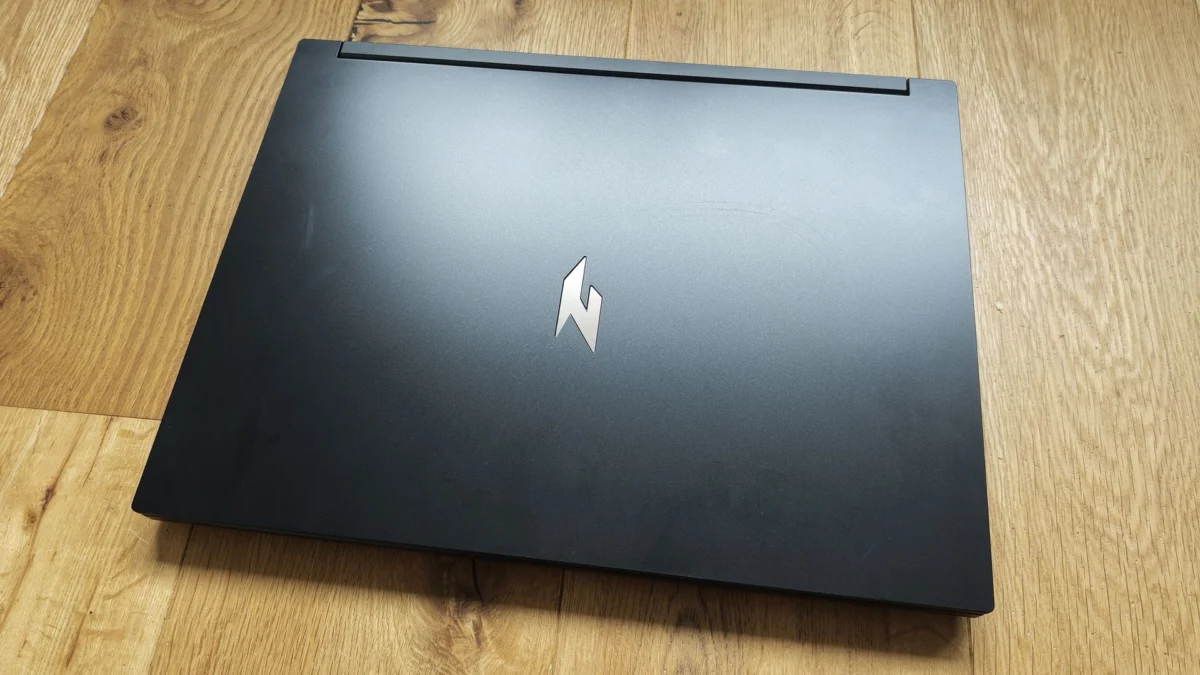
In the rapidly evolving landscape of personal computing, manufacturers are currently obsessed with two things: raw processing power and the integration of Artificial Intelligence. From the latest Neural Processing Units (NPUs) to high-octane NVIDIA GPUs, the spec sheets of modern laptops are more impressive than ever. However, there is an increasingly glaring oversight that threatens to undermine the entire premise of the "mobile" workstation: battery endurance.
As professionals, creators, and students, we are being sold machines that promise the moon in terms of compute speed but fail to deliver the most fundamental requirement of a laptop—the ability to function away from a wall outlet.
The Reality Check: 90 Minutes of Freedom
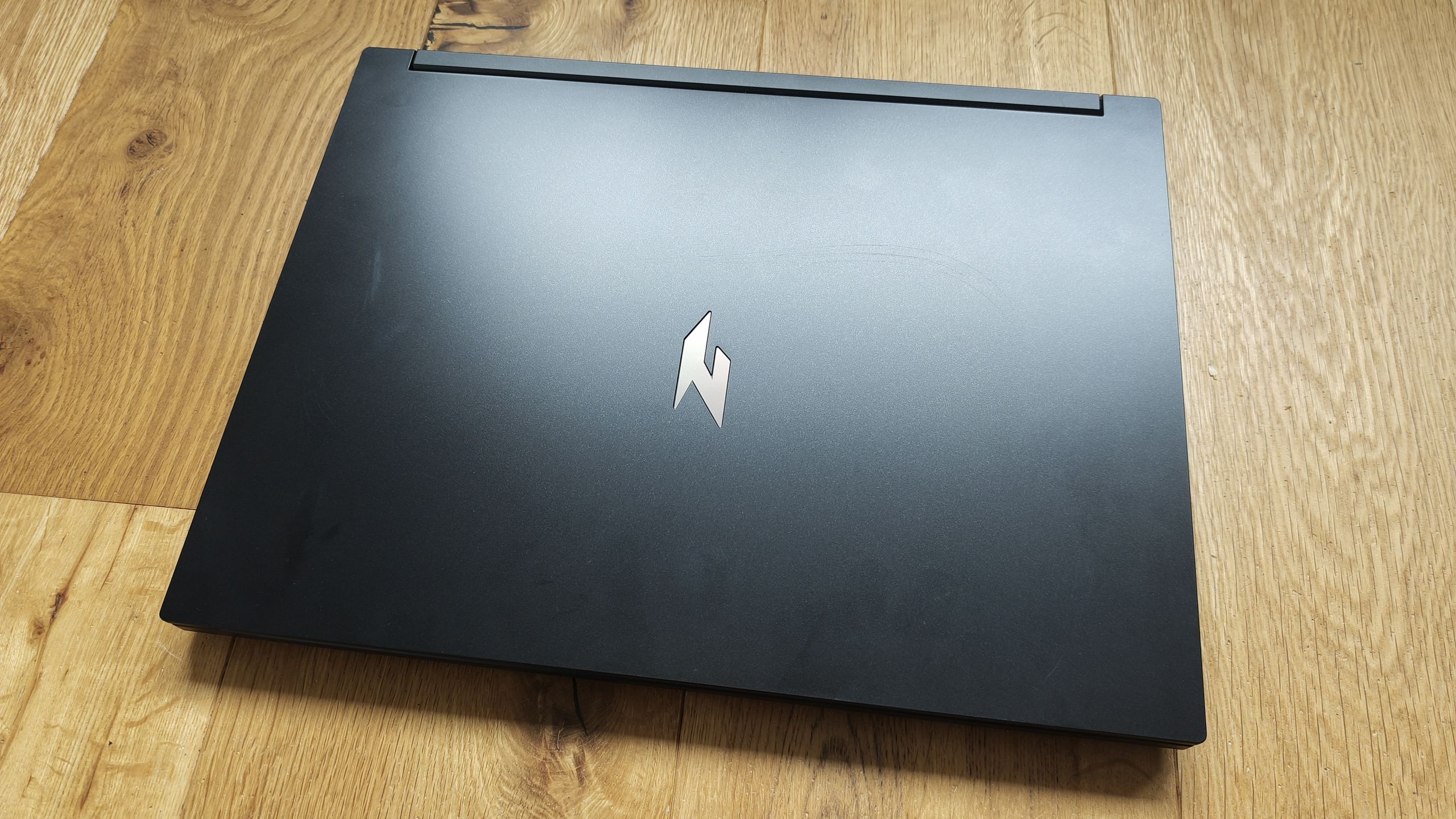
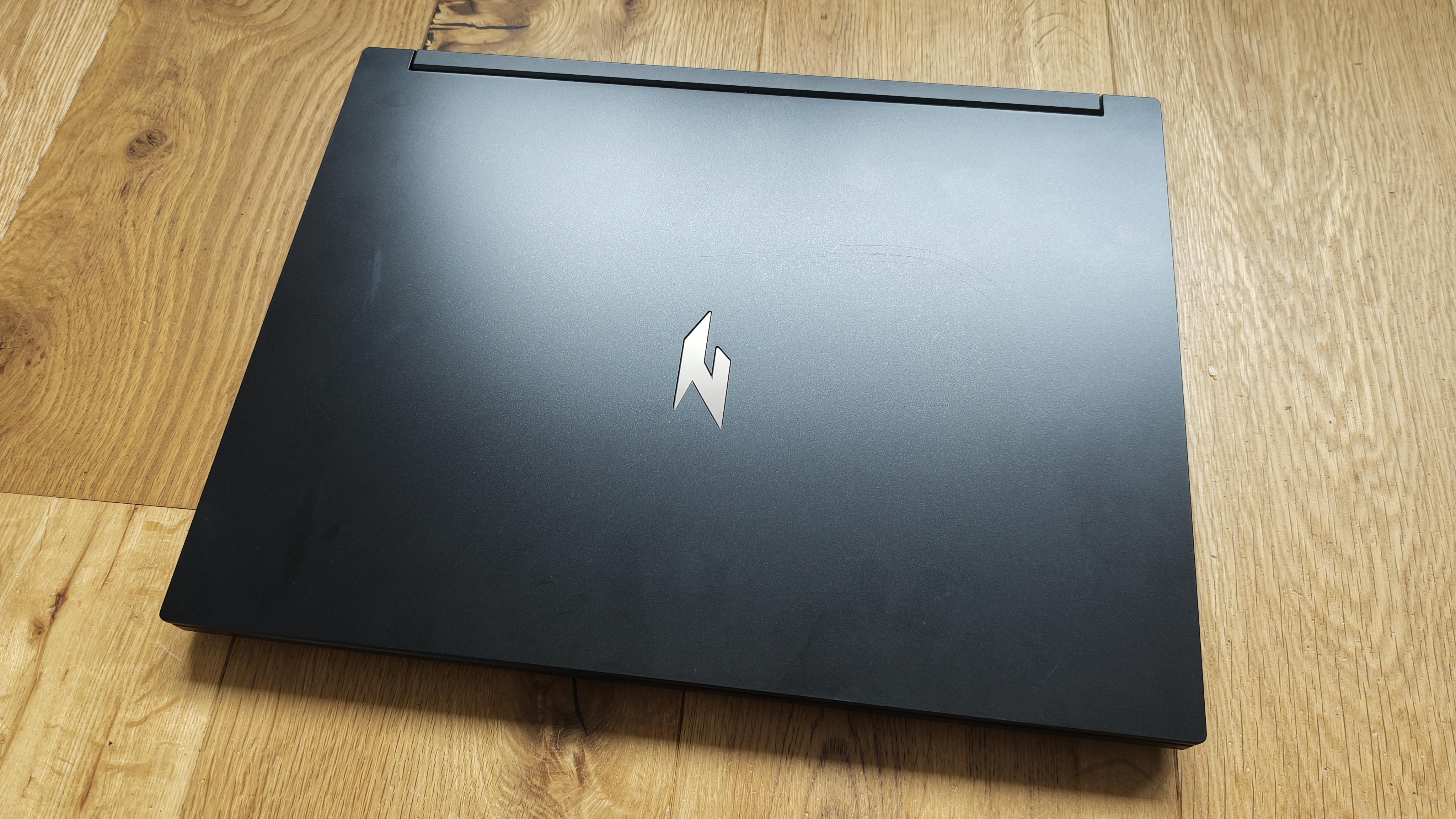
The disparity in modern battery performance is best highlighted by a recent encounter with the Acer Nitro V 16 AI. While this machine is capable of handling intensive creative AI workflows, its endurance is startlingly insufficient. During standard video playback testing, the device hit a wall at just 90 minutes.
To put that into perspective, that is barely enough time to watch a feature-length film or attend a single long-form meeting. In a professional context, this renders the machine essentially a "portable desktop." If a user is constantly tethered to a power brick, the portability factor—the very definition of a laptop—is effectively negated.
This stands in stark contrast to devices like the Lenovo Yoga Slim 7x, which has demonstrated an impressive 13-hour battery life. This is the gold standard for the modern professional. It allows for a full day of productivity without the "battery anxiety" that plagues users of high-performance but power-hungry machines. A 13-hour lifespan provides a buffer, allowing the battery to degrade over years of use while still remaining viable for a full working day.
The Hidden Cost of Battery Anxiety
Beyond the raw numbers, there is a psychological toll to poor battery life. When a user is constantly monitoring the "time remaining" indicator, they are not fully present in their creative or professional tasks.
If a laptop signals that it has only 30 minutes of charge remaining, the user is forced into a state of triage. They must decide which tasks to close, which processes to kill, and how to optimize for power rather than performance. This constant state of vigilance is the antithesis of a creative workflow. When hardware becomes a source of anxiety, it ceases to be a tool and becomes a burden.
Furthermore, the "near-socket" requirement fundamentally changes how we work. The dream of the digital nomad—working from a quiet park, an artisan coffee shop, or a train carriage—is shattered if your device has a leash. While some might suggest carrying a power bank, these accessories are often heavy, bulky, and an unnecessary addition to an already crowded gear bag.
A Chronology of Hardware Priorities
The evolution of laptop design has historically moved in cycles.
- The Early 2000s: Power efficiency was a luxury; most laptops were bulky, heavy, and effectively desktop replacements.
- The Ultrabook Era (2010s): Led by the MacBook Air, manufacturers pivoted toward thinness and efficiency. Battery life became a primary marketing metric, and users finally gained the ability to work for 6–8 hours untethered.
- The AI and GPU Arms Race (2023–Present): With the surge in demand for local AI processing and high-end gaming performance, manufacturers have pivoted back toward raw power. High-TDP (Thermal Design Power) processors and power-hungry GPUs are now standard, often at the expense of battery optimization.
We are currently in a phase where the industry is prioritizing "specs on paper" over "user experience in the wild." While it is exciting to see what a new NPU can do for image generation or video upscaling, those capabilities are irrelevant if the laptop powers down before the render completes.
Supporting Data: Efficiency vs. Capacity
The industry standard for battery life measurement often involves light web browsing or video looping. However, "real-world" testing reveals a different story.
Data from recent reviews shows that while total battery capacity (measured in Watt-hours or Wh) has remained relatively stagnant due to aviation safety regulations—most laptops are capped at 99.9Wh to be allowed on airplanes—the power consumption of internal components has skyrocketed.
- The NPU Factor: While NPUs are designed to be more efficient at specific AI tasks than a general CPU, the overall system overhead of running modern software stacks often offsets these gains.
- GPU Draw: Dedicated graphics cards, even in mobile configurations, remain the single largest drain on battery power. When a user engages in professional tasks like 3D rendering or high-resolution video editing, power draw can exceed 100W, meaning even a large battery will be depleted in less than two hours.
Official Responses and Industry Trends
When pressed on the issue, manufacturers often point to "performance modes" and "AI-optimized power management." The argument is that these laptops are built for specific "prosumer" audiences who prioritize output speed over mobility.
However, this ignores the changing nature of the workforce. Even high-end video editors and 3D artists increasingly demand the ability to iterate on the go. The industry is currently divided:
- The Silicon Valley Approach: Companies like Apple, with their custom Silicon (M-series chips), have demonstrated that it is possible to achieve incredible performance per watt. The 2023 MacBook Pro remains a benchmark for reliability, offering sustained performance that doesn’t drop off a cliff when unplugged.
- The Windows OEM Approach: Many Windows-based manufacturers are still struggling to replicate this efficiency, relying on power-hungry x86 architecture that requires significant cooling and electricity.
The industry is slowly shifting toward ARM-based architectures for Windows (such as the Snapdragon X Elite platforms), which aim to bridge this gap. However, software compatibility remains a hurdle for many specialized creative industries.
Implications: The Future of "Mobile" Computing
The implication of this trend is a potential divide in the laptop market. We are seeing a bifurcation where "Mobile" machines (thin, long-battery, lower-performance) and "Workstation" machines (heavy, short-battery, high-performance) are becoming two distinct classes of devices.
However, the ideal device—the one that remains the "holy grail" for creative professionals—is the one that offers high performance without the need for a wall outlet. For those who refuse to compromise, the market currently favors manufacturers who optimize for power efficiency at the hardware architecture level rather than simply stuffing more battery capacity into the chassis.
Conclusion: A Call for Balanced Design
It is time for consumers to demand more from manufacturers. When shopping for a new machine, we must treat battery life as a non-negotiable specification, equal in importance to RAM, storage, or clock speed.
We need to see a shift in marketing. Instead of solely touting the number of TOPS (Tera Operations Per Second) an NPU can perform, manufacturers should be highlighting "sustained creative hours." If a laptop is designed to be a high-performance tool, it must be designed to be an independent tool.
Ultimately, the best laptop is the one you can take anywhere, confident that it will be there for you when inspiration strikes. If your machine needs to be plugged into the wall, you don’t own a laptop; you own a desktop that is simply waiting for its next trip to the wall socket. It is time for the industry to put as much effort into power management as it does into raw, unbridled power.


 Suro Senen
 Asep Darmawan