

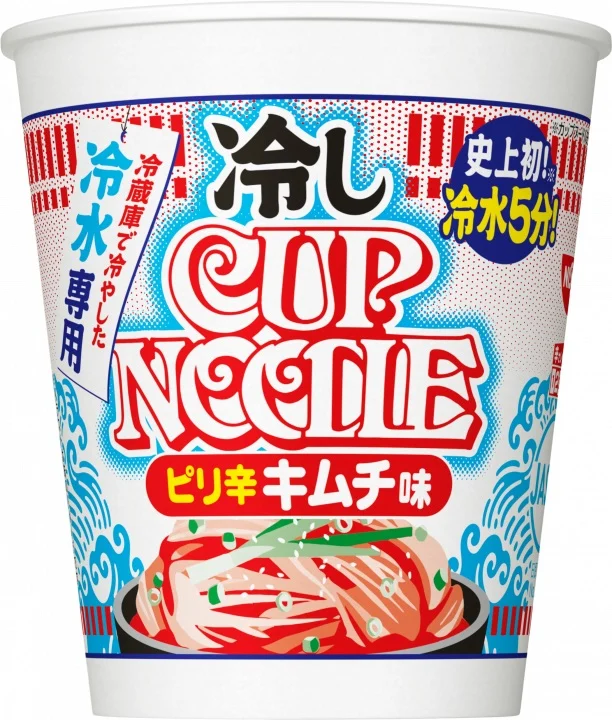
As Japan braces for the sweltering heat of midsummer, the nation’s most iconic culinary staple is undergoing a radical transformation. Nissin, the pioneering force that forever changed global food culture with the invention of instant noodles in 1958, has officially announced the launch of its "Hiyashi Cup Noodle" (Chilled Cup Noodle) line. This breakthrough marks the first time in the brand’s 55-year history that a Cup Noodle product has been engineered specifically to be prepared with cold water rather than boiling heat.
This move is more than a seasonal marketing gimmick; it represents a significant leap in food science and a strategic adaptation to changing consumer behaviors in a warming climate. By eliminating the need for a kettle, Nissin is effectively decoupling "instant" from "hot," opening new avenues for convenience, disaster preparedness, and culinary experimentation.
Main Facts: A New Way to Beat the Heat
The core innovation of the Hiyashi Cup Noodle is its proprietary "Cold Rehydrate" technology. For the average consumer, the process is deceptively simple: fill the cup with cold water from the refrigerator, wait five minutes, and consume. However, achieving this texture—firm, springy, and smooth—using only chilled water required five years of intensive research and development.
The Product Lineup
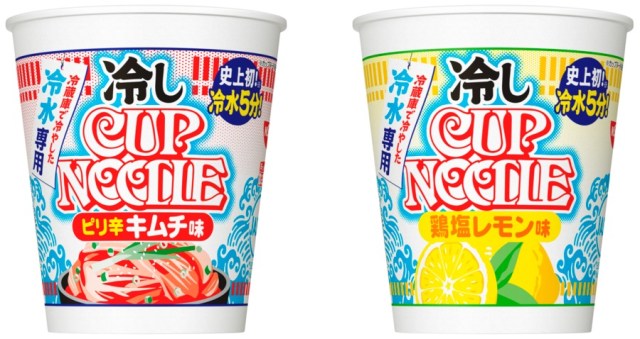
Nissin is debuting the range with two distinct flavor profiles meticulously crafted to provide a refreshing experience during high-temperature months:
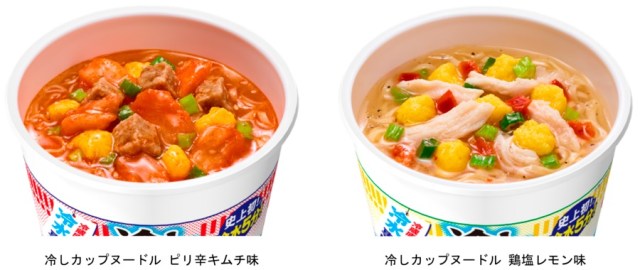
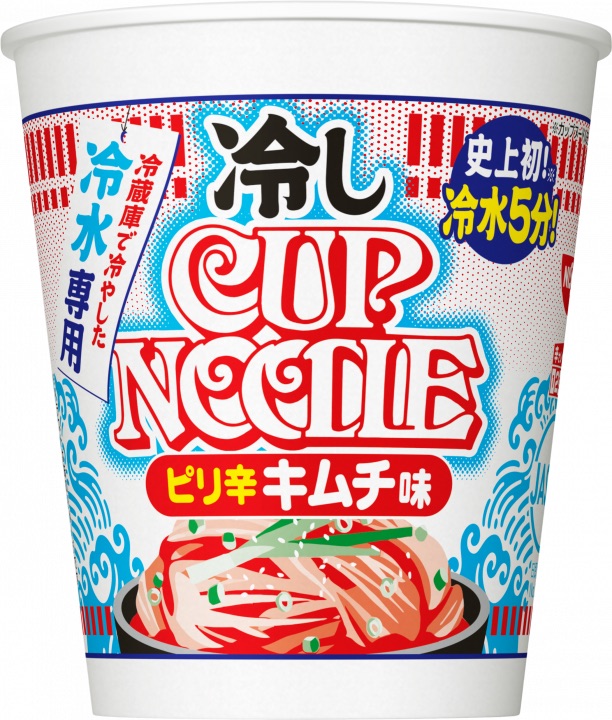
- Spicy Kimchi: This variety features a robust chicken-based broth infused with the sharp, tangy notes of authentic kimchi. It provides a savory, sour, and spicy finish that stimulates the appetite even on the hottest days. The toppings include the brand’s signature "mystery meat" (processed seasoned pork), egg, green onions, and sesame seeds.
- Chicken Salt Lemon: Designed for those seeking a lighter, more palate-cleansing experience, this version blends chicken, bonito, and dried sardine stocks. The addition of bright, citrusy lemon provides a crisp, refreshing finish. It is accompanied by tender steamed chicken, egg, green onions, and vibrant red bell peppers.
Each unit is priced at 285 yen (approximately $1.90 USD) plus tax, with a nationwide rollout in Japan scheduled for July 20.
Chronology: A Five-Year Odyssey of Innovation
The journey to the Hiyashi Cup Noodle began in the wake of shifting consumer feedback. While Cup Noodle has been a global success since its 1971 debut, the internal research team at Nissin identified a persistent "summer slump" in sales. During the peak of Japan’s humid summer, many consumers find themselves deterred by the prospect of consuming piping-hot soup.
The Development Timeline
- 2021 (The Conceptual Phase): Nissin’s R&D department initiated a project to determine if starch structures could be modified to rehydrate effectively in water temperatures below 15°C (59°F).
- 2023 (Technical Hurdles): The primary challenge was the "rehydration speed" and the resulting texture. Early prototypes were either too mushy or insufficiently softened after five minutes. The team experimented with various noodle thicknesses and porosity levels.
- 2025 (The Breakthrough): Engineers finalized the "Cold Rehydrate" technology, which utilizes a specialized drying process that makes the noodles highly receptive to lower-temperature water absorption.
- 2026 (The Anniversary Launch): To commemorate the 55th anniversary of the Cup Noodle, Nissin decided to move from the pilot testing phase to a full-scale retail launch, aligning the product with the peak of the 2026 summer season.
Supporting Data and Technical Specifications
The engineering behind the Hiyashi Cup Noodle is rooted in food physics. Standard instant noodles are flash-fried or air-dried to create a porous structure that absorbs boiling water instantly. When cold water is introduced to standard noodles, the starches remain largely crystalline and tough, resulting in a gritty, unpleasant mouthfeel.
Nissin’s new technology alters the noodle’s molecular architecture. By increasing the surface area of the noodle strand and adjusting the lipid-to-protein ratio, the company has created a product that allows water molecules to penetrate the noodle core even without the kinetic energy provided by boiling temperatures.
Comparative Metrics
| Feature | Traditional Cup Noodle | Hiyashi Cup Noodle |
|---|---|---|
| Preparation Temp | 100°C (Boiling) | 5°C–10°C (Chilled) |
| Wait Time | 3 Minutes | 5 Minutes |
| Texture Profile | Soft / Hot | Firm / Elastic / Refreshing |
| Best Season | Autumn/Winter/Spring | Midsummer |
Furthermore, the soup bases were reformulated. Traditional fats, such as pork lard, tend to congeal or become waxy at cold temperatures. The Hiyashi range utilizes high-solubility seasonings and vegetable-derived fats that maintain a clean, vibrant mouthfeel even when chilled.
Official Responses and Industry Outlook
Nissin’s executive board has framed this launch as a "reinvention of the instant meal category." In a statement released to the press, a company spokesperson emphasized the necessity of agility in the food manufacturing sector.
"We recognized that our customers’ lifestyles were changing," the representative noted. "The modern consumer is looking for versatility. By removing the need for a heat source, we are not just launching a summer product; we are launching a product for picnics, offices, and outdoor events where hot water is inaccessible."
Market analysts have reacted positively to the news. "Nissin has a history of taking risks that pay off," says Kenji Tanaka, a retail analyst based in Tokyo. "While some might view a ‘cold ramen’ as a niche experiment, it addresses the very real issue of seasonal demand. Furthermore, the shelf-stable nature of the product makes it a potential game-changer for the emergency supply market."
Implications: Beyond the Summer Breeze
The introduction of the Hiyashi Cup Noodle carries implications that extend far beyond the supermarket shelf.
1. Disaster Preparedness
One of the most significant, if unintended, benefits of the Hiyashi series is its utility in emergency scenarios. In the event of an earthquake or infrastructure failure, access to boiling water is often limited. A shelf-stable, room-temperature-storable noodle that requires only a bottle of water to prepare is a vital addition to any disaster-preparedness kit. It provides a calorie-dense, palatable meal without the danger of open flames or the need for electricity.
2. A New Culinary Category
This product could spark a broader trend in the instant food industry. Competitors are likely to observe the performance of the Hiyashi line with keen interest. If successful, we may soon see a flood of cold-prep instant pastas, soups, and porridge alternatives. This shift could redefine how "convenience food" is perceived, moving it away from the "winter comfort" paradigm into a year-round, versatile necessity.
3. Sustainability and Energy
While the environmental impact of one cup of ramen is negligible, the collective energy savings of a nation not boiling kettles during the hottest months of the year is theoretically significant. As corporations move toward net-zero initiatives, products that reduce energy consumption during the "end-user" phase—the preparation stage—are becoming an increasingly attractive component of corporate social responsibility.
4. The Future of Innovation
Nissin’s success with the "Cold Rehydrate" technology confirms that the company is far from exhausting the potential of the instant noodle. As we look toward the next 55 years, the Hiyashi series serves as a reminder that even the most established products can be disrupted. By focusing on the intersection of consumer pain points—in this case, heat exhaustion and the desire for quick, cool meals—Nissin has once again proven why it remains the global leader in instant ramen innovation.
As the July 20 launch date approaches, the excitement among Japanese consumers is palpable. Whether it becomes a permanent fixture in the convenience store aisle or remains a beloved summer specialty, the Hiyashi Cup Noodle is undoubtedly a triumph of modern food engineering, proving that sometimes, to move forward, you just need to chill.











