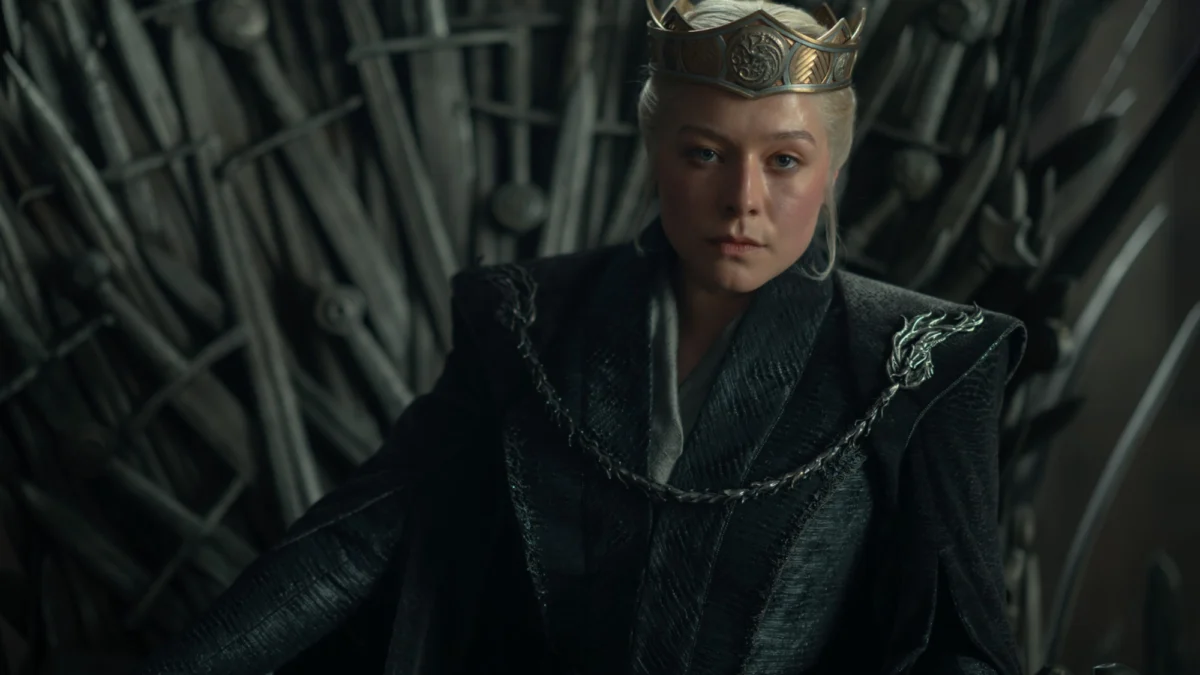
As the third episode of House of the Dragon’s third season prepares to air, the political and emotional landscape of Westeros has never been more volatile. Following a harrowing start to the season—marked by the brutal execution of Otto Hightower and a failed escape attempt that has left the realm teetering on the edge of total collapse—viewers are bracing for what promises to be a pivotal hour in the Targaryen civil war.
With Queen Rhaenyra (Emma D’Arcy) forced into a precarious confrontation with Alicent Hightower (Olivia Cooke), the series continues to explore the devastating human cost of the "Dance of the Dragons." Beyond the immediate screen action, showrunner Ryan Condal has provided critical insights into the production’s future, confirming that the fourth season will serve as the epic conclusion to this chapter of the Game of Thrones universe.

The State of the Realm: Main Facts and Current Conflict
The third season of House of the Dragon has wasted no time in escalating the stakes. The narrative momentum, fueled by the shocking death of Otto Hightower (Rhys Ifans), has stripped away the last vestiges of diplomatic pretense between the Greens and the Blacks.
For fans following the series, the current season represents the mid-point of the tragic decline of House Targaryen. The internal friction between Rhaenyra and her advisors, coupled with the instability of the Green Council, has created a power vacuum that is being filled by violence rather than policy. The recent "Battle of the Gullet" serves as a thematic anchor for the season’s current trajectory, reminding the audience that regardless of who sits on the Iron Throne, the cost of victory is often the destruction of the kingdom itself.
Chronology of the Conflict: From the Gullet to the Present
To understand the intensity of tonight’s episode, one must look back at the rapid succession of events that defined the first two installments of Season 3:
- The Aftermath of the Gullet: The season opened with the immediate fallout of the naval engagement at the Gullet. This event not only crippled the Velaryon fleet but also shifted the tactical advantage in the war, forcing Rhaenyra to re-evaluate her alliances.
- The Execution of Otto Hightower: In a move that shattered the status quo, the political landscape was irrevocably altered by the death of the Hand of the King. This act of violence removed the most experienced political operator from the board, leaving Alicent and the remaining Greens to navigate a power struggle without their most seasoned strategist.
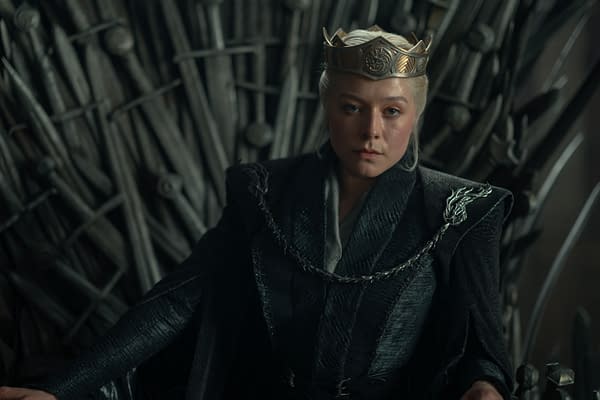
- The Impending Confrontation: Tonight’s episode centers on the high-tension meeting between Rhaenyra and Alicent. With the ghosts of their shared past and the recent tragedies of the war hanging between them, this encounter is expected to be one of the most significant character beats in the show’s history.
Supporting Data: Behind the Camera
The success of House of the Dragon relies as much on its behind-the-scenes craft as its source material, George R.R. Martin’s Fire & Blood.

Directing and Writing Pedigree
Tonight’s episode, directed by Clare Kilner and written by Sara Hess, continues the trend of intense, character-driven storytelling. Kilner, who has helmed some of the most emotionally resonant episodes in the series, is expected to bring a claustrophobic, high-stakes atmosphere to the interaction between the two queens. Hess, a veteran of the Game of Thrones universe, has consistently pushed the boundaries of the source material to focus on the psychological toll of the war on the female leads.
Cast Dynamics
The ensemble cast—which includes Matt Smith, Steve Toussaint, Ewan Mitchell, and Tom Glynn-Carney—continues to deliver performances that ground the high-fantasy elements in gritty, human reality. The chemistry between D’Arcy and Cooke remains the heart of the series; their ability to convey centuries of familial and political tension through subtle gestures has become the hallmark of this production.
Official Responses: Ryan Condal on the Future
In a recent, exclusive interview with Deadline, showrunner Ryan Condal provided a roadmap for the remainder of the series. His comments have clarified the production schedule and the ultimate trajectory of the show.
The Scale of Season 4
Condal confirmed that while the fourth season will follow a similar production cadence to previous years, its "ambition" is unparalleled. "It will be the biggest season we have made, for sure," Condal stated. The scale is necessitated by the narrative requirements of the final act of the Dance of the Dragons, which requires massive set pieces and complex CGI work to depict the full-scale dragon warfare that defines the end of the conflict.
Logistical Challenges
Filming in the UK presents unique challenges, particularly regarding daylight hours. Condal explained the necessity of a spring start date: "We always have to straddle the British summer, which just means starting filming in the spring then wrapping before it gets dark again." This logistical constraint is a major factor in the show’s biennial release schedule, as the production requires over a year of preparation and filming to execute the vision for each season.
Life After Westeros
Perhaps the most significant revelation from Condal is his perspective on the conclusion of the series. When asked about his future with the Game of Thrones universe, Condal suggested he is ready to step away. "Anything is possible, but I think I have said what I have to say about Westeros," he remarked. His current focus is entirely on the "snake eating its tail" process of writing the final season while simultaneously managing the release of the current one. This singular focus on closing out the story of House Targaryen suggests that the final season will be a cohesive, deliberate conclusion rather than a setup for further spin-offs.

Implications: The End of an Era
The implications of the current season are profound for both the characters and the franchise. As the series moves toward its 2027 conclusion, several key questions remain:
- The Legacy of House Targaryen: As the war grinds on, the dragons themselves—the very source of the dynasty’s power—are being depleted. The show is effectively documenting the slow, agonizing suicide of a superpower.
- The Shift in Tone: With the series entering its final chapters, the tone has shifted from political intrigue to a more tragic, inevitable march toward destruction. The death of major characters like Otto Hightower signals that no one is safe, and the "plot armor" often associated with big-budget fantasy is being systematically stripped away.
- The Franchise’s Future: While Condal may be ready to move on, the broader Game of Thrones universe remains a massive priority for HBO. The end of House of the Dragon will likely trigger a re-evaluation of how HBO approaches the franchise, potentially moving toward more contained, shorter-term narratives rather than long-running, multi-season epics.
Conclusion: Watching the Fire Burn
Tonight’s episode of House of the Dragon is more than just another chapter in a television show; it is a turning point. With the narrative threads tightening around Rhaenyra and the remaining members of the royal family, the audience is witnessing the culmination of years of storytelling.

As we look toward the final season, the dedication of the production team to maintaining the "ambition" of the project, as promised by Ryan Condal, is a testament to the show’s enduring quality. Whether you are rooting for the Black Council or the supporters of the Green, one thing remains clear: the final seasons of House of the Dragon will be remembered as a masterclass in the tragedy of power.
As the production gears up for a Spring 2027 start for the final run, fans can rest assured that the fire in Westeros is not going out quietly. For now, all eyes are on tonight’s episode, and the inevitable, heart-wrenching, and spectacular confrontations that await our characters in the halls of power.