

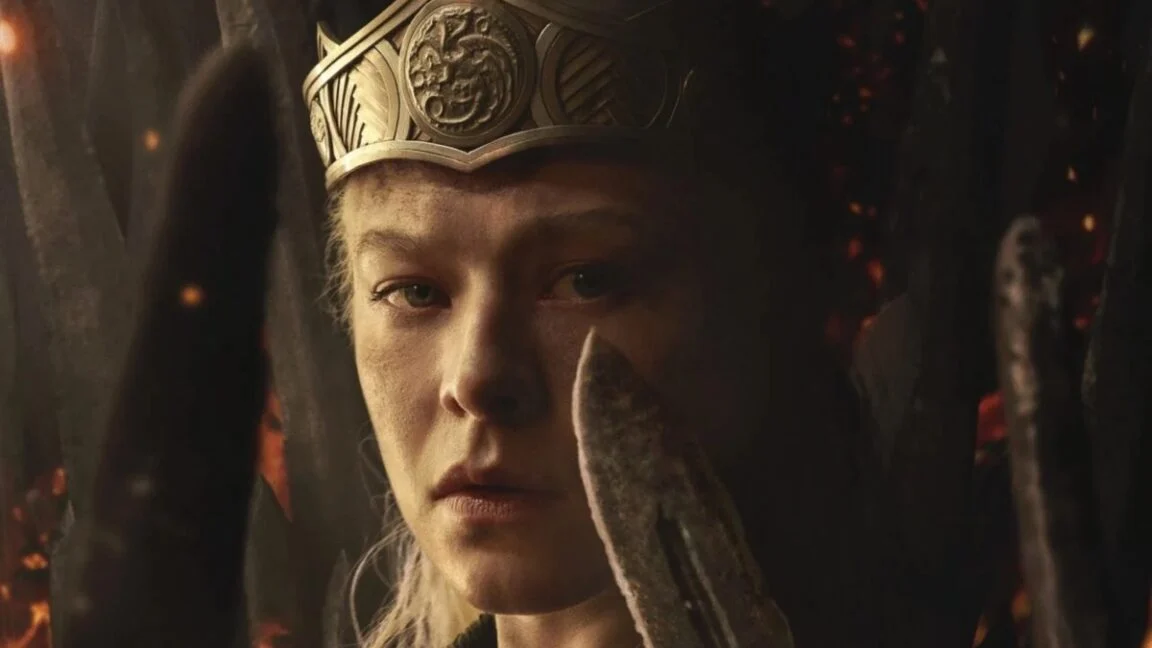
The realm of Westeros is once again bracing for the scorched-earth consequences of a fractured dynasty. Following a second season that focused heavily on the intricate, claustrophobic politicking of the Targaryen civil war, HBO has signaled a dramatic pivot for House of the Dragon’s third outing. The recently released teaser trailer confirms that the "Dance of the Dragons"—the brutal, dragon-on-dragon conflict that defines George R.R. Martin’s Fire & Blood—has moved from the negotiating table to the skies.
For fans who felt the pacing of the second season prioritized psychological maneuvering over the promised spectacle of open warfare, the message from showrunner Ryan Condal is clear: the gloves are off. The long-awaited "Battle of the Gullet" is no longer a distant threat; it is the opening salvo of a season that promises to be the most destructive yet.
The Historical Context: A Legacy of Ash
To understand the gravity of the upcoming conflict, one must look back nearly two centuries before the birth of Daenerys Targaryen. House of the Dragon serves as a prequel to the cultural phenomenon that was Game of Thrones, but while the original series focused on the struggle for a throne in a world where dragons were extinct myths, this series chronicles the period when dragons were the undisputed masters of the sky.
Based on the dense, historical-chronicle style of George R.R. Martin’s Fire & Blood, the show details the internal collapse of House Targaryen. It is a tragedy of Shakespearean proportions, where a family’s greatest asset—their dragons—becomes the instrument of their own undoing. As book readers are acutely aware, the civil war known as the "Dance" is not merely a political dispute; it is an ecological and military catastrophe that marks the beginning of the end for the Targaryen dominance, leading to the eventual stagnation and biological extinction of their fire-breathing companions.
Chronology: The Road to the Gullet
The narrative trajectory of the series has been a slow-burn descent into chaos. Season 1 established the fault lines: the death of King Viserys I and the subsequent dispute over the succession between his chosen heir, Rhaenyra Targaryen, and his son, Aegon II, whom the "Greens" (the Hightower-aligned faction) crowned in defiance of established precedent.
Season 2 served as a period of military mobilization. While it was criticized in some quarters for its abbreviated eight-episode run—a change from the standard ten-episode format—the showrunners successfully positioned the key players for an explosive third act.
The Turning Point
The end of Season 2 left the board in a state of high tension:
- The Rhaenyra-Aemond Divide: After Aemond Targaryen’s reckless destruction of Sharp Point, the illusion of a negotiated peace evaporated. Rhaenyra, portrayed with steely resolve by Emma D’Arcy, has moved past the desire for reconciliation, fully embracing her role as the "Black Queen" of a war-torn realm.
- The Exile of Aegon II: In a twist that deviated from the traditional "warrior king" archetype, the wounded Aegon II (Tom Glynn-Carney) has retreated to Braavos. This move serves as a strategic "wait-and-see" approach, allowing him to distance himself from the immediate carnage while keeping his claim to the throne alive.
- The Impending Siege: The Battle of the Gullet, a naval engagement of massive proportions that was originally slated for the end of Season 2, is now confirmed as the catalyst for Season 3. This battle will pit the Velaryon fleet against the Triarchy, forcing the dragonriders of the Black faction to intervene in a way that will undoubtedly result in significant casualties.
Supporting Data: A Massive Ensemble Returns
The scale of House of the Dragon is matched only by the complexity of its cast list. Returning for Season 3 is a gargantuan roster of talent that reflects the sprawling nature of the war.
The Black Council & Allies
- Emma D’Arcy (Rhaenyra Targaryen): The heart of the Black faction, now hardened by grief and betrayal.
- Matt Smith (Daemon Targaryen): Having spent much of the previous season in the haunting halls of Harrenhal, Daemon returns with his loyalty and sanity tested, yet he remains the wild card of the war.
- Steve Toussaint (Corlys Velaryon): As the Lord of the Tides, his naval expertise will be the cornerstone of the Battle of the Gullet.
- Harry Collett (Jacaerys Velaryon), Bethany Antonia (Baela Targaryen), and Phoebe Campbell (Rhaena Targaryen): The new generation of dragonriders, whose fates are tied to the high-stakes aerial combat of the upcoming episodes.
The Green Faction & Court Intrigues
- Olivia Cooke (Alicent Hightower): Navigating the fallout of her son’s usurpation and the collapse of her influence.
- Ewan Mitchell (Aemond Targaryen): The primary antagonist of the second season, whose tactical brutality has forced the hand of his mother and brother.
- Fabien Frankel (Criston Cole): The Lord Commander of the Kingsguard, whose personal vendettas have become indistinguishable from state policy.
- Rhys Ifans (Otto Hightower) and Matthew Needham (Larys Strong): The architects of the Green faction’s shadows, continuing their game of influence behind the Iron Throne.
The addition of new players such as the "Dragonseeds"—Kieran Bew (Hugh Hammer), Abubakar Salim (Alyn of Hull), Clinton Liberty (Addam of Hull), and Tom Bennett (Ulf White)—suggests that the show will explore the lower-born claimants to Targaryen blood, a plot point that adds significant depth to the concept of dragon-riding legitimacy.
Official Responses and Creative Direction
HBO executives and showrunner Ryan Condal have addressed the pacing concerns stemming from the S2 finale. In several press briefings, the production team has emphasized that the "whimper" of the Season 2 conclusion was a deliberate narrative choice—a "calm before the storm" designed to emphasize the gravity of the lives being lost.
"We are building toward an inevitability," Condal noted during a recent promotional event. "The third season is not about whether war will happen, but about the cost of that war on those who wield the power of dragons."
Critics have pointed out that the decision to truncate the second season into eight episodes likely forced the shift of the Battle of the Gullet into the third season’s premiere window. While this created a narrative lull, the studio maintains that it provides a more robust, high-budget start to the next season, ensuring that the visual effects (VFX) budget is focused on the most critical moments of the conflict.
Implications: A Realm in Flux
The implications for the remainder of the series are profound. As the war expands:
- The Ecological Toll: The conflict is not just between men, but between the dragons themselves. The deaths of these creatures will signal the permanent decline of Targaryen power, a theme that resonates throughout the lore of the Seven Kingdoms.
- The Shift in Tone: The transition from courtly intrigue to "Total War" changes the genre of the show. Audiences should expect a more action-oriented narrative, akin to the later seasons of Game of Thrones, but with the heightened stakes of the "Dance of the Dragons" historical event.
- The Moral Gray Area: As the series continues, the distinction between "right" and "wrong" heirs becomes increasingly irrelevant. The show is moving toward a conclusion where the only true victim is the realm itself, and the only victor is the fire that consumes it.
As we look toward the premiere of Season 3, the tension is palpable. The teaser trailer—filled with fire, blood, and the unmistakable roar of ancient beasts—is more than just promotional material; it is a promise. The dance has begun, and in the world of Westeros, the music always ends in a funeral dirge. Whether the fans get their "bang" remains to be seen, but given the trajectory of the narrative, it is difficult to imagine any outcome other than total, devastating warfare.












No comments yet. Be the first to join the conversation!