

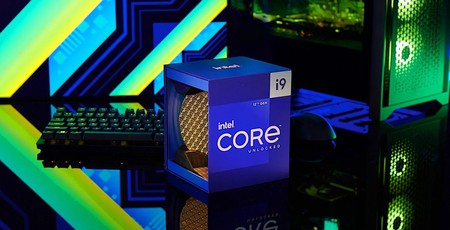
In a pivotal move that marks the most significant architectural shift for the company in over a decade, Intel has officially launched its 12th Generation Core processor lineup, codenamed "Alder Lake." Unveiled this past Wednesday, the new series represents Intel’s aggressive response to the competitive landscape of the desktop CPU market, moving away from a uniform core design toward a sophisticated hybrid architecture. By blending high-performance "P-cores" with high-efficiency "E-cores," Intel aims to reclaim its dominance in both gaming and productivity.
The Core Lineup: A New Nomenclature for Enthusiasts
The initial launch focuses on the enthusiast-grade "K-series" chips, designed specifically for gamers, overclockers, and power users. The roster consists of three primary tiers, each offered with and without integrated graphics:
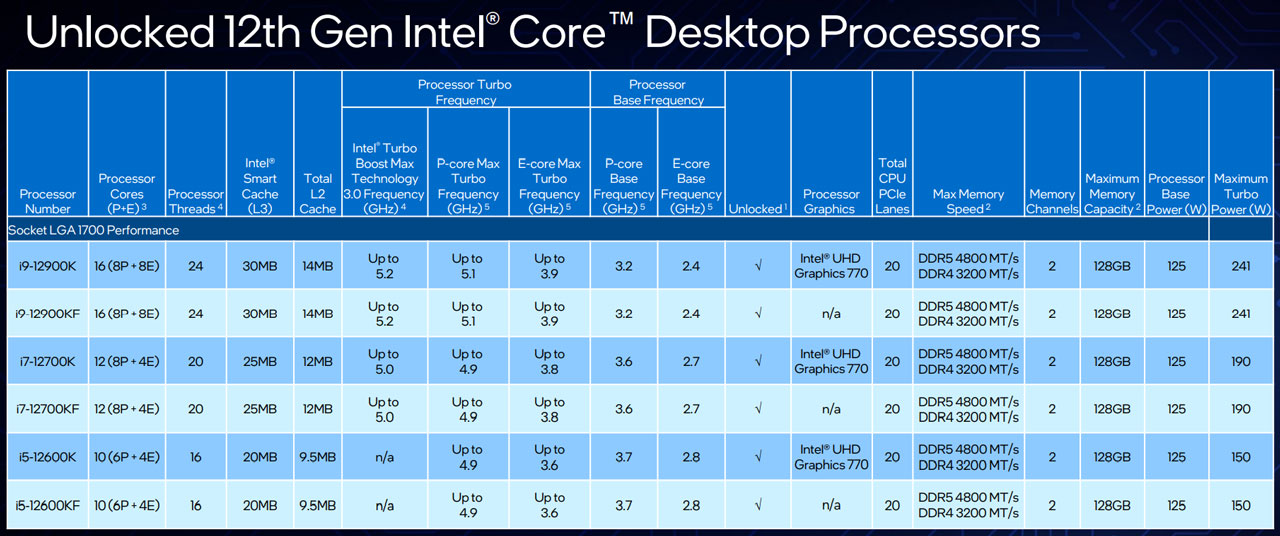
- Intel Core i9-12900K / KF: The flagship 16-core (8 P-cores, 8 E-cores) behemoth capable of boosting up to 5.2GHz.
- Intel Core i7-12700K / KF: The high-end powerhouse featuring 12 cores (8 P-cores, 4 E-cores).
- Intel Core i5-12600K / KF: The mid-range performance king, sporting 10 cores (6 P-cores, 4 E-cores).
As seasoned PC builders will recognize, the "K" suffix denotes an unlocked multiplier for overclocking, while the "KF" variants mirror these performance specifications but arrive with the integrated GPU disabled. This segmentation provides consumers with a choice between the utility of an iGPU—useful for troubleshooting or quick-sync video encoding—and the potential cost savings of the KF-series for those who already own a discrete graphics card.
Chronology: From Architecture Day to Retail Reality
The path to the 12th Generation launch has been meticulously paced. Intel first piqued the industry’s interest during its "Architecture Day" in August 2021, where the company outlined the "Intel 7" process node and the fundamental principles of the Alder Lake hybrid design.
Following that reveal, the industry spent months speculating on core counts, power consumption, and the inevitable shift to the new LGA 1700 socket. This week’s announcement provided the missing pieces of the puzzle: specific SKU configurations, official pricing, and the ecosystem of supporting hardware.
Despite the technical disclosures, Intel has maintained a strict embargo on independent performance reviews. While enthusiasts are eager to see how these chips perform in the real world, they will have to wait until the official retail release on November 4th, when CPUs and their accompanying Z690 motherboards become available for purchase and independent benchmarking.
Supporting Data: Understanding the Hybrid Architecture
The 12th Gen series is not merely a speed increase; it is a fundamental re-engineering of how CPUs handle tasks. The architecture utilizes a "Thread Director" technology, which works in tandem with Windows 11 to intelligently assign tasks to either the Performance-cores (P-cores) or the Efficiency-cores (E-cores).
Power Dynamics and Thermal Realities
A critical shift in the technical documentation is the distinction between "Processor Base Power" and "Maximum Turbo Power." For the i9-12900K, the base power is set at 125W, but under heavy, sustained workloads, the chip is expected to reach "Turbo" states that pull upwards of 240W. Intel acknowledges that enthusiast-grade motherboards will default to these higher power limits, effectively treating the "Turbo" wattage as the operational standard. Users should plan their cooling solutions accordingly, as these chips will require robust AIO liquid coolers or high-end air coolers to maintain optimal clock speeds.
Performance Claims vs. Competitive Context
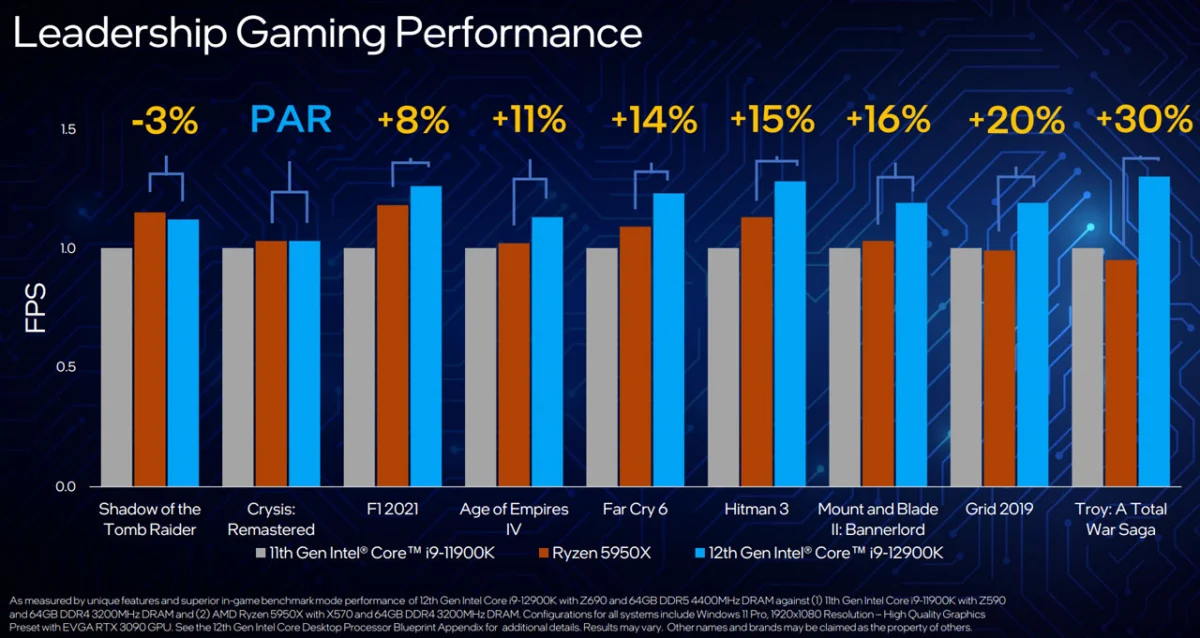
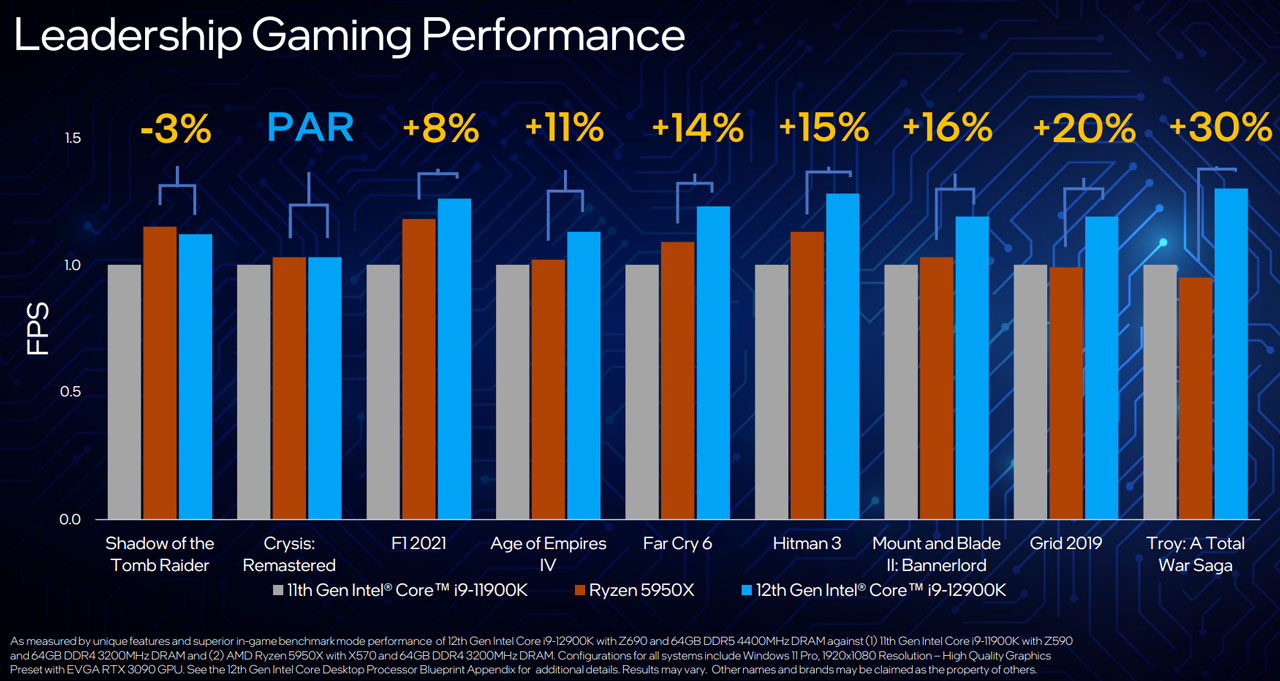
Intel’s internal testing paints a picture of a massive performance lead. The company claims the i9-12900K is the "world’s best gaming processor," touting a 12 percent lead over the AMD Ryzen 9 5950X in modern gaming titles.
However, this data arrives with a caveat. Recent reports indicate that the Windows 11 environment used for these benchmarks may not have been fully optimized with the latest patches required for AMD platforms. Known issues regarding L3 cache latency and "preferred core" scheduling on AMD hardware have been shown to impact gaming performance by as much as 15 percent. Consequently, the industry is waiting with bated breath for third-party reviewers to conduct "apples-to-apples" testing once the platform stability updates are applied to both camps.
In the realm of content creation, Intel reports at least a 30 percent uplift in multi-threaded performance compared to the 11th Gen Rocket Lake processors. This leap is largely attributed to the increase in core counts and the efficient offloading of background processes to the E-cores, allowing the P-cores to focus entirely on intensive rendering and compute tasks.
Official Responses and Ecosystem Readiness
The launch of the processors is supported by a massive rollout of the 600-series chipset, specifically the Z690 platform. This chipset introduces several "next-gen" standards to the mainstream desktop market, most notably:
- DDR5 Memory Support: Providing a significant bandwidth jump over traditional DDR4, though the platform maintains backward compatibility with DDR4 on many motherboards.
- PCIe 5.0: Future-proofing the system for upcoming high-speed SSDs and next-generation GPUs.
- Expanded Connectivity: Faster integrated networking and increased PCIe lane density for high-speed peripheral support.
Leading manufacturers including Asus, Gigabyte, and MSI have already unveiled their Z690 lineups. Asus, for instance, has prepared an exhaustive portfolio of 19 distinct Z690 models, ranging from compact mini-ITX boards for small-form-factor builds to massive E-ATX boards loaded with power stages designed for extreme overclocking. Similarly, memory manufacturers like G.Skill are showcasing extreme-speed DDR5 kits, with some modules being pushed to 6800MHz, highlighting the platform’s high-speed potential.
Implications for the PC Enthusiast Market
The implications of the Alder Lake launch are profound. By moving to a hybrid architecture, Intel is effectively forcing the software ecosystem—specifically Microsoft and game developers—to optimize for heterogeneous computing.
The Cost of Entry
The pricing strategy remains competitive, with the i9-12900K at $590, the i7-12700K at $410, and the i5-12600K at $290. While these prices reflect the high-end nature of the launch, the platform investment is higher than previous generations. Because the LGA 1700 socket is a new standard, users cannot reuse existing motherboards, and the decision to adopt DDR5—while beneficial for performance—adds a significant premium to the total cost of a build.
A New Era of Competition
The battle for the "gaming crown" has never been more intense. With AMD having held the performance lead for several years, Intel’s shift to the "Intel 7" process and hybrid architecture is a high-stakes gamble. If the real-world benchmarks hold up to the company’s internal projections, Intel may indeed re-establish itself as the default choice for high-end gaming rigs.
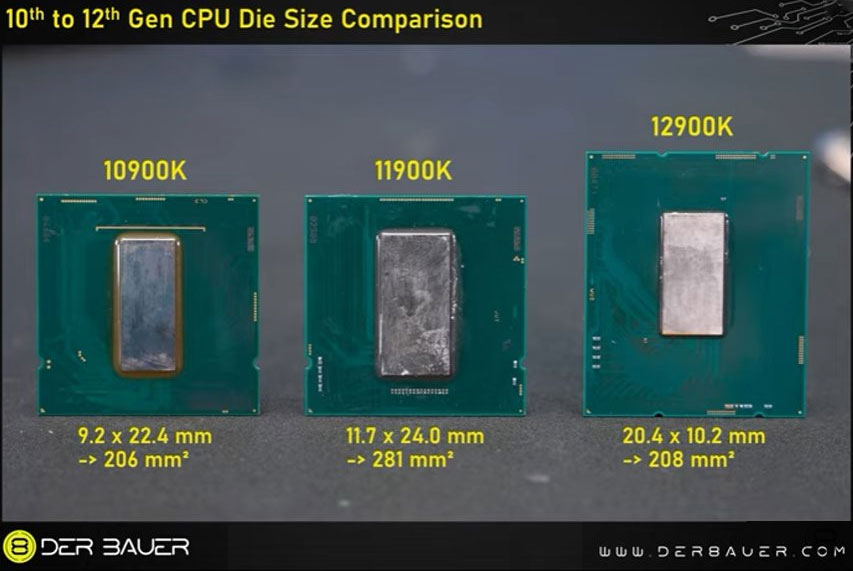
However, the true test will not occur on launch day, but in the months that follow. As developers optimize games for the hybrid core structure and as Windows 11 matures, the true potential of the 12th Gen processors will be realized. For the enthusiast, this is a time of immense excitement; the transition to PCIe 5.0 and DDR5, combined with a radical new CPU architecture, makes this the most significant upgrade cycle in recent memory.
As the November 4th release date approaches, the industry is poised to see if the "Intel 7" process can truly bridge the gap between efficiency and raw, unadulterated power. Whether you are a content creator looking to shave hours off your render times or a gamer seeking the highest possible frame rates, the 12th Gen Alder Lake processors represent a fascinating glimpse into the future of computing.











