

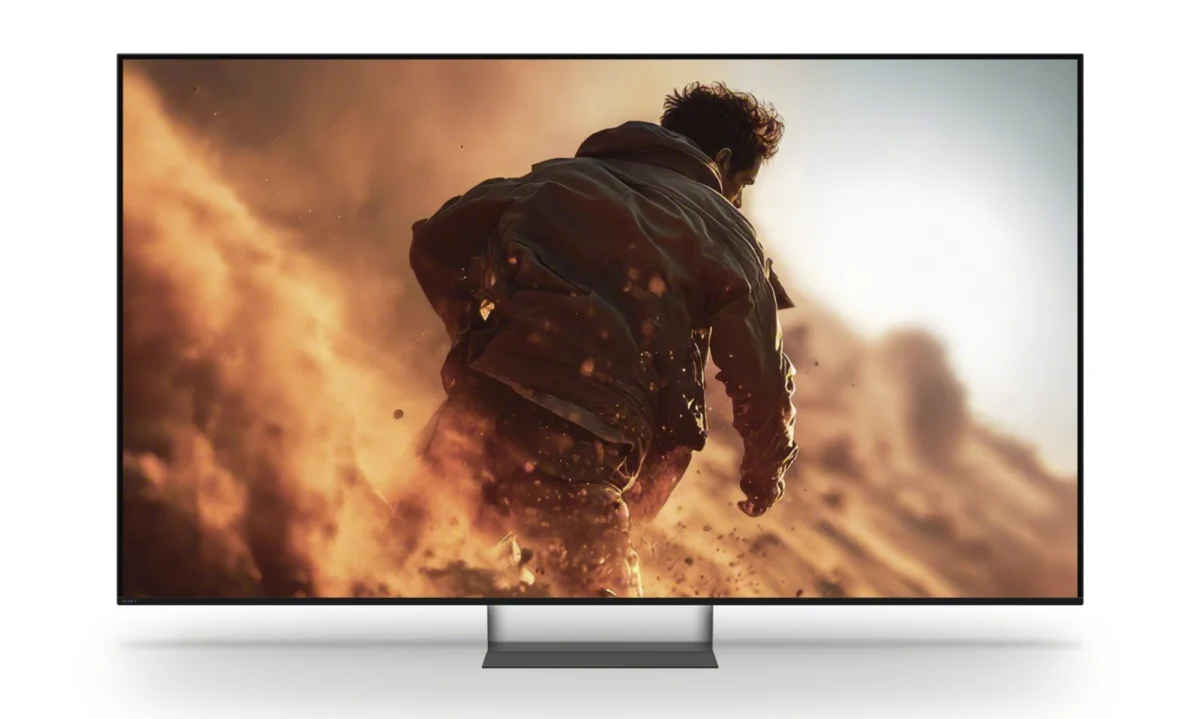
The home theater landscape has just experienced a seismic shift. Sony Electronics has officially pulled the curtain back on its latest flagship television lineup: the BRAVIA 9 II and BRAVIA 7 II. These models represent more than just a routine annual refresh; they are the debut of a proprietary "True RGB" display architecture that promises to rewrite the rules of color reproduction, brightness, and contrast. By moving away from the industry-standard white backlight systems, Sony is making a bold play for the future of premium home entertainment.
Main Facts: The True RGB Breakthrough
At the core of the new BRAVIA series is a radical departure from conventional display engineering. Most modern LED televisions, including high-end Mini LED sets, rely on a blue or white backlight filtered through a layer of phosphors or quantum dots to create color. Sony’s new True RGB technology bypasses this by utilizing independently controlled red, green, and blue LEDs to generate color directly at the source.
This architectural shift allows for what Sony describes as the largest color volume ever achieved in their television history. By eliminating the white sub-pixel—which often dilutes color saturation in high-brightness scenarios—the BRAVIA 9 II and 7 II maintain vibrant, accurate hues even at peak luminance. The result is a display that Sony claims bridges the gap between the legendary deep blacks of OLED and the searing, high-impact brightness of Mini LED, offering a "best-of-both-worlds" experience for the modern cinephile.

A Two-Decade Chronology: From Qualia to Reality
The journey to this moment has been long and deliberate. Sony’s obsession with pure color reproduction is not a new phenomenon; it can be traced back to the legendary Qualia 005 television released in 2004. The Qualia 005 was a groundbreaking, albeit niche, device that utilized Triluminos LED technology to achieve a color gamut far wider than anything else on the market at the time.
However, the technology was notoriously difficult and expensive to scale. For the two decades that followed, Sony refined its image processing chips and local dimming algorithms, waiting for LED manufacturing to catch up to their vision of direct RGB control. During this period, the company experimented with various iterations of its BRAVIA line, perfecting the "X-Wide Angle" technology and mastering the integration of Sony Pictures’ color grading expertise. The launch of the BRAVIA 9 II and 7 II marks the successful culmination of twenty years of R&D, finally moving "True RGB" from the prototype lab into the living room.
Supporting Data and Technical Specifications
The specifications for these units are as impressive as their marketing suggests.

- The BRAVIA 9 II: Positioned as the ultra-premium offering, the 9 II features a sophisticated anti-glare screen coating specifically engineered to maintain contrast ratios even in brightly lit environments. Its peak brightness levels represent a significant leap over previous iterations, and it will be available in sizes up to an astonishing 115 inches.
- The BRAVIA 7 II: Designed as the high-performance tier, it incorporates much of the same core True RGB logic, providing a more accessible entry point for those seeking next-generation color accuracy without the 115-inch footprint.
- Universal Standards: Both models offer full compatibility with Dolby Vision, Dolby Atmos, and IMAX Enhanced content, ensuring that they remain future-proof for the latest streaming and physical media releases.
- Software Integration: Both televisions run on the Google TV platform, now bolstered by the integration of Google’s Gemini AI. This allows for more intuitive content recommendations and a significantly faster, more responsive user interface.
Furthermore, the implementation of "X-Wide Angle Pro" ensures that the color shift common in traditional VA panels is mitigated. Whether the viewer is seated directly in front of the screen or off to the side, the colors remain consistent, a critical requirement for households with large seating arrangements.
Official Responses and Strategic Vision
Sony’s corporate messaging emphasizes a holistic approach to content consumption. Because Sony is unique in the industry as both a hardware manufacturer (BRAVIA) and a major content creator (Sony Pictures Entertainment), the company is in a position to "close the loop."
"The goal," a spokesperson noted during the launch event, "has always been to deliver the director’s intent to the living room exactly as it was viewed in the grading suite." By having Sony Pictures engineers participate in the evaluation and tuning of the display’s color science, the company believes they have created a "reference monitor" experience for the average consumer. This synergy between hardware performance and cinematic software is intended to provide a viewing experience that feels less like a television and more like a private screening room.

Implications for the Future of Home Cinema
The introduction of True RGB technology has immediate and long-term implications for the home theater market.
1. The Death of the "Washed Out" Image
One of the most frequent complaints regarding modern LED televisions is the loss of color saturation when the screen is viewed from an angle. By utilizing independently driven RGB LEDs, Sony has effectively solved the physical constraints of light-bleeding across sub-pixels. This makes these TVs ideal for multi-purpose living rooms where the seating isn’t perfectly aligned with the screen.
2. High-Brightness Fidelity
OLED technology has long been the gold standard for black levels, but it has historically struggled to reach the extreme brightness levels needed for high-dynamic-range (HDR) highlights in daylight-filled rooms. The BRAVIA 9 II, by leveraging the efficiency of direct RGB LED arrays, can push brightness levels that would cause burn-in concerns on traditional OLED panels, all while maintaining the "true blacks" that enthusiasts crave.

3. A New Pricing Paradigm
It must be noted that this level of innovation comes at a premium. With a starting price of $1,599.99 for the 50-inch BRAVIA 7 II, these are clearly luxury devices. The staggering $30,999.99 price tag for the 115-inch BRAVIA 9 II positions it as a direct competitor to high-end projection systems and Micro-LED modular walls. This suggests that while Sony intends for this technology to eventually trickle down to entry-level models, the immediate future of True RGB will be defined by its status as a top-tier enthusiast offering.
4. The Role of AI in Display Control
The integration of Gemini into the Google TV interface represents another layer of the "new era" Sony is promising. Beyond just searching for movies, the processing power required to manage millions of independently addressable LEDs in real-time is being offloaded to a more advanced, AI-assisted image processor. This allows the TV to analyze the scene frame-by-frame and determine the precise current needed for each red, green, and blue diode, ensuring that the visual fidelity is maximized without wasting energy.
Conclusion: A New Benchmark
As we look toward the second half of the decade, the industry will undoubtedly be watching Sony closely. The BRAVIA 9 II and 7 II are not merely incremental upgrades; they are a declaration of intent. Sony is betting that consumers are ready for a display that prioritizes accurate color volume and raw light output over the limitations of white-backlit panels.

For the home theater enthusiast, the arrival of these televisions marks the end of a long wait for the "perfect" LED display. While the price of entry remains steep, the promise of the True RGB era—a marriage of the brightness of Mini LED with the color purity of a professional mastering monitor—is a compelling vision for the future of entertainment. As these units begin to hit the market, they will serve as the new benchmark against which all other high-end televisions will be measured. The living room is indeed about to get a serious cinema upgrade, and if Sony’s history is any indication, this is just the beginning of a much larger transformation in how we experience visual media.












No comments yet. Be the first to join the conversation!