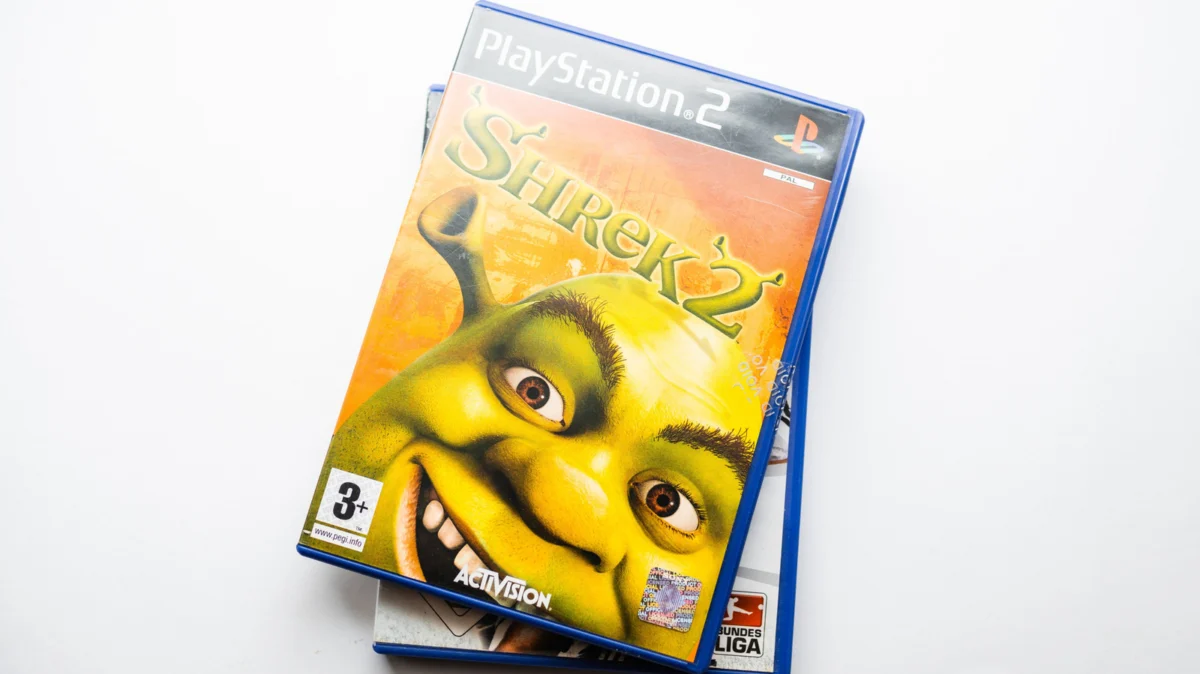
For decades, the cultural rhythm was synchronized: a massive summer film would hit theaters, and a corresponding video game would land on store shelves alongside it. From the pixelated frustration of 1982’s E.T. the Extra-Terrestrial to the high-flying action of 2004’s Spider-Man 2, movie tie-in games were once a staple of the gaming industry. They were a retail guarantee, a predictable cross-promotional engine that defined the childhoods of millions.
Today, that model has largely gone extinct. While the occasional LEGO adaptation continues to thrive, the days of generic, rushed movie tie-ins are over. In 2007, over 30 licensed movie games were released; today, the practice has been relegated to ephemeral in-game events, such as Fortnite skins or Minecraft servers. But what caused this massive industry shift? The answer lies in a perfect storm of ballooning budgets, elongated development cycles, and a fundamental change in how both film and game studios view intellectual property.
The Chronology of a Disappearing Act
The history of the licensed game is a mirror to the evolution of the gaming industry itself. In the early 1980s, the "tie-in" was a wild west. Atari’s E.T., famously buried in a New Mexico landfill, serves as the cautionary tale that defined the early era. It was rushed, poorly conceived, and symptomatic of an industry that viewed software as a disposable byproduct of film marketing.
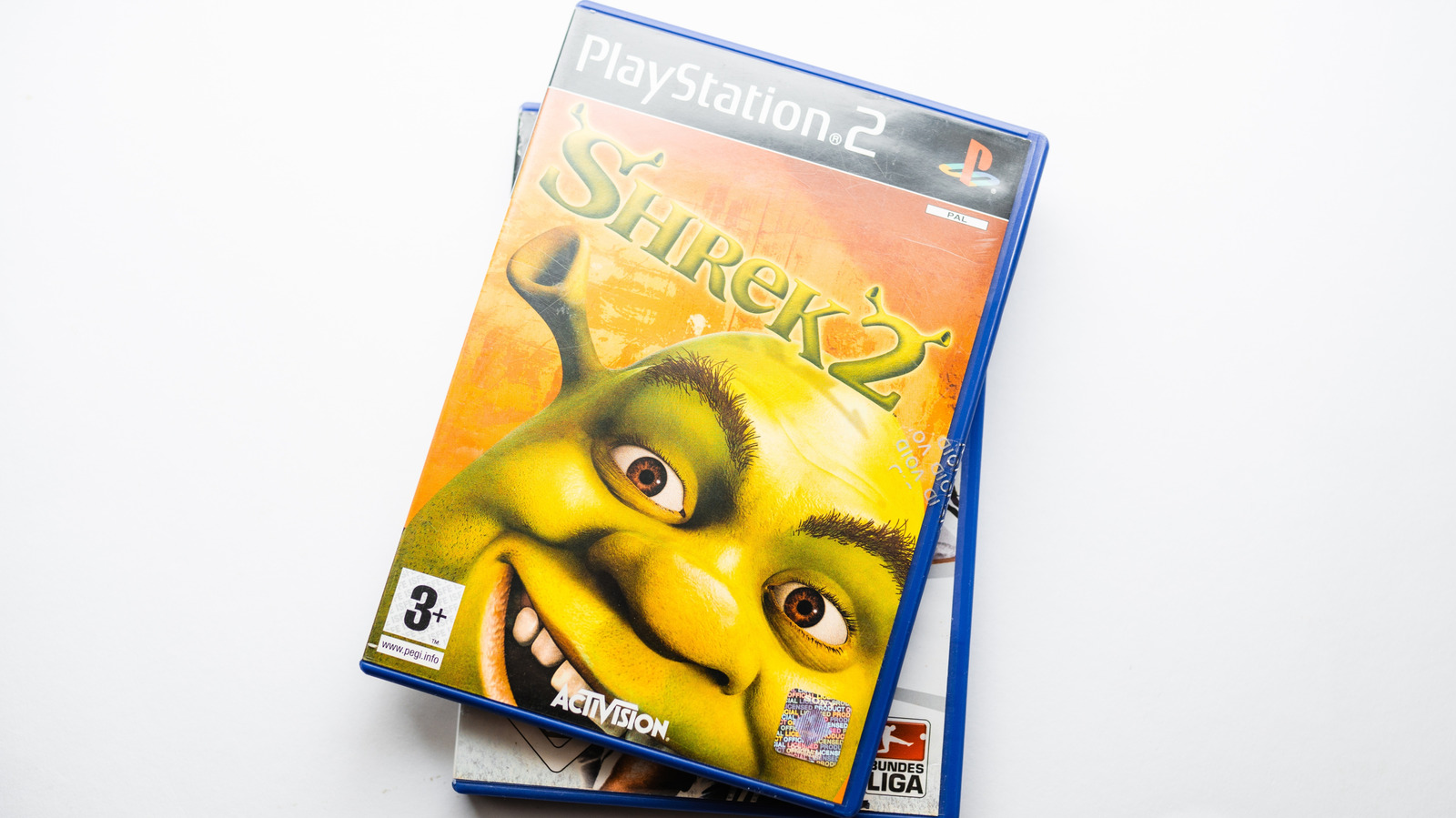
As the 90s progressed, the quality improved. Titles like GoldenEye 007 (1997) shifted the narrative, proving that a movie tie-in could be a genre-defining masterpiece rather than a cash-in. The early 2000s marked the "Golden Age" of the tie-in. Studios like Activision and Electronic Arts churned out games for Shrek 2, Ratatouille, and X-Men Origins: Wolverine. These games were often critiqued for their lack of depth, yet they remained profitable enough to justify the licensing fees.
However, the post-2010 landscape saw a sharp decline. As hardware advanced, so did the cost of development. The "movie-game" began to lose its appeal as a viable product, replaced by "games-as-a-service" and massive, open-world experiences that required years of undivided attention. By 2025, the direct adaptation is a relic, replaced by the "IP-based" game—titles that occupy the same universe as a film but tell original, decoupled stories.
The Economic Reality: Why the Budgetary Math No Longer Works
The primary catalyst for the death of the tie-in is the modern economics of game development. The "technical arms race" has seen budgets skyrocket to unsustainable levels. In 2004, the groundbreaking Half-Life 2 cost approximately $40 million to produce. Two decades later, Marvel’s Spider-Man 2 required a $300 million investment.
When a developer is tasked with spending hundreds of millions on a project, they cannot afford the risk associated with a "rushed" development cycle. Movie tie-ins historically required tight deadlines to match theatrical release dates. In the current AAA environment, a five-to-seven-year development cycle is standard. Attempting to fit that into a film’s two-year production window is a recipe for disaster.
Furthermore, the licensing costs have become prohibitive. When Atari paid $22 million in 1982 for E.T., it was a massive gamble. Adjusted for inflation, that is over $75 million in today’s currency. When publishers factor in the flat licensing fees, revenue-sharing agreements with film studios, and the cost of likeness rights for Hollywood A-listers, the "break-even" point for a movie game becomes impossibly high.
The Secrecy Paradox: Why Information is the Enemy
Modern filmmaking has become increasingly secretive to prevent leaks, which has created a logistical nightmare for game developers. In the 1980s and 90s, developers were often provided with early scripts and production assets. Today, the fear of spoilers and the value of "opening weekend" hype have led film directors to hoard their intellectual property.
Industry insiders note that during the development of Transformers: The Game (2007), director Michael Bay was notoriously protective of his robot designs. Developers were often working in the dark, forced to create gameplay loops for characters they had never seen and stories they had not read. In the modern era, where graphical fidelity is the primary selling point of a game, a developer cannot build a high-quality product if they are being fed assets only months before a film’s release. The timeline of a movie and the timeline of a modern game are simply no longer compatible.
Why Indie Developers Can’t Bridge the Gap
Some argue that indie studios could step in to fill the void, creating smaller, more focused tie-in games. However, this is largely a fantasy. The average indie budget ranges from $10,000 to $300,000—a drop in the bucket compared to the licensing fees demanded by major film studios.
Additionally, the "fan scrutiny" factor is higher than ever. With the rise of social media, any game attached to a major franchise is subjected to immediate, brutal analysis. A low-budget indie game, even if it is charming, would likely be panned for not living up to the visual standards set by its blockbuster parent film. The modern consumer expects "blockbuster quality" for "blockbuster properties," a demand that is financially impossible for smaller teams to meet.
Implications: The Shift Toward the "Universe" Model
While the era of the direct movie tie-in has closed, the era of the "IP-based game" has flourished. This is the most significant implication of the shift. Instead of forcing a game to retell a movie’s plot in a truncated format, developers are now opting for the Batman: Arkham model.
By creating original stories within an established universe, developers gain the creative freedom to design mechanics that actually fit the medium of gaming. Marvel’s Spider-Man on the PlayStation 5 does not follow the plot of any single film; it exists as an independent entity that honors the character’s legacy. This allows for a longer development cycle, higher quality control, and, ultimately, a product that is not tethered to a movie’s theatrical lifespan.
Looking Ahead: Is a Return Possible?
Could we ever see a return to the classic tie-in? Recent trends suggest a "nostalgia play" is emerging. The shadow-drop of Lord of the Rings: War in the North and the upcoming Toy Story: Retro Roundup! indicate that there is a market for revisiting the past. However, these are not new tie-ins; they are remasters and compilations.
For the modern industry, the tie-in is simply an inefficient use of resources. As long as game development remains a high-risk, high-cost endeavor, the trend will continue to favor long-term franchises over short-term marketing stunts. The movie tie-in was a product of a simpler, faster, and cheaper era—a period that has definitively closed as gaming has matured into the world’s dominant entertainment medium.
In the future, we may see more "meta-integrations"—where games and films share digital assets or promotional events—but the dedicated, retail-boxed movie game is likely to remain a nostalgic artifact, preserved in the memories of those who grew up playing them, rather than a blueprint for the games of tomorrow.