The gaming industry is currently navigating its most significant paradigm shift in decades. Sony’s bombshell announcement—confirming that it will cease the production of physical PlayStation discs for all new releases starting in January 2028—has sent shockwaves through the gaming community, sparking petitions, industry warnings, and heated debates regarding digital ownership. Yet, amidst the outcry, one of the most prominent figures in physical retail, GameStop Chairman and CEO Ryan Cohen, has remained remarkably unfazed.
In a recent appearance on Bloomberg Tech, Cohen dismissed the existential dread surrounding the "disc apocalypse," labeling the transition to an all-digital landscape as "totally, totally irrelevant" to GameStop’s future. While the announcement has been met with visceral backlash from players who prioritize ownership over licensing, Cohen’s rhetoric signals a profound, calculated pivot for a company that was once defined by its shelves of plastic cases.
The Chronology of the Digital Pivot
To understand the weight of this shift, one must look at the timeline of the industry’s slow migration away from physical media. For years, the convenience of digital downloads—bolstered by the rise of high-speed internet and massive hard drives—has been eating away at the market share of brick-and-mortar retailers.
- The Early 2010s: The rise of digital storefronts like Steam, PlayStation Network, and Xbox Live began to normalize digital ownership. While physical media remained dominant, the "day-one digital" model started to gain traction.
- The 2020 Pandemic: The COVID-19 pandemic accelerated the adoption of digital distribution, as physical store closures and supply chain disruptions forced even the most traditional gamers to turn to online storefronts.
- July 2025: Sony made its definitive move, announcing that by January 2028, the era of the physical PlayStation disc would officially end. The announcement ignited an immediate firestorm, with hundreds of thousands of fans signing petitions to preserve the medium.
- Late 2025: Industry titans, including renowned developer Hideo Kojima, began sounding the alarm, warning of a "frightening" future where consumers no longer truly own the media they purchase, but rather rent access to a volatile digital ecosystem.
Supporting Data: The Retail Reality Check
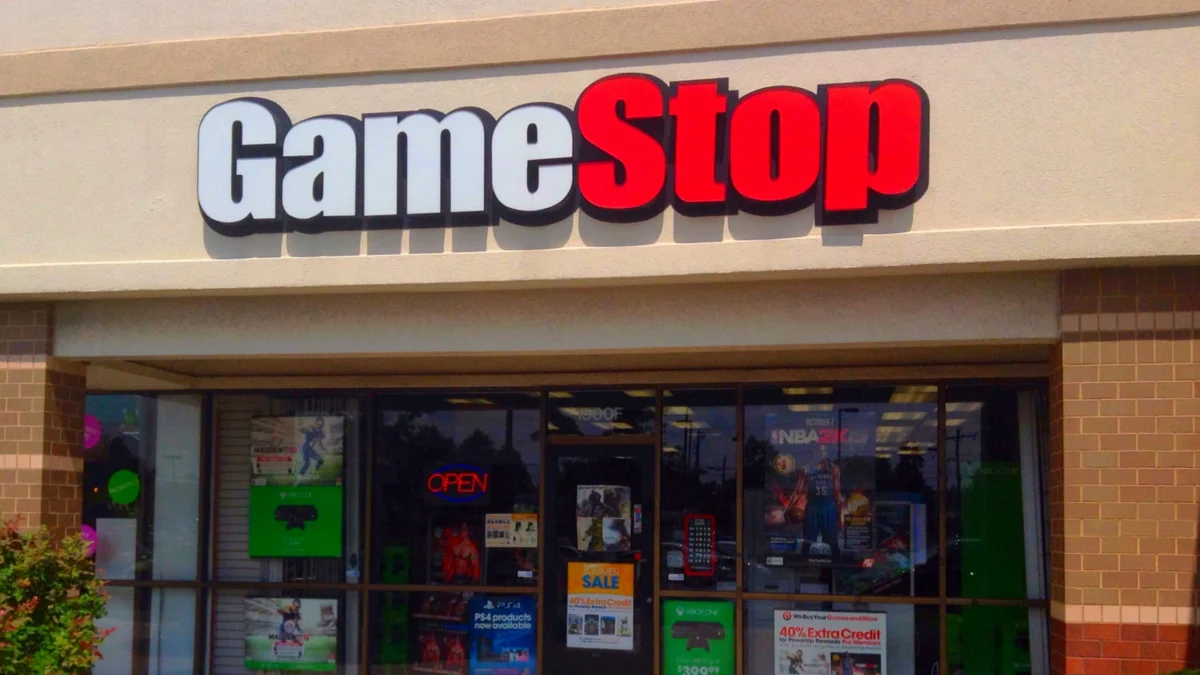
Ryan Cohen’s nonchalance regarding the death of the disc is not merely bravado; it is rooted in cold, hard data. For several years, GameStop has been undergoing a quiet metamorphosis. The company, once synonymous with trading in used titles, has transitioned into a hybrid model that prioritizes high-margin collectibles over the shrinking margins of new video game software.
According to GameStop’s Q1 financial reports, collectibles—ranging from Pokémon cards and Funko Pops to apparel and accessories—accounted for 29% of the company’s total sales. Significantly, this category has begun to consistently outperform the company’s video game software segment.
This trend is not an accident. Cohen has framed trading cards and hobbyist merchandise as the natural evolution of the "buy-sell-trade" business model that originally built GameStop. By pivoting toward items that carry a tangible, collectible value, GameStop is attempting to insulate itself from the volatility of the software market. When consumers can download a game in minutes, the value proposition of a brick-and-mortar store selling that same software diminishes. However, a limited-edition trading card or a niche gaming figurine cannot be downloaded.
The Visionary (or Controversial) Pivot: Beyond Retail
Cohen’s strategy extends far beyond the aisles of his current storefronts. His recent, albeit rejected, $56 billion bid to acquire eBay suggests a CEO who is looking to dominate the broader e-commerce landscape rather than fight a losing battle for the future of optical media.
While eBay’s board rejected the bid as neither "credible nor attractive," the move served as a signal to investors that Cohen is not content with GameStop remaining a boutique retail chain. He is positioning the brand to capture the massive secondary market for collectibles and general merchandise. By attempting to merge GameStop’s logistical footprint with the reach of a global e-commerce giant, Cohen is signaling that he views the "gaming retailer" identity as a relic of the past.
Official Responses and Industry Backlash
The contrast between Cohen’s stance and the broader industry reaction could not be more stark. While the GameStop CEO shrugs, the gaming community is engaged in a full-scale revolt.
Hideo Kojima, whose Death Stranding series has often touched upon themes of isolation and connection, has been one of the most vocal critics of the move toward digital-only distribution. He has warned that the loss of physical media represents a "frightening" cultural erasure. If a server is shut down or a licensing agreement expires, digital games can disappear entirely, leaving players with nothing to show for their investment.
This sentiment is echoed by the massive petition-driven movement currently sweeping social media. Players are not just fighting for the plastic disc; they are fighting for the legal principle of "first sale," which allows them to resell, trade, or gift their games—a freedom that is effectively dead in the digital-only ecosystem.
Implications for the Future of Gaming
The implications of this shift are profound and multifaceted, touching on economics, preservation, and consumer rights.
1. The Death of the Used Game Market
If physical discs vanish, the secondary market vanishes with them. GameStop’s bread and butter—the used game trade—will eventually dry up. Cohen’s indifference is a tacit admission that he knows this revenue stream is terminal. He is essentially moving the company to a lifeboat before the ship sinks.
2. The Rise of "Licensing" Culture
The industry is moving toward a service-based model. We are no longer "buying" games; we are purchasing a non-transferable license to access them. This allows publishers to exert total control over the software, including the ability to pull content or alter features post-launch.
3. The Preservation Crisis
Historians and archivists are deeply concerned. Digital games are vulnerable to "bit rot" and server closures. Without physical media, we rely entirely on the corporations that own the servers to maintain access to our digital libraries. As corporations merge, go bankrupt, or simply change strategies, the history of gaming becomes increasingly fragile.
4. Retail Re-imagination
GameStop’s survival will likely depend on whether it can fully transition into a "third place" for hobbyists. By focusing on trading cards, board games, and pop-culture merchandise, Cohen is attempting to foster a community that gathers in person—something a digital storefront cannot replicate.
Conclusion: A Gamble on Relevance
Ryan Cohen’s refusal to "sweat the disc apocalypse" is the stance of a man who has looked at the spreadsheet and concluded that the physical game era is already over. Whether he is a visionary orchestrating a necessary transformation or a leader disconnected from the core values of his customer base remains to be seen.
What is certain, however, is that the industry is at a crossroads. The convenience of digital distribution has won the logistical war, but the battle for the soul of gaming—the right to own, trade, and preserve the media we love—is only just beginning. As the final physical discs roll off the production lines in 2028, the industry will enter an era defined not by what we hold in our hands, but by what is permitted to exist on our screens. GameStop, under Cohen’s leadership, intends to be there to sell us the collectibles that remain, even if the games themselves are destined to vanish into the cloud.