

The gaming industry often finds itself caught in an escalating arms race between developers seeking to protect their intellectual property and a vocal segment of the PC community that views aggressive digital rights management (DRM) as an affront to consumer ownership. This long-standing tension has reached a boiling point with the highly anticipated 007: First Light, the latest project from IO Interactive, the studio world-renowned for its masterful work on the Hitman franchise.
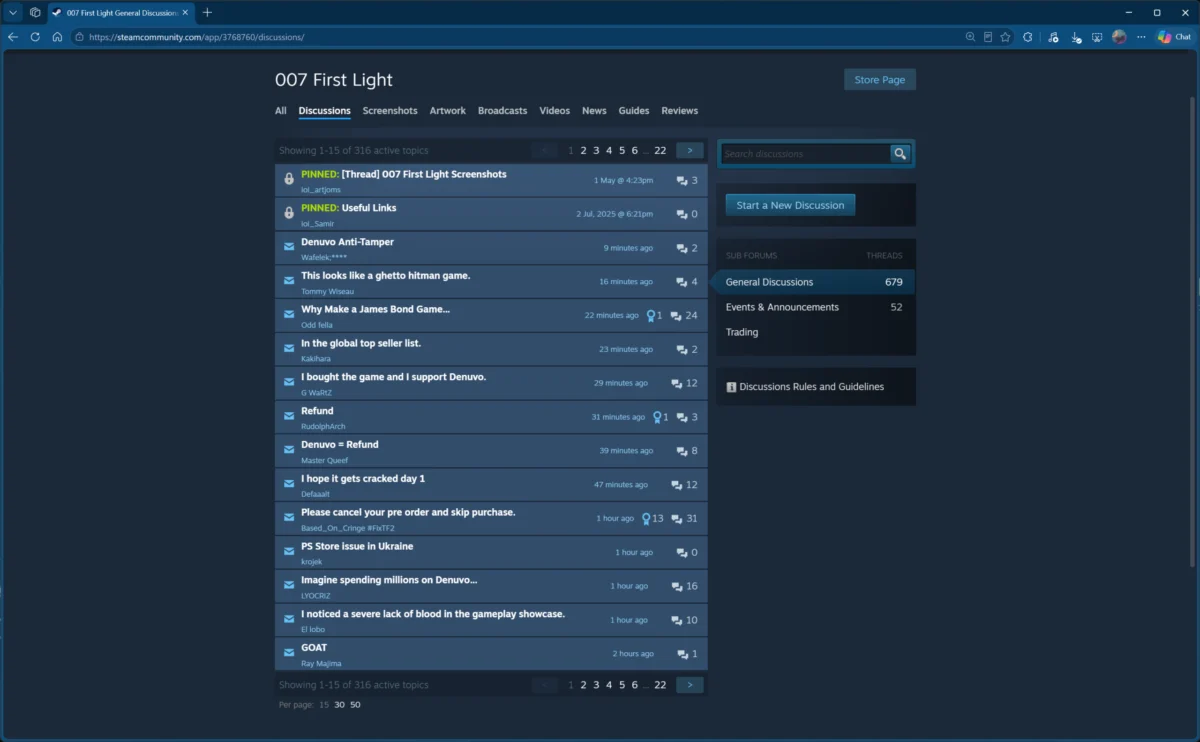
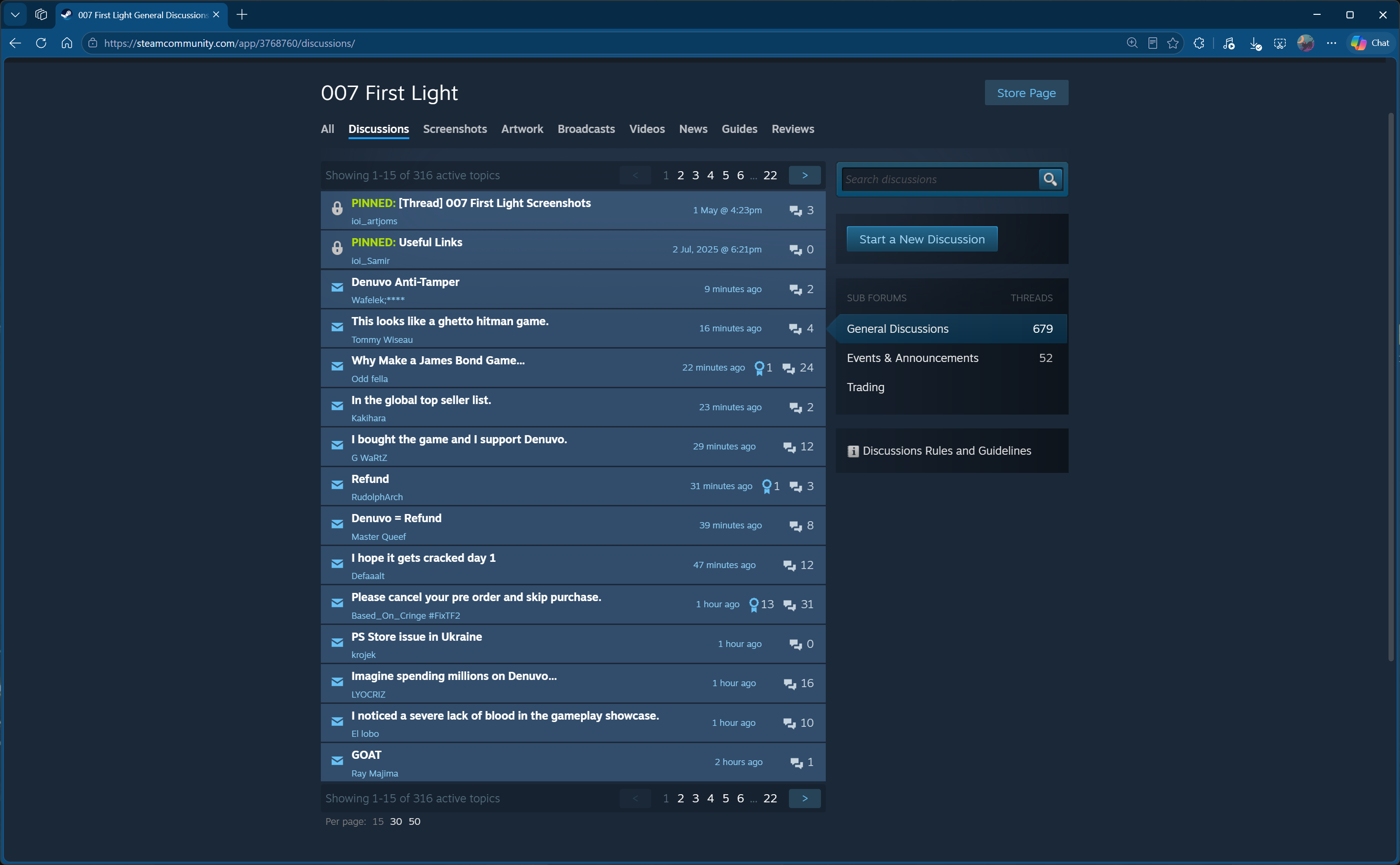
As the game approaches its final release window, the discovery that 007: First Light will incorporate "Denuvo Anti-Tamper" has triggered a significant backlash. Steam community forums, once filled with speculative excitement about James Bond’s return to gaming, have transformed into battlegrounds of consumer frustration. While developers argue that such measures are a necessary fiscal safeguard, the inclusion of Denuvo raises deeper questions about performance, ownership, and the evolving relationship between publishers and their most dedicated customers.
The Catalyst: A Steam Listing and a Community in Upheaval
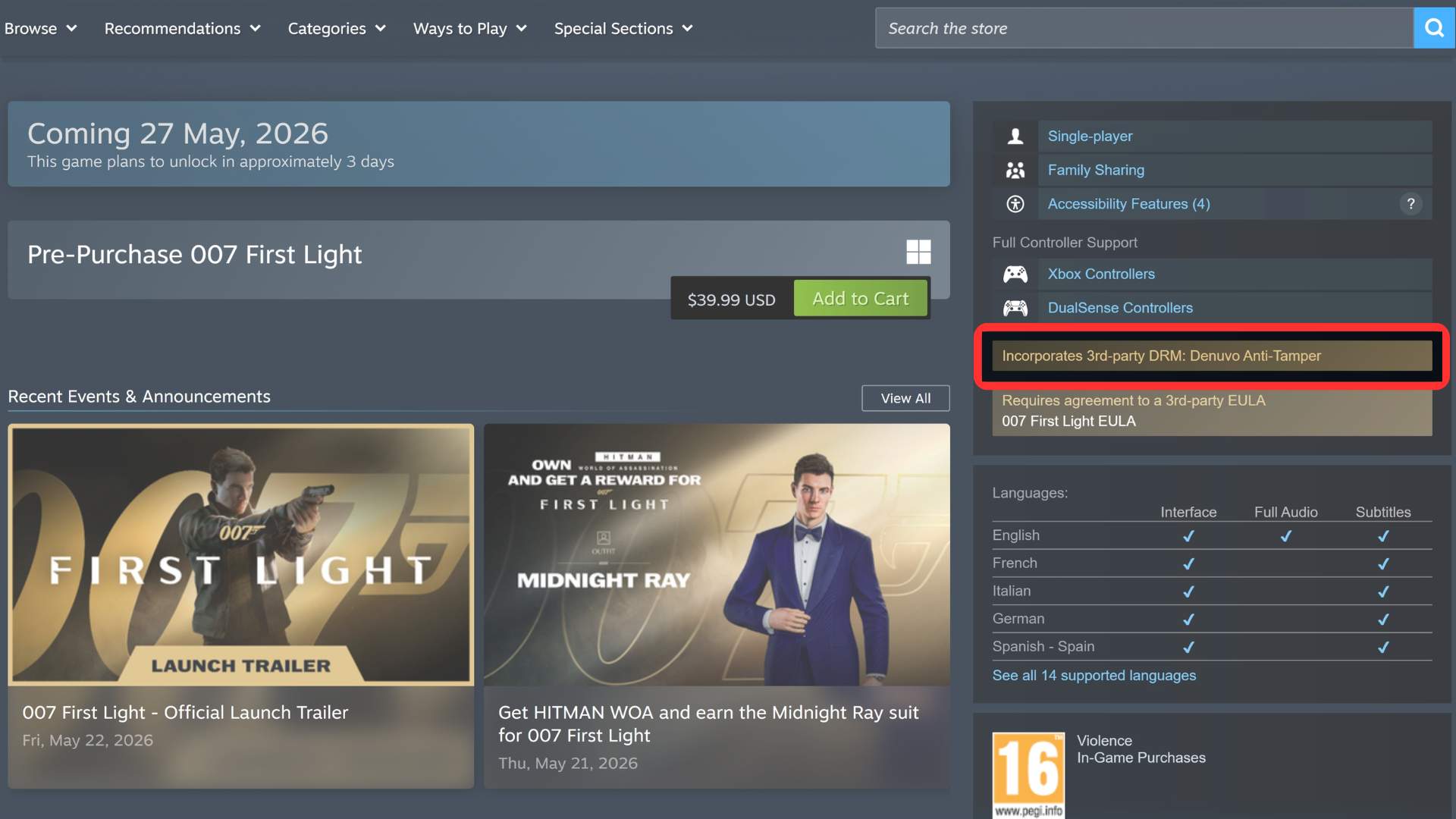
The controversy ignited when eagle-eyed users spotted the inclusion of Denuvo Anti-Tamper on the official Steam store page for 007: First Light. For many, this was not merely a technical detail; it was a signal that the developers prioritize restrictive access control over the seamless user experience that fans of the Hitman series have come to expect.
The reaction was instantaneous. Within hours of the store page update, the game’s community hub was flooded with negative feedback. While a minority of users voiced support for the move, citing the need to protect the studio’s massive investment in the Bond license, the vast majority expressed concern. The primary complaints center on the perceived "bloat" of DRM software, the risk of negative impacts on system performance, and the potential for long-term access issues should the authentication servers ever go offline.

Understanding the DRM Arms Race: A Chronology of Conflict
To understand why the inclusion of Denuvo is so contentious, one must look at the history of digital protection in gaming. For years, developers relied on basic, easily bypassed protections built into platforms like Steam. However, as the digital market expanded, publishers sought more "robust" solutions.
The Rise of Denuvo
Denuvo rose to prominence as the industry standard for high-profile titles. Unlike older, simpler methods, Denuvo is designed to be highly adaptive. It doesn’t just check if a user owns the game; it actively protects the game’s executable file from being tampered with or reverse-engineered.
The Bypass Culture
The cat-and-mouse game between Denuvo and the cracking community has been intense. We have seen periods where Denuvo was considered "unbreakable," followed by swift, high-profile breakthroughs. The most recent example—the rapid cracking of Lego Batman: Legacy of the Dark Knight—serves as a stark reminder that even the most expensive protection is not a permanent barrier. The game was breached almost immediately upon its official launch, proving that for dedicated groups, Denuvo is more of a temporary speed bump than a solution.
The Impact on Consumer Sentiment
As each major title releases with Denuvo, the discourse has shifted. Players have grown weary of the "performance tax"—the theory that Denuvo consumes CPU cycles and increases load times. While companies like Denuvo (now owned by Irdeto) maintain that their software is optimized, the community’s collective anecdotal evidence frequently points to frame-rate stutters and increased overhead in titles protected by the software.

Technical Realities: What Does Denuvo Actually Do?
One of the most persistent myths in the gaming community is that Denuvo runs at the kernel level—a misconception likely conflated with modern anti-cheat software like Easy Anti-Cheat or Vanguard, which often require deep system-level access to prevent memory injection and aim-botting.
In reality, Denuvo functions primarily in "user space." It is embedded directly within the game’s executable file. Its core function is to prevent unauthorized modifications to the code. This is why many modders find themselves at odds with Denuvo; by design, the DRM is intended to shut down any unauthorized injection into the game’s memory, which incidentally kills the vibrant modding scenes that keep many PC games alive for years.
Furthermore, there is the "Always-Online" anxiety. Denuvo-protected games often require a "handshake" with the company’s servers to verify the license. If a player’s internet connection drops or the authentication server experiences downtime, the game may refuse to launch. For a single-player experience like 007: First Light, this creates a dependency that many consumers find unacceptable, particularly in an era where internet stability can vary wildly.
The Economic Paradox: Does DRM Actually Help?
The core argument from publishers is simple: DRM protects sales. If a game is pirated, the potential revenue is lost. However, the data surrounding this is far more complex than a simple "piracy equals lost sale" equation.
The European Commission Report
A landmark 2017 study by the European Commission, while controversial upon its release, highlighted a nuanced reality: piracy does not necessarily lead to a direct, one-to-one loss in revenue. In many cases, it acts as a "try before you buy" mechanism. Many users who initially access a game through "the seven seas" eventually go on to purchase the game, either to support the developers or to gain access to official updates, cloud saves, and multiplayer functionality.
The "Cyberpunk 2077" Model
The success of Cyberpunk 2077 provides a fascinating counter-narrative. Despite a notoriously rocky launch and the total absence of aggressive DRM, the game has become one of the most successful titles of the last decade. CD Projekt Red’s willingness to trust their customer base paid off, proving that if a game is of sufficient quality, the market will respond positively, regardless of the presence of anti-piracy software.
Implications for IO Interactive and the 007 Brand
For IO Interactive, the stakes are high. The James Bond license is a crown jewel of pop culture, and expectations for 007: First Light are astronomical. By choosing to implement Denuvo, the studio has risked alienating its most vocal advocates—the PC enthusiast community.
If the game launches with performance issues, the presence of Denuvo will inevitably be the primary scapegoat, fair or not. This creates a PR challenge for the studio. They must now ensure that the game’s technical optimization is flawless; if the frame rates are buttery smooth and the game is stable, the Denuvo complaints will eventually fade into the background. However, if there are even minor technical hitches, the DRM will serve as a lightning rod for criticism that could have been avoided.
Conclusion: The Future of Digital Ownership
The saga of 007: First Light is a microcosm of a larger, systemic issue in the gaming industry. As digital distribution becomes the absolute standard, the definition of ownership is becoming increasingly fragile. When a game’s accessibility is tethered to a third-party server or a restrictive piece of software that may be unsupported in a decade, the consumer loses a degree of control over the product they paid for.
Perhaps the solution lies not in more restrictive DRM, but in better service. Games like Cyberpunk 2077 and the titles found on GOG.com demonstrate that players are willing to pay for convenience, quality, and the ability to own their software outright.
As we look toward the release of 007: First Light, the gaming world will be watching closely. Will the game be remembered for its revolutionary take on the secret agent genre, or will its legacy be marred by the shadows of its own security measures? For now, the debate continues, and the message from the community remains clear: they want a great game, but they also want to feel like they truly own the product they’ve bought.











No comments yet. Be the first to join the conversation!