

At first glance, InKonbini: One Store, Many Stories presents itself as a quintessential Japanese convenience store simulator. With its warm, neon-drenched aesthetic and the promise of quiet nights behind the counter, it invites players into the meditative rhythm of retail life. However, beneath the polished exterior lies a game that prioritizes atmosphere and narrative intimacy over mechanical complexity.
For those expecting a high-stakes management sim, the experience may initially feel hollow. But for players seeking a "slice-of-life" digital retreat, InKonbini offers a poignant, if sometimes flawed, look at the connections formed in the quiet hours between midnight and dawn.
The Premise: A Week in the Life of Makoto
The narrative centers on Makoto, a young woman spending the final week of her summer break—the quiet interlude before her university classes resume—in a small, sleepy town. Rather than opting for a traditional vacation, she chooses to assist her Aunt Hina by taking over shifts at the Honki Ponki convenience store.
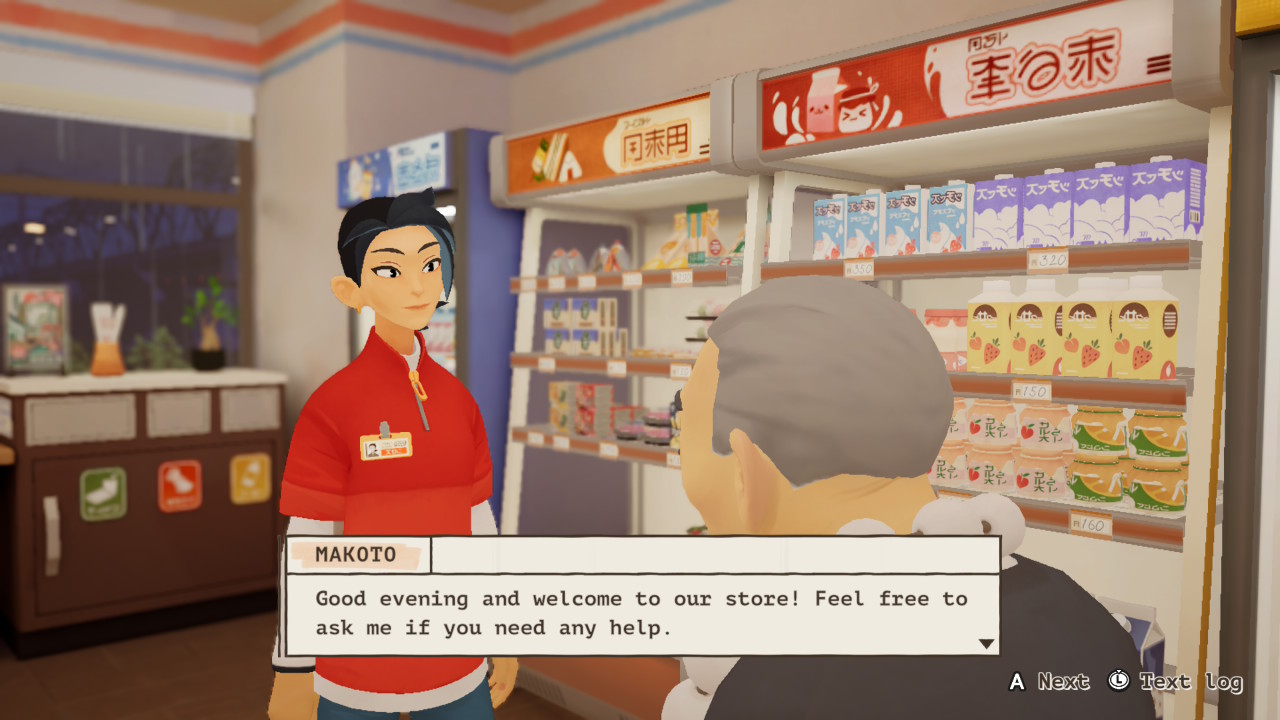
This isn’t a story of corporate ambition or survival. It is a story of observation. As Makoto navigates the nightly routines of stocking shelves, organizing products, and managing the till, she encounters a rotating cast of local patrons. Through these interactions, the player begins to understand why the humble convenience store acts as the heart of this small community. It is a space where the service provided is as much about human connection as it is about selling bento boxes and snacks.
Chronology: The Rhythms of the Night
The gameplay loop of InKonbini is cyclical and deliberate, mirroring the structure of a typical retail shift. Each in-game night follows a predictable, soothing pattern:
1. Preparation and Reflection
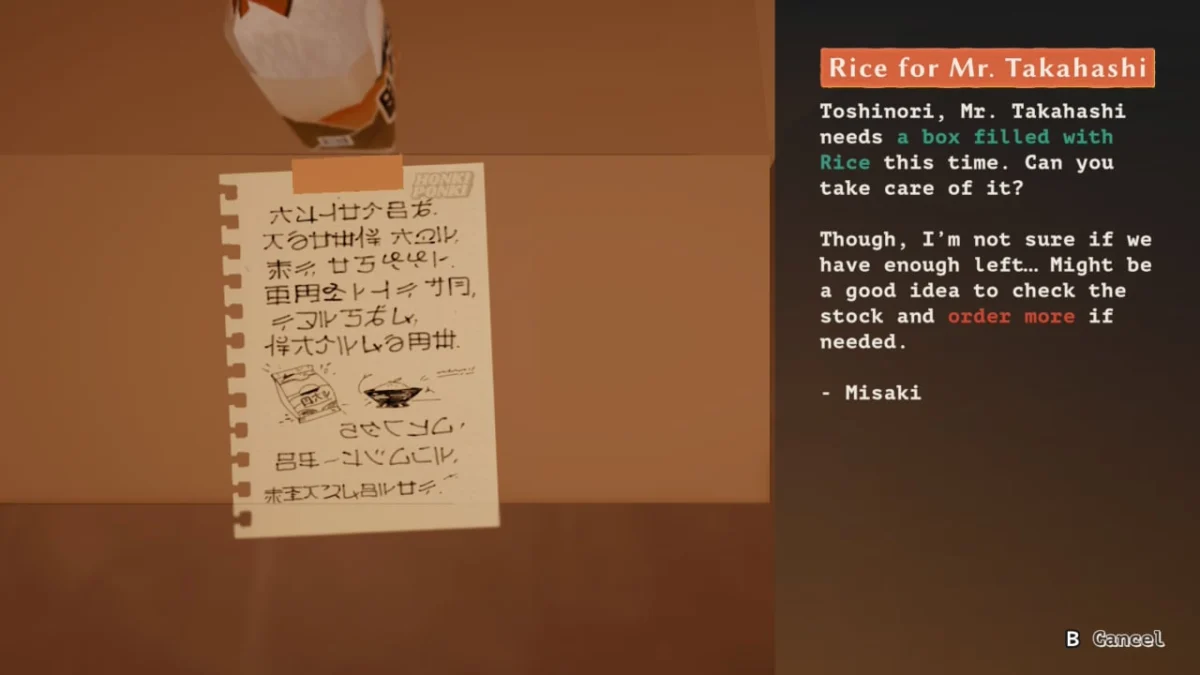
Before the store doors officially open, the game allows the player to inhabit the space. Makoto often engages in internal monologue, reflecting on the weather, her nostalgia, or the specific mood of the evening. During this phase, players are encouraged to check the staff room, read notes left by the day shift, restock inventory, and adjust product displays. It is a time for quiet maintenance, allowing the player to curate the store’s environment before the first customer arrives.
2. The Customer Encounter
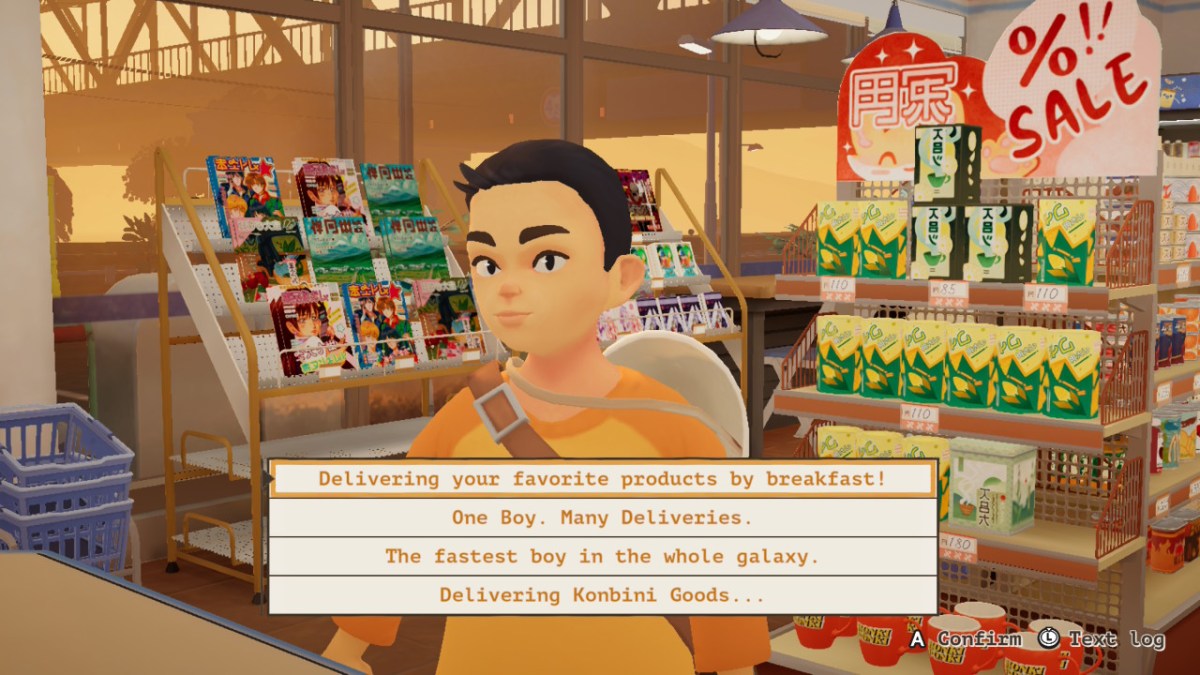
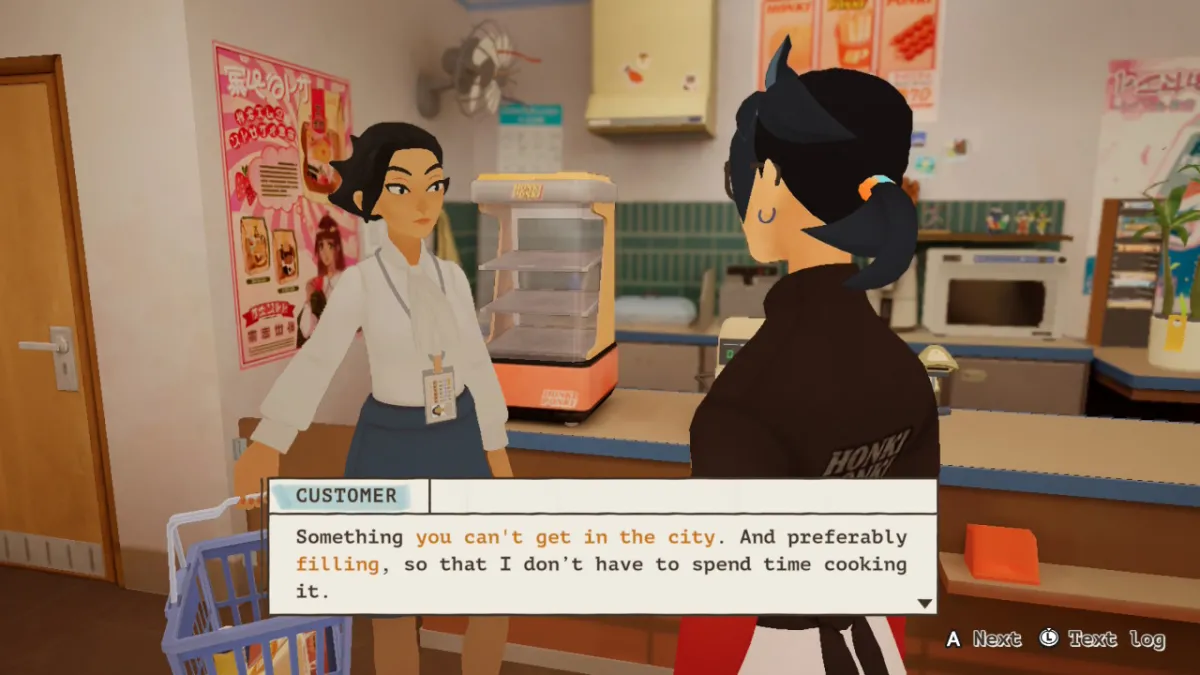
Once the doors are open, the experience shifts from simulation to a visual novel format. Customers drift in at their own pace. Interaction is triggered by approaching them, leading to conversations that range from mundane requests to deeper, personal revelations. Players must listen, offer advice, and occasionally suggest products. The act of ringing up items—meticulously scanning goods and calculating the correct change—serves as the primary tactile interaction, grounding the ethereal narrative in the physical reality of the store.
3. The Shift Conclusion
As the night wanes and the sun begins to rise, the final customers depart. The shift concludes with a sense of quiet accomplishment. However, as the game progresses, players may notice that these cycles often feel disconnected from one another, a point of contention for those who prefer games where their actions have long-term, tangible consequences.
Supporting Data: The Illusion of Agency
One of the most complex aspects of InKonbini is the discrepancy between its stated mechanics and the reality of the gameplay. The game introduces several management systems—such as an employee handbook, specific restocking instructions, and the management of sales items—yet these systems often lack significant impact.
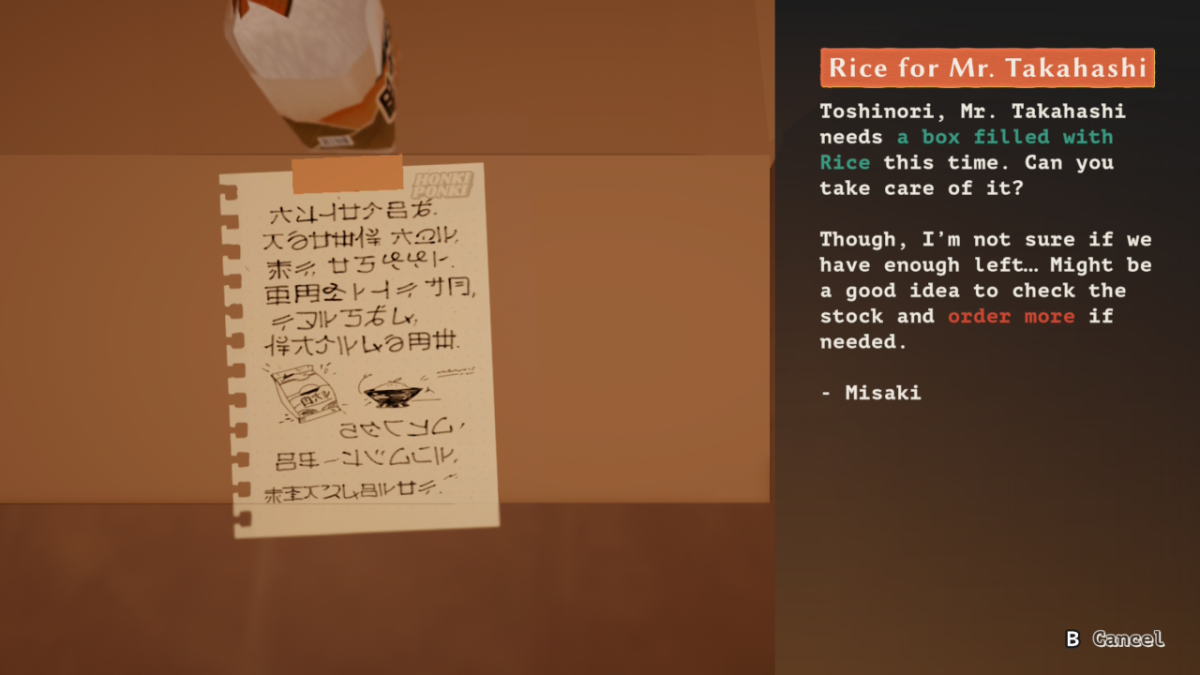
- The "No-Consequence" Design: If a player fails to restock a specific item, or ignores a note from the day shift, the world does not collapse. Customers still receive their items, and the narrative advances regardless of these minor oversights.
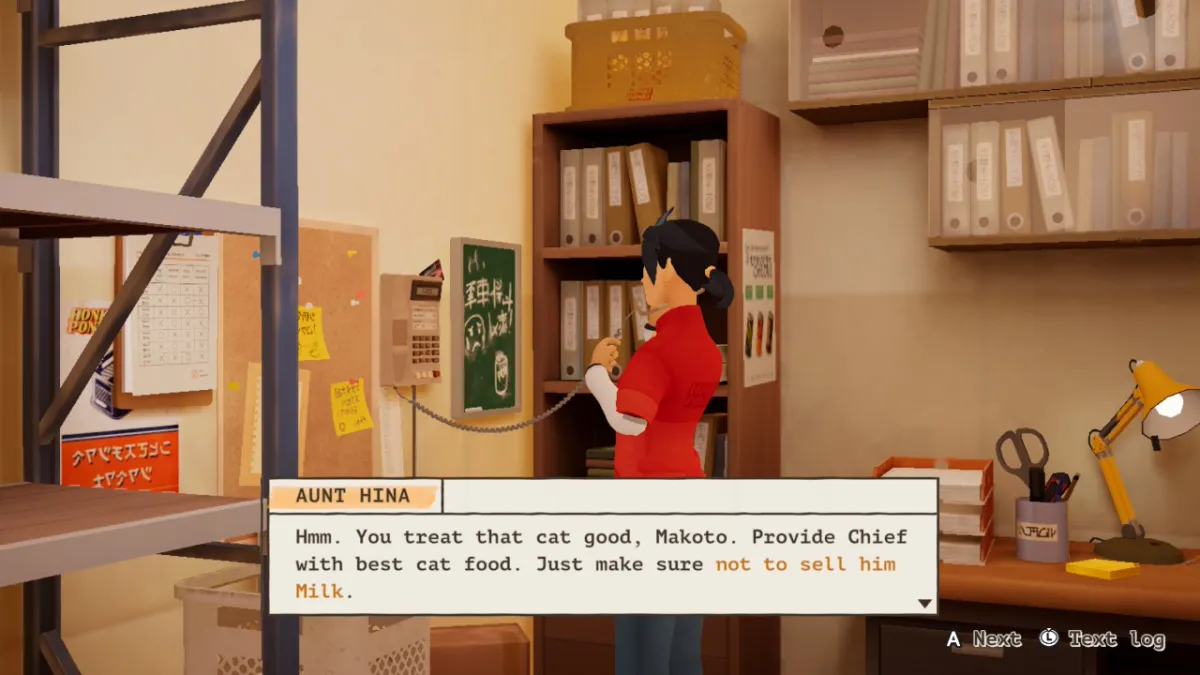
- The "Milk" Paradox: One notable example is the warning regarding a customer feeding milk to a stray cat. Despite the player’s knowledge of the potential harm, there is no mechanic to intervene or provide guidance. The story moves forward on its pre-determined path.
- The Disappearing Features: Certain mechanics, such as placing orders over the phone or managing specific inventory, appear to be meaningful, yet they often fade into the background after one or two uses. This leads to the central question: Is this a design choice intended to keep the player focused on "vibes," or is it a failure of implementation?
Despite these mechanical shortcomings, the visual detail is impeccable. The packaging, the layout of the shelves, and the lighting are all crafted with care, making the act of organizing the store a genuinely soothing, almost meditative experience.
Technical Considerations and Bugs
While the atmosphere is the game’s greatest strength, its technical execution on platforms like the Nintendo Switch leaves room for improvement. During testing, an recurring bug affected the conversation UI, where response choices would appear in black text—the default color for unselected options—even when the game treated them as already selected. This visual confusion can be jarring, particularly in a game that relies so heavily on text-based interaction and player choice.
Implications: The Potential for Expansion
The brevity of the game, clocking in at approximately six to seven hours, raises questions about its scope. By the time the credits roll, the player has only just begun to understand the rhythms of the Honki Ponki store.
The game’s structure feels like a prologue to a larger, more open-ended experience. Many players may find themselves wishing for an "endless mode"—a way to continue clocking into the store, helping nameless customers, and maintaining the shop long after the main story concludes. The current campaign, while solid, feels like an introduction to a world that deserves a deeper, more expansive sandbox.
Conclusion: A Masterclass in Mood
InKonbini: One Store, Many Stories is not a game for the strategist or the micromanager. It is a game for the observer, the introvert, and the lover of atmosphere. It successfully captures the transient, lonely, and strangely comforting nature of a late-night convenience store.
However, its lack of meaningful agency can be frustrating. By providing the player with tools—like handbooks and supply orders—but rendering them largely symbolic, the game risks breaking the immersion it works so hard to build. If the developers intended to create a purely narrative experience, the inclusion of "faux-management" mechanics may have been a misstep. If they intended a simulation, the lack of consequences feels like a missed opportunity.
Ultimately, InKonbini succeeds as an experience rather than a simulation. It is a warm, glowing beacon in the middle of a digital night. While it lacks the depth of a complex RPG or the rigor of a true simulator, it offers a rare, quiet moment of reflection in an industry often obsessed with noise and constant action. It is a game that is best enjoyed when you stop worrying about the "right" way to play and simply allow yourself to exist in the quiet, hum-filled aisles of the Honki Ponki store.
InKonbini: One Store, Many Stories is currently available on Nintendo Switch, PlayStation 5, Xbox Series X, and PC. While it faces some technical hurdles and narrative limitations, its dedication to its unique, cozy atmosphere makes it a distinct entry in the indie space.












No comments yet. Be the first to join the conversation!