

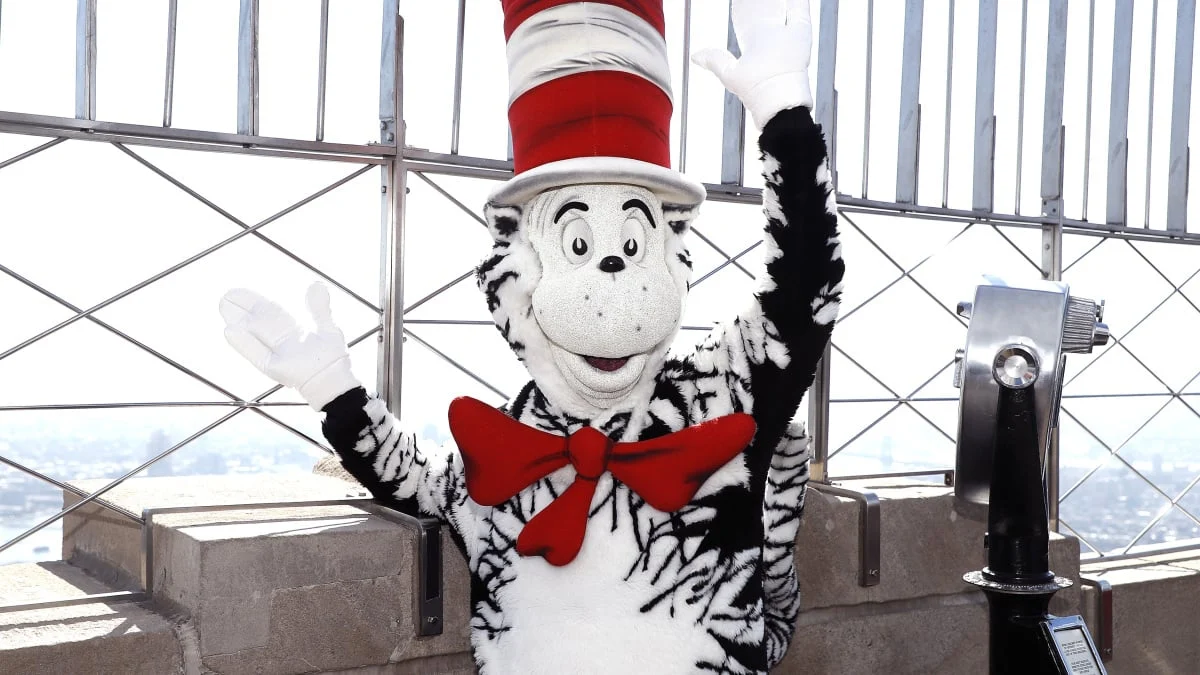
The whimsical imagery of Dr. Seuss’s most iconic creation—the striped-hat-wearing, chaos-inducing Cat in the Hat—has been permanently subverted. For decades, the character represented a playful, if slightly mischievous, literary staple. Today, however, that image is being weaponized in a terrifying new wave of digital misinformation that has moved from the fringes of the internet to the front steps of American schools, triggering lockdowns, police investigations, and a nationwide debate over the ethics of generative AI.
What began as a morbid, ironic meme has mutated into a tangible threat. Across the United States, school districts are grappling with a trend that utilizes high-fidelity, AI-generated images and videos to simulate "sightings" of a life-sized, menacing version of the Cat in the Hat. These digital phantoms are being placed by creators into familiar local settings—driveways, suburban street corners, and through the glass of residential windows—creating a pervasive, localized sense of dread that has overwhelmed law enforcement and terrified students.
The Chronology of a Viral Nightmare
The genesis of this phenomenon can be traced back to late June, when a TikTok user paired a clip of Mike Myers’ 2003 The Cat in the Hat film adaptation with a distorted, unsettling soundtrack. The post, which featured the Cat in a surreal, dark context, went viral, garnering over 4 million views in less than a week.
This initial post acted as a catalyst for a darker, more obsessive trend. As the "Cat" meme grew in popularity, creators began utilizing the film’s original, notoriously uncanny costume—which had recently surfaced in a public auction—to create increasingly disturbing content. The costume’s hollow eyes and stiff, synthetic fur provided the perfect aesthetic for a horror-themed subversion of a childhood classic.
By mid-summer, the trend had migrated from general horror fiction to a "serial killer" narrative, with accounts falsely claiming the Cat was stalking neighborhoods in the United Kingdom and Ireland. As the content became more sophisticated, users began leveraging generative AI tools to place the character into geolocated footage. These AI-generated "sightings" were designed to mimic the grainy, low-fidelity aesthetic of Ring doorbell cameras and neighborhood surveillance systems.
When these videos reached the United States, the nature of the trend shifted from passive "creepy" entertainment to active harassment. By late August, copycat accounts began moving beyond generic threats, specifically naming students, teachers, and school buildings. The digital "ghost" had found a way to manifest in the real world, turning innocent teenagers into targets of targeted psychological terror.
Anatomy of the Threat: AI and Localized Misinformation
The power of this specific trend lies in its ability to exploit "hyper-localization." In previous years, internet hoaxes were often broad, nationwide scares that lacked personal stakes. The "Cat in the Hat" trend, however, thrives on the proximity of the threat. By identifying specific schools and students, perpetrators transform a global meme into a personal ultimatum.
When an AI-generated image of the Cat appears in a feed alongside a list of students’ names and a caption like "You’re next" or "Don’t leave your window open," the distinction between a "joke" and a "threat" vanishes. For the recipient, the technical reality of how the image was created matters far less than the visceral fear of being personally identified by an unknown entity.
Law enforcement agencies have noted that the accessibility of AI image-generation tools has lowered the barrier to entry for digital harassment. A user no longer needs to physically stalk a location or don a mask to create a terrifying narrative; they simply need a prompt, a few minutes, and a social media account. This "democratization of fear" is precisely what makes the current situation so difficult for school administrators to manage.
Official Responses: Law Enforcement and School Districts
The administrative response to this trend has been swift and, at times, drastic. In Kentucky, the epicenter of the US-based spike, school officials have been forced to treat every digital breadcrumb as a credible threat to student safety.
At Assumption High School in Louisville, the administration was forced to transition to online learning and cancel all extracurricular activities following a wave of targeted threats. Officials emphasized that while they suspected the posts were part of the wider, AI-driven trend, the inclusion of specific student names made it impossible to ignore.
"We are dealing with a situation where the threat is fake, but the terror is very real," noted one district administrator. "When a student sees their name on a list being stalked by a monstrous character, the psychological impact is profound. We cannot afford to guess which threats are performative and which are precursors to real-world violence."
In neighboring districts, the story was similar. Oldham County Schools and Bullitt County schools issued formal warnings, urging parents to monitor their children’s social media usage. In Allen County, the situation reached a legal breaking point when a juvenile was arrested and charged in connection with messages tied to the trend.
The response has expanded well beyond Kentucky. In Texas, school districts implemented increased police patrols; in Michigan, a high school entered a perimeter lockdown; and in Oklahoma, law enforcement conducted a full sweep of school grounds after a Snapchat post targeted a specific institution. The Tennessee Office of Homeland Security has since established a formal monitoring system to track these posts, urging the public to treat the phenomenon as a serious matter of public safety rather than an internet prank.
The Broader Implications: A New Era of Digital Panic
This "Cat in the Hat" panic serves as a modern successor to the "Killer Clown" craze of 2016, but with a significantly more dangerous technological edge. The 2016 phenomenon required participants to physically dress up, which allowed for police to intercede based on visible, physical activity. The current crisis is entirely ephemeral, existing only in the code of social media platforms and the minds of those who consume it.
The implications for the future of school safety are stark. We are entering an era where AI-driven misinformation can paralyze an entire educational system in a matter of hours. The "Cat in the Hat" trend has exposed a critical vulnerability: our institutions are currently ill-equipped to distinguish between automated digital chaos and genuine, targeted malicious intent.
Furthermore, the legal repercussions for those participating in the trend are significant. Police departments across the country have issued clear warnings: engaging in this "joke" is not a protected form of expression. Posting threats—even if they are intended as satire or "edgy" memes—can lead to severe criminal charges, including terroristic threatening, harassment, and permanent expulsion from educational institutions.
Conclusion: The End of the Joke
As the dust settles, the "Cat in the Hat" trend leaves behind a cautionary tale about the intersection of pop culture, generative technology, and human fear. While the character may have been intended as a source of childhood joy, it has been successfully reclaimed by a culture that prioritizes viral engagement over the sanctity of student peace of mind.
The reality is that no matter how sophisticated the AI, or how convincing the "sighting," the individuals behind these posts are essentially playing a game of Russian roulette with the legal system and the emotional well-being of their peers. For schools, parents, and law enforcement, the priority remains clear: the digital realm may be virtual, but the consequences of these threats are, and will always be, dangerously real. As the internet continues to evolve, the challenge for society will be to develop the digital literacy and the institutional resilience to ensure that these "creepy" trends remain where they belong—in the realm of fiction, rather than in the halls of our schools.











