Azzam Bilal Chamdy
The dawn of the PlayStation era heralded a revolution in video game storytelling and world-building, particularly within the realm of Japanese Role-Playing Games (JRPGs). The console’s enhanced graphical capabilities and storage capacity allowed developers to craft more intricate narratives and expansive environments than ever before. This pivotal generation wasn’t just about introducing iconic characters and compelling plots; it was about the artful revelation of worlds, where players embarked on journeys that began with a seemingly contained scope and gradually unfurled into vast, complex realities. This approach fostered a unique sense of discovery and immersion, making the PS1 a golden age for JRPGs that continue to resonate with players today.
The PlayStation’s arrival in the mid-1990s marked a significant leap forward for the JRPG genre. Developers, armed with the power of CD-ROM technology, could now present players with richer visuals, more expansive soundtracks, and crucially, deeper, more nuanced narratives. The era of blocky sprites and limited dialogue was giving way to cinematic presentations and intricately designed worlds that felt truly alive. This technological leap directly influenced how game worlds were constructed and, more importantly, how they were revealed to the player. Instead of presenting players with an immediate, fully realized world, many PS1 JRPGs adopted a more measured approach, gradually unveiling their scope and complexity, thereby deepening player engagement and fostering a profound sense of exploration.

A Chronology of Revelation: The Gradual Unfolding of PS1 Worlds
The PlayStation’s library is replete with JRPGs that exemplify this masterful art of world-building through gradual revelation. These games understood that true immersion often comes not from overwhelming the player with information upfront, but from allowing them to discover the world’s secrets at their own pace, intertwined with the unfolding narrative.

Suikoden II: The Escalation of Conflict
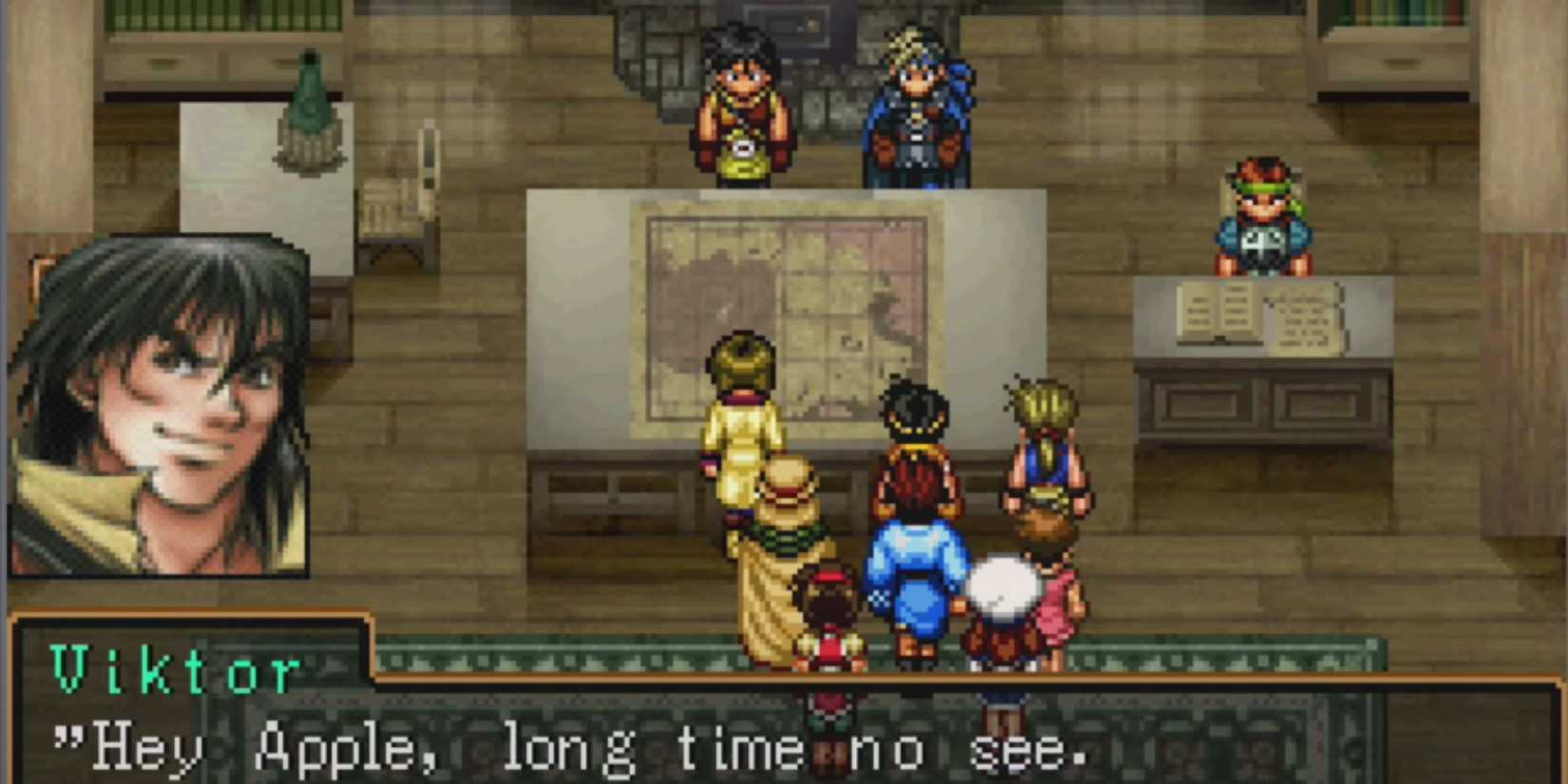
Suikoden II, released in 1999, stands as a titan among PS1 JRPGs, celebrated for its sprawling narrative and compelling cast. The game’s early hours present a seemingly contained conflict, focusing on a small-scale military skirmish that feels personal and dire. However, this intimate setting serves as a deceptive prelude to the true scope of the war. As players progress, the world map unfurls, revealing a continent embroiled in a much larger, multi-national conflict. The recruitment of the game’s signature 108 Stars of Destiny not only expands the player’s party but also serves as a catalyst for uncovering deeper lore and understanding the intricate political landscape. The escalating war, masterfully orchestrated by the chilling antagonist Luca Blight, creates a sense of epic scale that mirrors the emotional journey of the protagonist, making the player feel intrinsically connected to the fate of nations.
Chrono Cross: Navigating Parallel Realities
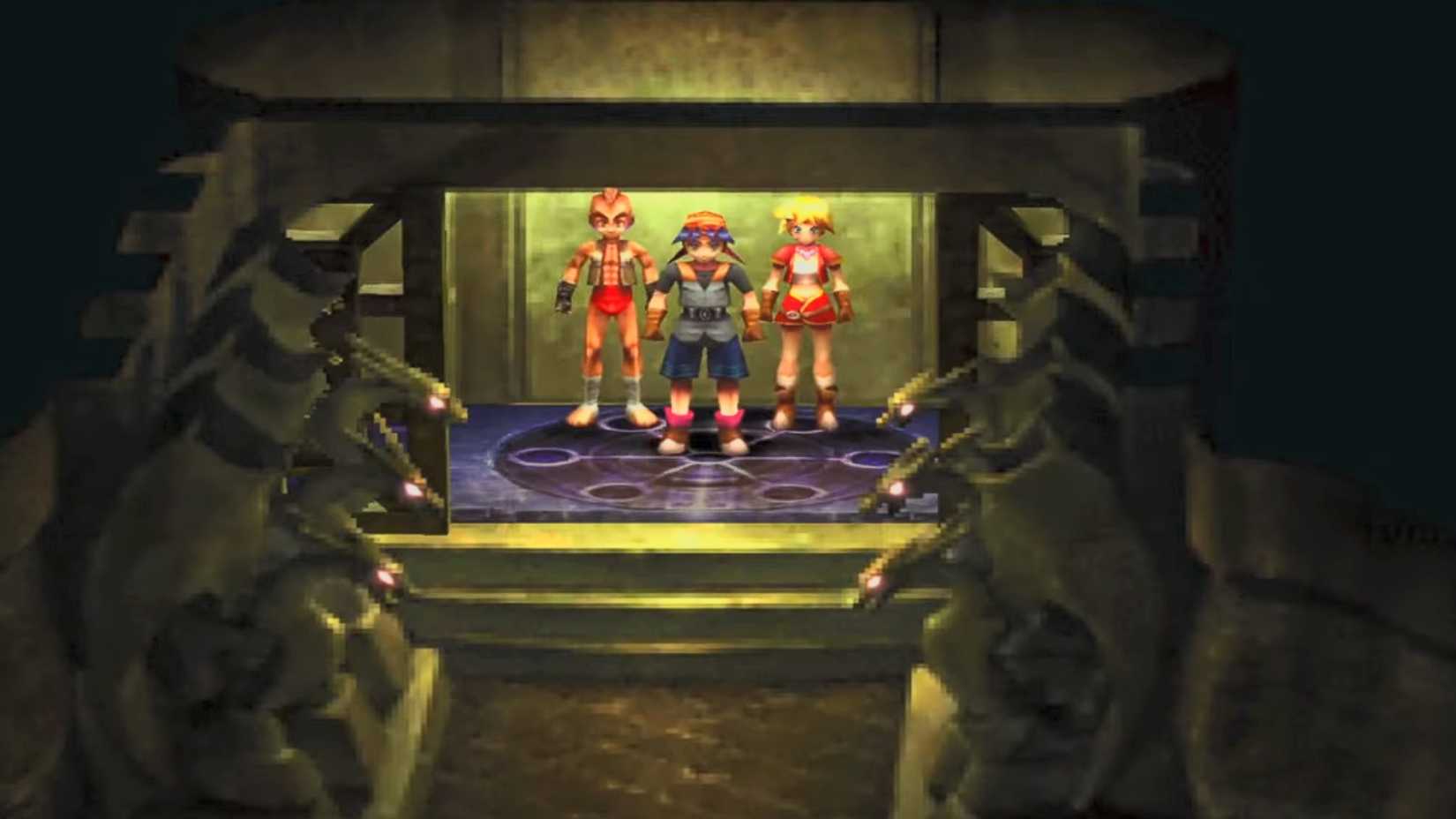
Chrono Cross, a 2000 release, offers a unique take on world revelation through its exploration of parallel dimensions. While the game’s world map might appear accessible from the outset, true exploration is gated by the player’s acquired knowledge and progression through the narrative. Paths to new locations, such as Viper Manor, are only unlocked after specific events, and traversing vast distances, like the sea, requires recruiting specific characters with the means to do so. The game brilliantly uses its dual-world mechanic to reveal layers of its universe. Locations like the Dead Sea and Gaea’s Navel are visible early on but remain inaccessible until key plot points are met, such as acquiring the ability to fly. This methodical unveiling of the game’s expansive multiverse is a testament to its intricate design, making Chrono Cross a standout example of how narrative progression can directly unlock and redefine the player’s understanding of the game world.
Breath of Fire IV: Dual Perspectives, Expansive Revelation
Breath of Fire IV, launched in 2000, distinguishes itself with a narrative structure that employs two distinct protagonists, Ryu and Fou-Lu. This dual perspective allows for a unique exploration of the game’s world. Ryu’s journey organically introduces players to the world as it is, while Fou-Lu experiences it as a land he once knew, now dramatically altered by his prolonged slumber. This contrast effectively emphasizes the passage of time and the evolution of the world. Rather than simply presenting a vast explorable map from the beginning, the game’s design strategically reveals the world’s enormity through the eyes of its protagonists. This innovative approach ensures that players are not just witnessing the story but actively discovering the world alongside the characters, making the revelation of its scale feel organic and deeply integrated with the plot.
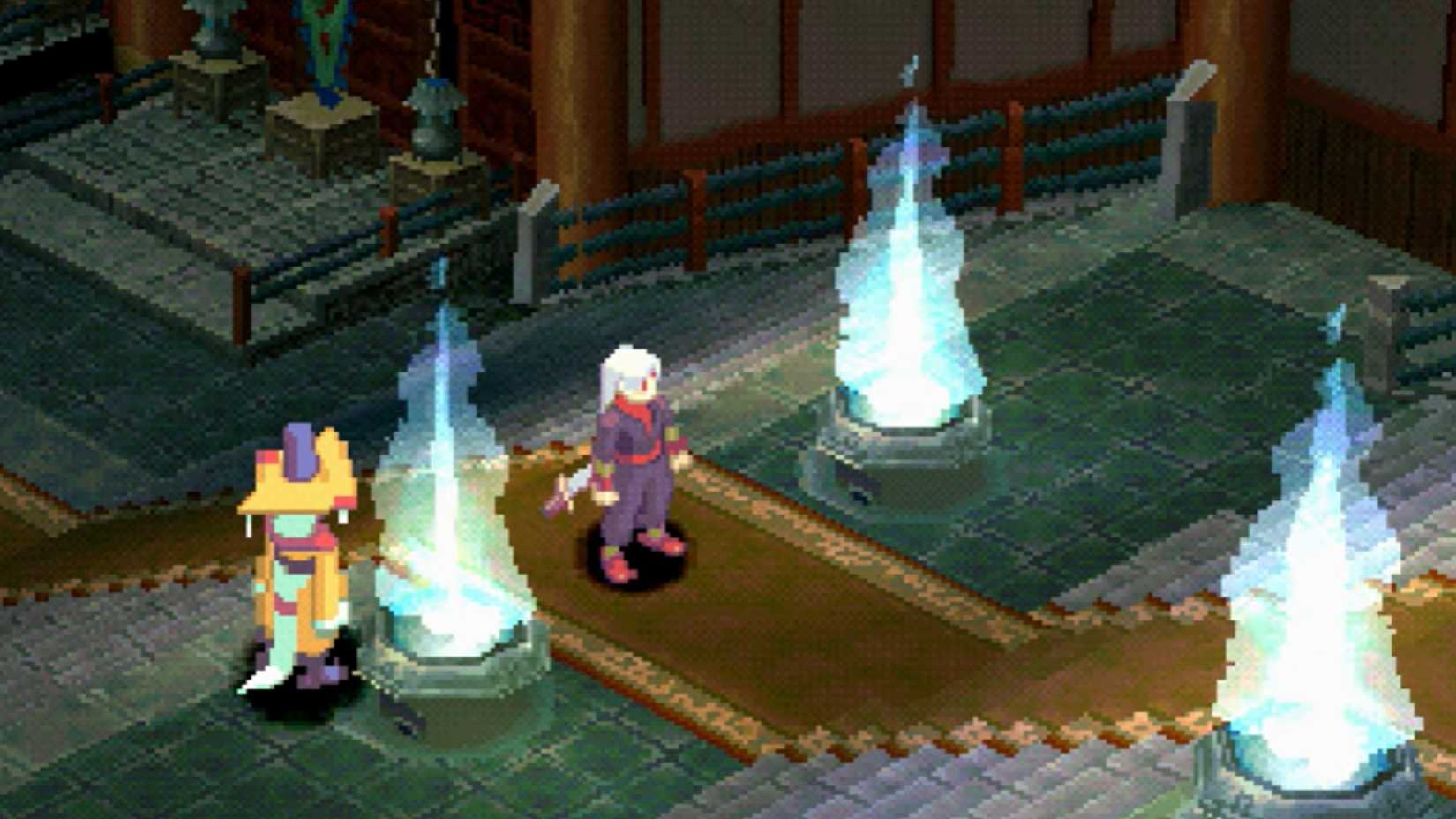
Parasite Eve: The Spreading Contagion of Discovery
Parasite Eve, a 1998 release, offers a more focused yet equally compelling approach to world revelation. While it eschews a traditional open world or world map, the game masterfully expands its playable space by revealing new areas and unlocking previously inaccessible sections within existing locations as the narrative progresses. What begins as a seemingly contained incident at an opera house rapidly escalates into a city-wide crisis, mirroring the spread of the mysterious virus. This sense of urgency and escalating threat directly fuels the player’s exploration. As players uncover more about the parasitic phenomenon, new pathways and hidden areas within New York City become accessible. This organic expansion of the playable environment, directly tied to the unfolding plot, creates a claustrophobic yet progressively larger sense of scale, making Parasite Eve a unique and memorable horror RPG experience.

Star Ocean: The Second Story: From Fantasy to the Cosmos
Star Ocean: The Second Story, released in 1999, is a prime example of a JRPG that begins with a deceptively humble scope, only to blossom into an intergalactic epic. The game initially presents a familiar fantasy setting, replete with medieval aesthetics and typical JRPG tropes. However, this initial impression is quickly shattered as the narrative deepens and the world’s true nature is revealed. The first ten hours of gameplay are a stark contrast to the latter half, where the story shifts dramatically from a fantasy mystery to a sprawling cosmic conflict. This gradual expansion of the world, from a seemingly contained realm to a vast universe, is a core element of its narrative design. The player’s journey of discovery mirrors the characters’ realization of their place in a much larger cosmos, culminating in a profound sense of awe and wonder that remains a hallmark of the PS1 era.
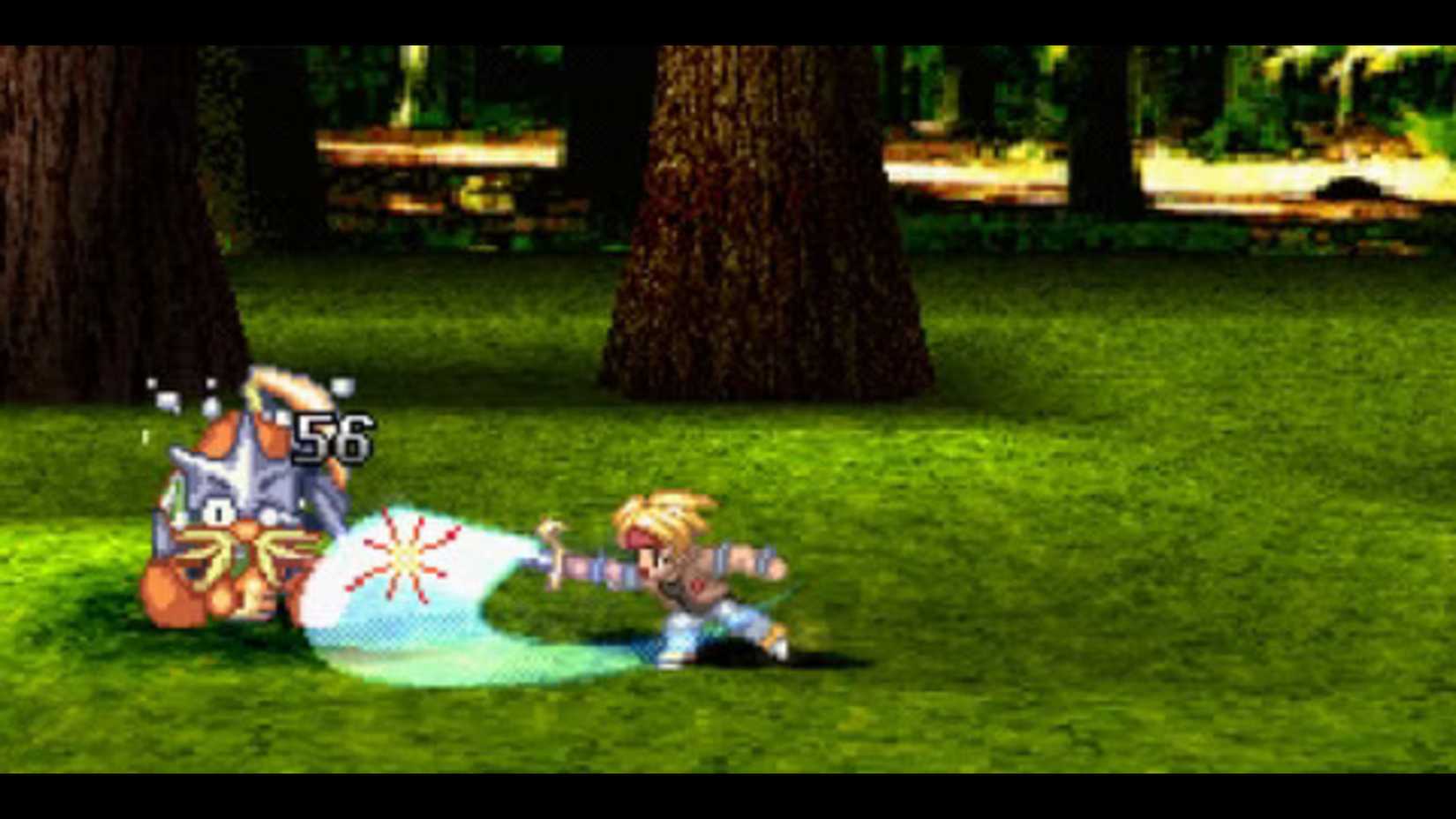
Dragon Warrior VII: Rebuilding a Shattered World
Dragon Warrior VII, released in 2001, is renowned for its immense scale and ambitious scope, which are revealed through a patient, methodical approach to world-building. The game’s opening hours present players with a seemingly small, isolated island, leading many to believe this is the entirety of the game world. However, through a series of discoveries and the restoration of ancient islands, the world gradually expands. Each new landmass not only adds to the explorable map but also reveals fragments of a lost history, weaving a cohesive tapestry of a once-great civilization. This gradual reconstruction of the world mirrors the player’s own journey of discovery, making the 80+ hour experience feel earned and deeply rewarding. The world doesn’t just appear; it’s actively rebuilt and rediscovered alongside the player, fostering a unique sense of ownership and connection.
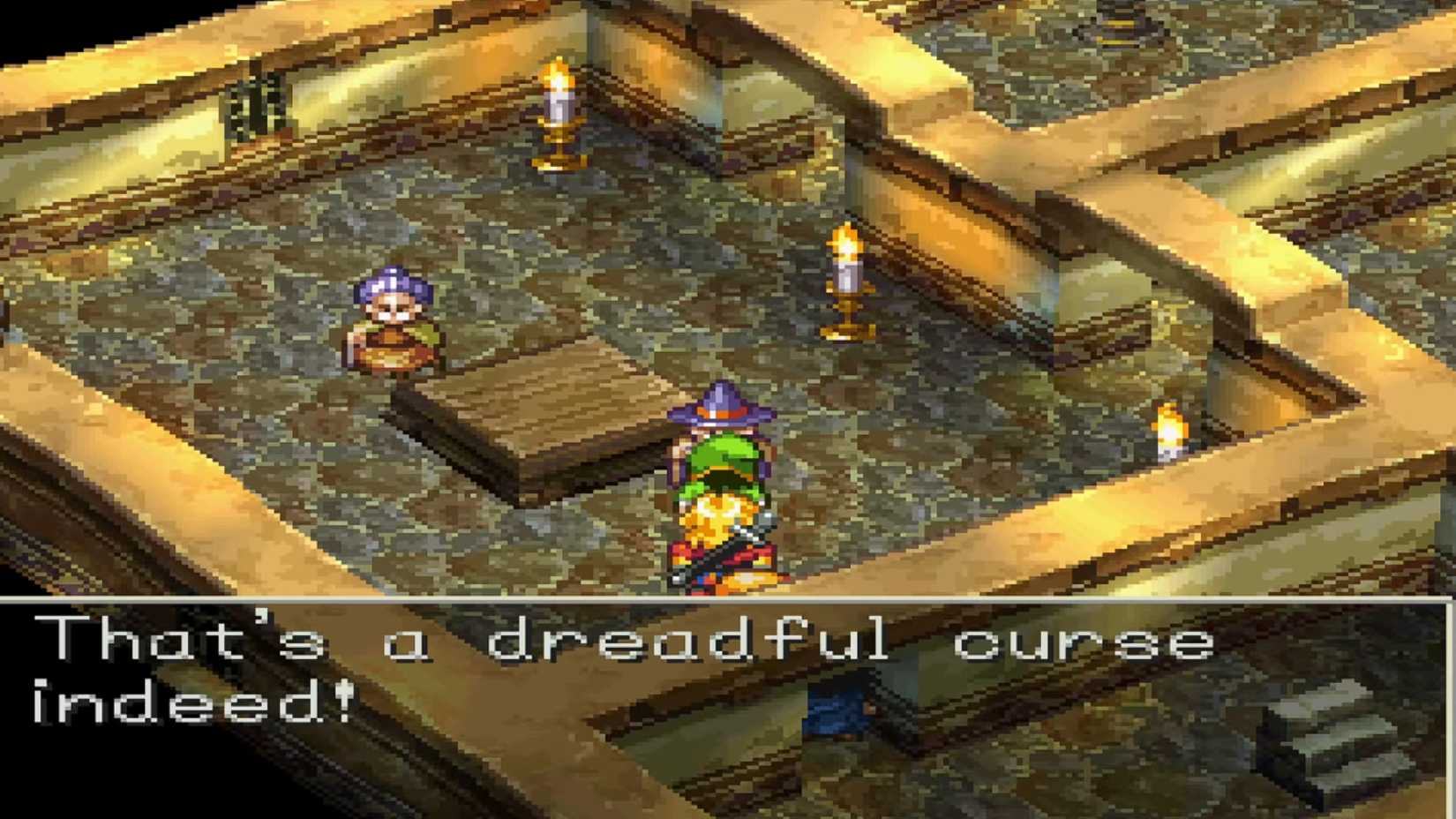
Legend of Legaia: Dissipating the Mist, Expanding Horizons
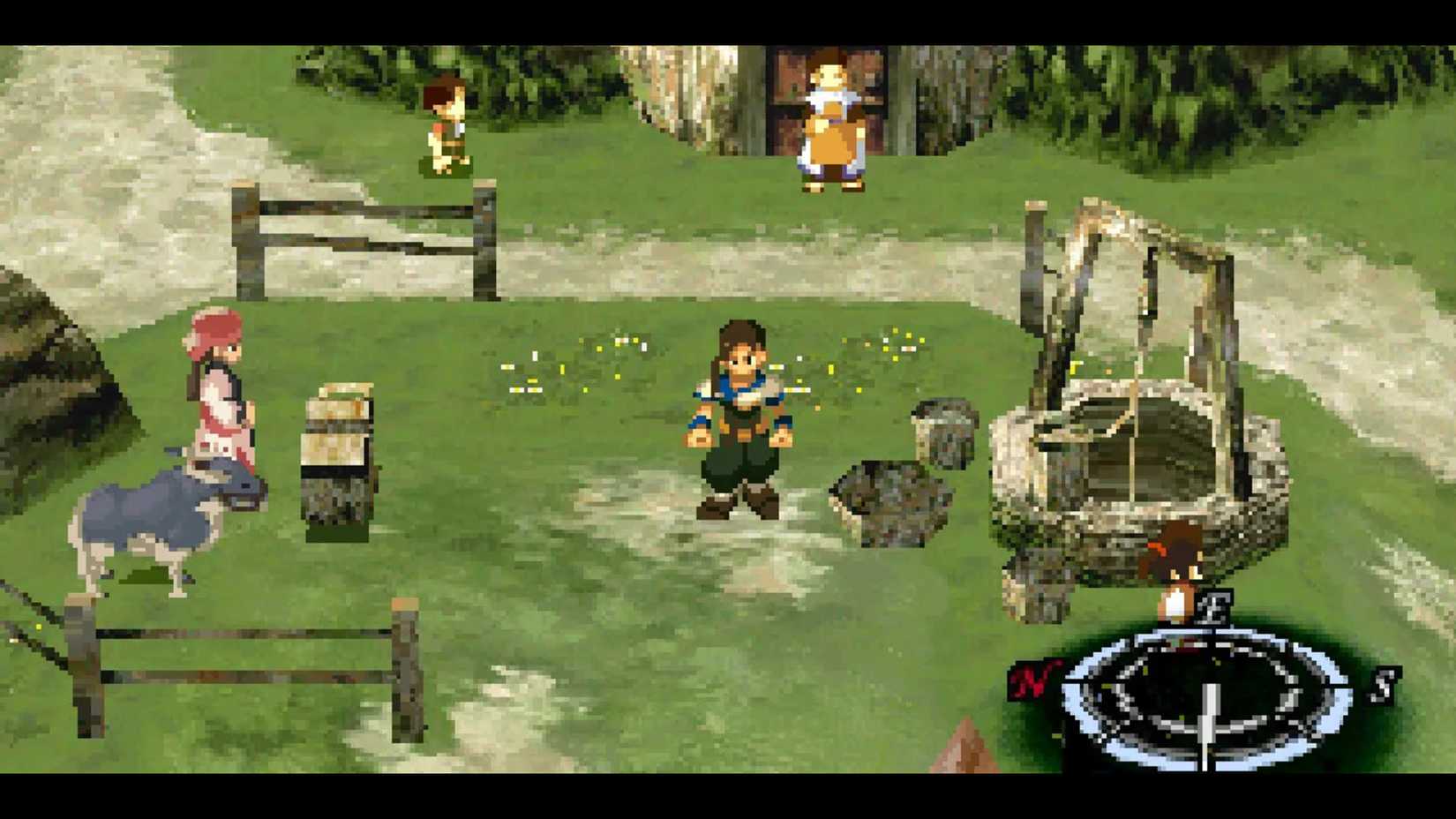
Legend of Legaia, a 1998 release, masterfully employs a unique environmental mechanic to control the pace of world revelation. The game’s initial setting is a small village shrouded by a mysterious "Mist," an oppressive force that restricts movement and harbors dangerous creatures. As the player progresses through the narrative, this Mist gradually dissipates, progressively unlocking new areas of the world map. This gradual unveiling is not arbitrary; it’s intrinsically tied to the story’s progression, preventing players from feeling overwhelmed while maintaining a constant sense of impending discovery. Once the Mist recedes, the true scale of the world is revealed, fostering a profound sense of being a small part of a much larger, intricate landscape. This methodical removal of barriers makes the eventual exploration of the vast world feel incredibly rewarding.

Grandia: The Embodiment of Adventure
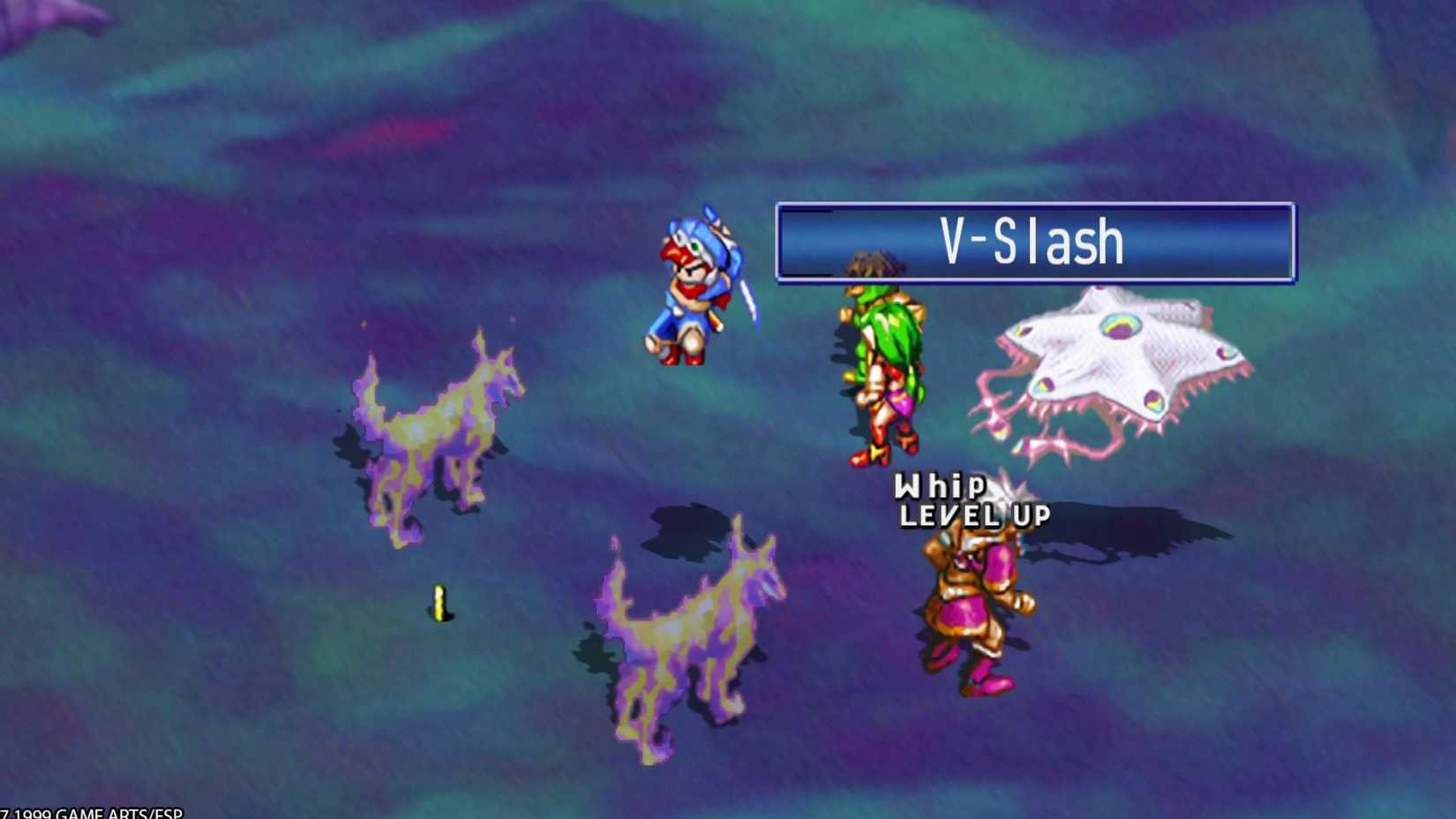
Grandia, released in 1999, is a JRPG that truly embodies the spirit of adventure. It begins with the archetypal tale of a young boy from a small town embarking on a grand quest. However, Grandia elevates this trope by gradually revealing the world’s secrets, particularly those of an ancient, lost civilization. As players explore increasingly wondrous and diverse locations, the initial feeling of being a simple village boy gives way to the realization of a much grander, more expansive world. The knowledge gained throughout the journey directly translates into the player’s ability to explore and understand the vastness of the game’s universe. Grandia‘s vibrant presentation and engaging narrative combine to create an unparalleled sense of adventure, making it a benchmark for JRPGs seeking to capture that feeling of boundless exploration.
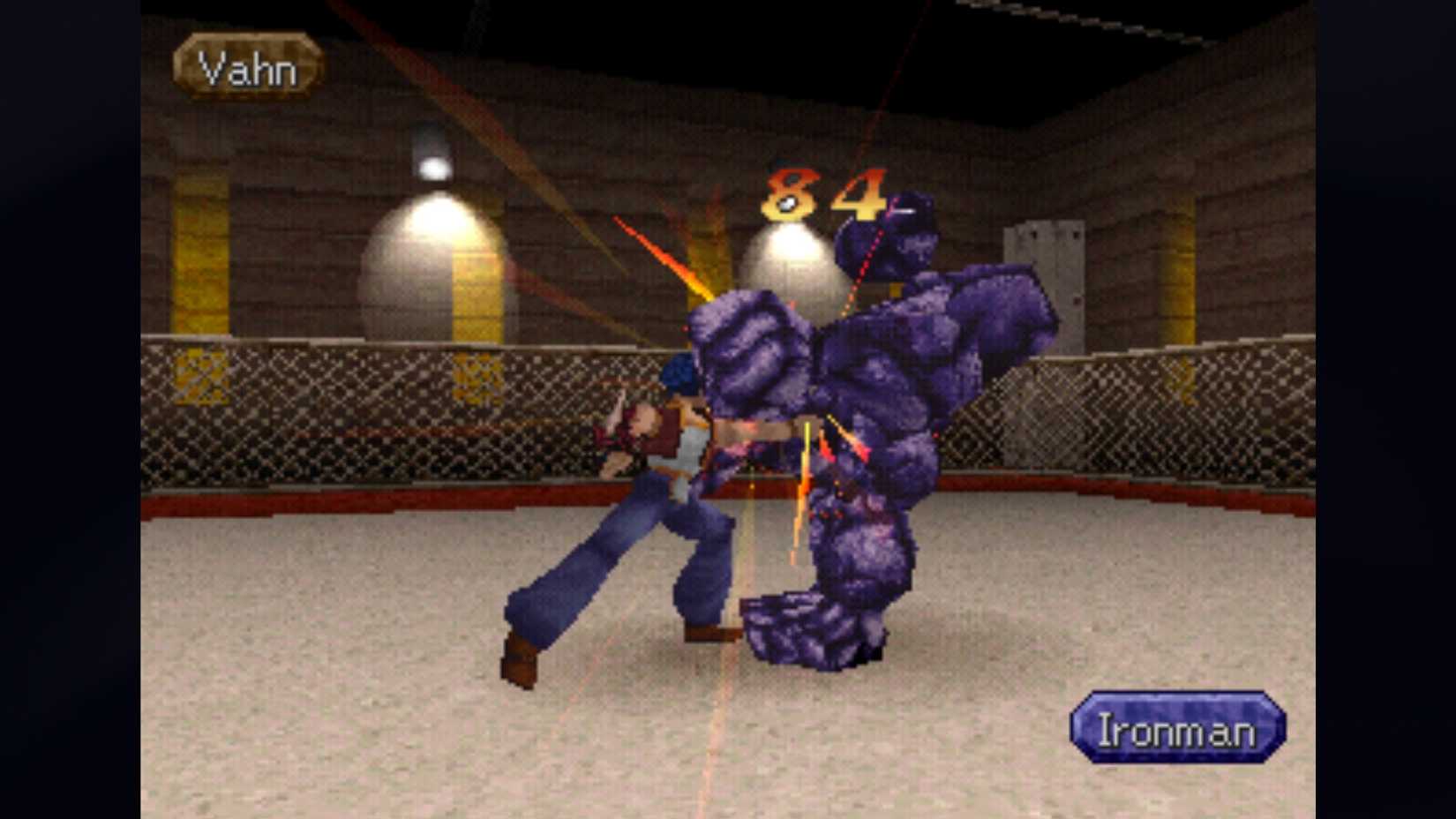
Xenogears: From Humble Beginnings to Cosmic Revelation
Xenogears, a 1998 masterpiece, begins with an intimate, almost mundane story centered on Fei, a young man preparing for a wedding in a seemingly small, cozy village. This localized narrative serves as a stark contrast to the epic scale that the game eventually unfolds. The pivotal moment of Fei piloting the Gear Weltall triggers a cascade of events, leading to his exile and the initial perception of a limited world. However, as the player delves deeper into the lore of warring factions and intricate political machinations, the Yggdrasil ship grants access to true freedom of exploration. The reveal of Solaris, a technologically advanced civilization, is a watershed moment, offering a profound glimpse into another facet of the world and the underlying reasons for the ongoing conflicts. This multi-layered approach to world revelation, from the personal to the cosmic, solidifies Xenogears‘s place as a landmark JRPG.
Final Fantasy VII: Midgar’s Shadow and the World Beyond
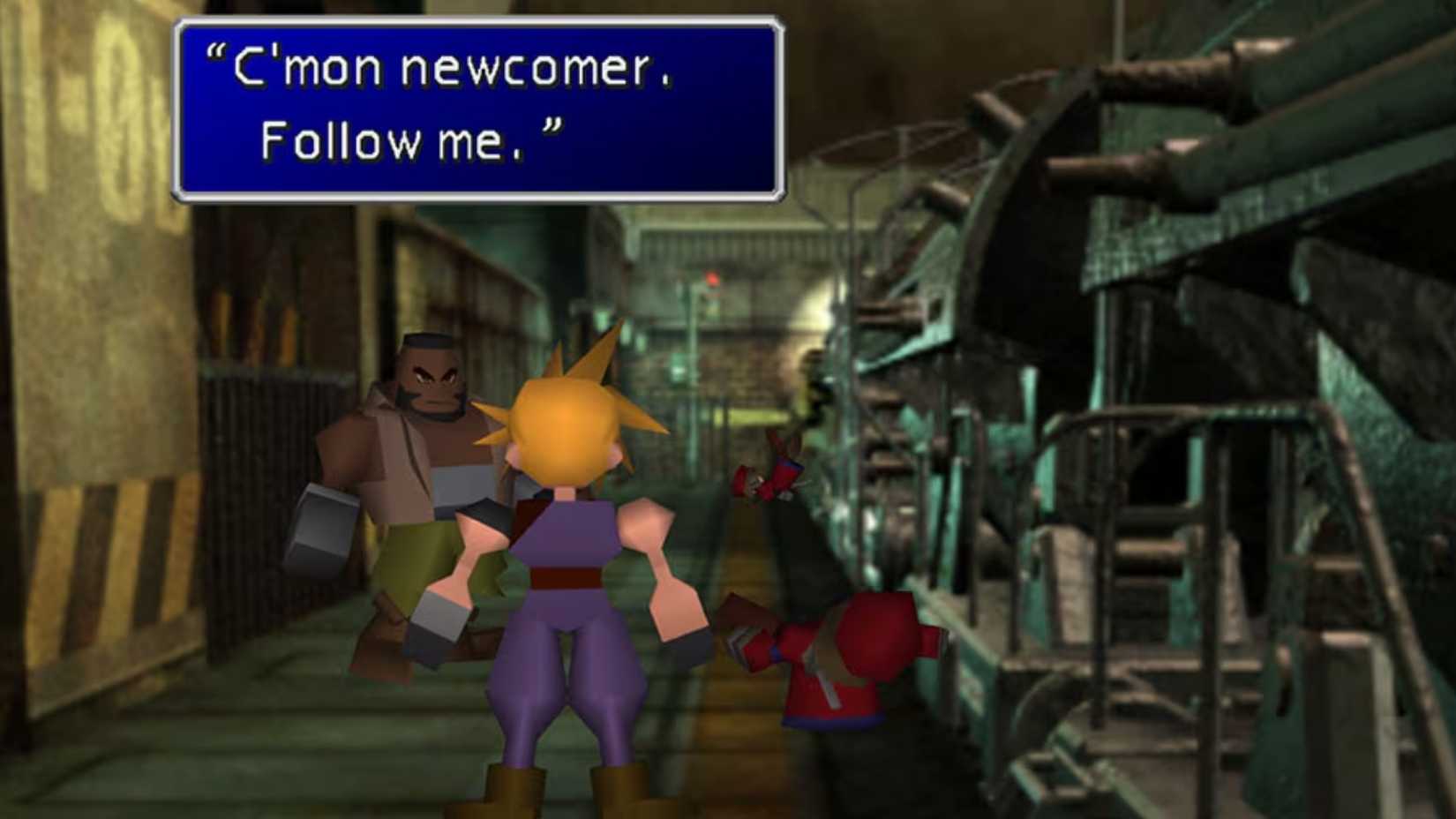
Final Fantasy VII, released in 1997, remains one of the most iconic and influential JRPGs of all time, and its masterful handling of world revelation is a key factor in its enduring legacy. The game’s initial hours are deliberately confined to the sprawling, oppressive industrial city of Midgar. This section of the game masterfully establishes the immediate threat of Shinra and the ecological crisis of Mako, leading players to believe that this urban landscape is the entirety of the game’s focus. However, the introduction of Sephiroth and the subsequent departure from Midgar marks a profound shift. For many players, this was their first experience of a truly open 3D world in a JRPG. The freedom to explore at their own pace, without explicit direction, created an unparalleled sense of discovery. This moment of leaving Midgar is etched into the memories of countless JRPG fans, symbolizing the transition from a contained threat to a world-altering conflict and the vast, explorable landscape that awaited.
Supporting Data and Developer Intent
The prevalence of this "gradual reveal" design philosophy on the PS1 can be attributed to several factors. Developers were experimenting with new storytelling techniques, leveraging the increased memory capacity of CDs to store more detailed environments and richer lore. The narrative pacing was often deliberately controlled to build suspense and encourage player investment. Instead of presenting all information at once, games were designed to reward exploration and story progression with new insights into the world, its history, and its inhabitants. This approach fostered a sense of agency, allowing players to feel like they were actively uncovering the secrets of the game world, rather than simply being presented with a pre-defined space.
Implications for Modern Game Design
The enduring appeal of these PS1 JRPGs highlights a fundamental truth in game design: the journey of discovery can be as impactful as the destination. While modern games often boast vast open worlds accessible from the outset, the deliberate, narrative-driven revelation of space and lore found in these classics offers a different, equally compelling form of immersion. The PS1 generation’s approach to world-building serves as a valuable lesson, reminding developers that the careful pacing of information and the gradual unfolding of a game’s universe can foster deeper player engagement and create truly unforgettable gaming experiences. The legacy of these games continues to influence contemporary titles, proving that sometimes, the greatest wonders are those that are slowly, meticulously unveiled.


 Lina Irawan
 Sagoh
Sagoh