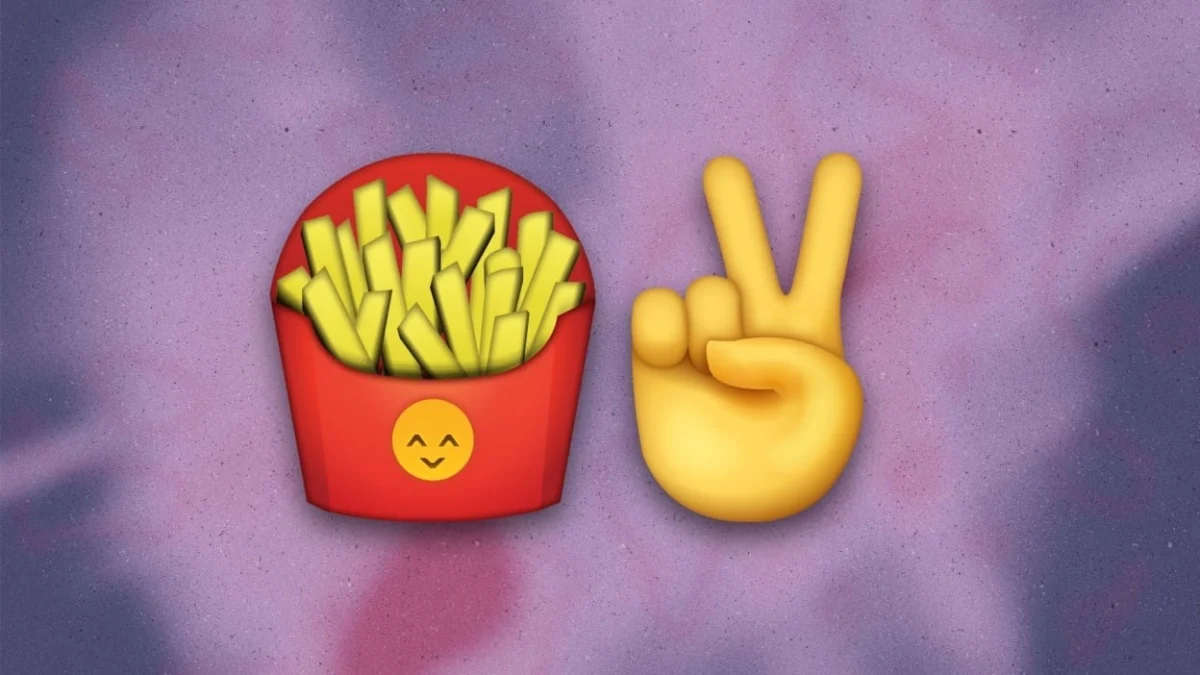
If you have spent any significant time scrolling through TikTok or Instagram comments in late 2026, you may have noticed an increasingly common, seemingly innocuous symbol appearing in response to posts: the French fries emoji (🍟). To the uninitiated, it might look like a craving for fast food or a lighthearted comment about a snack. However, for Generation Alpha—the cohort born roughly between 2010 and 2025—the emoji is anything but appetizing.
The French fries emoji has been weaponized. It is the new, shorthand way to tell someone that they are being "cringe," "corny," or simply that they need to stop talking immediately. It is the digital equivalent of a polite, albeit dismissive, "wrap it up."
The Anatomy of the New Emoji Insult
At its core, the use of the 🍟 emoji is a masterclass in modern semiotics—the study of signs and symbols. When a user posts a video that Gen Alpha deems too earnest, self-important, or long-winded, the comment section is swiftly flooded with the fry box.
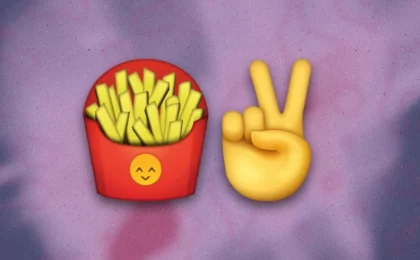
Often, it is paired with the peace sign (✌️). While the lone fries emoji signals that the content is "cringe" or "trying too hard," the combination of 🍟✌️ functions as a direct command: "Just put the fries in the bag, bro." It is a final, cold dismissal. It signals that the creator has lost the room, the joke hasn’t landed, or their unsolicited opinion is unwanted.
This shift marks a significant evolution in digital communication. Emojis have long been used to convey tone, but they are increasingly replacing entire sentences. In an attention economy where brevity is the ultimate currency, the ability to dismiss an entire monologue with two small icons is the pinnacle of internet efficiency.
Chronology: From Viral Phrase to Emoji Shorthand
To understand why a box of potatoes has become a modern-day digital "hush," one must look at the lineage of the phrase that birthed it.
2022: The Origin of the "Ketchup" Request
The roots of this trend can be traced back to 2022, when the phrase "just put the ketchup in my bag, bro" began circulating on Facebook and Twitter. At the time, it was a relatively niche, albeit aggressive, way to mock someone who was perceived as having an inflated sense of self-importance. It leaned into a class-based stereotype, framing the target of the insult as someone whose value was limited to their ability to perform a menial service job.

2024: The "Fries" Evolution
By 2024, the meme had migrated to TikTok, evolving into the more punchy, "just put the fries in the bag, bro." This version exploded in popularity, becoming a staple of "roast" culture on the platform. It was used primarily to mock influencers or posters who were oversharing or delivering "hot takes" that no one asked for. If someone was posturing or acting like their life was a movie, the comments section would quickly remind them of their perceived "place" by invoking the fast-food worker archetype.
2026: The Emoji Reduction
By late 2026, the phrase had become so ubiquitous that typing it out felt redundant. Digital culture, which favors speed and minimal character counts, naturally compressed the sentiment into the emoji. Why type out a full sentence when 🍟✌️ conveys the exact same level of disdain? This reductionist approach is a hallmark of Gen Alpha’s communication style, which prizes irony, speed, and visual shorthand over traditional linguistic structure.
The Socio-Cultural Implications
While the trend may seem like just another fleeting internet joke, it carries deeper, more uncomfortable implications regarding how younger generations interact with one another and with the concept of labor.
The Problem of "Classist" Humor
"Just put the fries in the bag, bro" is not a benign insult. It is fundamentally rooted in a disparaging view of the service industry. By using a fast-food worker as the punchline for someone else’s "cringe" behavior, the meme inherently suggests that service work is degrading or that someone’s social value is tied to their professional status.
When this phrase is reduced to an emoji, that nuance is stripped away, but the underlying sentiment remains. It reinforces a culture of "punching down," where social status is used to silence those who are perceived as being "below" or simply annoying. As this slang becomes more mainstream, the casual nature of the emoji risks normalizing a dismissive attitude toward service workers under the guise of "internet banter."
The Death of the Nuanced Critique
From a communication perspective, the rise of the "fries" emoji signals the death of nuanced debate in comment sections. When a user can be effectively shut down with a single icon, there is no room for engagement, growth, or understanding. It creates an echo chamber where "cringe" is an absolute, and once the 🍟 emoji is applied, the conversation is effectively over.
How Platforms Are Reacting
Social media platforms are currently in a state of adjustment. As moderators and algorithms prioritize engagement, the "fries" insult presents a unique challenge. Because it is an emoji, it is difficult for standard hate-speech filters to flag it as harassment. It falls into a gray area of "digital bullying" that is pervasive yet difficult to quantify.

Industry experts note that this is part of a larger trend of "cryptic signaling" among youth. By creating a private language of emojis that parents and older generations don’t immediately recognize, Gen Alpha is carving out a digital space that feels exclusively theirs. For the older observer, the fries emoji is just a snack; for the target of the comment, it is a clear, stinging social rejection.
Why This Matters for the Creator Economy
For content creators, the "fries" phenomenon is a genuine threat to brand perception. If a creator’s comment section is flooded with 🍟, it can signal to the algorithm that the content is failing to resonate or is being actively mocked.
The "Mashable 101" list of influential creators, which monitors these shifts, has noted that creators are becoming increasingly wary of "baiting" the comment section. In a world where one bad take can result in being "fried"—the slang term for being on the receiving end of this insult—creators are shifting toward more curated, safe, and hyper-short-form content to avoid the dreaded emoji.
Conclusion: The Future of Emoji Slang
As we move further into 2026 and beyond, the French fries emoji will likely be joined by other, similarly coded symbols. The trajectory is clear: as Gen Alpha matures, their language will continue to favor the abstract and the symbolic.
The "fries" trend is a reminder that language on the internet never stands still. What started as a joke about a service worker in 2022 has become a sophisticated, shorthand weapon of social regulation. The next time you see that yellow box of fries in a comment section, remember: it isn’t about the food. It is a sign of a digital generation that has decided it has heard enough, and it is ready to move on—with or without you.
Whether this trend eventually loses its sting or evolves into something even more biting remains to be seen. But for now, if you find yourself on the receiving end of 🍟, the best advice is simple: just stop talking. The internet has already made up its mind.