

We live in a paradoxical era of technology. On one hand, we are hurtling toward a future defined by hyper-intelligent generative AI and omnipresent cloud computing. On the other, there is a palpable, growing movement among tech enthusiasts to reject the friction-filled convenience of modern streaming algorithms in favor of a simpler, more tactile, and intentional engagement with hardware.
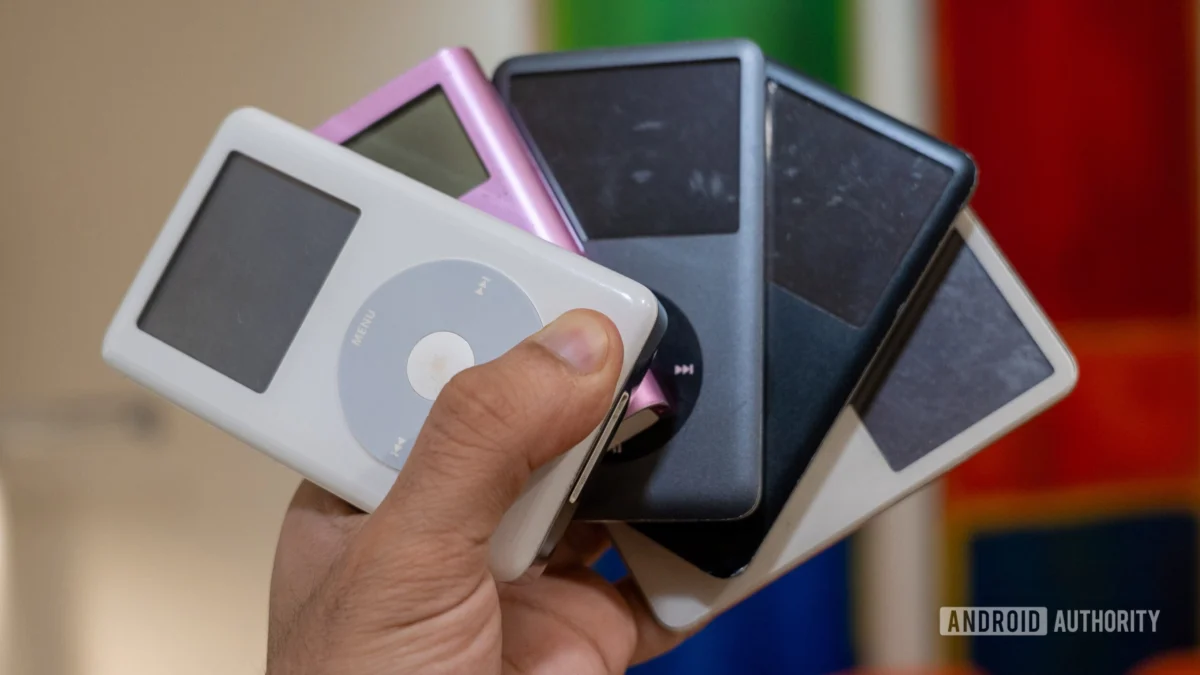
This "analog resurgence" is best exemplified by the cult-like status of the vintage Apple iPod. Once a ubiquitous consumer electronic device, the iPod Classic has become a prized commodity in 2026. Refurbished units—often heavily modified with high-capacity microSD storage and modern lithium-ion batteries—are commanding steep prices on the secondary market.
However, for those yearning for the ritualistic joy of the click-wheel era without the financial commitment of hunting down legacy hardware, a new solution has emerged. The application NostalgicPod effectively transforms any dusty, unused Android smartphone into a high-fidelity, distraction-free music player that mirrors the iconic iPod experience with uncanny precision.
The Core Concept: Engineering Nostalgia
At its heart, NostalgicPod is a $4.99 one-time purchase that bridges the gap between mid-2000s design and modern mobile architecture. The software serves as a sophisticated skin, but it is far more than a simple visual gimmick. It is an exercise in user experience (UX) design that honors the specific "distraction-free" philosophy that made the original iPod a cultural phenomenon.
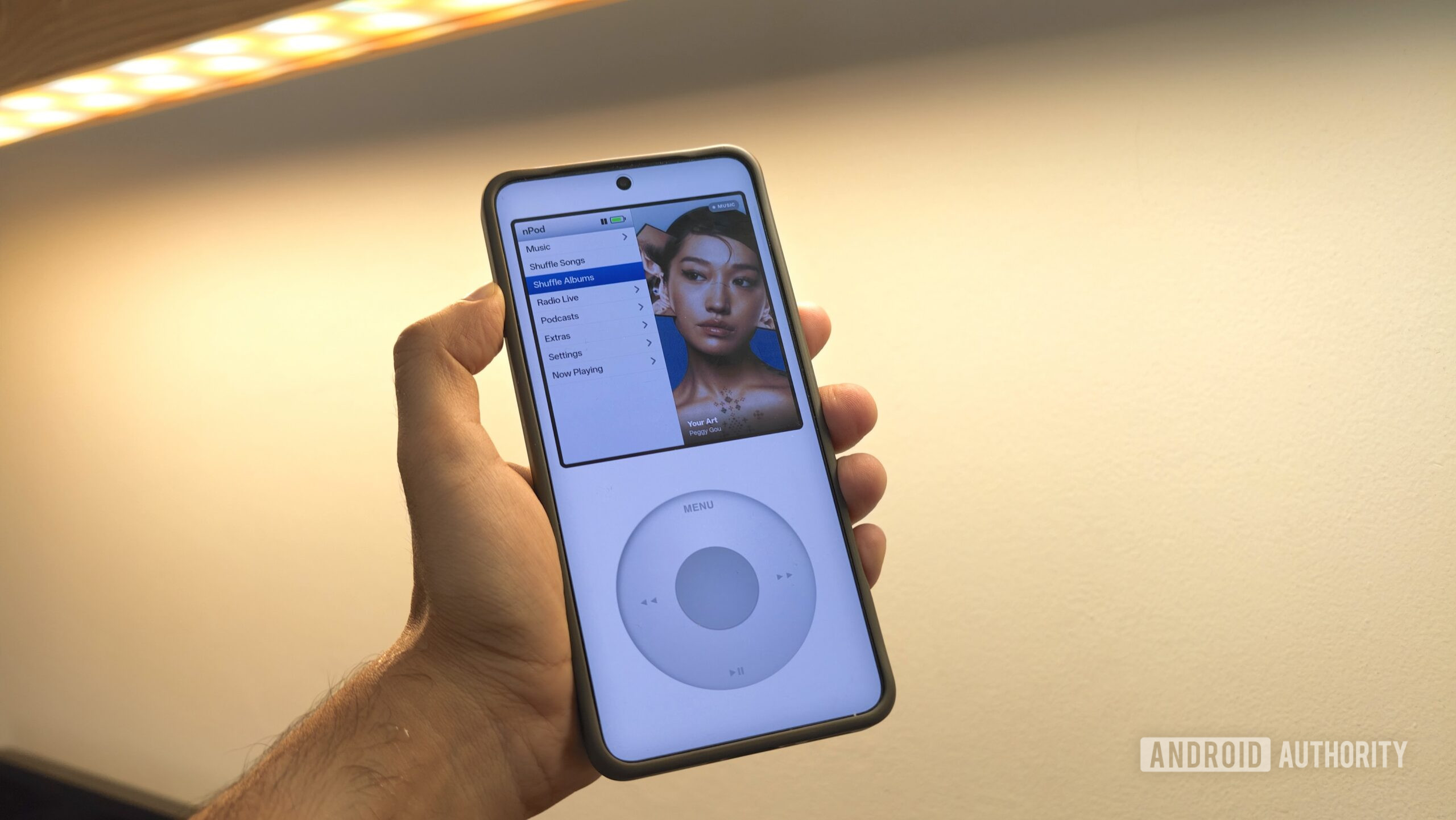
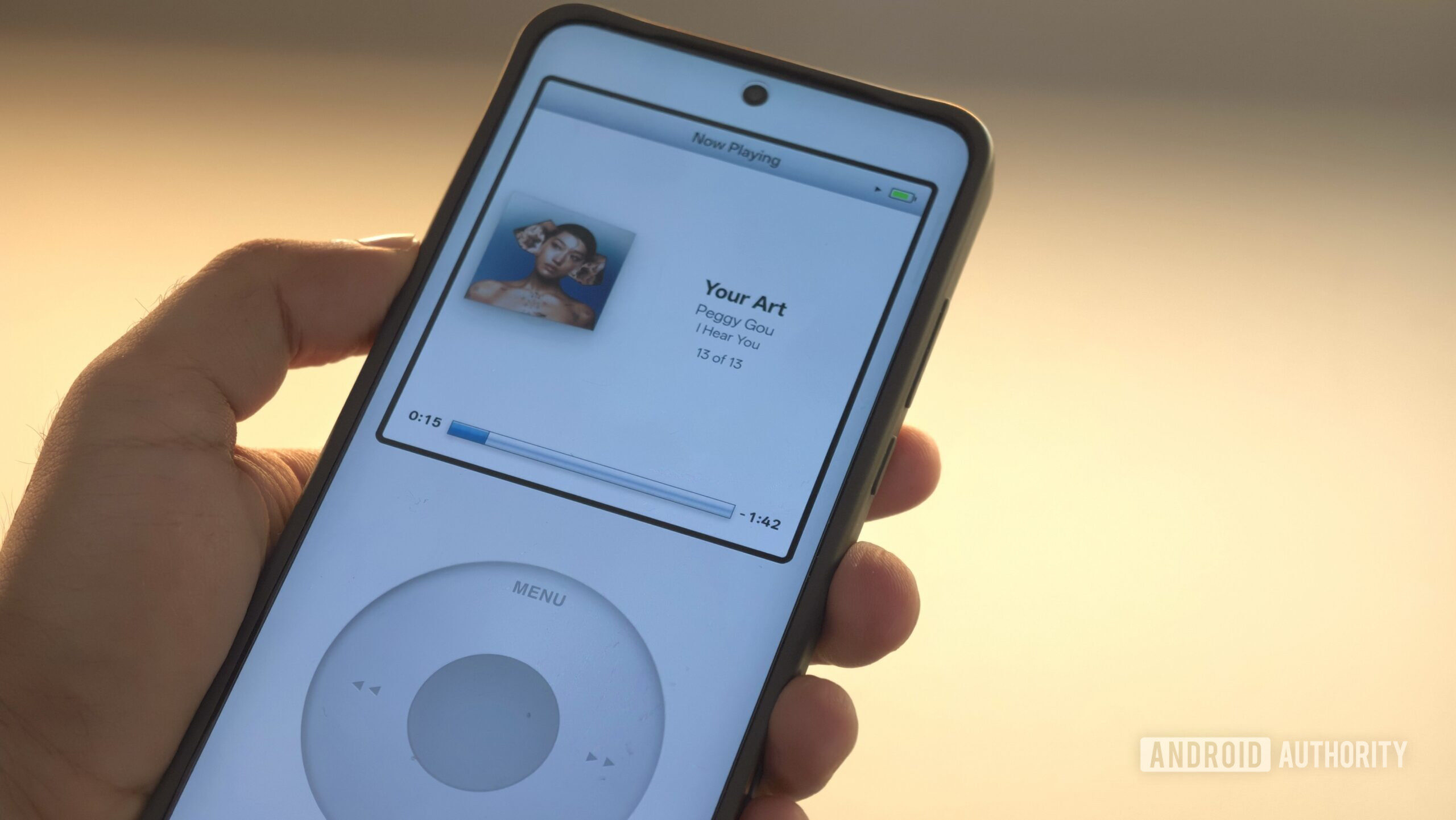
The developer has meticulously replicated the visual language of the iPod interface. Users are greeted by a virtual click wheel that supports intuitive circular thumb gestures to navigate long lists of albums, artists, and playlists. To complete the sensory loop, the app utilizes the smartphone’s haptic engine to provide tactile feedback that mimics the physical resistance of the original click wheel, even allowing for the emulation of the distinctive, piezoelectric mechanical "click" sound through the device’s speakers.
A Chronology of the iPod Revival
To understand why apps like NostalgicPod are thriving, one must look at the trajectory of the portable music player over the last two decades.
- 2001–2007 (The Golden Age): The iPod introduces the world to the "1,000 songs in your pocket" paradigm, centered on the click wheel and iTunes synchronization.
- 2008–2015 (The Transition): The rise of the smartphone and the App Store begins to cannibalize the standalone MP3 player market.
- 2016–2022 (The Streaming Hegemony): Subscription-based models like Spotify and Apple Music dominate, effectively killing the "owned media" library in the eyes of the mainstream consumer.
- 2023–2025 (The Resistance): A surge in "dumbphone" popularity and a backlash against the algorithmic "infinite feed" leads to the viral rediscovery of the iPod Classic.
- 2026 (The Software Solution): NostalgicPod arrives as a mature, polished solution that allows users to leverage the powerful hardware of modern smartphones while adopting the disciplined, offline habits of the early digital music era.
Supporting Data: The Case for Offline Listening
The popularity of NostalgicPod is backed by shifting consumer behaviors. In recent polls conducted among tech enthusiasts, a significant portion of respondents expressed "algorithm fatigue." The current state of streaming services—where playlists are curated by AI and tracks are interrupted by ads or high-pressure recommendations—has created a demand for "curated silos."
Unlike modern music apps that rely on heavy cloud-based data calls, NostalgicPod is a true local player. It indexes the files stored directly on the device’s internal memory or microSD card. By toggling on "Airplane Mode," users can effectively insulate themselves from the constant notifications and connectivity that plague the modern smartphone experience.
Performance Metrics
- Cost Efficiency: A refurbished iPod Classic often exceeds $250. NostalgicPod provides the experience for $4.99, assuming the user already possesses an older handset.
- Format Flexibility: While the original iPod was limited by proprietary codecs, NostalgicPod handles FLAC, ALAC, WAV, and high-bitrate MP3 files natively.
- Battery Sustainability: Because the app is optimized for static display and minimal background processing, it allows old smartphones to achieve impressive standby times compared to the modern standard of daily charging.
Technical Sophistication and Developer Intent
What sets NostalgicPod apart from the myriad of "iPod-style" launchers on the Google Play Store is the depth of its feature set. The application does not simply display an image of a wheel; it integrates with the Android OS to ensure that the music playback is as high-fidelity as the hardware allows.
Key Technical Features
- External DAC Support: The app includes plug-and-play drivers for high-end USB Digital-to-Analog Converters (DACs), allowing for true audiophile performance that far exceeds the original iPod’s sound signature.
- Automated Library Cleanup: Recognizing that modern users rarely maintain perfect ID3 tags, the app includes a background tool that cross-references metadata with online databases to download high-resolution album art and fix track information.
- Immersive Mode: This feature completely hides the Android navigation bars, preventing accidental app switching and fully locking the user into the music interface.
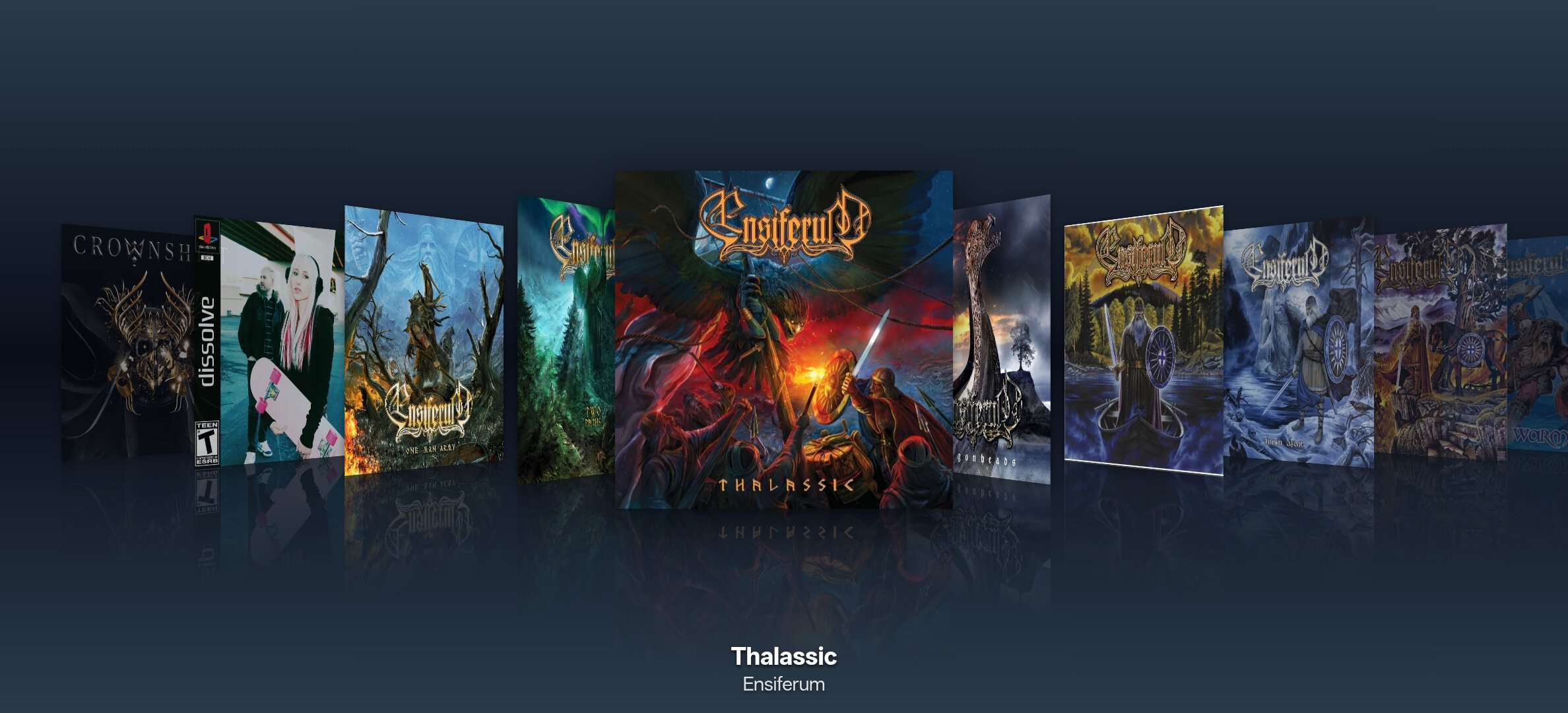
- Landscape Cover Flow: A nod to the iPod Touch era, the 3D scrollable album art interface is smooth and responsive, utilizing modern GPU acceleration that the original hardware could only dream of.
The "Beyond the Skin" Philosophy: Official and Community Feedback
The developer of NostalgicPod has remained clear about their mission: this is not a replica, but an homage. In recent communications, the developer noted that the goal was to "reintroduce the act of choosing what you listen to, rather than having it chosen for you."
The community response has been overwhelmingly positive. Tech reviewers have noted that the "extras" menu—which includes fully playable, period-accurate ports of games like Snake, Solitaire, and Brick—transforms the app from a simple media player into a time-capsule simulation.
However, there have been requests for further integration. Users have voiced a desire for the ability to manually add custom internet radio streams, such as SomaFM. The developer has acknowledged these requests, noting that while the focus remains on local, curated libraries, the modular nature of the app’s architecture leaves room for future expansions.
Implications for the Future of Digital Media
The rise of NostalgicPod suggests a profound shift in how we perceive the utility of our older devices. We have long been conditioned to view technology as disposable, with smartphones becoming e-waste after three to four years of use. By repurposing these devices into dedicated, high-quality music players, users are not only saving money but also extending the lifecycle of hardware that is otherwise perfectly capable.
The Psychological Benefit
The primary implication of using an app like NostalgicPod is the reclamation of mental bandwidth. By removing the ability to "search for the next song" via endless, AI-generated lists, the user is forced to engage with their existing library. This encourages "deep listening," a practice that has significantly diminished in the era of short-form content and background-noise streaming.
A Gateway to Audiophilia
For many, the $5 barrier to entry is the first step toward a deeper interest in audio quality. As users realize they can play lossless files on their "virtual iPods," they become more inclined to invest in better headphones, external DACs, and high-fidelity source files. It is an educational tool masquerading as a nostalgic toy.
Final Verdict: Is the "iPod Life" for You?
Living with an iPod—or a digital experience that mimics one—is a commitment. It requires the user to be active in the management of their library. It requires the discipline to stop, search for an album, and listen to it from start to finish.
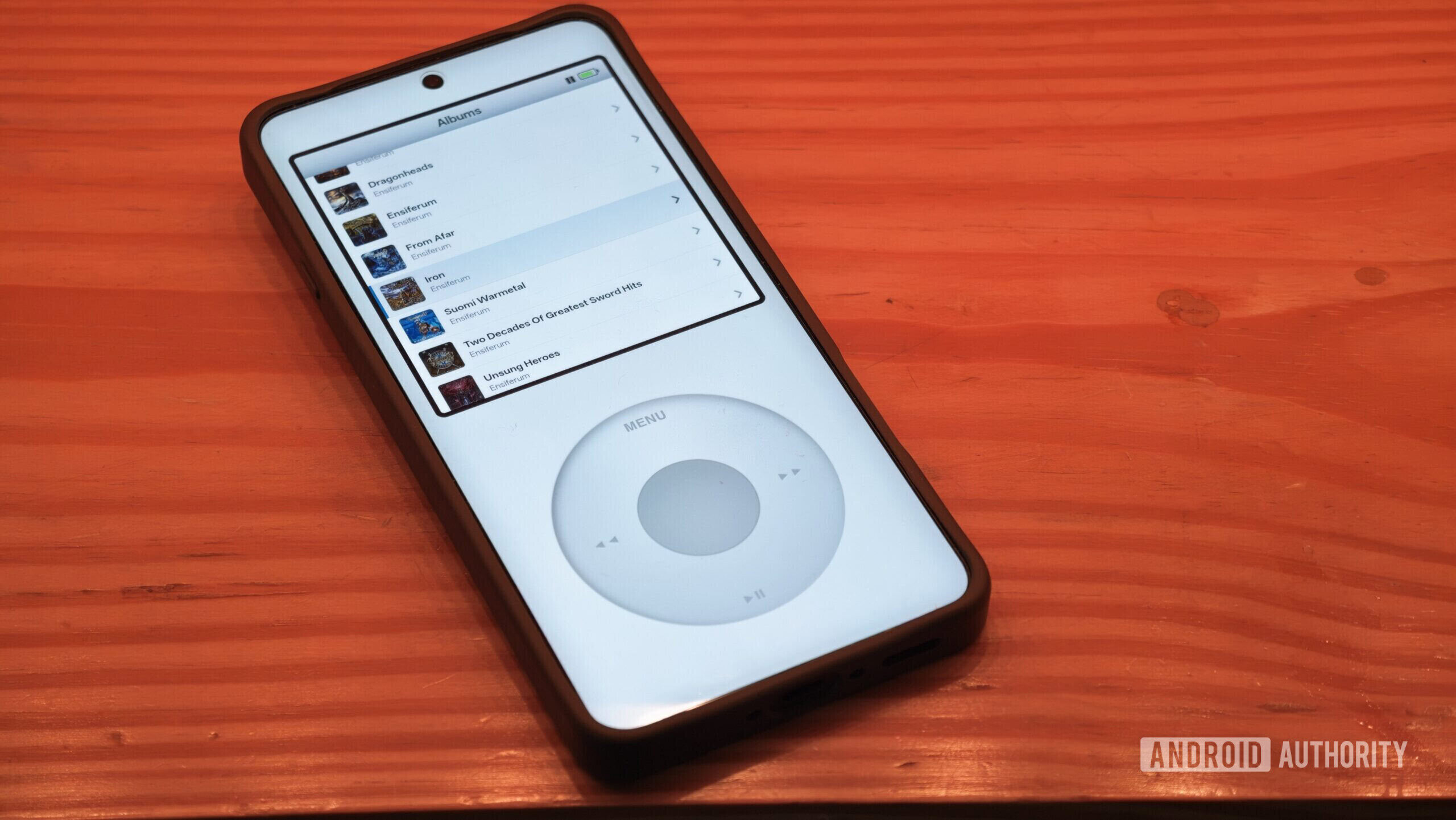
However, for the tech enthusiast who feels overwhelmed by the constant noise of the connected world, NostalgicPod offers a sanctuary. It is an elegant, well-crafted, and highly functional piece of software that respects the past while leveraging the best of the present. Whether you are a long-time collector of Apple hardware or a newcomer curious about why people are suddenly obsessed with "vintage" digital audio, this application is an essential installation.
In an age where technology is designed to capture our attention, NostalgicPod is a rare, refreshing piece of software designed to let us escape it. It is, quite simply, the easiest and most rewarding way to experience the "iPod lifestyle" in 2026.











