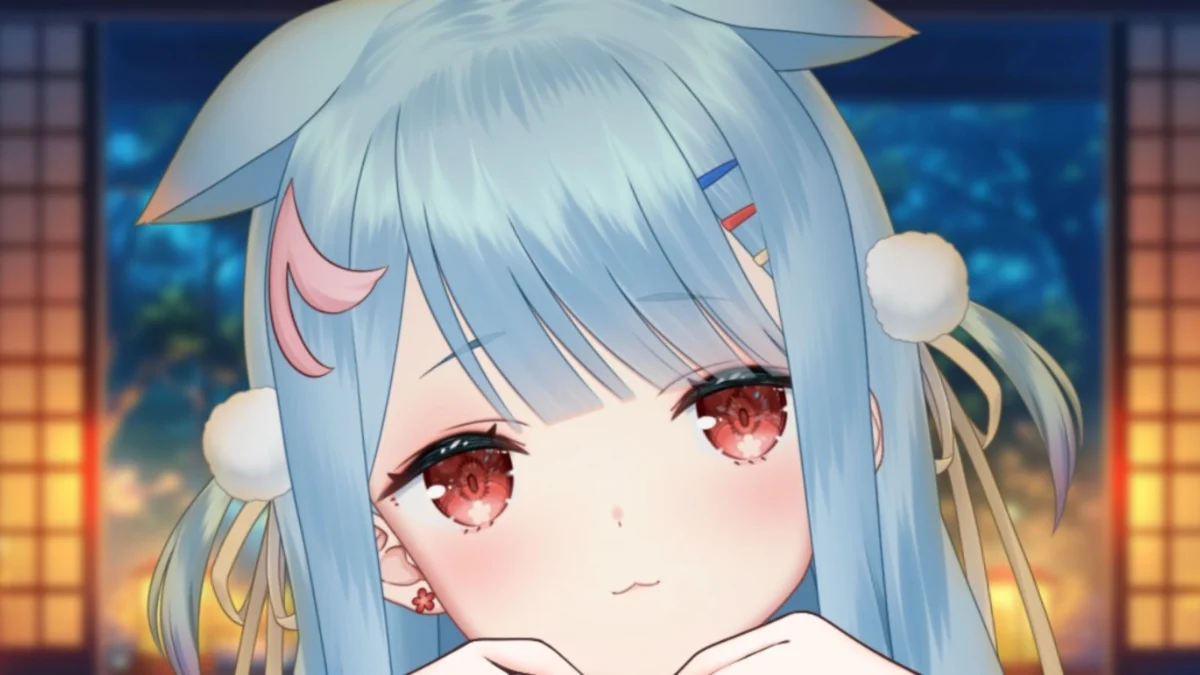
In the meticulously curated world of Virtual YouTubing (VTubing), the avatar is more than a digital mask; it is a fortress of identity. For the past four years, Varium agency talent Komai Ume has cultivated a beloved persona, building a career defined by the separation between her real-world self and her animated counterpart. However, a technical malfunction during a recent broadcast abruptly shattered that boundary, exposing her real face to thousands of viewers.
In an industry where anonymity is often the primary safeguard for creators, such an incident is typically feared as a career-altering catastrophe. Yet, in a testament to the evolving maturity of the parasocial relationship between streamers and their audiences, the response from the community was not one of scandal or exploitation, but of profound empathy and collective reassurance.
The Anatomy of an Incident: Chronology of the Glitch
The incident occurred during a routine broadcast that was intended to be an ordinary session for Ume’s established fanbase. As a veteran of the Varium agency, Ume has long maintained a professional streaming environment, utilizing motion-capture software to project her animated avatar in real-time.
During the broadcast, a synchronization error between her broadcasting software (OBS) and her tracking application caused a momentary failure in the virtual overlay. For a brief, unintended window, the digital skin stripped away, revealing her face to the live audience. Recognizing the error, the stream was brought offline shortly thereafter.
Following the incident, Ume immediately went dark. She took an unannounced hiatus, a move that often fuels rumors and speculation in the fast-paced world of live streaming. During this 24-hour window, the community held its breath, waiting for word from the creator. The silence was broken the following day when Ume issued a formal statement addressing the mishap with characteristic humility.
Official Responses and the Quest for Accountability
In her official statement, posted to her social media channels, Ume did not shy away from the gravity of the situation, nor did she attempt to deflect blame.
"I wasn’t able to sufficiently check the streaming setup, and as a result, an unintended issue occurred," Ume wrote. "I am truly sorry."
For many VTubers, the pressure to maintain the "kayfabe"—the performance of the persona—is intense. Ume’s apology centered on her desire to provide a seamless experience for her viewers, expressing regret that her technical oversight had distracted from the content she works so hard to produce. She pledged to implement more rigorous pre-stream hardware and software audits, effectively turning a moment of vulnerability into a commitment to professional excellence.
The Paradigm Shift: Fan Support Over Sensationalism
Historically, the exposure of a VTuber’s face has been treated by fringe elements of the internet as "doxxing" or a breach of the creator’s privacy. However, the reaction to Ume’s situation suggests a broader cultural shift. Rather than scouring the footage for screenshots or fueling discourse regarding her identity, her fanbase responded with an overwhelming outpouring of emotional support.
"Mistakes happen; people need to understand that things like this are bound to happen while being a VTuber," one prominent supporter wrote on X (formerly Twitter). "It’s a burden you’re willing to take, but please don’t be sorry! You’re a normal human being, we all are human beings."
This sentiment was mirrored across forums and social media platforms. Fans emphasized that Ume’s value as a creator is derived from her personality, her wit, and her connection to the audience—not the pixels that represent her. By reframing the accident as a "human moment" rather than a "privacy failure," the community actively worked to mitigate the anxiety that such an exposure typically causes a creator.

The Industry Context: Identity, Privacy, and the VTuber Experience
To understand why this event resonated so deeply, one must look at the structural pressures of the VTubing industry. VTubers operate under the premise that their physical appearance is secondary to their creative output. The avatar acts as a canvas for the personality, allowing for a level of creative freedom that can be hindered by the anxieties of physical appearance or the risks of public recognition.
Prominent industry figures have frequently spoken to these pressures. For example, Ironmouse, one of the most successful VTubers in history, has been vocal about why she will "never" perform a face reveal. Her reasoning rests on the fundamental goal of the medium: protecting the barrier between the public persona and the private life.
"The privacy of the VTuber is paramount," industry analysts note. "When that privacy is breached, even by accident, it forces the creator to confront the reality that they are living a double life. The support Ume received serves as a psychological safety net, proving that the audience is not there to see a ‘character’ in a clinical sense, but to engage with a person who uses that character to express themselves."
Implications for the Future of Virtual Entertainment
The aftermath of the Komai Ume incident offers several key takeaways for the VTubing ecosystem:
1. The Normalization of Human Error
As the VTubing industry continues to grow, technical glitches will inevitably occur. The way the community handles these moments is evolving. By prioritizing empathy, the community is setting a standard where technical failure does not equate to professional disgrace.
2. The Strength of Agency Support
Varium’s role in this incident—allowing Ume the space to take an unannounced day off—underscores the importance of mental health support for digital creators. The agency’s hands-off approach during the initial shock allowed Ume to regain her composure and address the audience on her own terms, rather than being forced into a scripted corporate response.
3. Redefining Parasocial Boundaries
The incident challenges the traditional definitions of parasocial relationships. In the past, such an event might have led to a "de-masking" that would cause fans to lose interest. In Ume’s case, the community’s protective response suggests that the bond is based on mutual respect. The fans are effectively saying, "We see you, but we respect your right to remain behind the veil."
Conclusion: A Lesson in Compassion
Komai Ume’s return to streaming was met with high viewership numbers, signaling that the incident did not negatively impact her standing within the industry. If anything, the shared experience of the accident and the subsequent support has deepened the bond between the creator and her community.
As the industry moves forward, the "Ume incident" will likely be cited as a case study in crisis management and community building. It serves as a reminder that behind every sophisticated piece of tracking software and every meticulously designed avatar, there is a human being. In an era where digital privacy is increasingly fragile, the VTubing community’s decision to choose kindness over curiosity marks a significant milestone in the maturity of internet culture.
Ume’s promise to be more thorough with her equipment is a practical step, but her audience’s reaction was the true turning point. By refusing to capitalize on her misfortune, they have ensured that the digital veil remains intact—not because it is impenetrable, but because they have collectively agreed to help her hold it up.