


For the modern parent, the household often resembles a high-stakes startup. Between the demands of a career, the intricate logistics of extracurricular activities, and the emotional labor of raising children, the mental load is unprecedented. As a working mother of three—juggling a travel-soccer-playing teen, a child with special needs, and a spirited youngest—I often feel as though I am managing a chaotic, fast-moving enterprise.
While critics often view Artificial Intelligence with skepticism, framing it as a technological shortcut or a threat to traditional human connection, my professional life as an AI tester has revealed a different reality. When used intentionally, AI acts as a "digital village," providing the organizational bandwidth and emotional scaffolding necessary to navigate the complexities of 21st-century child-rearing.
The Evolution of Parenting Support: Beyond the Books
For generations, parents relied on a combination of intuition, family guidance, and a shelf full of parenting manuals. Today, the landscape has shifted. While books remain valuable, the modern parent often requires "just-in-time" support—answers, solutions, and organizational clarity at the exact moment a crisis or logistical bottleneck occurs.

The integration of AI into the home is not about replacing the parent; it is about offloading the cognitive "friction" that leads to burnout. By leveraging tools like Google Gemini, ChatGPT, NotebookLM, Alexa+, and Google Maps, I have found that I am not just more organized—I am more present. When the mental clutter of scheduling and "what-if" scenarios is outsourced, the capacity for genuine, calm, and focused connection with my children increases.
1. Gemini: The Master Scheduler of "Maycember"
The late-spring stretch, which many parents jokingly refer to as "Maycember," is a gauntlet of state testing, spirit weeks, field days, and final projects. It is a period where one missed email or forgotten "yellow shirt day" can lead to significant parental guilt and child distress.
Gemini has become my primary defense against these administrative slips. By integrating my family calendar with Gemini’s processing capabilities, I no longer rely solely on my own memory.

- The Logistics Advantage: I utilize Gemini for complex route planning. A typical prompt might look like: "I need to get from my son’s soccer game in Town A to a birthday party in Town B by 4 p.m. If we stop for a quick pizza, what is the best route to avoid the 5 p.m. traffic surge?"
- The Result: By offloading the "math" of logistics, I reduce the background anxiety that often permeates family outings. This transition from reactive scrambling to proactive planning has allowed me to navigate the most hectic weeks of the school year without a single missed commitment.
2. ChatGPT: The Instantaneous Sounding Board
Parenting is rarely a linear experience; it is an unpredictable series of emotional and intellectual queries. Whether it is a toddler asking why the moon follows us, or a child struggling to grasp the concept of inflation, or even a behavioral challenge during the "witching hour," the need for a neutral, calm voice is constant.
ChatGPT serves as my instantaneous sounding board. It does not replace experts or pediatricians, but it does act as a cognitive filter.
- Reframing Responses: When I am overwhelmed—perhaps after a long day of work—and my children are escalating, I might ask ChatGPT: "How do I explain the value of money to a 5-year-old?" or "What is a calm, firm consequence for a child who refuses to transition to the morning routine?"
- The Psychological Impact: The AI provides a non-judgmental, objective perspective that helps me reframe my own reaction. By the time I have processed the AI’s suggestion, my own emotional temperature has lowered, allowing me to parent with intention rather than reacting out of frustration.
3. NotebookLM: Bridging the Generational Gap in Education
One of the most surprising challenges of modern parenting is the realization that "new math" and current pedagogical methods often differ drastically from how parents were taught. This creates a point of friction during homework time.

NotebookLM has effectively become our home tutor. By uploading my children’s actual study materials, notes, and curriculum guides, I turn the AI into a personalized, interactive tool.
- Interactive Learning: Instead of me acting as a frustrated translator of incomprehensible math problems, the AI takes the role of the patient tutor. It generates flashcards, creates practice quizzes, and explains concepts in ways that are aligned with the student’s current classroom standards.
- Neutrality: The emotional tension that often accompanies homework is significantly reduced. When the child views the AI as the source of information, the parent is freed to play the role of the supportive cheerleader rather than the exasperated taskmaster.
4. Alexa+ and Voice AI: The "Five-Minute" Buffer
In the professional world, we talk about "deep work" and productivity. In the parenting world, those same concepts apply, albeit in smaller increments. For a parent, five minutes of uninterrupted focus—to answer a critical email, take a conference call, or simply breathe—can be the difference between a productive day and a complete collapse.
While I am cautious about screen time and passive engagement, I utilize Alexa+ and ChatGPT’s Voice mode as an interactive "co-pilot" for my children.
- Guided Creativity: Rather than mindless entertainment, I prompt the AI to play "Rock, Paper, Scissors," engage in storytelling, or answer the wild, imaginative questions that toddlers love to ask.
- The Benefit: The AI never tires of the question, "What would happen if a dinosaur ate macaroni on the moon?" By outsourcing these high-patience interactions to a system that doesn’t feel fatigue, I am able to carve out the vital seconds needed to maintain my own mental equilibrium.
5. Google Maps: The Invisible Infrastructure of Daily Life
If one were to map my existence, it would look like a sprawling, interconnected web of soccer fields, dance studios, and grocery stores. Google Maps is the invisible, indispensable system holding this infrastructure together.
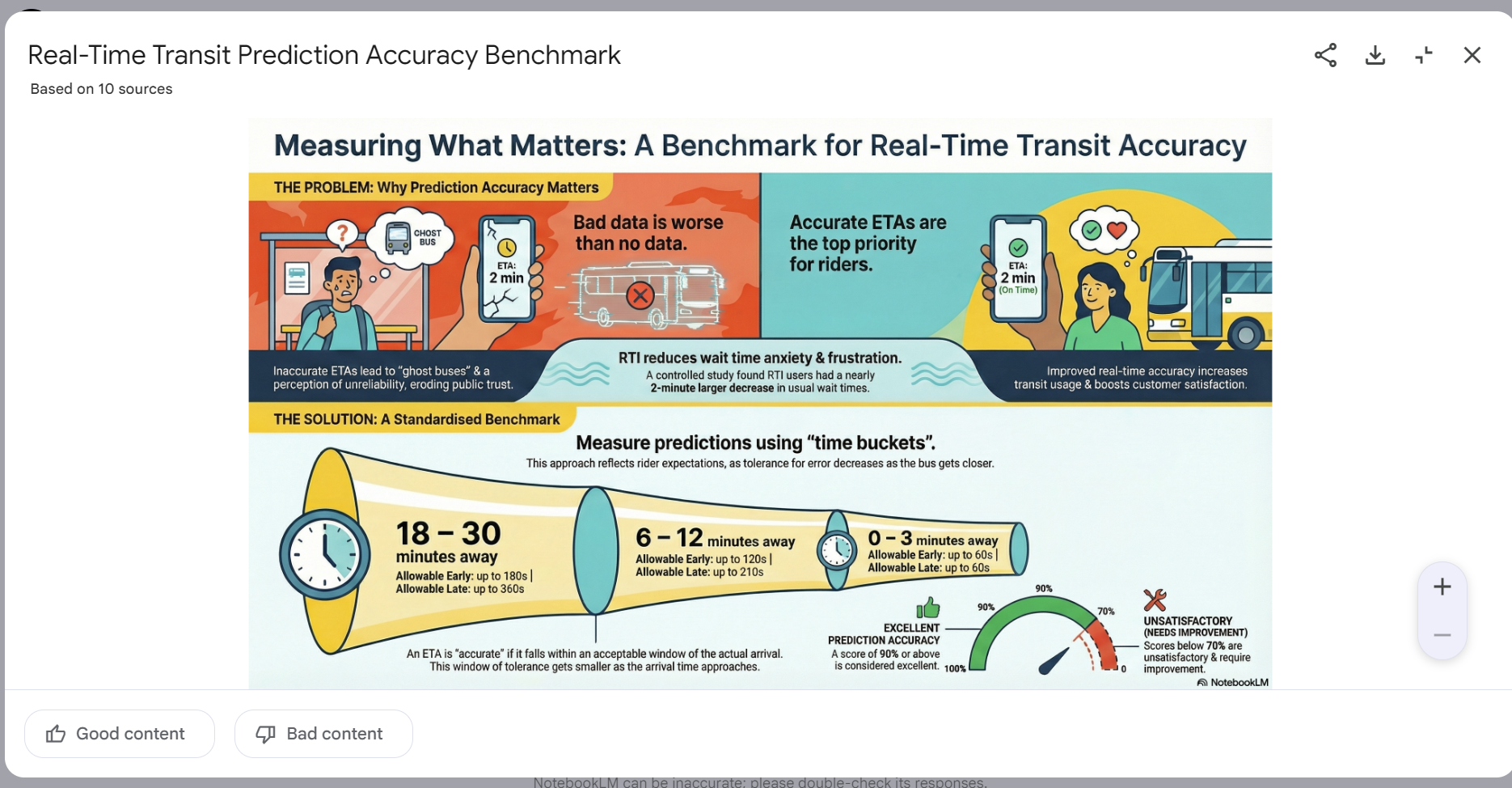
The reliance on real-time data is not a luxury; it is a necessity for the modern, multi-child household.
- Operational Efficiency: With the constant flux of traffic patterns and the unpredictability of regional travel for sports, the real-time rerouting features are essential.
- Economic and Mental Savings: Beyond the obvious benefit of avoiding gridlock, the gas-saving route features and the ability to find gas stations or quick-service food options along a specific route allow for a level of efficiency that minimizes the "exhaustion tax" on the family. When you are driving three children across the state, knowing exactly when you will arrive—and why—is a profound stress reliever.
Implications for the Future of Parenting
As we look toward the future, the integration of AI into domestic life will likely become even more seamless. Critics often worry about the "de-humanization" of the household, fearing that machines will raise our children. However, my experience suggests the opposite: AI removes the administrative "noise" so that the human connection can become louder.

The data supports this transition toward "assisted parenting." According to recent industry observations, the adoption of AI tools by households is growing rapidly, specifically among working parents who are seeking to reclaim time. The implication is clear: we are moving into an era where being a "good parent" is less about doing everything yourself and more about being the efficient, thoughtful manager of the resources at your disposal.
Conclusion: Reclaiming the Role of the Parent
Initially, I felt a twinge of guilt—a sense that I was "cheating" at parenting. But that guilt is misplaced. It assumes that the struggle itself is the virtue. If we have the technology to reduce the friction of daily life, to keep our cool when our patience is tested, and to ensure our children receive the best possible support, then why shouldn’t we use it?
These tools do not replace the parent. They do not hold a child’s hand, they do not offer comfort after a bad dream, and they do not provide the foundational love that is the cornerstone of a family. They do, however, provide the space for the parent to be the person they want to be. For this working mom of three, that tiny reduction in daily stress is not just a productivity win—it is a win for the entire family.












No comments yet. Be the first to join the conversation!