

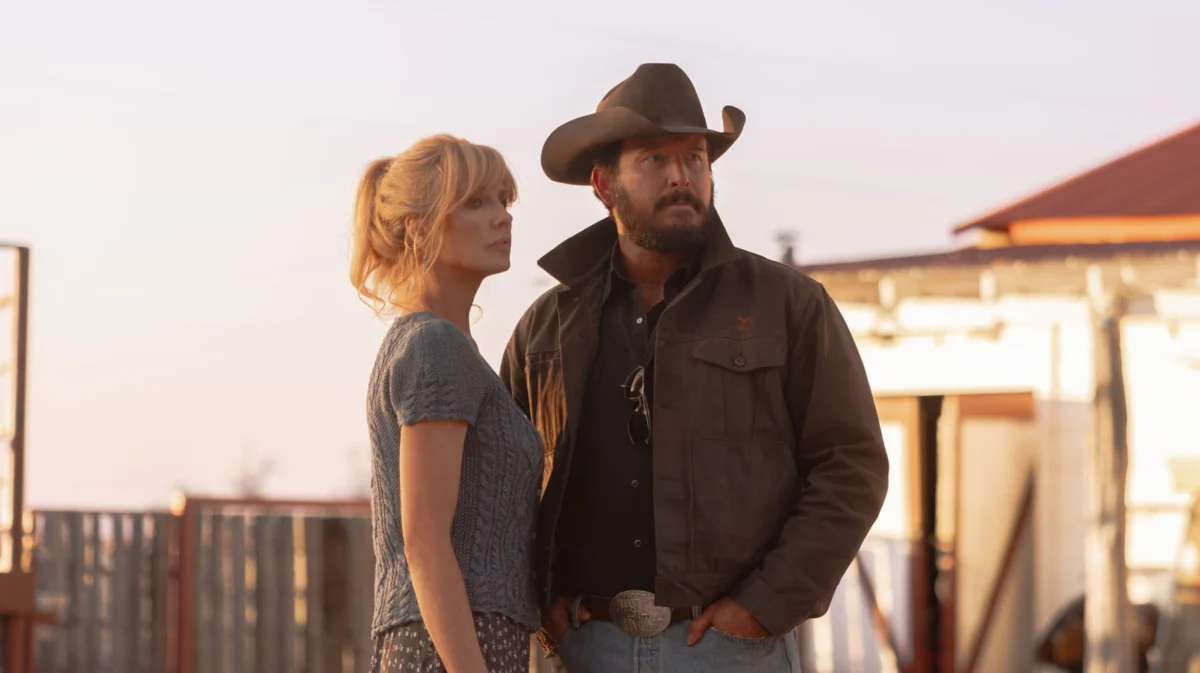
The expansive universe of Taylor Sheridan’s neo-Western saga, Yellowstone, has officially splintered. Following the conclusion of the flagship series, Paramount set out to capitalize on the franchise’s massive cultural footprint by launching two distinct spin-offs: the CBS-based procedural Marshals, starring Luke Grimes, and the Paramount+ flagship sequel Dutton Ranch, featuring the return of fan-favorites Kelly Reilly and Cole Hauser.
While both shows carry the weight of the Dutton name, their trajectories could not be more different. Early critical consensus and audience reception suggest a widening chasm in quality. While Marshals has struggled to find a distinct creative voice, Dutton Ranch has hit the ground running, effectively capturing the volatile, high-stakes spirit that turned Yellowstone into a global phenomenon.
The Tale of Two Spin-Offs: Main Facts and Premise
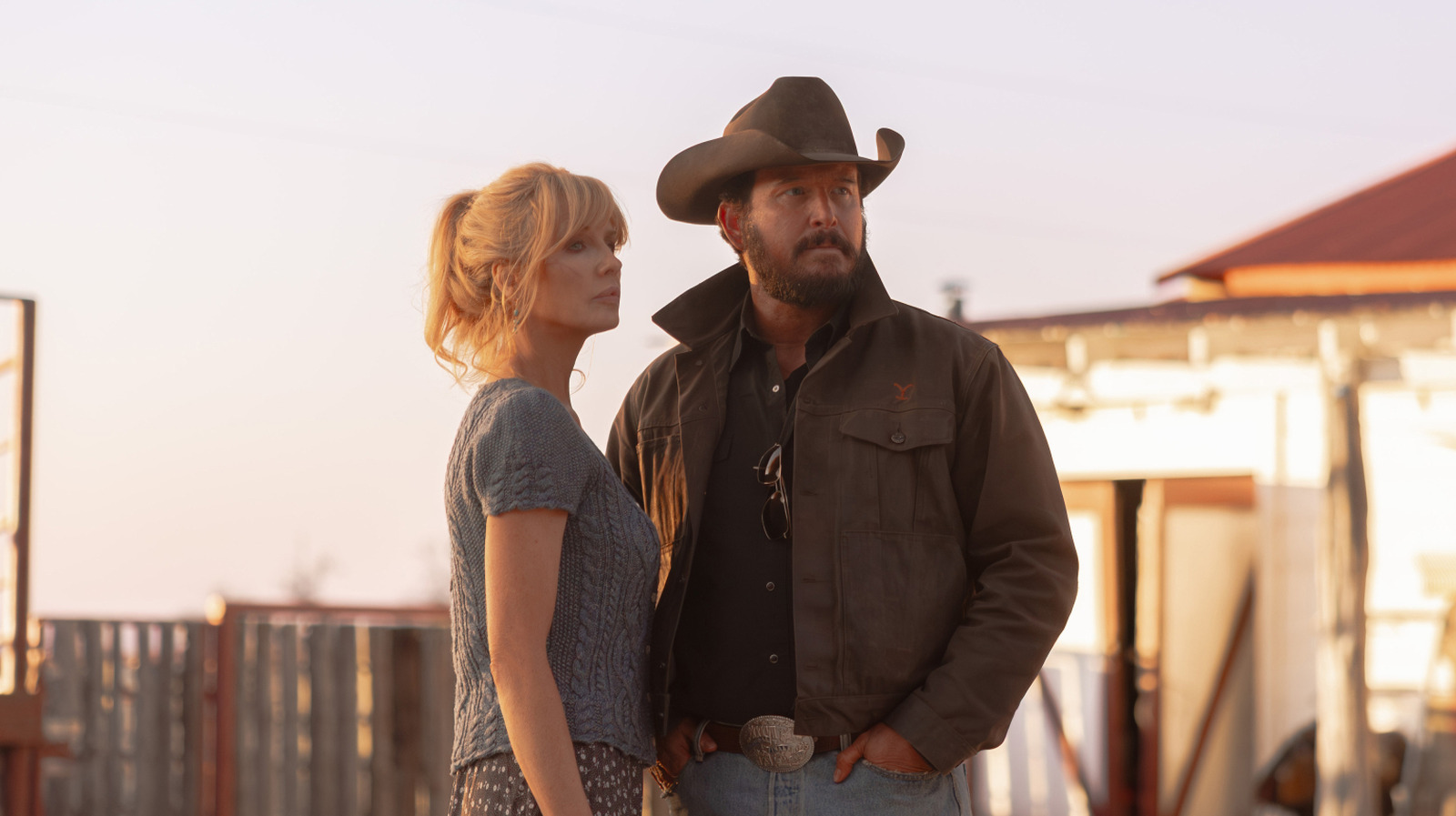
Dutton Ranch picks up directly from the established DNA of the original series. It follows Beth Dutton (Reilly) and Rip Wheeler (Hauser) as they navigate a new chapter of their lives, centered on their adopted son, Carter (Finn Little). The premiere episode wastes no time, plunging the characters into a high-octane survival scenario involving a devastating wildfire in Montana. This visceral opening serves as a thematic bridge, literally and metaphorically razing the old Yellowstone status quo to make room for a new, high-tension narrative.
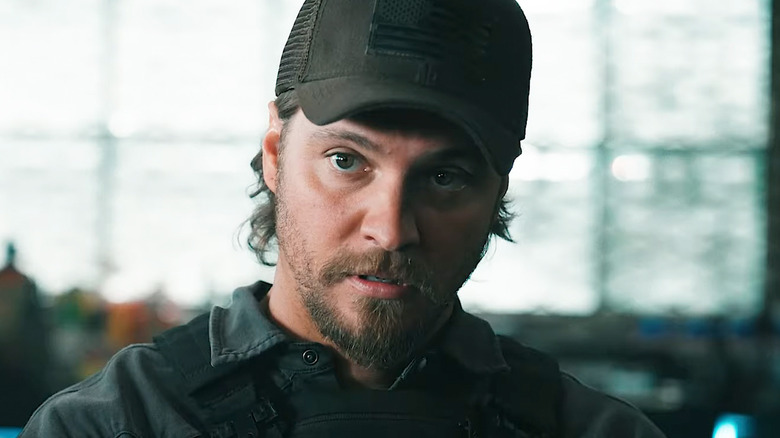
In stark contrast, Marshals—a procedural drama airing on CBS—has taken a more experimental, albeit disjointed, approach. Starring Luke Grimes as Kayce Dutton, the series attempts to pivot the franchise into a crime-of-the-week format. However, the transition has been rocky. From the controversial early death of a legacy character to a lack of narrative cohesion, the series has frequently been criticized for failing to define its own identity within the broader Yellowstone mythos.
A Chronology of Creative Missteps vs. Momentum
The divergence between the two shows became apparent almost immediately upon their respective premieres.
The Rocky Start of ‘Marshals’
The frustration among the Yellowstone fanbase began with the premiere of Marshals. The decision to kill off a legacy character in what many described as an unceremonious fashion set a sour tone. As the season progressed, the show struggled with pacing. By the third episode, critics noted that the series appeared to have no clear objective. Characters were introduced and discarded with alarming speed, and plot threads—such as the appearance of a “serial bomber” in the woods—were dropped as quickly as they were raised.
Perhaps the most egregious issue was the handling of the show’s primary antagonist. Michael Cudlitz was introduced in episode three as the formidable Randall Clegg, a rival to the Dutton family. Despite his potential, the show relegated him to the background, waiting until episode eight to bring him back, only to dispatch him with what viewers perceived as unsatisfying haste.
The Focused Vision of ‘Dutton Ranch’
Conversely, Dutton Ranch has demonstrated a disciplined approach to storytelling. By keeping the focus tight on the dynamic between Beth, Rip, and Carter, the show maintains an emotional anchor. The introduction of Annette Bening as Beulah Jackson, the owner of the 10 Petal Ranch, immediately establishes a credible, high-stakes threat. Unlike Marshals, which seems to chase multiple narrative avenues at once, Dutton Ranch prioritizes character stakes, ensuring that every development feels consequential.
Supporting Data: Narrative Focus and Character Development
A primary point of contention in comparing the two shows is how they handle the younger generation of the Dutton family.
In Marshals, the relationship between Kayce and his son, Tate (Brecken Merrill), is inconsistently explored. Despite the potential for a compelling father-son arc, Tate is frequently absent, even during pivotal scenes at the family cabin. This lack of screen time undermines the emotional weight of Kayce’s journey.
In contrast, Dutton Ranch places Carter at the center of the conflict. In just the first episode, the audience sees him struggling to adapt to his new environment in Texas. This conflict culminates in a moment of character growth when he intervenes in a domestic dispute, proving his development is a priority for the showrunners.
Furthermore, the dialogue in Dutton Ranch feels inherently more authentic to the “Sheridan voice.” The shorthand between Beth and Rip—sharply written, gritty, and filled with a specific brand of Western cynicism—is present in every scene. Lines such as Rip’s response to the wildfire (“Too f** close, honey”) echo the blend of melodrama and grit that defined the original Yellowstone. Marshals, overseen by former SEAL Team showrunner Spencer Hudnut, has been accused of failing to replicate this balance, resulting in a show that feels like a generic procedural wearing a Yellowstone skin.
Official Responses and Industry Context
While Paramount has publicly supported both projects, the metrics for success differ significantly. CBS renewed Marshals for a second season almost immediately following its debut, citing strong ratings. In the world of network television, consistent viewership often trumps critical acclaim. However, industry analysts are beginning to warn that these ratings may be buoyed by the Yellowstone name brand rather than the quality of the product itself.
On the production side, there has been a quiet acknowledgment of the creative challenges. A creative involved in the production of Marshals previously noted that the pilot felt “too good for network television,” a sentiment that, in hindsight, highlights the disconnect between the show’s lofty ambitions and its actual execution.
Meanwhile, the reception for Dutton Ranch has been largely positive. By leaning into the high-octane, emotionally charged atmosphere of the original series, it has managed to satisfy the core fanbase, a demographic that is notoriously protective of the Yellowstone legacy.
Implications for the Future of the Franchise
The disparity between these two shows creates a significant strategic dilemma for Paramount. If Marshals continues to prioritize procedural tropes over the character-driven drama that made Yellowstone a hit, it risks alienating the franchise’s most dedicated viewers.
Is the Procedural Format the Problem?
The success of Dutton Ranch suggests that the Yellowstone audience is not looking for a traditional procedural. They are looking for the sprawling, operatic, and morally ambiguous drama that Taylor Sheridan pioneered. The procedural format of Marshals may be fundamentally incompatible with the slow-burn, character-focused storytelling that defines the Dutton saga.
Course Correction or Creative Pivot?
With Marshals nearing the end of its first season, it is likely too late for a meaningful course correction for the debut cycle. However, the showrunners face immense pressure to pivot in season two. They must decide whether to continue down the path of a standard crime drama or to steer back toward the familial, high-stakes melodrama that the audience expects.
Dutton Ranch, meanwhile, is currently operating as the gold standard for how to expand a television universe. By maintaining the core cast and the tone of the original series, it has successfully transitioned from a spin-off to a flagship entity in its own right.
Final Analysis: The Legacy of the Dutton Name
The Yellowstone franchise is at a crossroads. The success of Dutton Ranch serves as a reminder that brand recognition can only carry a show so far. Eventually, the writing, the character development, and the thematic consistency must hold up under scrutiny.
As viewers continue to stream Dutton Ranch and debate the merits of Marshals, one thing is clear: the audience knows the difference between a genuine extension of the Dutton saga and a derivative attempt to mimic its success. For the future of the Yellowstone universe, the path forward is illuminated by the intense, gritty, and focused storytelling seen in the Duttons’ latest adventure—a lesson that the network executives behind the procedural experiments would do well to heed.











No comments yet. Be the first to join the conversation!