

For over three decades, the cinematic landscape of prehistoric creatures has been dominated by a singular, colossal shadow: the Jurassic Park franchise. Since Steven Spielberg first brought Michael Crichton’s vision to life in 1993, the mere mention of dinosaurs on the big screen has been inextricably linked to his brand of awe-inspiring wonder and genetic science gone wrong. However, the tides are turning. As Spielberg pivots toward extraterrestrial mysteries with his upcoming project, Disclosure Day, a new contender has emerged to challenge the status quo.
Directed by David Robert Mitchell—the visionary behind the modern horror classics It Follows and Under the Silver Lake—The End of Oak Street is poised to redefine the creature-feature genre. Shedding the heavy-handed pseudo-science and corporate-cloning tropes of the Jurassic World era, this upcoming summer blockbuster promises to return to the basics: a high-stakes, adrenaline-fueled survival story grounded in suburban terror.
Main Facts: A Shift in Prehistoric Narrative
The End of Oak Street is not merely a dinosaur movie; it is a genre-bending exercise in tension. Eschewing the "Cloverfield-style" marketing mystery that shrouded the project during its early development, Warner Bros. has finally pulled back the curtain, revealing a film that leans heavily into the "Amblin-inspired" aesthetic of the 1980s.
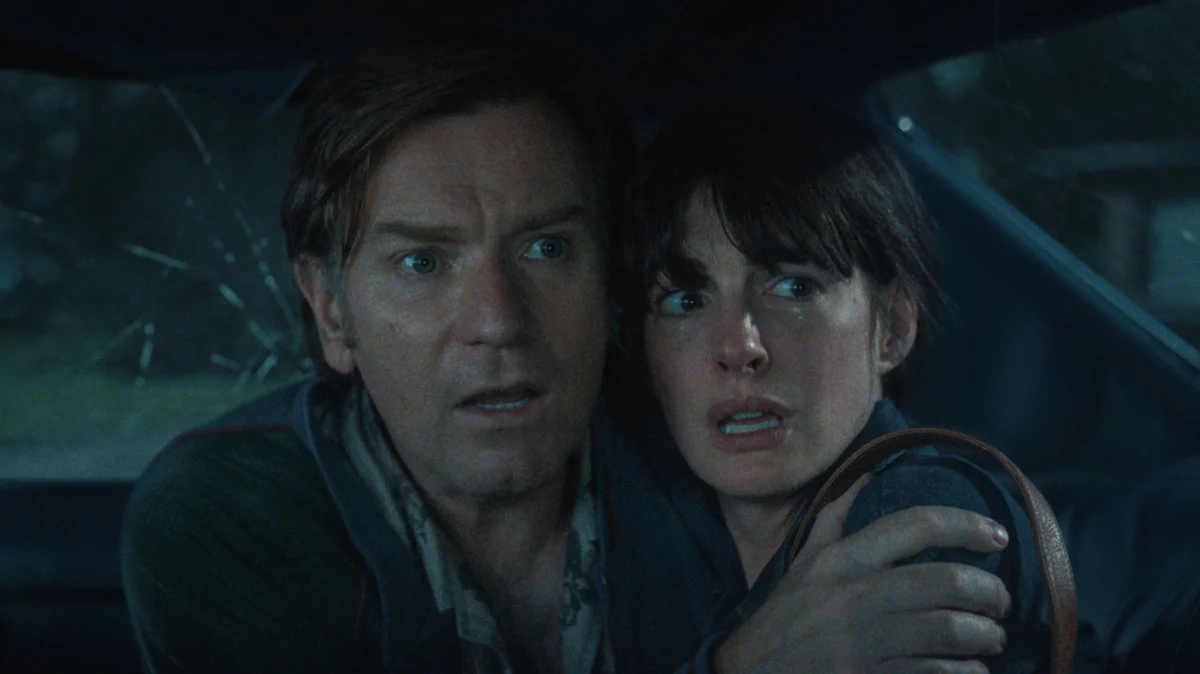
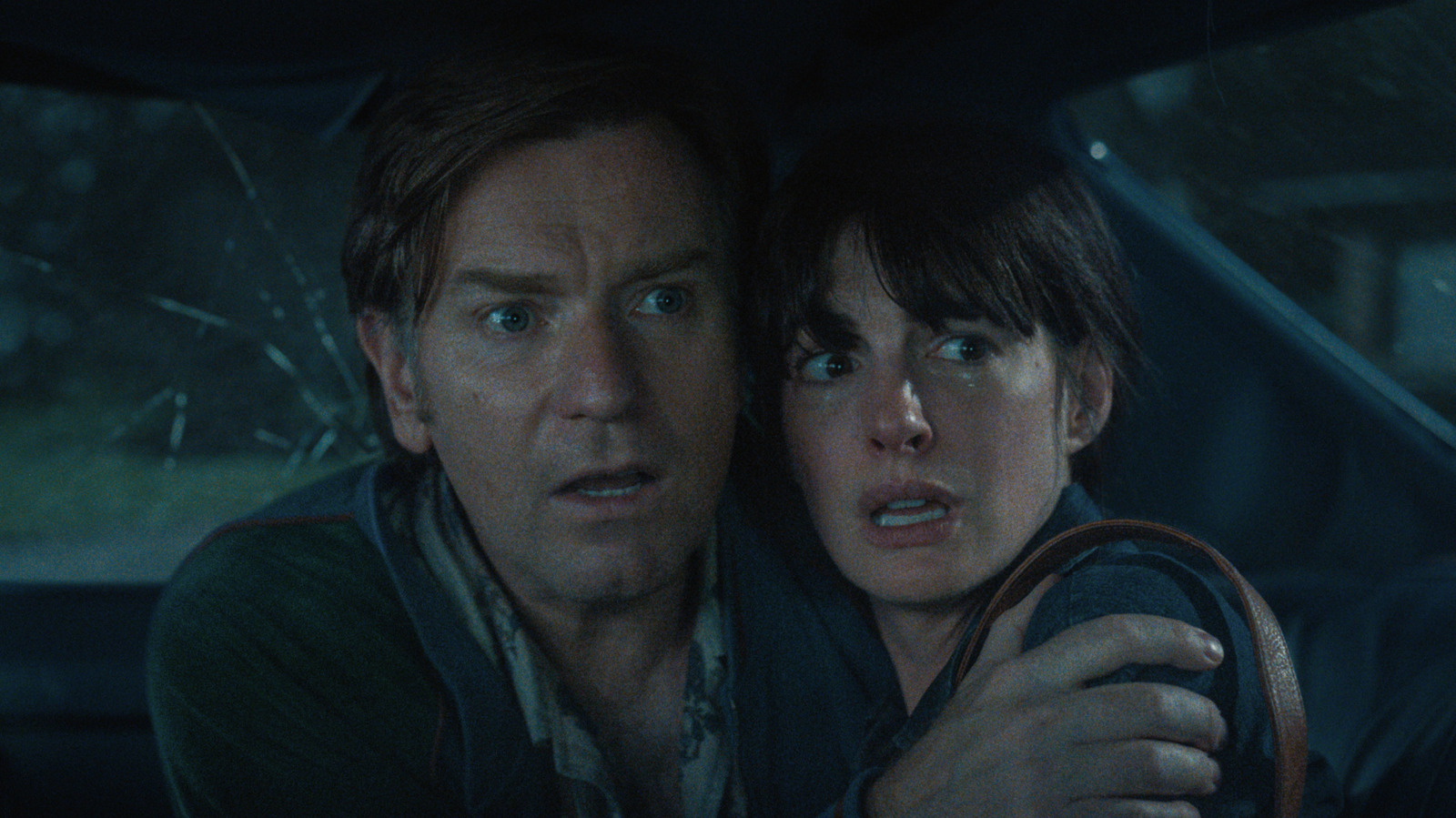
The film boasts an impressive pedigree. With David Robert Mitchell at the helm, the production has secured A-list talent in Ewan McGregor and Anne Hathaway, who star as the parents of the Platt family. The narrative is refreshingly straightforward, stripping away the complex genetic engineering plots of recent years in favor of an inexplicable, high-concept premise: a mysterious cosmic event tears an ordinary suburban street from its foundations and drops it into a prehistoric landscape.
The film is slated for a massive global rollout, hitting IMAX screens on August 14, 2026, with an international release commencing on August 12. This aggressive distribution strategy signals Warner Bros.’ confidence in the project as a major tentpole release.
Chronological Development and Production History
The road to The End of Oak Street has been characterized by careful, deliberate mystery. Initially leaked under working titles that led fans to speculate it might be a secret installment in the Cloverfield universe, the project was officially solidified when J.J. Abrams boarded the production. Abrams, known for his ability to blend character-driven narratives with blockbuster spectacle, has provided the project with the necessary infrastructure to scale up Mitchell’s auteur sensibilities into a major summer event.
The pre-production phase saw a significant focus on practical effects and cinematography. The production team, led by composer Michael Giacchino—whose score is expected to be a cornerstone of the film’s atmosphere—has emphasized a visual language that favors "split diopter" shots. This technique, a signature of suspense maestros like Brian De Palma, suggests a film that values depth of field and psychological tension over mindless CGI spectacle.
Following the lukewarm reception of the latest Jurassic World entry, Rebirth, the industry saw a clear opening for a dinosaur movie that could provide the "fun" factor missing from the franchise for years. The End of Oak Street was fast-tracked to capitalize on this appetite, with principal photography wrapping in late 2025 to allow for a comprehensive post-production period dedicated to integrating the prehistoric threats into the suburban setting.
Supporting Data: Why the "Jurassic" Formula Stalled
To understand why The End of Oak Street is generating such significant buzz, one must look at the recent history of the genre. Since 1993, the dinosaur film has largely been synonymous with the "theme park gone wrong" subgenre. This formula, while revolutionary initially, eventually became a victim of its own repetition.
Critics have pointed to films like 2023’s 65, starring Adam Driver, as a cautionary tale. Despite a premise that sounded promising on paper, the film failed to connect with audiences due to a lack of emotional stakes and a disconnect between the setting and the character development. The box office failure of 65 served as a stark reminder that dinosaurs alone are not enough to guarantee success; the audience needs to care about the individuals caught in the crosshairs.
In contrast, the data surrounding The End of Oak Street looks promising. Early test screenings and trailer analytics suggest that the film’s focus on a domestic unit—the Platt family—provides the necessary "grounding" that keeps the audience invested. By shifting the conflict from a remote island to a recognizable, relatable suburban neighborhood, the stakes feel inherently more immediate. When Anne Hathaway’s character takes up a rifle against a predator, it triggers a visceral, primal reaction that laboratory-grown dinosaur films have struggled to replicate in the modern era.
Official Responses and Creative Vision
The creative team behind the project has been vocal about their desire to break away from the "dinosaur blockbuster" mold. David Robert Mitchell, in various industry interviews, has expressed a desire to capture the "pure fun" of the 1990s blockbusters while maintaining the stylistic rigor of his independent film roots.
J.J. Abrams has emphasized the collaborative nature of the production, noting that the inclusion of Michael Giacchino’s score is intended to bridge the gap between traditional orchestral adventure music and modern, atmospheric thriller scoring. The studio, Warner Bros., has been equally enthusiastic. In a statement regarding the film’s IMAX release, a spokesperson noted: "This is a movie designed to be experienced on the largest screen possible. It is a spectacle that respects the audience’s intelligence, combining the dread of a monster movie with the heart of a survival drama."
Implications for the Industry
The success of The End of Oak Street could trigger a significant shift in how studios approach creature-feature investments. If the film performs as expected, it will likely prove that audiences are weary of "shared cinematic universes" and are hungry for standalone, director-driven spectacles.
Furthermore, the film serves as a litmus test for the viability of original IP in a market dominated by sequels and legacy franchises. By hiring a director known for psychological tension to helm a high-concept monster movie, the studio is taking a gamble that "auteur-blockbuster" hybridity is the future of summer cinema.
Conclusion: A Return to Form
As we look toward the summer of 2026, the arrival of The End of Oak Street feels like a breath of fresh air. It is not trying to reinvent the wheel, nor is it trying to resurrect a decades-old franchise; it is simply trying to tell a compelling story about a family in an impossible situation.
With its blend of high-caliber acting, a visionary director, and a premise that promises to deliver both terror and entertainment, the film is well-positioned to become the definitive dinosaur movie for a new generation. While we may never replace the nostalgia of the original Jurassic Park, The End of Oak Street offers something arguably more important: a reason to be excited about the genre again.
Whether it becomes a massive commercial hit or a cult classic, one thing is certain: the era of the "Jurassic" monopoly is officially over, and the era of the suburban monster-thriller has arrived. Fans should prepare for an August 2026 that is set to be just as prehistoric—and just as thrilling—as the world depicted on the screen.









No comments yet. Be the first to join the conversation!