The landscape of mutantkind in the second season of Marvel Studios’ X-Men ’97 is one defined by absence. With the core X-Men team splintered across the vast reaches of time following the catastrophic implosion of Magneto’s Asteroid M, the world they left behind is a powder keg of anti-mutant sentiment and systemic oppression. Into this power vacuum steps a new, controversial authority: X-Factor.
As revealed in the high-stakes second episode of the season, "A Force to Be Reckoned With," the government-sanctioned team has emerged not as saviors, but as the iron fist of a fearful establishment. Operating under the oversight of Valerie Cooper—a character whose disillusionment with human-mutant coexistence reached a breaking point last season—X-Factor represents a chilling evolution in the fight for mutant rights.
The Core Facts: Who is X-Factor?
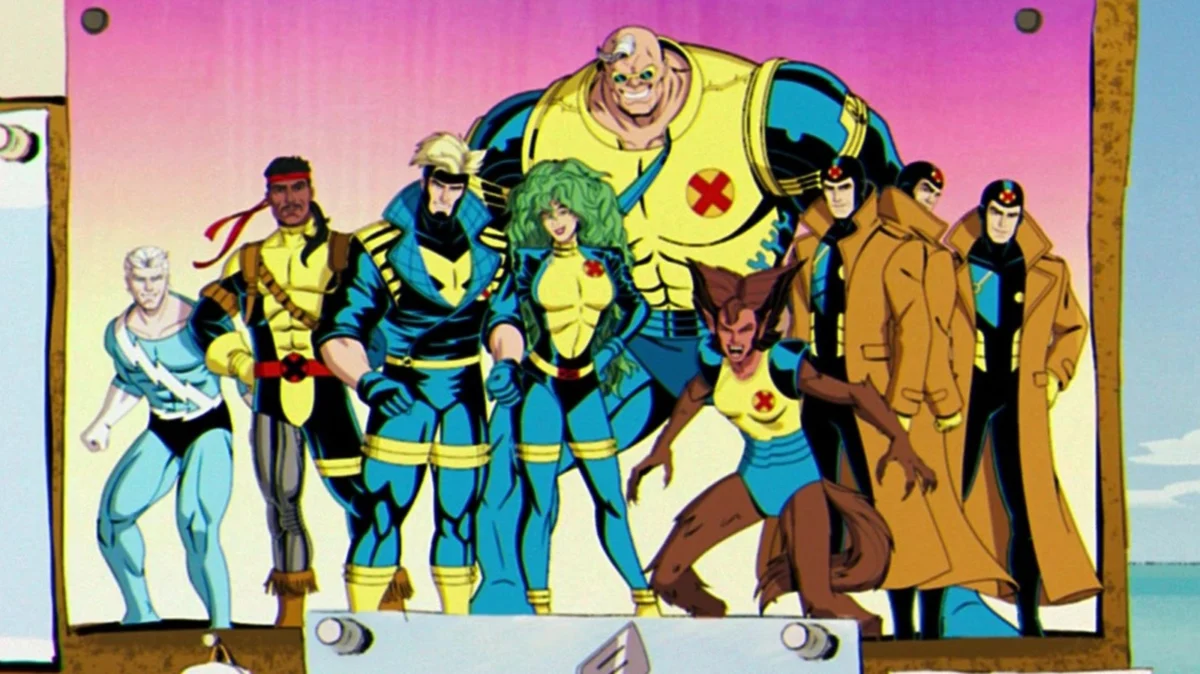
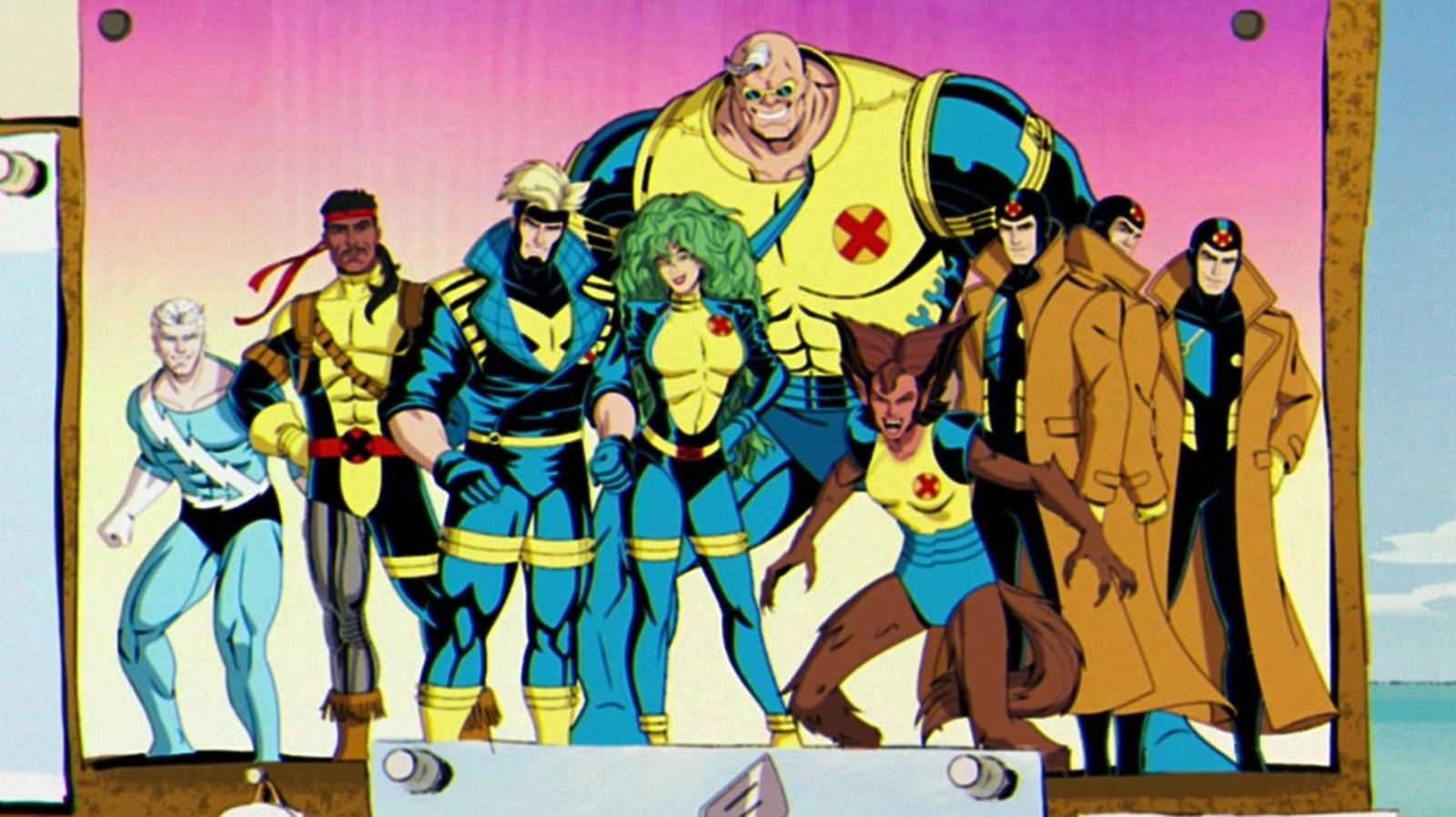
In the context of the series, X-Factor is a government-operated mutant team tasked with "protecting" society by rounding up rogue mutants. While they utilize the iconic blue-and-yellow aesthetic associated with Professor Charles Xavier’s dream, their methods are diametrically opposed to the X-Men’s philosophy of autonomy and liberation.
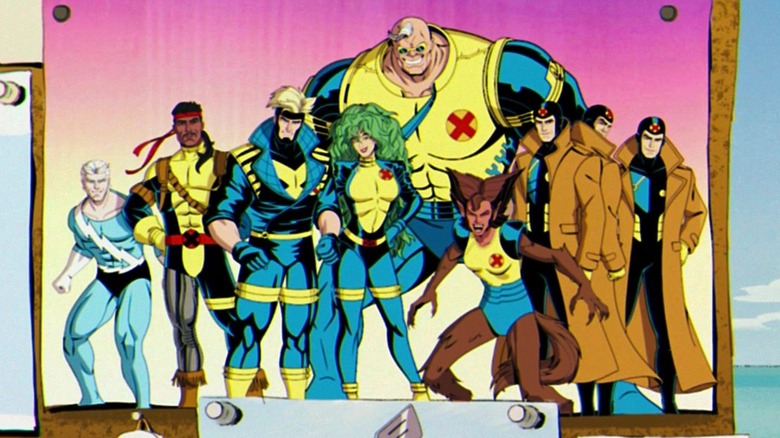
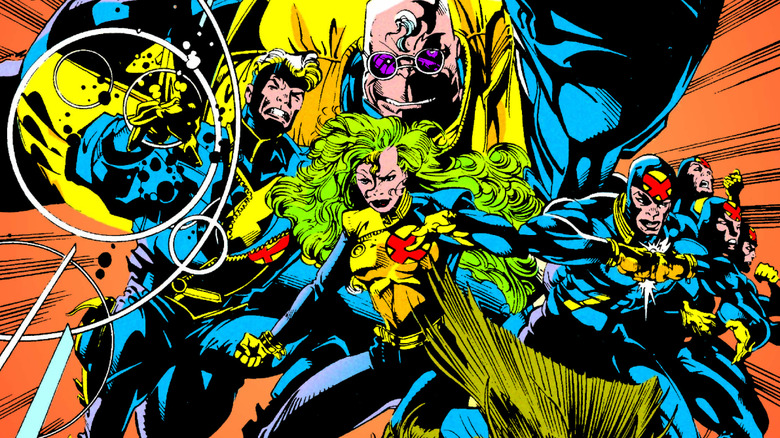
The lineup featured in X-Men ’97 serves as a grim reflection of the original 1990s comic book iteration. Led by the tactical prowess of the government and operating with state-sanctioned authority, the team members—including figures like Havok, Polaris, and Strong Guy—are presented as the "good guys" by their own admission. However, the reality of their operations, which involve the forcible detainment of young mutants, paints a much darker picture of state-sponsored containment.
A Historical Chronology: From Comics to the Screen
To understand the weight of X-Factor’s inclusion in the animated series, one must look at the rich, often convoluted history of the team in Marvel Comics.
The 1986 Origins
The X-Factor title was launched in 1986 by Marvel Comics with a provocative premise. It served as a vehicle to reunite the original five X-Men (Cyclops, Jean Grey, Iceman, Beast, and Angel). At the time, the main X-Men title featured a team led by Magneto, forcing the original five to operate in the shadows. They branded themselves as a team of non-mutant humans who specialized in capturing mutants—a ruse that created deep internal conflict.
This era is perhaps best remembered for the introduction of Apocalypse, who would go on to become the quintessential antagonist for the X-Men. The transformation of Angel into the Horseman of Death remains one of the most iconic arcs in comic book history, a narrative thread that the 1990s X-Men: The Animated Series masterfully adapted.
The Peter David Era
In the early 1990s, following the conclusion of the seminal "Muir Island Saga," the X-Factor book was reinvented by writer Peter David. This iteration moved away from the original five and focused on a government-sponsored team featuring Havok, Polaris, Multiple Man, and Strong Guy. It is this specific era that X-Men ’97 draws from most heavily.
The animated series first teased this group in the episode "Cold Comfort," featuring the inventor Forge. While Forge has since taken on a more central role—highlighted by his burgeoning romance with Storm—his departure from the team left a void that the current lineup has filled with a more militaristic edge.
Supporting Data: The Anatomy of a Police State
The ideological divide between the X-Men and X-Factor is not merely a clash of personalities; it is a fundamental disagreement on the definition of safety.
The Illusion of Protection
Valerie Cooper, formerly a voice of reason within the UN-sanctioned Office of Genetic Research and Human Affairs, has shifted toward a stance of containment. By framing the detention of mutant youth as a safety measure, X-Factor effectively acts as a domestic security force. Their claim to being the "good guys" relies on the rhetoric of peace and stability—a direct contrast to the chaotic, revolutionary spirit of the missing X-Men.
The "Cold Comfort" of Containment
The imagery presented in "A Force to Be Reckoned With" is deliberately evocative. The detention facility housing young mutants, complete with power-dampening collars, mirrors real-world concerns regarding the treatment of marginalized groups in detention centers. By stripping these individuals of their agency and their unique abilities, X-Factor reinforces the status quo, ensuring that mutant power remains subservient to human law.
Official Perspectives and Behind-the-Scenes Context
The creative team behind X-Men ’97 has made it clear that the show’s political commentary is intentional. By placing the characters in a world without their primary moral compass (the X-Men), the writers force the audience to confront the dangers of institutional power.
While characters like Havok seem to genuinely believe in the mission, others—specifically Polaris—show cracks in the veneer. Her interactions with the underground team X-Force, led by Cable and Jubilee, serve as the narrative catalyst for the season. The show utilizes these characters to ask a poignant question: What happens to a minority group when the only people defending them are the same ones authorized to cage them?
The Implications: A Turning Point for Polaris
The arc for Polaris is arguably the most critical component of the early season. As a character defined by her powerful lineage and her struggle to carve out an identity separate from her father, Magneto, her role within X-Factor is unsustainable.
The Looming Defection
The narrative trajectory is clear: Polaris is poised to break away from the state. Footage released during the promotional cycle confirms her return to the X-Mansion, sans her government-issued uniform. This transition suggests a shift from an enforcer of the state to a guardian of her own kind.
Her decision to sabotage the cell holding Jubilee is not merely a tactical error; it is an ideological betrayal of everything Valerie Cooper and X-Factor stand for. It signals the beginning of a potential resistance movement. If the X-Men are to return to a world that has turned against them, they will need internal allies, and Polaris is uniquely positioned to bridge that gap.
The Legacy of the X-Men
Ultimately, X-Factor serves as a foil to the X-Men’s legacy. Where the X-Men fight for coexistence based on mutual respect and the preservation of mutant rights, X-Factor fights for survival based on compliance and assimilation. The tension between these two philosophies is the engine driving the narrative of X-Men ’97 Season 2.
As the series progresses, the conflict between X-Factor’s rigid structure and the X-Men’s fluid, moral-centered approach will likely culminate in a reckoning. Will the mutants currently under X-Factor’s "care" choose the safety of the cage, or the dangerous, messy freedom promised by the X-Men?
The answers to these questions will define not just the fate of the individual characters, but the future of mutant-human relations in the X-Men ’97 universe. With new episodes streaming every Wednesday on Disney+, the stakes have never been higher for the children of the atom.