Rifan Muazin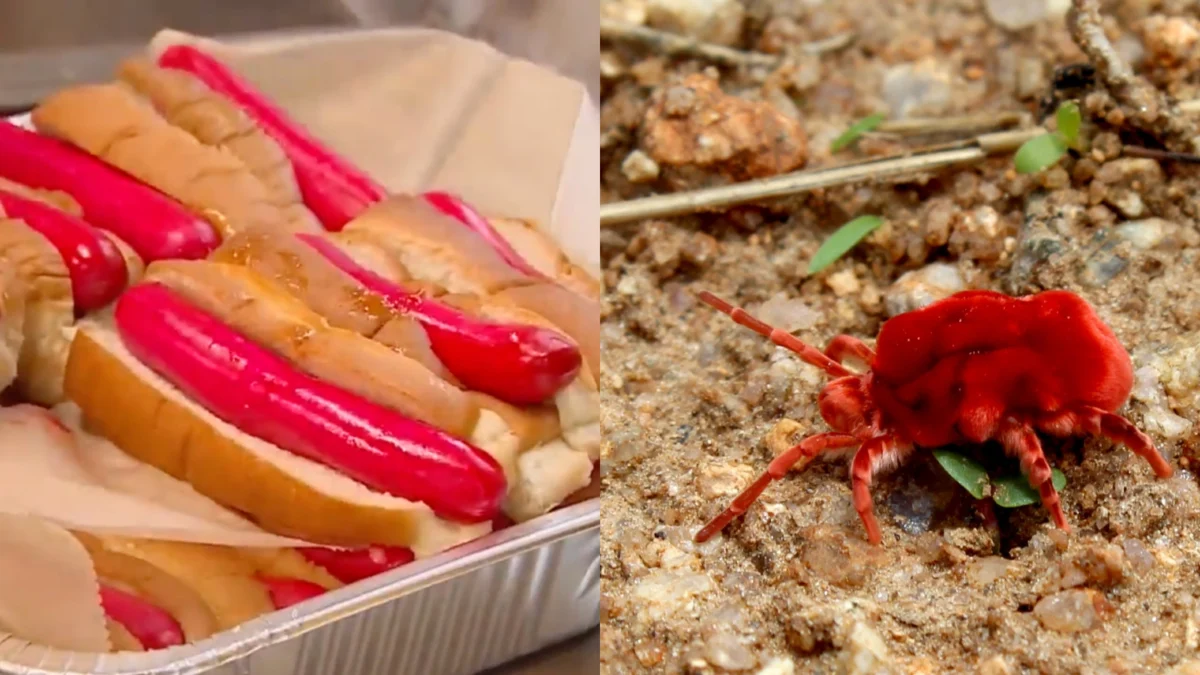
For over a century, the culinary landscape of Maine has been defined by a singular, vibrant staple: the “Red Snapper.” Known for its neon-crimson hue and the audible, satisfying “snap” that occurs when bitten, this frankfurter is more than a simple lunch item—it is a cultural touchstone of New England heritage. However, the iconic hot dog is currently undergoing its most significant transformation in generations.
W.A. Bean & Sons, the venerable Bangor-based institution behind the legendary frank, has officially announced a transition in its manufacturing process. In response to shifting federal regulations regarding synthetic food dyes, the company is retiring the use of Red Dye 3, replacing it with carmine extract—a natural coloring derived from pulverized cochineal insects. While the ingredient list is changing, the company maintains that the heart and soul of the Maine Red Snapper remain untouched.
The Main Facts: A Regulatory Catalyst
The catalyst for this change is not a whim of the manufacturer, but a directive from the U.S. Food and Drug Administration (FDA). In a move that has sent ripples through the American processed food industry, the FDA has mandated that food and beverage manufacturers must discontinue the use of Red Dye 3—a synthetic coloring agent linked to various health concerns—by January 15, 2027.
Red Dye 3 (Erythrosine) has been a point of contention among food safety advocates for years. While the dye has been banned from cosmetics and externally applied drugs since 1990 due to studies suggesting a link to thyroid tumors in lab rats, it has persisted in the food supply for decades. As the deadline for the federal phase-out approaches, companies like W.A. Bean & Sons have been forced to innovate or risk obsolescence. For W.A. Bean, the choice was clear: preserve the product’s identity by finding a sustainable, natural alternative that satisfies both regulatory bodies and the loyal consumer base.
Chronology: Six Generations of Tradition
To understand the gravity of this change, one must understand the history of W.A. Bean. Founded in 1863, the company has operated for over 160 years, remaining a family-owned pillar of the Bangor community.
- 1863: W.A. Bean is established, beginning a long legacy of meat processing in Maine.
- The 20th Century: The “Red Snapper” becomes a ubiquitous presence at Maine summer cookouts, roadside stands, and local grocery stores. Its signature color and casing-driven “snap” become the standard by which all other Maine hot dogs are measured.
- The Regulatory Shift: Over the last decade, public scrutiny of artificial additives intensified, leading to the eventual FDA crackdown on Red Dye 3.
- September 2026: In anticipation of the January 2027 federal deadline, W.A. Bean announces its transition to carmine extract.
- Present Day: The company begins the rollout of the reformulated frankfurters, ensuring that the transition is seamless for the thousands of Mainers who consume the product annually.
Supporting Data: The Science of Carmine
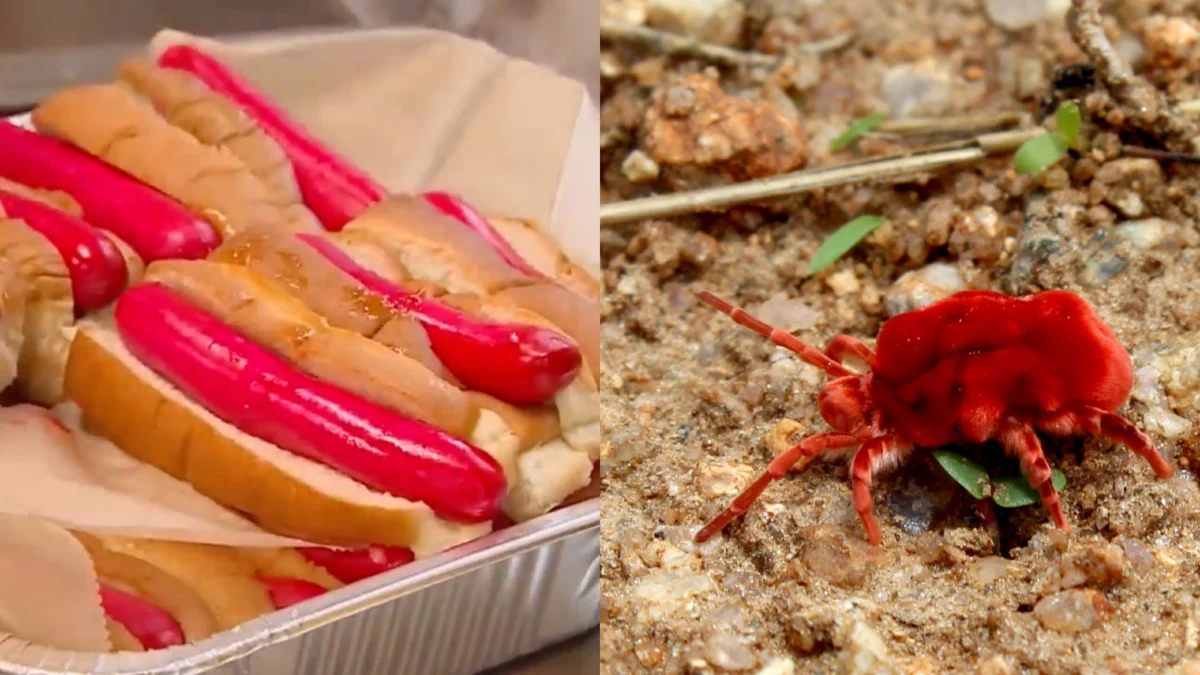
The replacement ingredient, carmine, is a storied coloring agent with a history that predates modern synthetic chemistry. Derived from the cochineal insect (Dactylopius coccus), which thrives on prickly pear cacti, the pigment is harvested by drying and pulverizing the insects.
While the idea of consuming insect-derived ingredients may sound startling to the uninitiated, carmine is an industry standard for "natural" red coloring. It is widely used in a variety of high-profile consumer goods, including:
- Confectionery: Used in many red candies and lollipops to achieve a deep, consistent color.
- Dairy: Frequently found in strawberry-flavored yogurts and smoothies.
- Preserves: Used to enhance the visual appeal of jams and jellies.
From a biochemical standpoint, carmine is highly stable, heat-resistant, and provides a vivid red hue that closely mimics the aesthetic of the original Red Dye 3. According to food scientists, the transition to carmine does not alter the protein structure of the meat or the integrity of the natural sheep casing that gives the Red Snapper its famous texture.
Official Responses and Corporate Philosophy
The transition has been handled with a delicate balance of transparency and brand protection. In a recent press release, the leadership at W.A. Bean & Sons framed the decision as a bridge between the past and the future.
“By making the switch to a natural red color, we’re continuing to evolve our products while staying true to the tradition, quality, and integrity that have defined our family business for more than six generations,” the company stated. They underscored the emotional connection residents have with the product, adding, “The Maine Red Snapper is more than a hot dog—it’s a piece of Maine’s food heritage.”
Sean Smith, the Director of Sales at W.A. Bean, has been instrumental in reassuring the public. In interviews with local media outlets, including Boston.com, Smith addressed the primary concerns of the consumer: flavor and cost. Smith confirmed that there is absolutely no difference in the "snap"—the tactile experience of biting through the casing—nor in the savory, spiced flavor profile that enthusiasts expect.
Perhaps most importantly for the consumer, the company has committed to absorbing the cost of the transition. Although carmine extract is significantly more expensive to source than synthetic Red Dye 3, W.A. Bean has no current plans to pass these additional costs onto the consumer, citing a desire to maintain the affordability and accessibility of their heritage product.
Implications: The Future of Processed Meats
The decision by W.A. Bean is emblematic of a broader trend in the American food industry. As consumers become increasingly label-conscious, the "clean label" movement is pushing manufacturers to strip away artificial ingredients in favor of natural, albeit sometimes unconventional, alternatives.
The Consumer Reaction
While the news of "crushed insects" might be fodder for social media jokes, the reality is that the move is a pragmatic business decision. For a brand as storied as W.A. Bean, the loss of the "Red" in "Red Snapper" would have been a catastrophic blow to their brand equity. By adopting carmine, they have successfully navigated a difficult regulatory landscape while maintaining the visual identity of their product.
Industry-Wide Impact
W.A. Bean is not alone. The FDA’s impending ban on Red Dye 3 has forced thousands of companies to re-examine their supply chains. The success of this transition will likely be studied by other small-to-medium-sized manufacturers who are struggling to find natural alternatives that don’t compromise the shelf-life or stability of their products. If a legacy brand like W.A. Bean can successfully swap a 100-year-old ingredient without alienating its customer base, it sets a roadmap for the rest of the industry.
Ethical and Dietary Considerations
It is worth noting that while carmine is considered a "natural" ingredient by the FDA, it is not vegan or vegetarian. For the segment of the population that adheres to strict plant-based diets, the switch to carmine may render the Red Snapper off-limits. However, as the product is a meat-based frankfurter, the impact on the company’s core demographic remains minimal. The company has been transparent about the ingredient change, ensuring that packaging will reflect the updated components for those with specific dietary restrictions or concerns.
Conclusion
The story of the Maine Red Snapper is a testament to the resilience of local food culture. In an era of mass-produced, globalized food, the effort to preserve a regional specialty through a complex regulatory transition is notable. By choosing to pivot to carmine rather than abandoning the aesthetic that made the hot dog famous, W.A. Bean & Sons has demonstrated a commitment to its heritage.
As of early 2026, the transition is well underway. While the world of food science continues to evolve, the "snap" of a Maine Red Snapper remains a constant. Whether it is enjoyed at a backyard barbecue in Portland or a seaside stand in Bar Harbor, the frankfurter stands as a symbol of Maine’s ability to adapt to the future without losing its flavor. As the January 2027 deadline approaches, the rest of the industry would do well to look at the Bangor-based company as a case study in how to honor tradition while embracing the necessary evolution of the modern food landscape.

 Iffa Jayyana
 Suro Senen