Asep Darmawan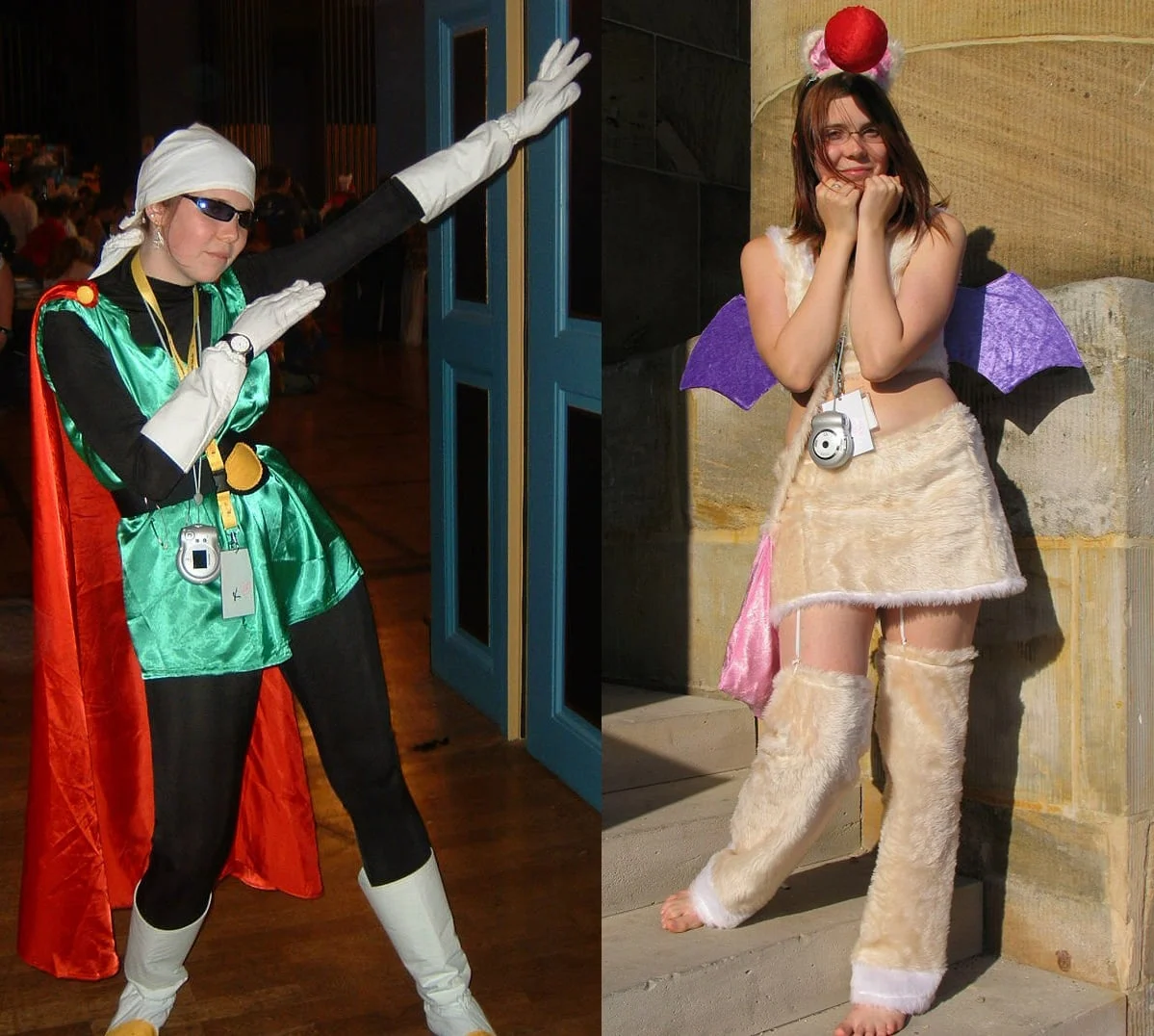
In the early 2000s, the world of cosplay was defined by resourcefulness. It was a subculture of paper-mâché, expanding foam, and bargain-bin fabrics held together by sheer willpower and safety pins. Fast forward two decades, and the landscape has transformed into a high-tech arena of 3D printing, laser cutting, and professional-grade materials. As professional crafters and long-time community fixtures, we are frequently asked a pressing, existential question by our followers: Is cosplay still an accessible hobby for the newcomer, or has the barrier to entry become insurmountable?
The Evolution of the Craft: A Twenty-Year Retrospective
To understand the current state of the hobby, one must look at how the tools of the trade have evolved. My own journey began in 2003, armed with little more than a rusty sewing machine inherited from my grandmother and a limited budget. My early materials were rudimentary—cheap, shiny satin and basic foam. Over time, the industry matured alongside the artists. We transitioned through thermoplastic materials like Wonderflex and Worbla before settling into the current industry standard: EVA foam.

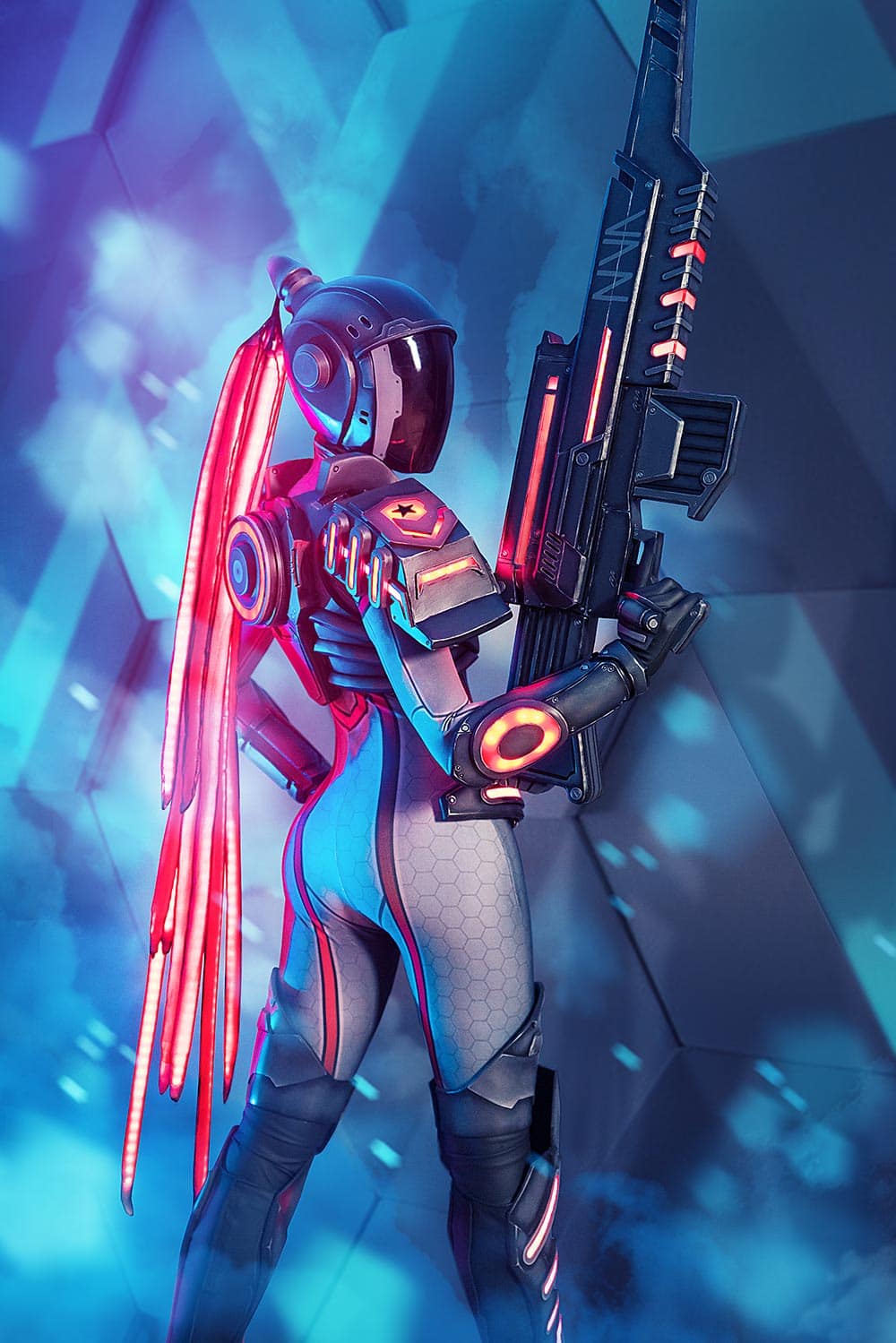
However, the most significant shift in recent years has been the democratization of industrial manufacturing processes. My husband, Benni, and I now operate in a workshop equipped with two FDM 3D printers and a high-resolution resin printer, alongside a massive laser cutter. These tools have fundamentally changed our output. Projects that once took months of manual labor can now be expedited through digital modeling in Blender and precision fabrication. For instance, the Yelan costume from Genshin Impact—a project requiring intricate detailing and structural integrity—was completed in six weeks, a timeline made possible only through heavy reliance on 3D printing and laser-cut precision.
Chronology of Innovation: From Hand-Cutting to Automated Precision
The shift toward automation is not merely a preference; it is a response to the increasing demand for high-quality, professional-level work. In our early years, cutting out 1,000 individual foam scales by hand was considered a "rite of passage." Today, it is an inefficiency that professional artists look to mitigate.

- 2003–2008: The Analog Era. The foundation of the craft was built on manual labor. Tools were limited to utility knives, heat guns, and basic sewing machines. Innovation was driven by "MacGyver-ing" household items into armor and props.
- 2009–2015: The Thermoplastic Revolution. Materials like Worbla changed the structural capabilities of cosplay, allowing for complex, organic armor shapes that were previously difficult to achieve with simple foam.
- 2016–Present: The Digital Fabrication Age. With the rise of affordable 3D printing and laser cutting, the focus has shifted toward CAD (Computer-Aided Design). Projects like the Blackcliff Slasher sword or Aloy’s Sharpshot Bow now rely on technical precision that mirrors real-world engineering.
While these machines provide a massive advantage in speed and consistency, they also introduce a new "technological tax." The time required to learn 3D sculpting, calibrate printers, and maintain laser cutters is substantial. A machine does not magically produce a costume; it requires a highly skilled operator.
Supporting Data: The Cost of Creation and the Perception of Exclusivity
The frustration voiced by some in the community is grounded in reality: cosplay is expensive. While the base materials might seem affordable, the "hidden costs" add up. Premium fabrics can easily exceed $100 per yard, and large-scale armor projects require significant quantities of high-density EVA foam and expensive LED lighting systems.
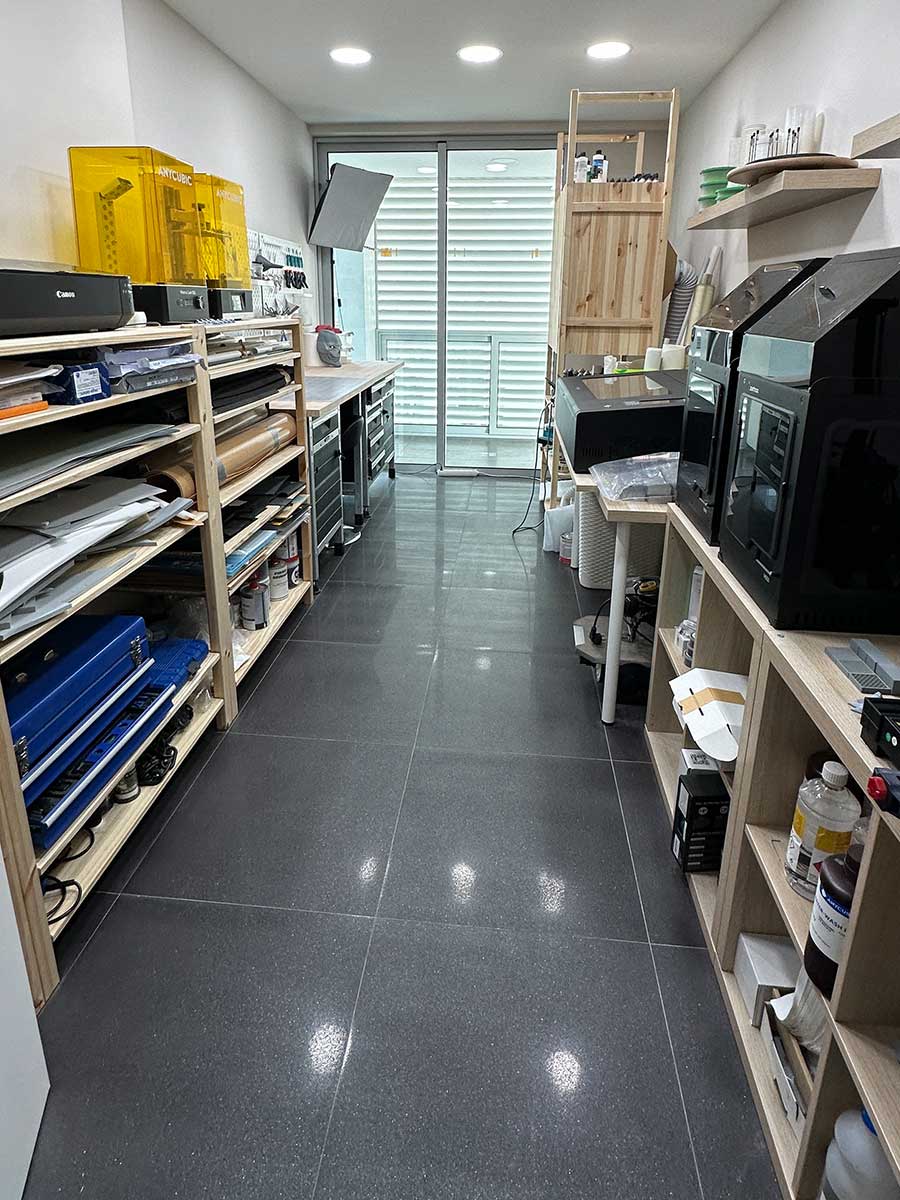
When social media platforms highlight only the most polished, high-tech builds, it creates a "survivorship bias." Newcomers often look at the Instagram feeds of professional cosplayers—complete with professional photo studios and expensive hardware—and conclude that they cannot compete. This leads to the misconception that without a $2,000 investment in machinery, one should not bother starting.
However, data from global competition circles suggests otherwise. I recently served as a judge at the AniMotto Cosplay Competition in Cuba, where the average monthly income is roughly $150. Despite these extreme financial constraints, the level of craftsmanship was world-class. Competitors were producing intricate armor sets, such as the Nergigante from Monster Hunter World, using limited, locally sourced materials. This serves as a stark reminder that creativity is the primary currency of cosplay, not the brand of one’s printer.
Official Perspectives: The Professional View on Accessibility
As professional artists, Benni and I believe that accessibility is actually at an all-time high, even if the "ceiling" for elite-level work has risen. The market for ready-to-wear costumes has exploded. Companies like DokiDoki provide high-quality base garments that allow beginners to enter the hobby at a reasonable price point.
We advocate for a "hybrid approach":
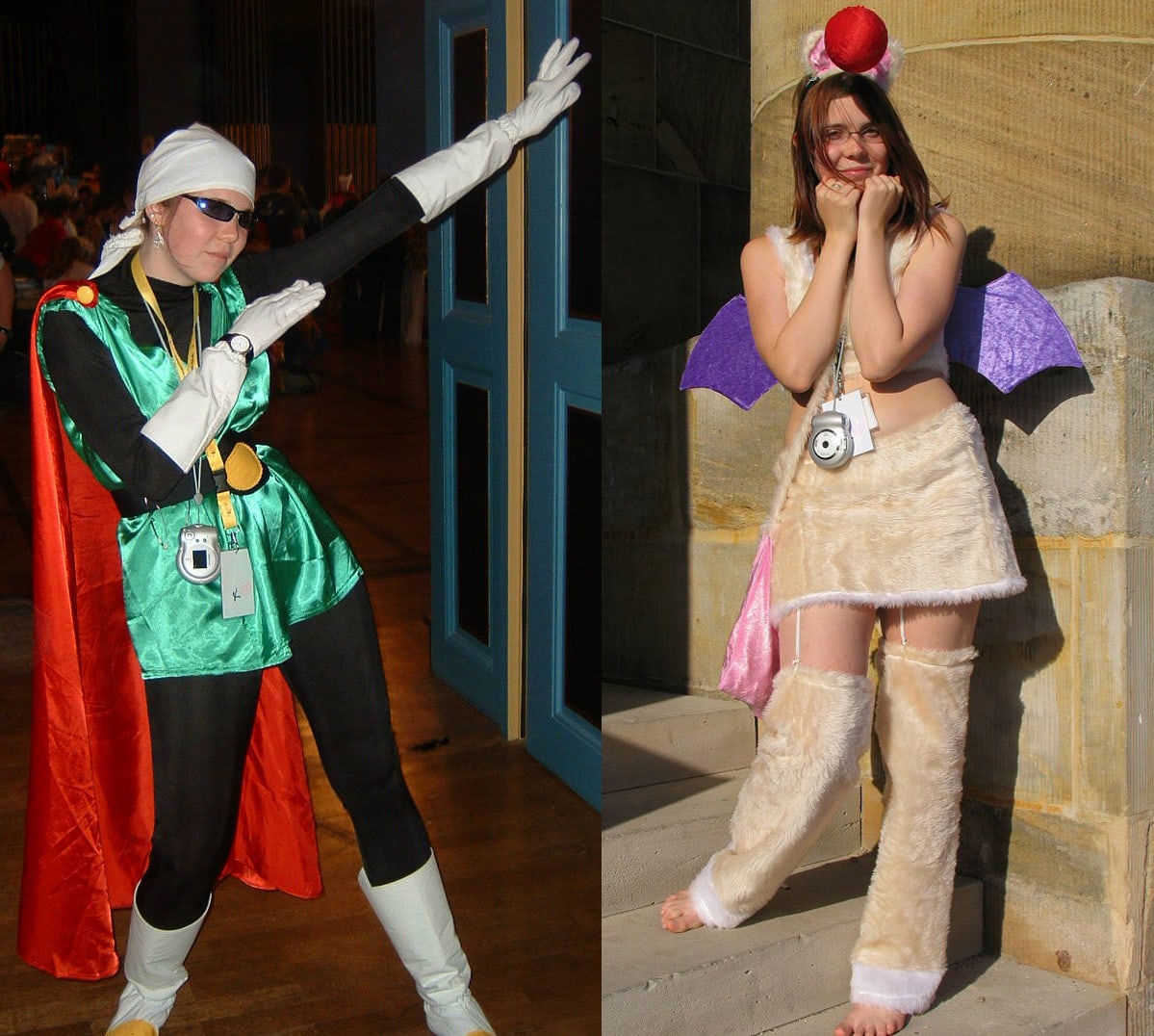
- Start Small: Buy a base costume or use thrifted clothing to create "casual" versions of characters.
- Learn the Fundamentals: Before investing in a 3D printer, master the art of working with EVA foam and fabric.
- Strategic Upgrading: If you choose to invest in technology, start with affordable entry-level 3D printers, which can now be purchased for the price of a mid-range sewing machine (~$200).
- Community Resources: Use free, open-source software like Blender to learn 3D sculpting. The knowledge is free; only the time is required.
Implications: The Future of the Hobby
The fear that "cosplay is dead for the average person" is a misunderstanding of what the hobby represents. The goal of cosplay is not to replicate a studio-grade production—it is to express love for a character and find community.
If we look at the work of creators like @spartan_workshop, who builds incredibly complex props entirely by hand, it is clear that manual skill remains just as valid and impressive as digitally fabricated work. The laser cutter might make a project faster, but it does not make it "better" in terms of heart or soul.
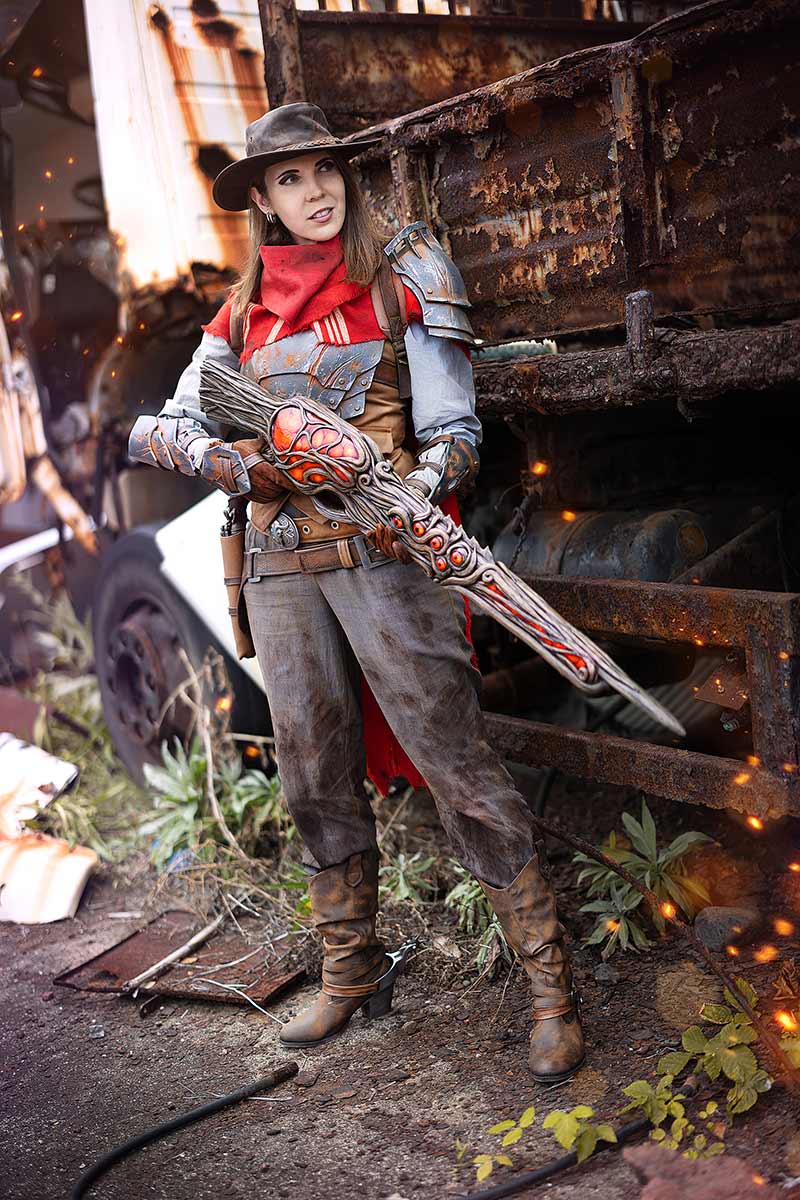
The implication for the future is a bifurcation of the hobby. On one hand, we have "Pro-Cosplay," which will continue to move toward industrial manufacturing standards, using 3D scanning and CNC machining. On the other hand, the core of the community remains firmly rooted in the grassroots, DIY spirit. Both can coexist.
Final Thoughts: Crafting is a Journey, Not a Race
It is important to remember that every professional cosplayer was once a beginner with a hot glue gun and a dream. I did not start with a 3D printer; I started with a broken sewing machine and a lot of frustration. It took two decades of saving, learning, and failing to reach my current level of capability.
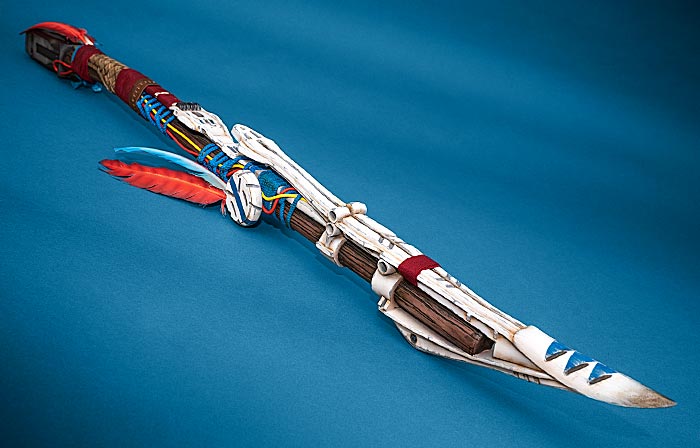
If you are feeling discouraged, remember that you are likely comparing your "Day 1" to someone else’s "Year 15." Do not let the intimidating array of tools in professional workshops deter you. The essence of this hobby is not the equipment you own, but the persistence you demonstrate. Whether you are using a $2,000 laser cutter or a $2 utility knife from a hardware store, the outcome is the same: the joy of bringing a fictional character to life.
Cosplay is more accessible today than it has ever been. There are more tutorials, more materials, and more community support than in 2003. All that is required to start is the courage to begin, regardless of the tools at your disposal.

 Siti Muinah
 Azzam Bilal Chamdy