

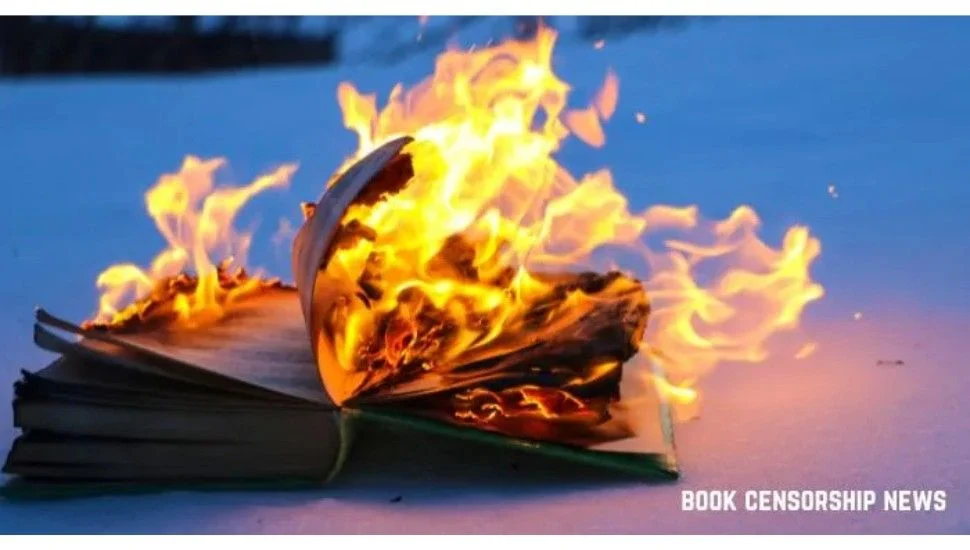
Since 2021, the American public library—long considered a sanctuary for intellectual freedom and a cornerstone of democratic engagement—has become the primary front line in a coordinated, multifaceted culture war. As we analyze the state of Pride Month in 2026, it is clear that the landscape has shifted from spontaneous, disorganized complaints to a systematic, policy-driven effort to scrub LGBTQ+ representation from the public square.
Through the lens of "stochastic terrorism" and the weaponization of school board and library board politics, far-right actors are successfully creating a culture of fear. This atmosphere of intimidation has led to the preemptive removal of Pride displays, the quiet cancellation of community programming, and, in some cases, the institutional "beiging" of libraries to appease ideological extremists.
The Mechanics of Erasure: A New Phase of Censorship
The nature of these attacks has evolved. While the "Hide the Pride" campaigns of 2024—spearheaded by national organizations like CatholicVote—have largely dissipated, they have been replaced by decentralized, localized efforts. The goal is no longer just to stop a specific display; it is to implement "neutrality" policies that effectively act as a ban on diverse representation.
Theft and Defacement: The Frontline Reality
Library workers across the United States continue to report the systematic theft of LGBTQ+ literature. In North Carolina, library staff described a recurring pattern where individuals checkout entire Pride displays—including juvenile and adult titles—only to never return them. This is not merely a protest; it is the destruction of public property.
In Moscow, Idaho, a more insidious form of censorship appeared: anonymous patrons surreptitiously inserted fliers into books like All Boys Aren’t Blue, designed to mimic official library branding to warn of "sexually explicit content." These tactics demonstrate a sophisticated effort to blur the lines between community standards and extremist propaganda.
The Myth of "Neutrality" as a Political Tool
The most potent weapon currently employed against libraries is the demand for "neutrality." Far-right board members often cite neutrality as a justification for banning displays that acknowledge Pride, Juneteenth, or other heritage months. However, as critics of these policies point out, libraries are inherently pro-community and pro-representation. By attempting to strip these institutions of their social fabric, proponents of "neutrality" are not creating a neutral space; they are creating an exclusionary one that favors the dominant cultural narrative while erasing the existence of marginalized groups.
Chronology of 2026: A Summer of Institutional Pressure
The 2026 Pride season saw a high volume of interventions by local government officials, shifting the burden of censorship from community members to the state.
- June 2026 (Monroeville, PA): Councilman Bill Krut successfully campaigned to remove a children’s Pride display, labeling it "grooming." Reports suggest that the collusion among city officials to bypass library policy may have breached legal standards.
- June 2026 (Durham, NC): County officials issued a directive to remove all Pride displays. Following a massive public outcry, the order was rescinded within 24 hours, illustrating the power of organized community resistance.
- June 2026 (Fresno, CA): The county government, having already banned Pride displays and events, moved to discuss the privatization of the library system. This follows a growing trend where political leaders threaten privatization as a means to gain administrative control over library collections.
- June 2026 (Washington State): Leaked documents from the Timberland Regional Library board president revealed a goal to make the library "beige," explicitly rejecting inclusivity in favor of a narrow, exclusionary vision of the institution.
Supporting Data: The Ripple Effects of Fear
The impact of these events is not limited to the removal of a banner or a display. The psychological toll on library staff is significant, leading to what many in the field call "complying in advance."
The "Chilling Effect" on Librarians
A librarian in Massachusetts noted that the backlash from a single social media post regarding a teen Pride display has effectively prevented them from pursuing similar programming. When librarians fear for their job security or their physical safety, the library loses its function as a laboratory of ideas.
The use of "take-and-make" kits—once considered an innocuous way to engage the community—has become a target for harassment. In Alabama, even a "Rainbow Bead Bracelet" craft kit was denied approval, proving that for some extremists, the mere existence of rainbow-colored items is viewed as an act of political defiance.
Institutional Complicity
When libraries choose to remove displays to "avoid controversy," they signal to their queer patrons—and their queer staff—that their presence is conditional. Silence is not neutral; it is an endorsement of the status quo. When libraries fail to stand up for their own staff, they embolden those who believe that the public library is a private fiefdom for their own partisan agendas.
Official Responses and Administrative Conflict
The conflict between library boards and library professionals has reached a boiling point. Historically, boards are tasked with high-level policy and budget oversight, not the day-to-day curation of materials or programming. However, in many jurisdictions, board members are increasingly intervening in operations.
In Southgate, Michigan, the city manager attempted to cancel a Pride event by claiming it violated policies against "social or political advocacy." The event was only saved because of external support from regional library networks. This highlights a critical lesson: when local institutions are captured by ideological actors, broader regional support structures become essential for survival.
Conversely, we see glimmers of hope. In Dayton, Washington, the board chair of a local library—who had previously championed a restrictive "no display" policy—underwent a personal evolution. Realizing that the policy had been born of manufactured moral panic rather than genuine community need, he moved to abolish the policy entirely, restoring the staff’s autonomy to curate their library as they see fit.
Implications: The Future of the Public Sphere
The implications of this ongoing campaign are profound. If libraries are allowed to be "beiged" or stripped of their diverse collections, they will lose their relevance to the modern, pluralistic community.
The Cost of Silence
The most dangerous outcome of this era is not the loss of a specific book or a single display; it is the potential for the permanent departure of queer people from these spaces. If libraries are not safe for the staff who run them or the patrons who rely on them for representation, they fail their primary mission. Once Pride and other forms of inclusive representation are purged from a library, it is exceptionally difficult to reintroduce them.
The Path Forward: Advocacy and Solidarity
The survival of the American library depends on two things: internal advocacy and external support. Libraries that fail to communicate their worth to their communities are left vulnerable when they are attacked. Libraries must leverage their role as trusted community anchors to transparently explain why representation matters.
As history has shown, from the Stonewall riots to the present, progress is never linear. The current climate of censorship is a reaction to a society that is becoming more, not less, diverse. The duty of the library is not to hide from that reality, but to document it, reflect it, and ensure that all members of the community have access to the materials they need to see themselves in the story of our nation.
The "quieting" of Pride in our libraries is a warning sign of a shrinking democratic space. Protecting these institutions is not a partisan act; it is a fundamental duty for anyone who believes that a free society requires free, accessible, and inclusive information. The fight for the library is, ultimately, the fight for the community itself.










