

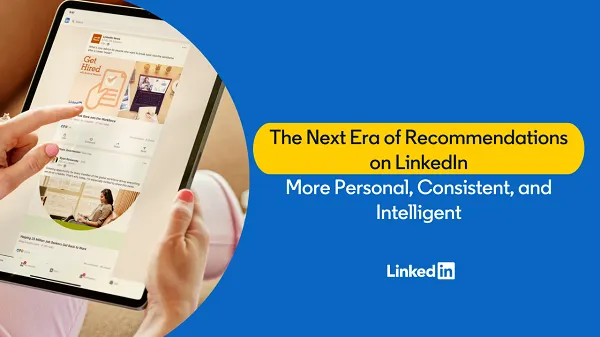
In an era where professional landscapes shift with unprecedented speed, LinkedIn is undergoing a fundamental technological transformation. The platform, which serves as the primary digital nexus for the global workforce, is moving away from fragmented, task-specific algorithms toward a unified, AI-driven ecosystem. By integrating generative recommenders (GR) and large-scale sequence models, LinkedIn is fundamentally changing how it understands its billion-plus members, aiming to transform the platform from a static repository of resumes into a dynamic, intuitive professional companion.
The Paradigm Shift: From Isolated Models to Holistic Intelligence
For years, LinkedIn’s architecture relied on what industry experts call "specialty ranking models." In this traditional framework, the platform operated in silos: the algorithm powering the main feed was distinct from the one suggesting job openings, which was further disconnected from the system surfacing advertising content or connection requests. While functional, this compartmentalization created a fragmented user experience. Actions taken in one area of the app—such as engaging with a post about sustainable energy—often failed to inform the job recommendations or networking suggestions a user received shortly thereafter.
That era is rapidly coming to an end. Erran Berger, LinkedIn’s Chief Technology Officer, recently unveiled a new architectural vision that prioritizes "generative recommenders." This shift marks a move from optimizing for momentary, isolated interactions to understanding long-term behavioral sequences.
"With advances in generative recommenders and large-scale sequence models, we’re rethinking the foundation of how recommendations work," Berger explained. "Newer technology allows us to understand patterns of behavior over time versus optimizing for individual interactions. If you’re on LinkedIn, that’s a crucial leap forward because professional identity doesn’t evolve in moments; it evolves over time."
Chronology of Innovation: Scaling the Professional Feed
The scale of LinkedIn’s operation necessitates this technological evolution. With over 1.8 million feed updates viewed per minute, the platform’s sheer volume of data makes human-led curation or simplistic rule-based algorithms impossible to sustain.
- The Early Years (Pre-2015): LinkedIn’s initial relevance models focused on basic keyword matching and static interest categories. Users saw content based largely on who they followed and the industries they listed in their profiles.
- The Scaling Phase (2015–2020): As user activity exploded, LinkedIn moved toward machine learning models that could predict engagement. These models were highly effective at keeping users on the platform but remained largely siloed, treating a user’s job search as separate from their social engagement.
- The Generative Transition (2021–Present): With the advent of large language models (LLMs) and advanced sequence modeling, LinkedIn began testing systems that could ingest multi-modal data. The recent rollout of generative recommenders represents the culmination of this transition, allowing the platform to synthesize activity across feed engagement, job searching, and private networking into a single, cohesive user profile.
Supporting Data: Why "Sequence" Matters
The core of LinkedIn’s new strategy lies in the shift toward "sequence models." In data science, sequence modeling involves analyzing the order and context of events to predict future outcomes.
Traditional algorithms often fall into the trap of "recency bias," where a user who clicks on a single article about artificial intelligence is suddenly flooded with unrelated AI content for days. Sequence models, however, evaluate the trajectory of a user’s professional journey. By looking at a broader window of activity—the "continuous professional journey," as Berger describes it—LinkedIn can discern the difference between a user who is idly browsing a trending topic and one who is actively researching a career pivot.
The implications for platform performance are significant. By assessing activity in one part of the platform to support recommendations in another, LinkedIn is effectively creating a cross-pollination of interest signals. For example, a user who consistently engages with thought leadership content from a specific company is now more likely to see relevant job openings from that same organization, even if they haven’t explicitly searched for them. This creates a "sticky" ecosystem where the platform feels increasingly proactive rather than merely reactive.
Official Perspectives: Decoding the "Continuous Professional Journey"
Erran Berger’s recent pulse post serves as both a roadmap and a manifesto for the company’s technical direction. By emphasizing that professional identity is a fluid concept, LinkedIn is signaling to investors and users alike that they are moving away from the "static profile" model.
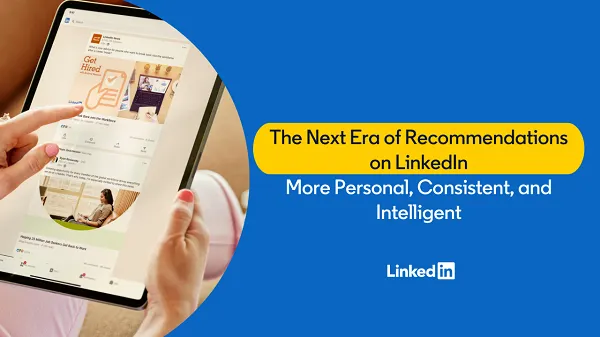
"So if activity in one part of LinkedIn can support recommendations across the platform, we don’t view that as just isolated behavior but part of a broader, continuous trajectory of what someone is trying to achieve professionally," Berger noted.
This approach addresses a common pain point for professional platforms: the "cold start" problem. Previously, if a user changed industries, their feed would remain cluttered with irrelevant content from their previous role for weeks. With the new generative models, the system can identify a change in behavioral patterns—such as a shift in the types of job postings clicked or the nature of groups joined—and pivot the recommendation engine in real-time, effectively "learning" the user’s new career phase as it happens.
Implications: The Future of Networking and Hiring
The transition to AI-driven generative recommendation has profound implications for every stakeholder on the platform:
1. For the Job Seeker
The most immediate benefit is "serendipity." By expanding the pool of candidate posts and content, the AI can surface opportunities that a user might never have considered. Because the system is no longer limited to the keywords in a user’s profile, it can identify "adjacent skills"—matching a candidate with a role that requires their existing expertise in a new, high-growth sector.
2. For Content Creators and Brands
The "relevance revolution" means that content will no longer be distributed based solely on who the user follows, but on the professional intent detected by the AI. This likely means higher engagement rates for creators whose content is genuinely relevant to a user’s current career trajectory, as the algorithm becomes more efficient at connecting niche expertise with interested audiences.
3. For Enterprise and Advertisers
For businesses using LinkedIn to recruit or market, the move to generative recommendation is a double-edged sword. While it promises higher conversion rates—since ads and job postings will reach users who are in the right "professional sequence"—it also raises the bar for quality. Advertisers can no longer rely on broad targeting; they must create content that resonates with the specific, evolving career paths identified by the platform’s sophisticated AI.
4. Ethical Considerations and Privacy
As with any implementation of generative AI, the question of data privacy remains paramount. While LinkedIn emphasizes that these systems are designed to enhance user experience, the aggregation of activity across the entire platform creates a massive, unified data profile. Transparency regarding how these models use individual member data will remain a critical hurdle for LinkedIn as it continues to roll out these features globally.
Conclusion: A More Intuitive Professional Identity
LinkedIn’s pivot toward generative recommenders is not merely a technical upgrade; it is a fundamental redefinition of the platform’s utility. By treating the professional journey as a continuous, evolving story rather than a static snapshot, the company is positioning itself to be more than just a place to host a resume.
As these systems continue to mature, the distinction between "searching for a job" and "building a professional network" will likely blur further. The platform is becoming a proactive agent in the career lifecycle, using the power of generative AI to ensure that every update, connection, and job post serves the user’s long-term professional aspirations. For the millions of professionals who log on daily, the result is a platform that finally feels as dynamic and ambitious as the users it serves.












No comments yet. Be the first to join the conversation!