Ali Ikhwan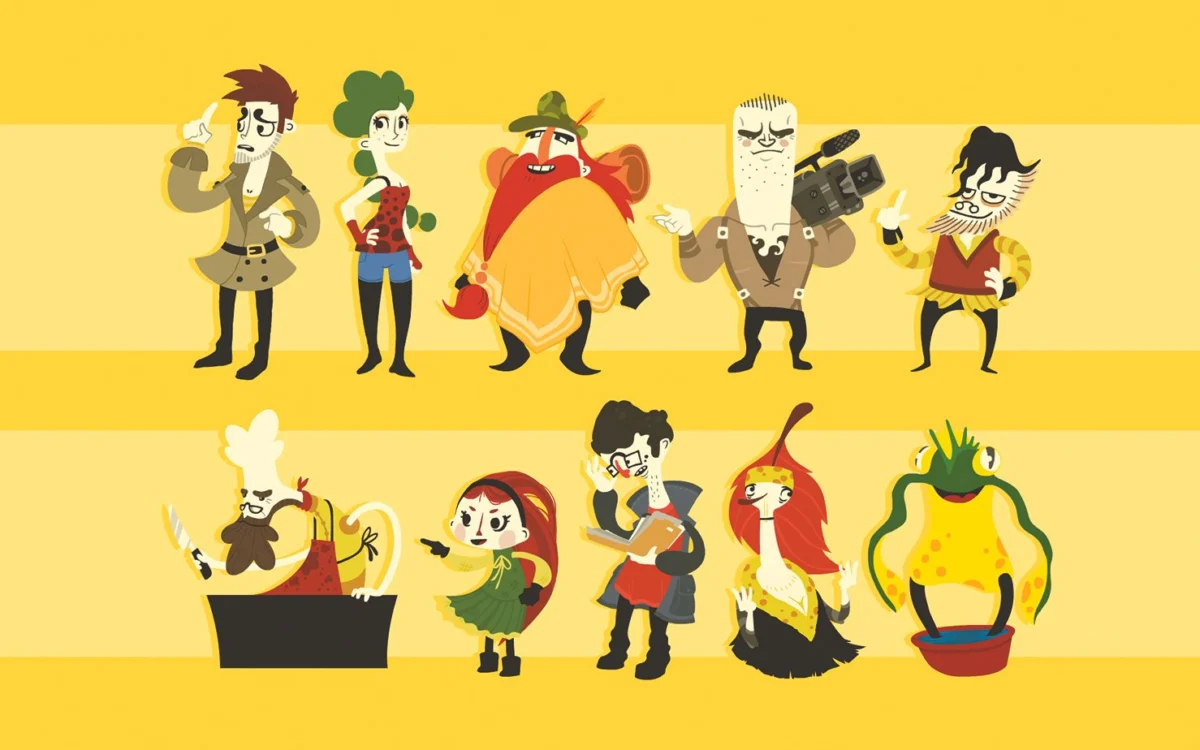
The history of video games is often reductively framed as a linear march toward technological inevitability. The narrative typically follows a predictable trajectory: the pixelated, low-resolution constraints of 2D sprites gradually giving way to the perceived "superiority" of high-fidelity 3D environments. Yet, to dismiss 2D art as a mere relic of nostalgia is to fundamentally misunderstand the medium’s creative potential. For Adam Vian, co-founder of the independent studio SFB Games, 2D art is not a limitation—it is a canvas that has matured alongside his own artistic sensibilities and professional development.
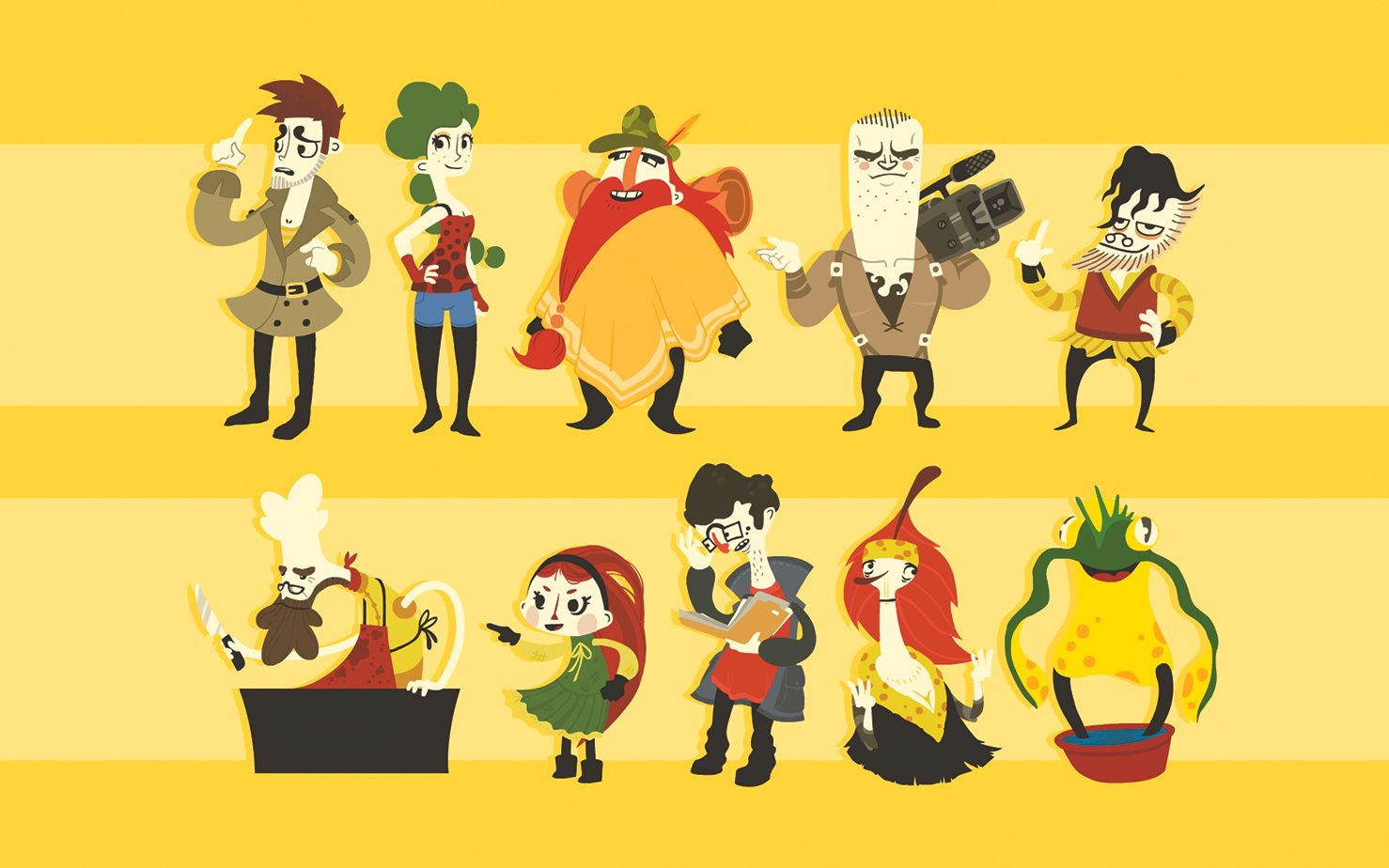
With the release of The Mermaid Mask, the fourth installment in the critically acclaimed Detective Grimoire series, Vian offers a masterclass in how a studio can preserve its signature style while evolving its technical craft. From the wild west of early 2000s browser gaming to sophisticated multi-platform releases, SFB Games represents a unique bridge between the DIY spirit of the Flash era and the refined sensibilities of modern indie development.
The Foundations: A Flash-Born Legacy
The story of SFB Games began in the early 2000s, rooted in the fertile, chaotic soil of the website Newgrounds. Working alongside his brother Tom, a young Adam Vian found himself in an environment that prioritized speed, experimentation, and accessibility.
"It was a blissful existence," Vian recalls. "You could make a game quickly, throw it online immediately, and start getting feedback that second. It was an amazing accelerant for us; we got through all our bad ideas really quickly."
During this period, the duo operated as "The Super Flash Bros." The lack of strict copyright enforcement on the internet at the time allowed them to cut their teeth on parodies and fan-driven projects, such as Kirby’s Star Scramble. For the Vian brothers, these were not just fun side projects; they were a rigorous training ground. Vian posits a "theory of bad games," suggesting that every creator has a finite number of poor designs within them that must be purged before true quality can emerge. By producing a high volume of work in a short window, the brothers accelerated their own creative evolution.
Chronology of a Detective
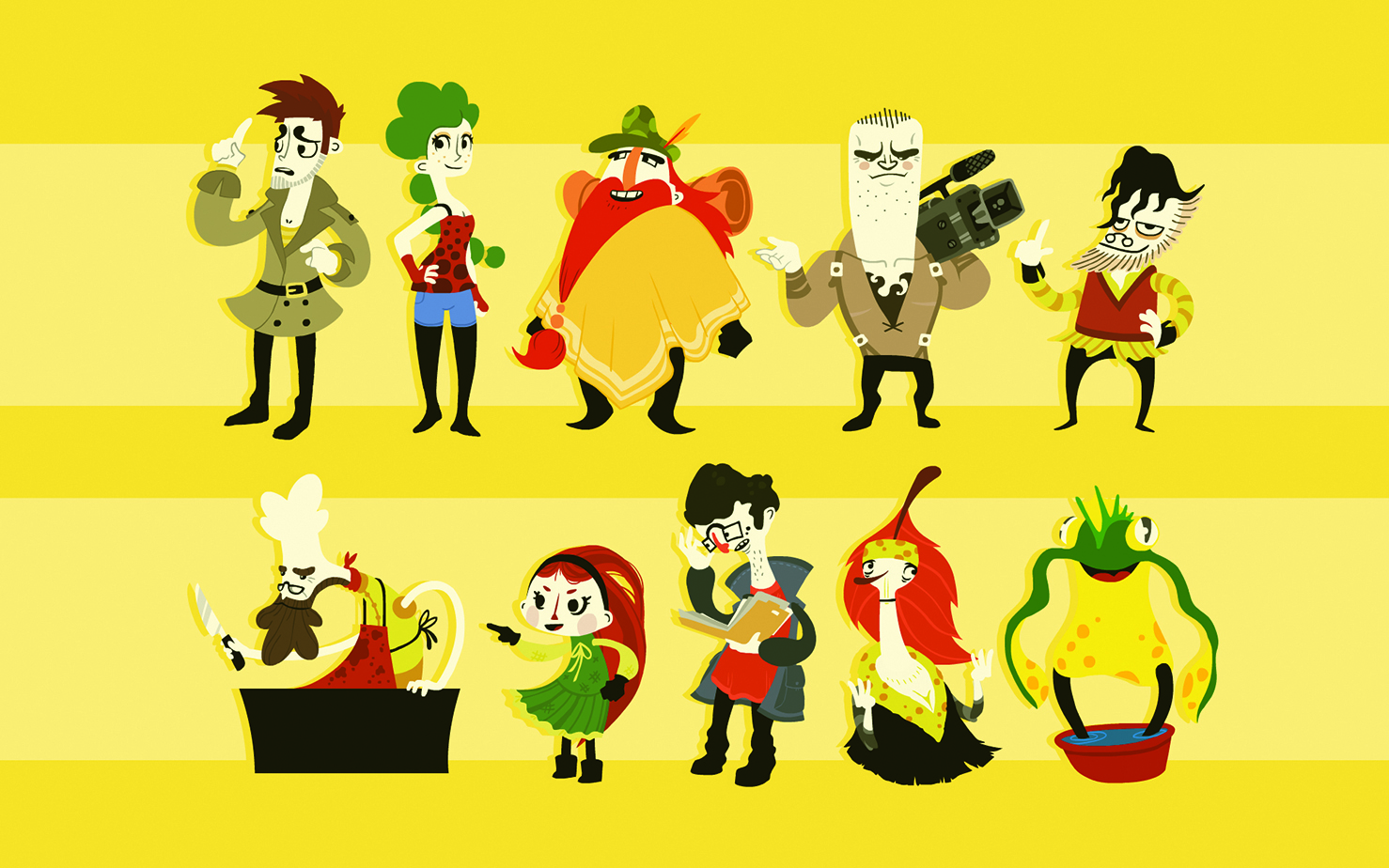
The Detective Grimoire series serves as the backbone of SFB Games’ history. Inspired by the narrative-driven, eccentric charm of Capcom’s Ace Attorney and the classic point-and-click adventures like Monkey Island, the series has undergone a profound metamorphosis since its debut.
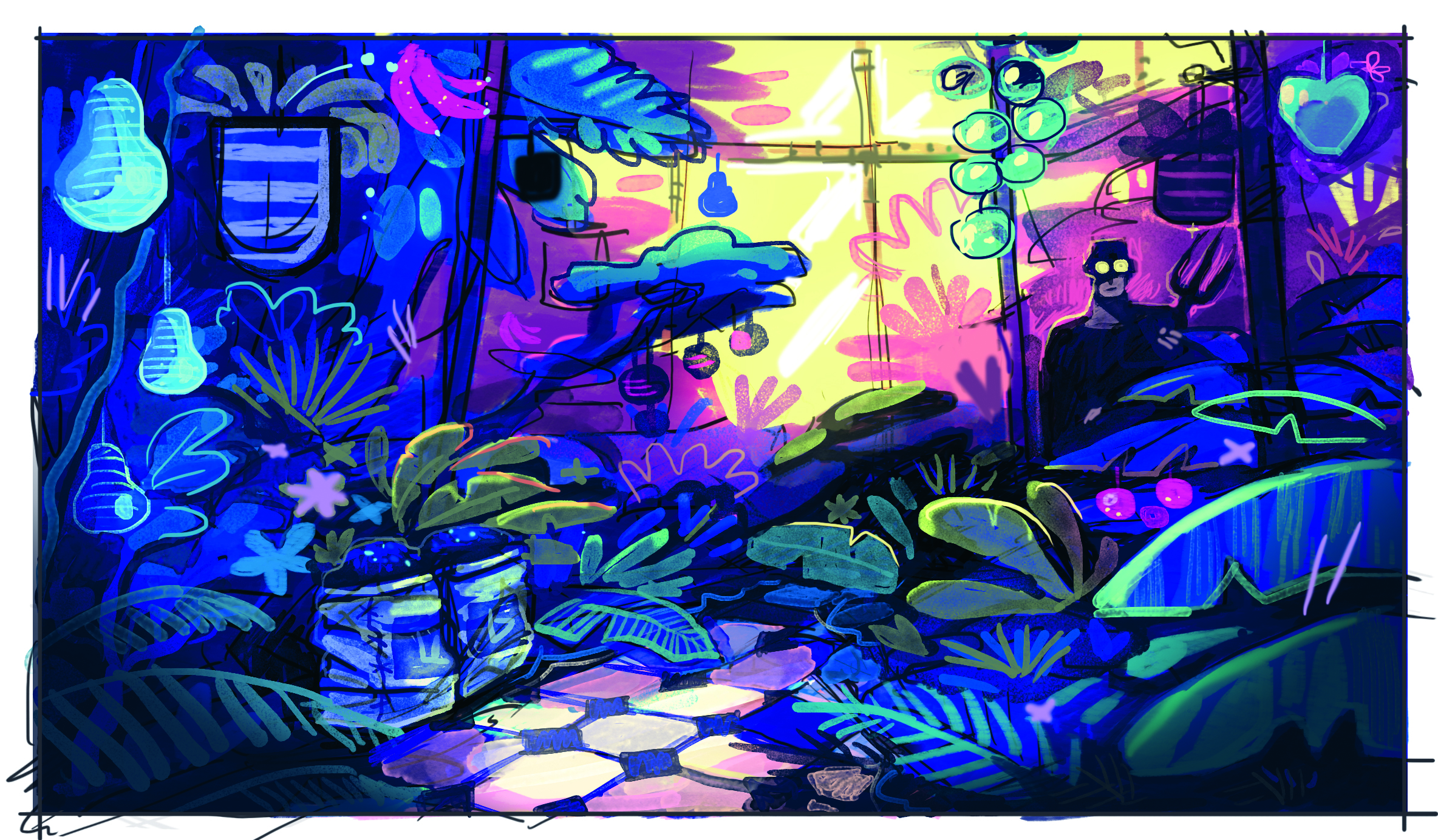
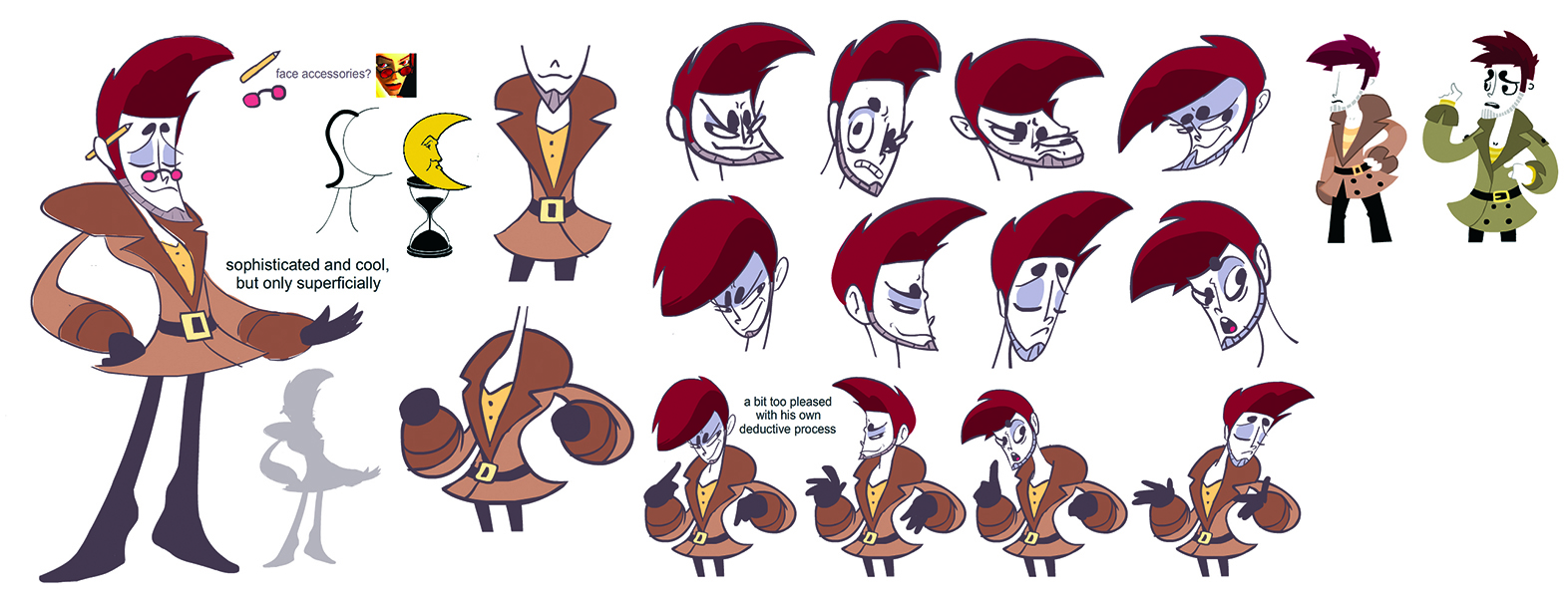
- The Early Years: The original Detective Grimoire was the product of a 17-year-old Vian. It was, by his own admission, a derivative work. The protagonist was a standard archetype: a man in a brown trenchcoat, echoing the tropes of Guybrush Threepwood and Detective Gumshoe. It was functional, but it lacked the distinctive visual identity that would later define the studio.
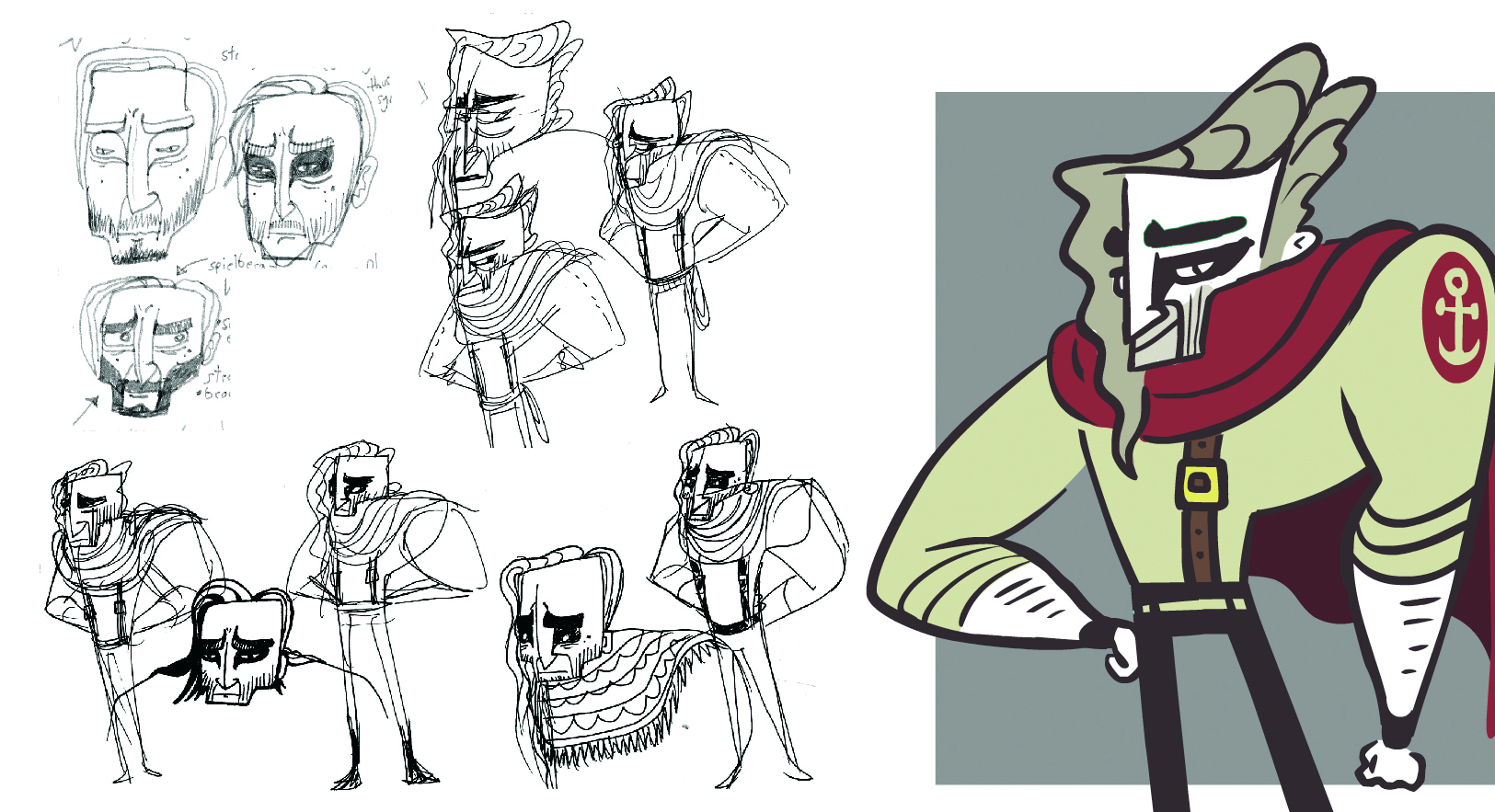
- Artistic Maturation: Between the first game and its successors, Vian attended the University for the Creative Arts, where he moved beyond basic "go-to" cartoon styles. This was also when he began his long-term collaboration with artist Catherine Unger. Her involvement marked a turning point; her ability to act as a creative sounding board allowed the series to shift from generic cartoons to a highly stylized, cohesive world.
- The Stylistic Overhaul: With Secret of the Swamp, the aesthetic took a sharp turn. Vian began to draw inspiration from the unfinished masterpiece The Thief and the Cobbler and the bold, shape-focused animation of Genndy Tartakovsky. Characters were redesigned with stark white skin to ensure they popped against detailed backdrops, and body shapes were pushed to the extremes of caricature.
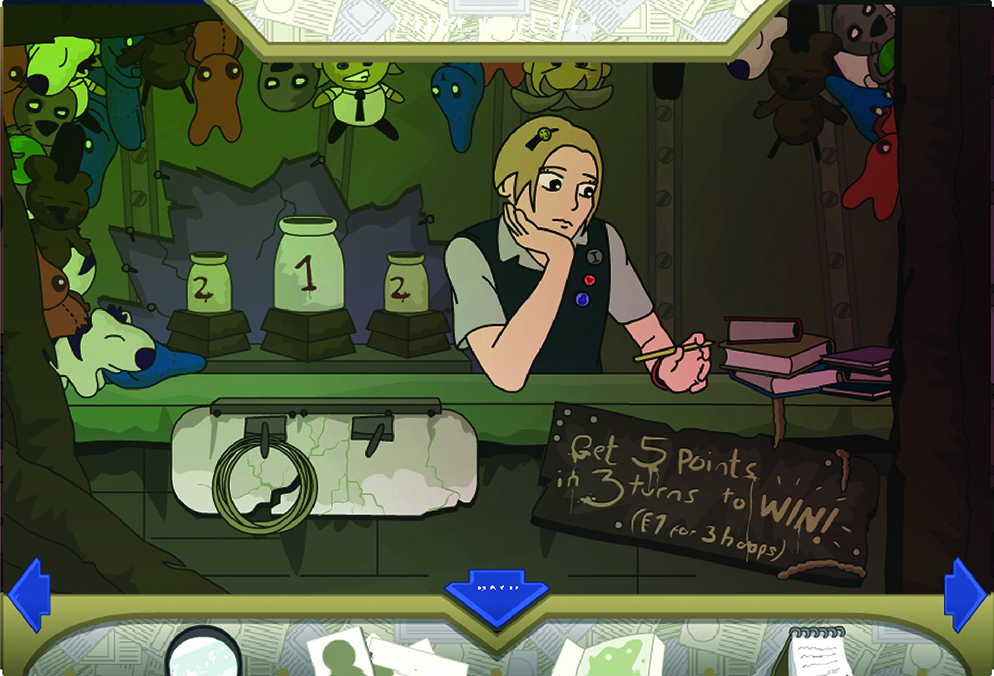
- Refinement: Tangle Tower saw the studio moving toward a softer, "blobbier," more color-saturated palette.
- The Current Era: The Mermaid Mask represents a departure in philosophy. Rather than discarding their previous assets, the studio leaned into iteration. It is the first game in the series to act as a true mechanical and visual successor, reusing the engine and foundational designs to build upon, rather than replace, what came before.
The Collaborative Process: Bouncing Ideas
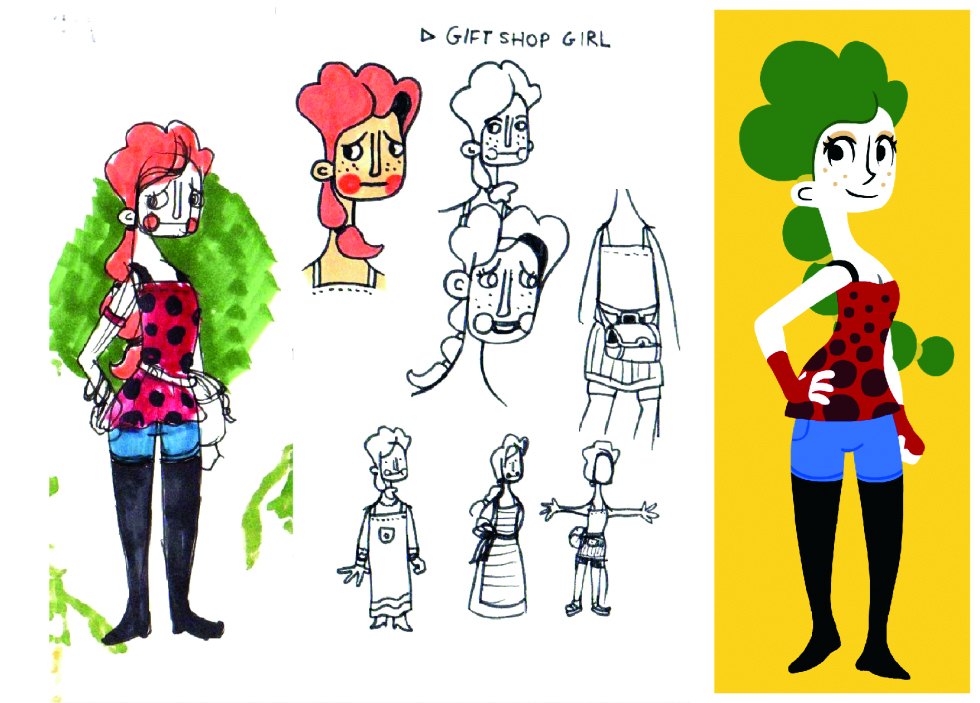
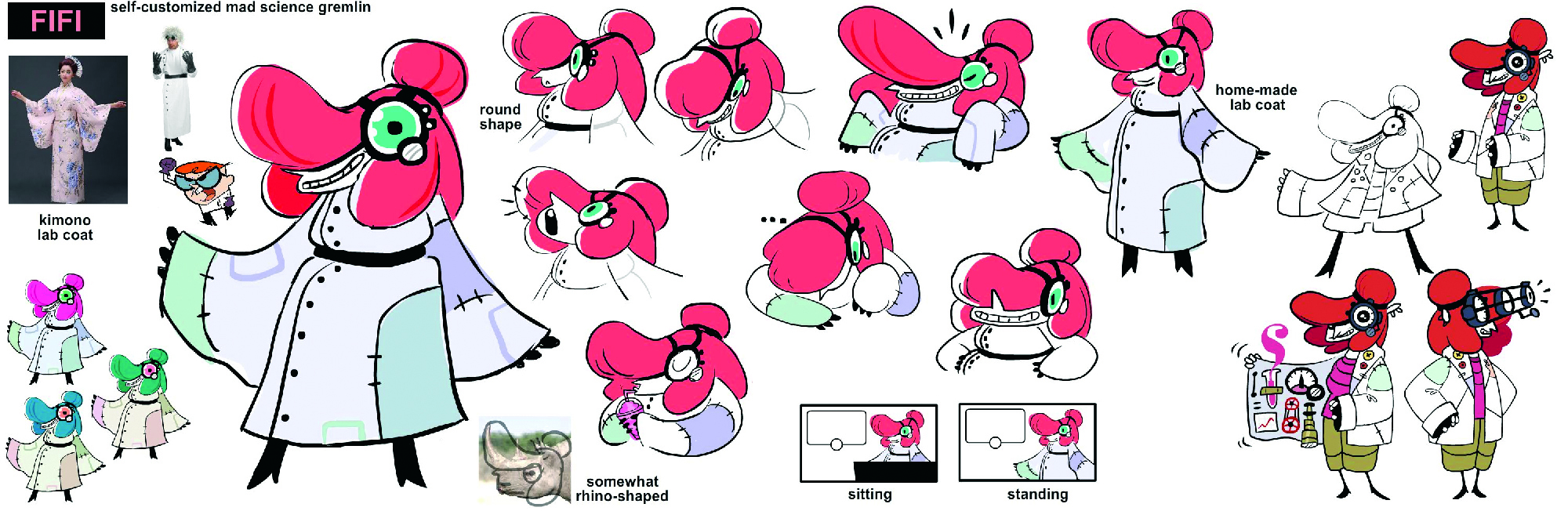
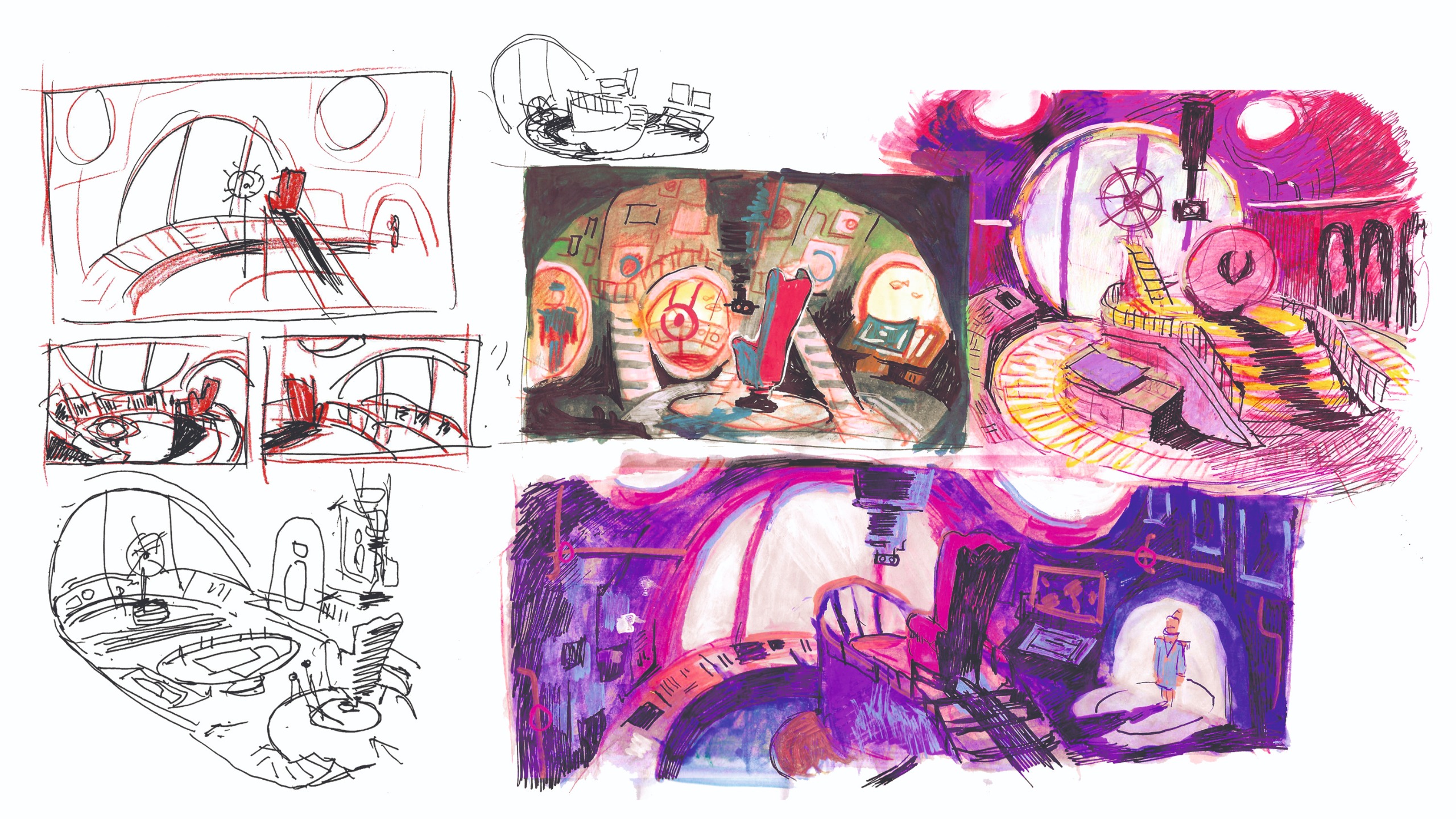
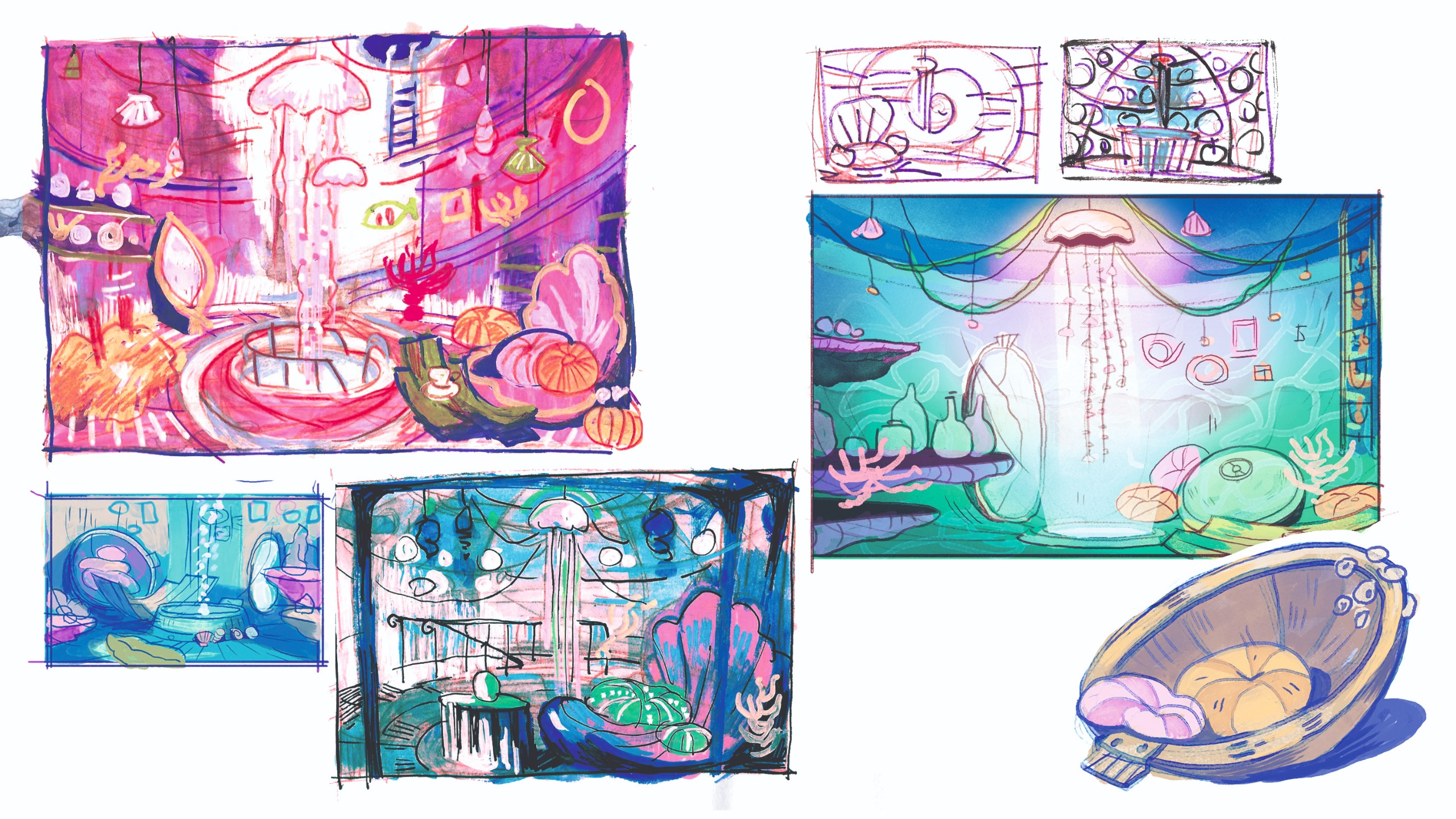
Creative direction at SFB Games is an exercise in iterative communication. Vian describes a pre-production phase that is intentionally slow and highly collaborative. When designing a new character, he and Unger often work independently, sketching their interpretations of a concept without consulting one another.
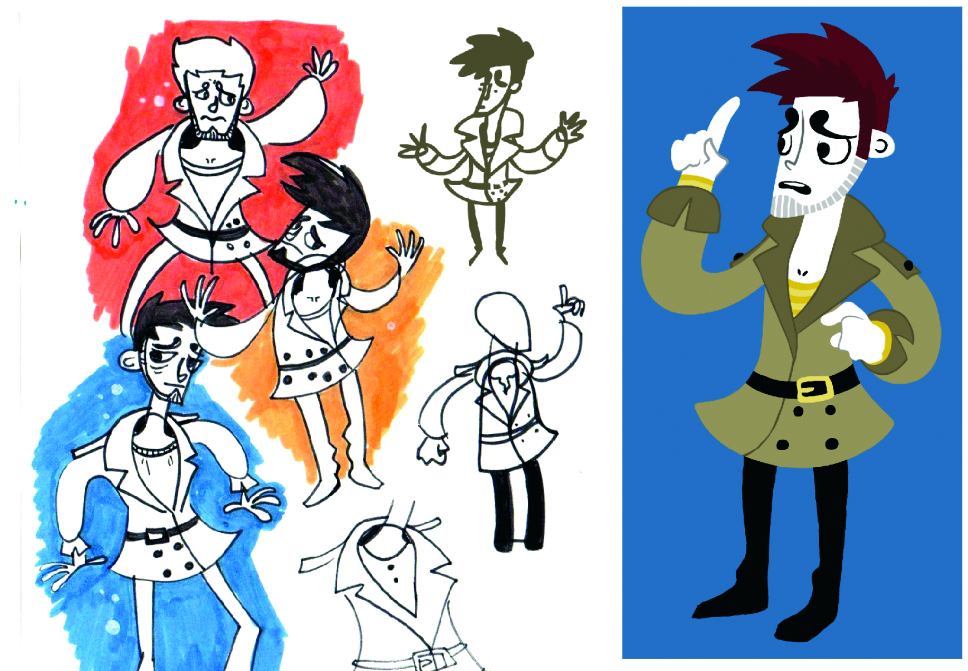
"We don’t show each other until we’ve both done at least one drawing," Vian explains. This allows them to bring distinct perspectives to the table. They then compare, synthesize, and refine. This is not just a visual exercise; animator Charlotte Harris is brought in early to determine how these designs translate into movement. The process involves mapping out "full ranges of emotion"—from the specific way a character blinks to the unique body language that defines their personality. Given that players spend hours staring at these characters, the studio prioritizes a level of "completeness" that is often overlooked in faster development cycles.
Technical Innovation: Bridging 2D and 3D
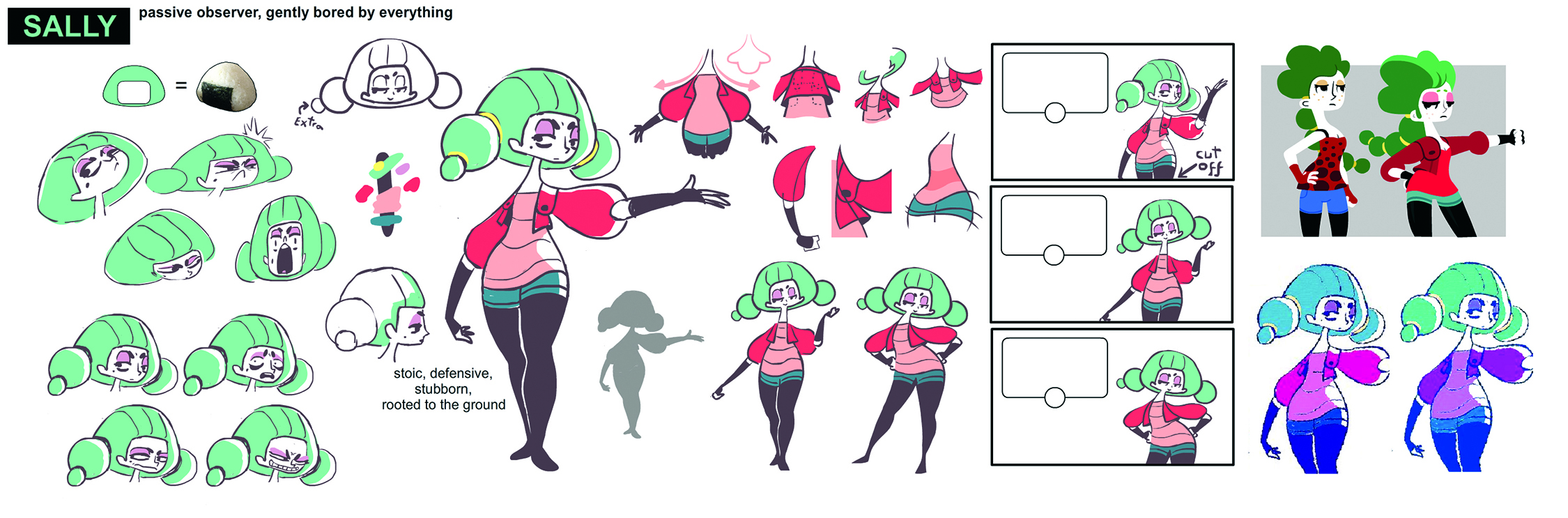
Perhaps the most significant development in The Mermaid Mask is the studio’s clever integration of 3D. While the game retains its iconic hand-drawn 2D aesthetic, the clues themselves are now interactive 3D objects.
This was born from a desire for "more juice." In Tangle Tower, clues were static, 2D illustrations. In The Mermaid Mask, players can manipulate, rotate, and peer behind objects. To achieve this without shattering the artistic immersion, SFB Games employed a brilliant technical workaround. 3D artist Kindra Dantone creates the models, which are then textured to match Unger’s painting style. Finally, Tom Vian implemented custom shader technology that generates a dynamic, wobbling outline around the 3D models. This mimics the organic, inconsistent line weight of a human hand-drawn brushstroke, effectively tricking the eye into seeing a 2D painting in a 3D space.
Implications for Indie Developers
For aspiring developers, the trajectory of SFB Games offers a roadmap defined by pragmatism. Vian’s advice is simple: "Finish a project." He warns against the "magnum opus" trap—where creators become paralyzed by the desire to build an expansive, open-world RPG as their debut, only to abandon it when the scope proves unmanageable.
By starting with small, browser-based games and moving to itch.io, modern developers can replicate the "accelerant" that the Flash era provided. The ability to ship a product, receive feedback, and learn from mistakes is the single most important skill for any artist in the digital age.
Conclusion: A Consistent Vision
As The Mermaid Mask launches across platforms, it stands as a testament to the idea that 2D art is not a stagnant medium. Through the intentional evolution of character design, the integration of smart, painterly 3D technology, and a culture of deep, peer-based collaboration, SFB Games has elevated the humble point-and-click adventure.
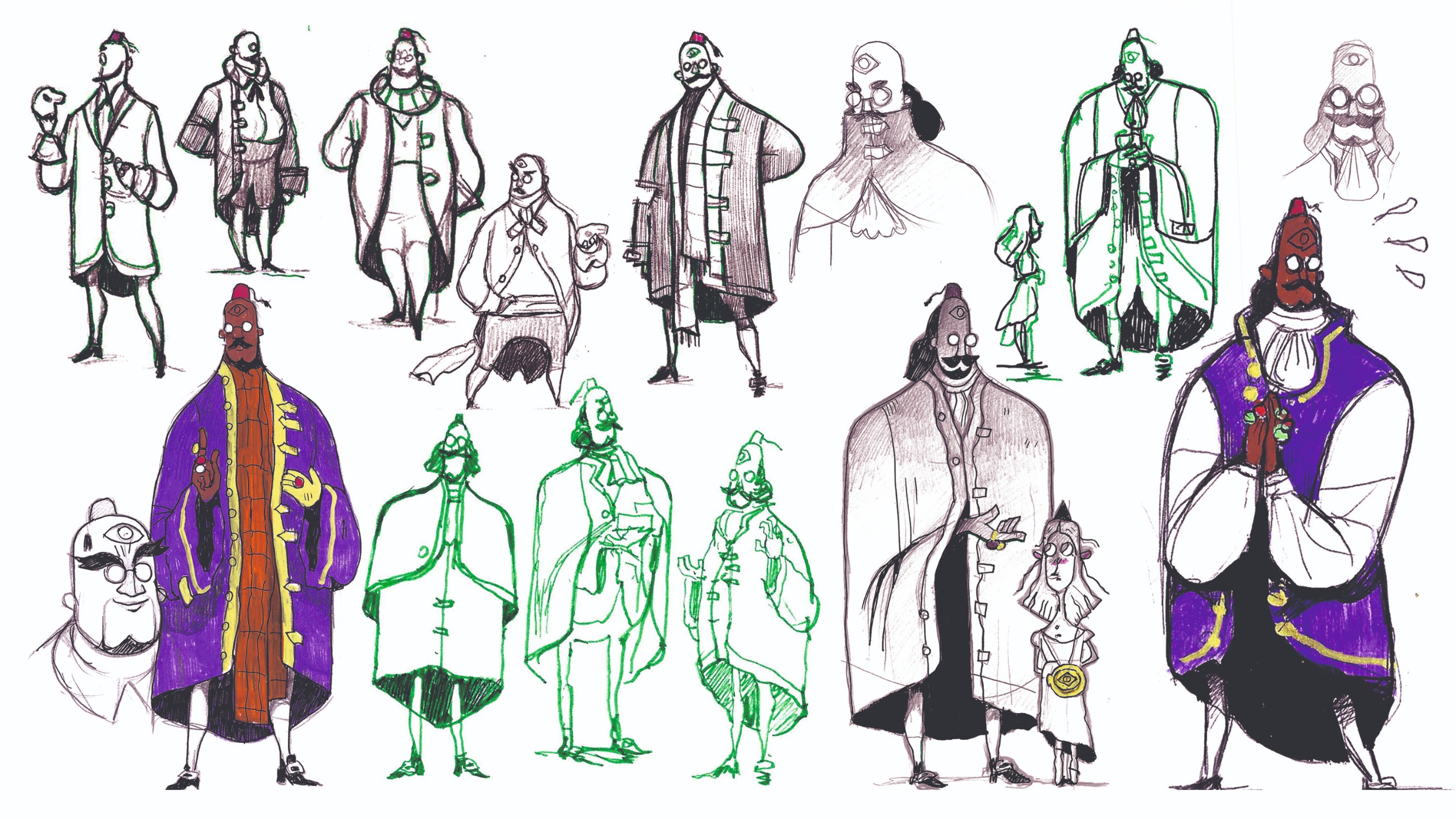
The studio’s success proves that when artists refuse to settle for their first "good" idea and instead commit to years of iteration and refinement, they don’t just build games—they build a distinct, visual language. Whether the industry leans toward photorealism or stylized abstraction, the work of Adam Vian and his team ensures that there will always be a place for the expressive, hand-crafted, and deeply human touch in digital entertainment.

 Nana
Nana
 Neng Nana