

For many first-time visitors to Japan, "Tokyo" is a singular, overwhelming concept. It is the sensory overload of the Shibuya Scramble, the electric pulse of Shinjuku’s Kabukicho, and the polished steel towers of Roppongi. It is a city defined by hustle, bustle, and the relentless hum of 14 million people moving in perfect, choreographed chaos.
Yet, those who look past the primary transit arteries often discover that Tokyo is not a single city, but a constellation of distinct neighborhoods, each with a heartbeat of its own. Among the most enchanting of these is Kiyosumi-Shirakawa. Tucked away in the Koto Ward, this district offers a quiet, contemplative respite from the metropolis, providing a rare opportunity to engage with Japanese history, architecture, and the burgeoning third-wave coffee culture without the friction of tourist gridlock.
A Chronology of Transformation: From Marshland to Modernity
To understand the character of Kiyosumi-Shirakawa, one must look back to the Edo period. The modern name of the neighborhood—a relatively recent invention born two decades ago—belies a much older, more complex identity. Historically, this area was known as Fukagawa.
The story begins in the 17th century with a man named Fukagawa Hachirōzaemon, an entrepreneur from Osaka who led a group of settlers to reclaim the marshlands near the Sumida River. According to local lore, when Shogun Tokugawa Ieyasu was surveying the region for land reclamation projects, he asked Fukagawa the name of the area. Upon learning it had none, the Shogun bestowed the name of the pioneer upon the land itself.
The Timber Capital and the Tatsumi Geisha
Throughout the Edo era, Fukagawa cemented its reputation as a bustling logistics hub, becoming the primary timber capital of the city. Its proximity to the Sumida River allowed for the efficient transport and storage of wood, which was the lifeblood of a city constantly being rebuilt after fires. This industrial heritage lingered well into the postwar era, only shifting when land subsidence necessitated the relocation of the timber yards to Shin-Kiba.
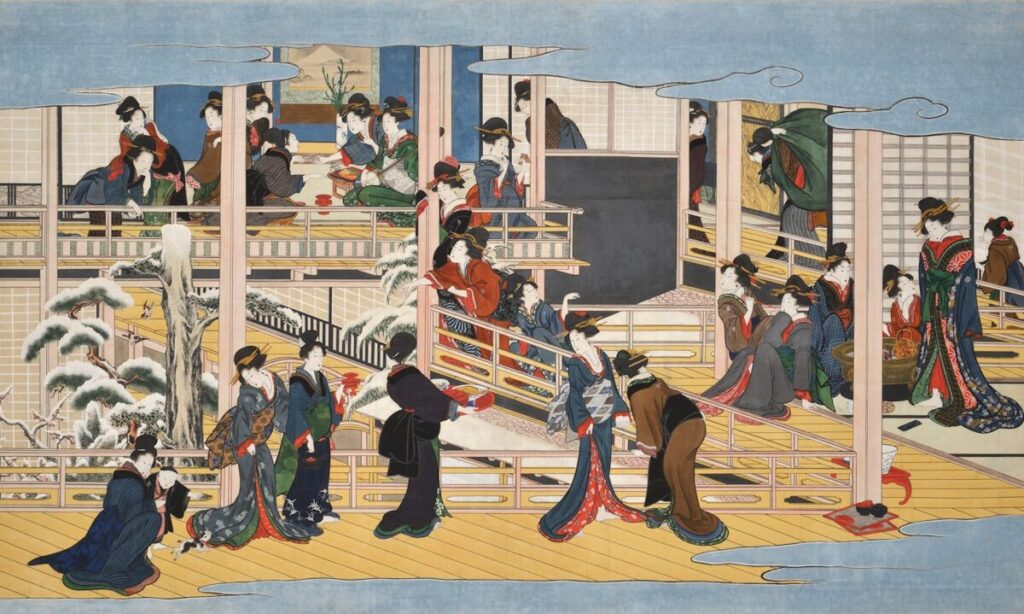
Beyond its industrial utility, the area was also known for its "shitamachi" (downtown) culture, characterized by a certain rugged, understated chic. It was famously home to the Tatsumi geisha. Unlike their more flamboyant counterparts in other districts, the Tatsumi geisha were celebrated for their austere aesthetic: minimal makeup, simple grey kimonos, and a penchant for masculine speech patterns and names. They embodied a spirit of independence that still resonates in the neighborhood’s artistic, anti-establishment vibe today.
The Tragedy of Eitai Bridge
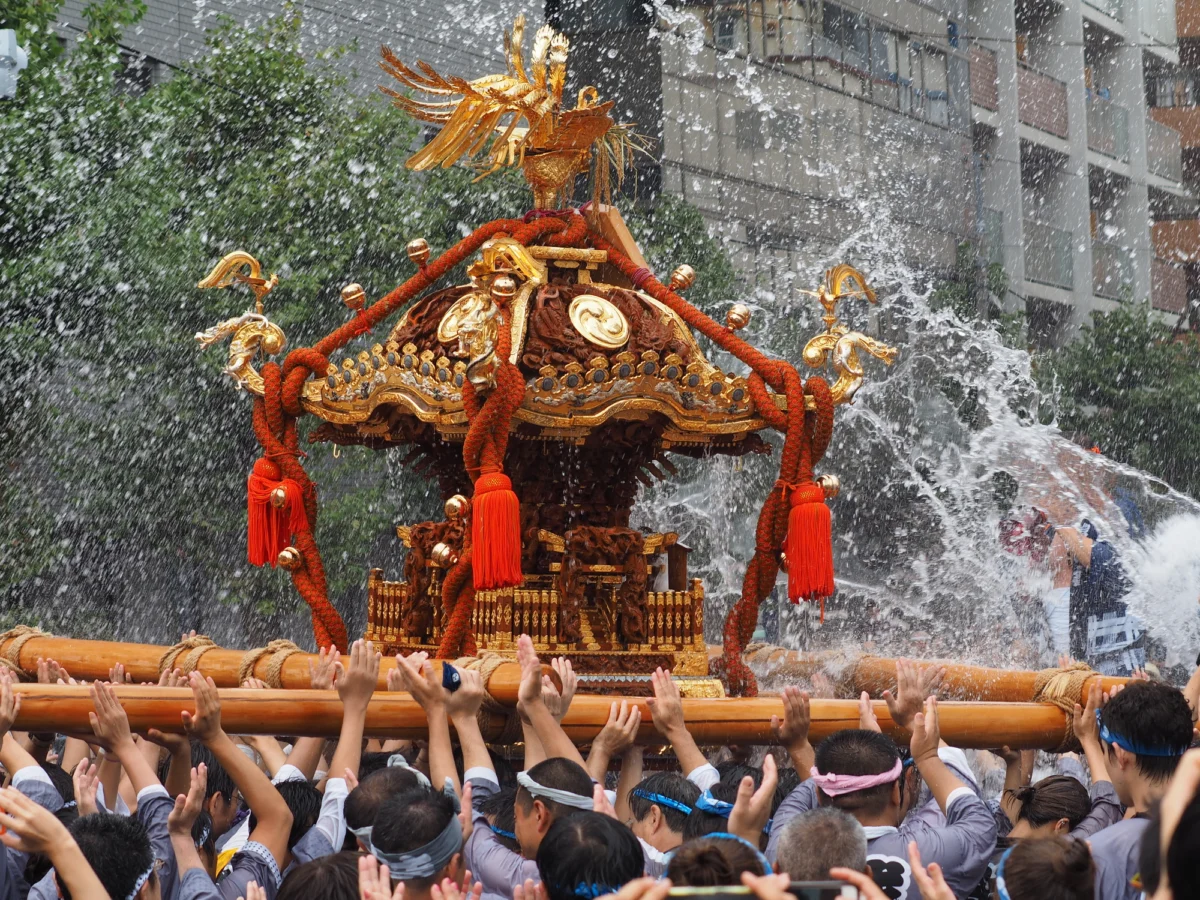
No history of this area is complete without acknowledging the Eitai Bridge tragedy of 1807. During a festival for the Tomioka Hachiman shrine, the wooden structure collapsed under the weight of an immense crowd, resulting in approximately 1,400 casualties. The bridge has been rebuilt many times; the current steel arch, an imposing structure modeled after Germany’s Ludendorff Bridge, was erected in 1926 following the destruction caused by the Great Kanto Earthquake.
Supporting Data: Why Kiyosumi-Shirakawa Remains a Hidden Gem
While the neighborhood has gained traction among travelers seeking "authentic" experiences, it has remarkably managed to avoid the pitfalls of overtourism. Its demographic footprint remains small—around 15,000 residents—and its layout is still defined by the low-rise warehouse architecture that defined its past as a storage district.
The "Coffee-fication" of Industry
The modern revitalization of the area is arguably anchored by its transition from timber storage to coffee roasting. The high-ceilinged, industrial-footprint warehouses were perfectly suited for heavy roasting machinery, leading to a concentration of specialty cafes that has led some observers to suggest that Kiyosumi-Shirakawa is the epicenter of Japan’s third-wave coffee movement.
In 2015, this status was solidified when the Bay Area’s Blue Bottle Coffee opened its first store outside of the United States in a converted warehouse here. However, the true joy of the district lies in the local, independent roasters—such as ARISE Coffee Roasters—and the "Little Tokyo" building, which functions as a rotating incubator for local artisans, bookstores, and bars.
Official Sites and Cultural Landmarks
For the visitor looking to engage with the deep history of Edo, the neighborhood offers several essential touchstones.
The Fukagawa Edo Museum
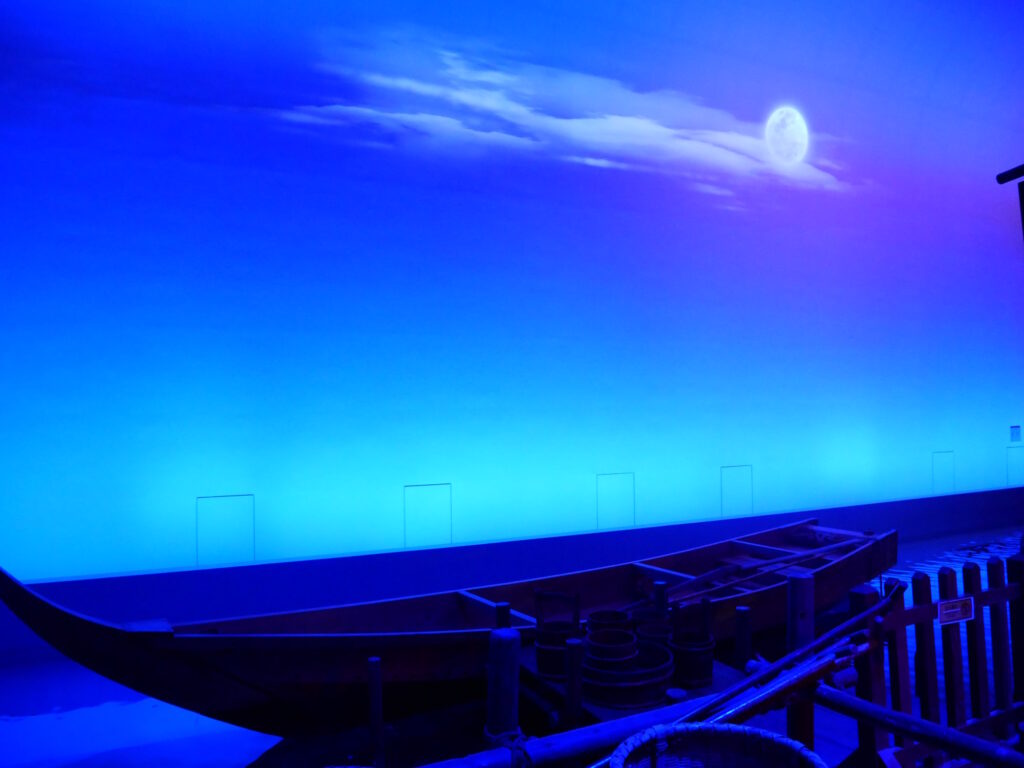
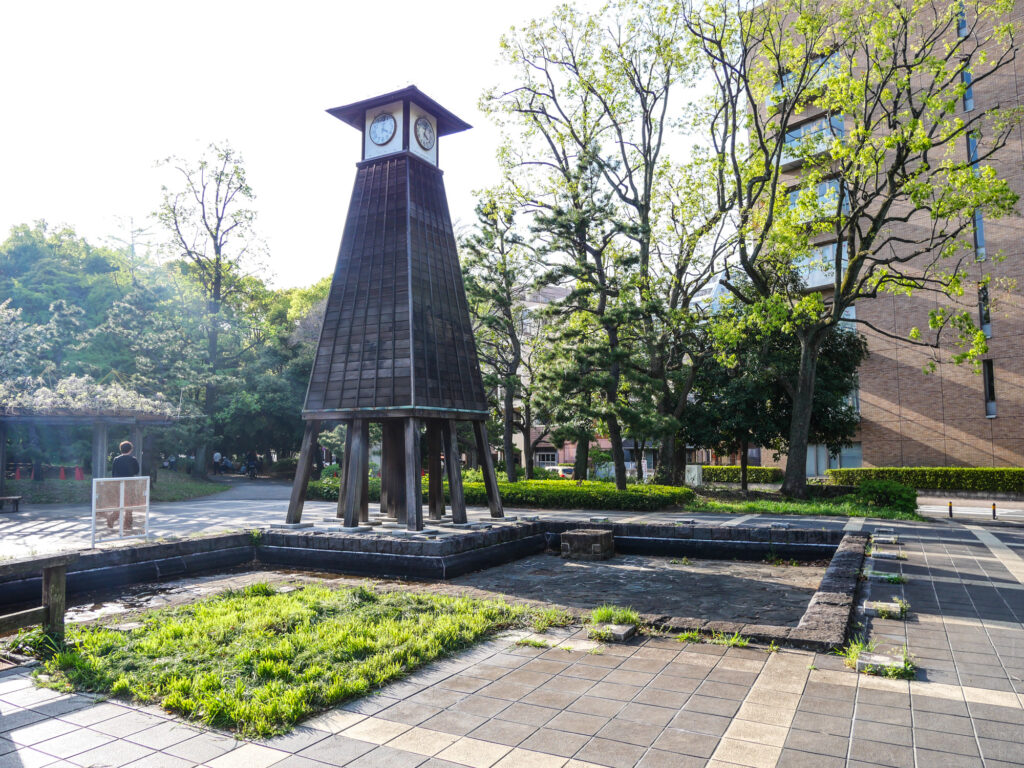
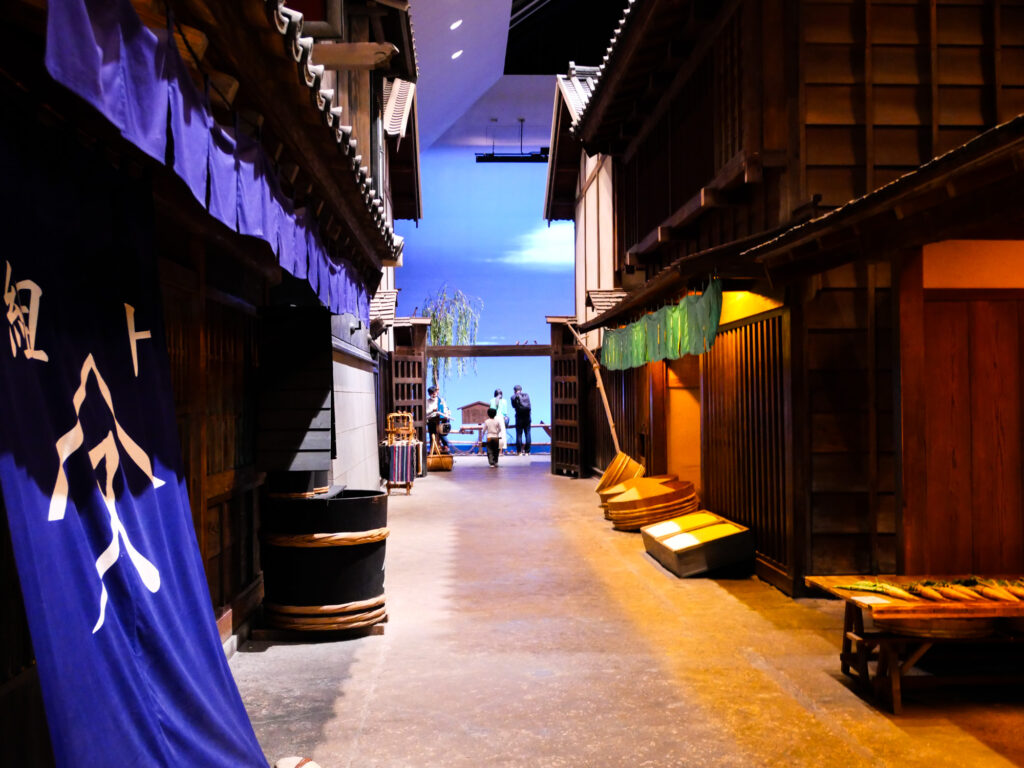
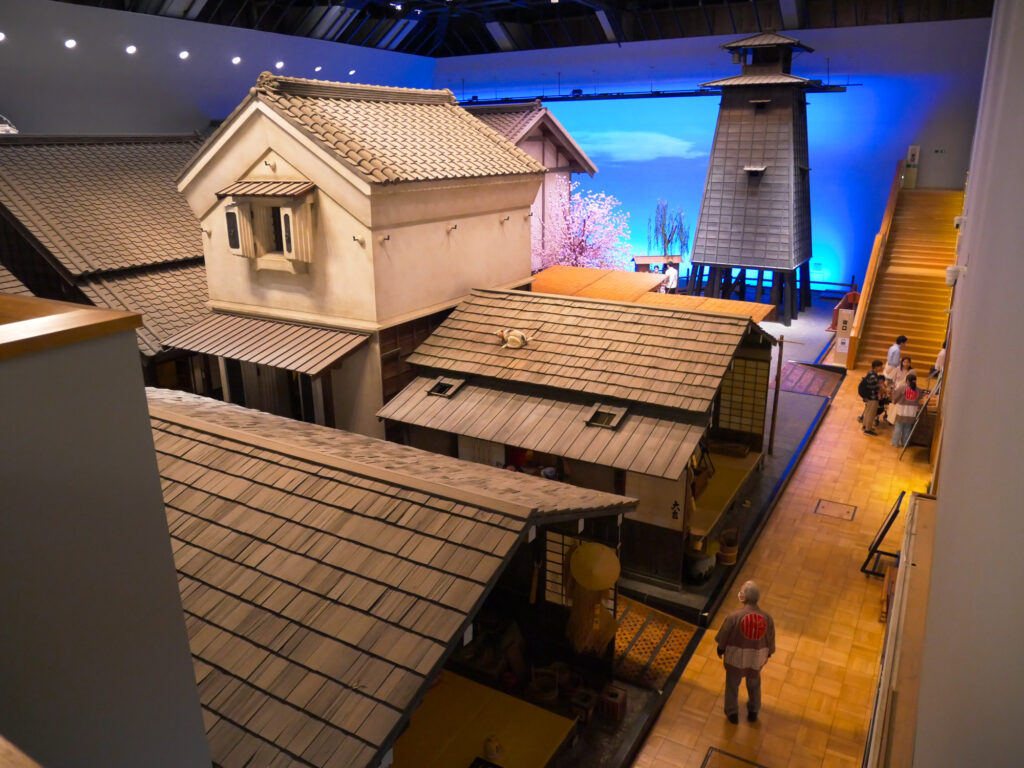
The premier destination for history enthusiasts is the Fukagawa Edo Museum. Unlike the more massive, crowded Edo-Tokyo Museum, this space offers a 1:1 scale reconstruction of an entire late-Edo period city block. The indoor, sunken atrium recreates the Tenpō era (1830s) with astonishing detail, including tenements, a greengrocer, and a fire-watch tower. Every thirty minutes, the museum cycles through a sound and light display that simulates a full day-to-night progression, complete with the ambient sounds of street vendors and fire-prevention chants.
Kiyosumi Garden
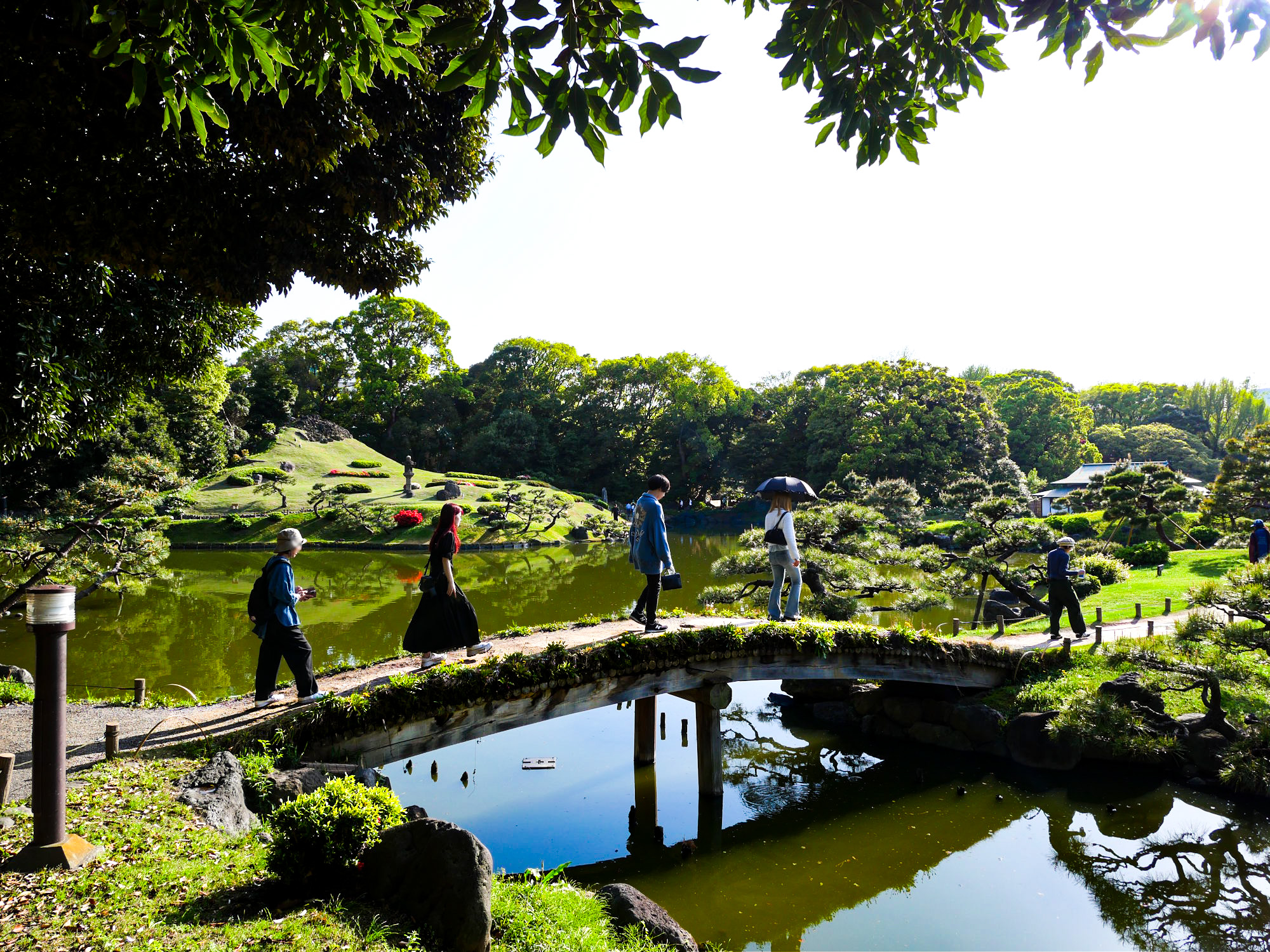
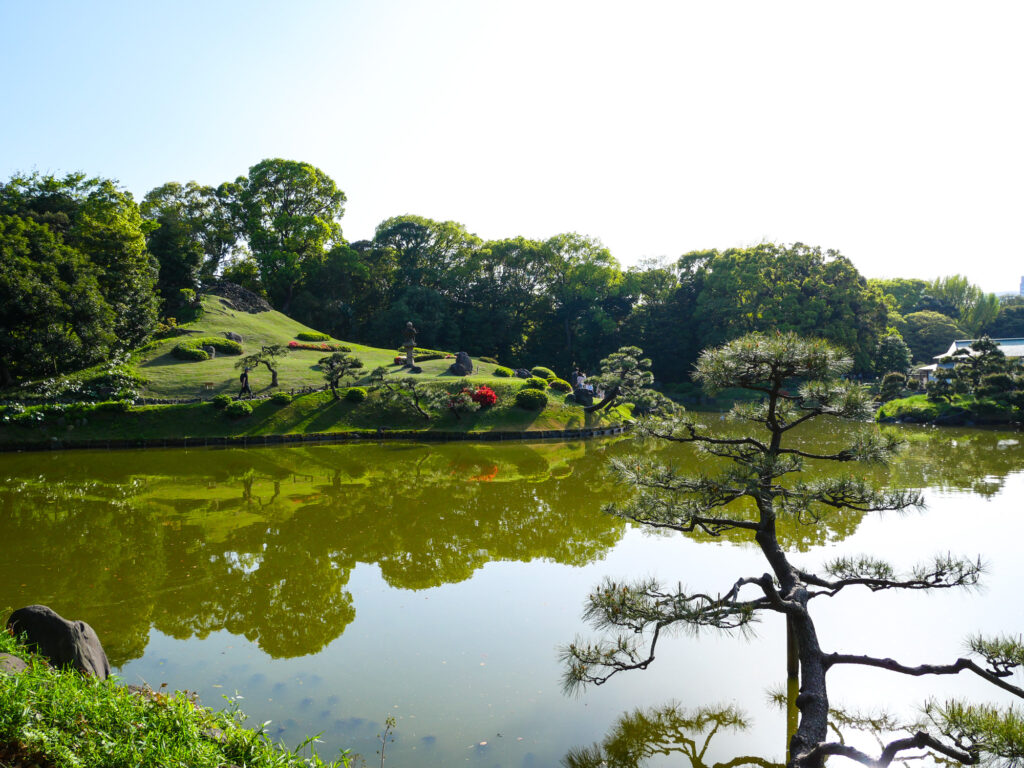
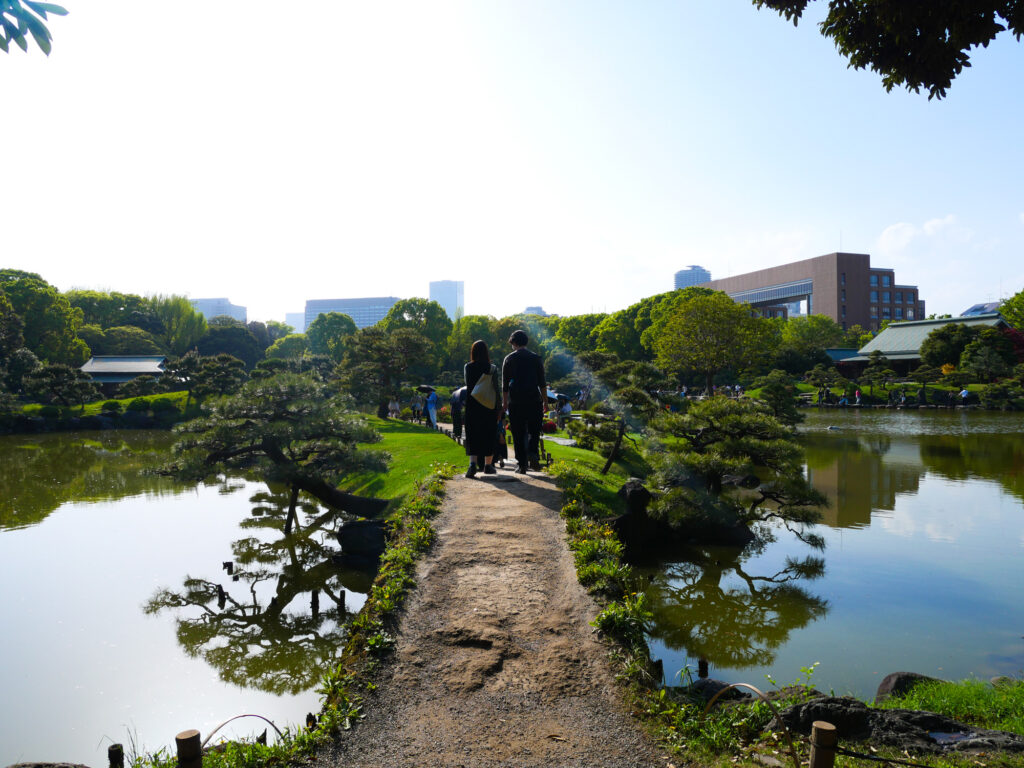
Just a four-minute walk from the station lies Kiyosumi Garden, a masterpiece of Meiji-era landscape design. The land was originally the villa of the wealthy merchant Kinokuniya Bunzaemon, and was later purchased by Iwasaki Yatarō, the founder of the Mitsubishi zaibatsu. Following the Kanto earthquake, the family donated the estate to the city of Tokyo. For a nominal fee, visitors can traverse the stone causeways that arch over the central pond, offering a moment of Zen that feels lightyears away from the Tokyo metro.
Tomioka Hachiman-gū and the Birth of Sumo
The neighboring district of Tomioka houses the largest Hachiman shrine in Edo. Beyond its religious significance, the shrine is a pilgrimage site for sumo fans. It is widely recognized as the birthplace of professional sumo, and its grounds contain the Yokozuna Monument, which lists the names of every champion from the sport’s inception to the modern day.
Implications for the Future of Travel in Japan
The rise of Kiyosumi-Shirakawa as a cultural destination carries significant implications for the broader Japanese travel industry. It serves as a case study in how neighborhoods can pivot from industrial decline to cultural vibrancy without losing their local character.
Combating Overtourism
The current discourse surrounding Japanese tourism often focuses on "overtourism." However, as many experts and seasoned travelers have noted, the problem is not a lack of capacity, but a "too many people in the same place" problem. By directing interest toward neighborhoods like Kiyosumi-Shirakawa, the travel industry can effectively redistribute foot traffic, reduce the strain on primary hubs like Shinjuku, and provide a more meaningful, sustainable experience for both the visitor and the local resident.
The Value of "Unseen" Spaces
As we look toward the future of global travel, the emphasis is shifting away from the "bucket list" of iconic landmarks toward the discovery of "unseen" spaces. Kiyosumi-Shirakawa is not a museum piece; it is a living, breathing neighborhood where the history of the samurai, the legacy of the zaibatsu, and the modern global coffee culture coexist in a single, quiet block.
For those planning their next trip to Japan, the lesson is clear: the most profound experiences are often found at the end of a subway line that most tourists never consider taking. Whether you are walking the gardens once owned by the titans of industry, or simply sitting in a high-ceilinged warehouse sipping a perfect pour-over, this neighborhood reminds us that Tokyo is not a city to be seen—it is a city to be felt, explored, and understood, one block at a time.
For travelers seeking to navigate these layers of history and modern life, the aid of a local guide can be invaluable. Organizations like Unseen Japan Tours provide custom-tailored itineraries that prioritize depth over breadth, allowing visitors to unlock the stories hidden behind the quiet, unassuming facades of neighborhoods like Kiyosumi-Shirakawa. In an era where travel is increasingly standardized, finding the places that haven’t yet been fully "seen" is the ultimate luxury.












No comments yet. Be the first to join the conversation!