In an increasingly competitive global job market, the traditional resume has undergone a radical transformation. Gone are the days of sterile, text-heavy documents that fail to distinguish candidates from a sea of applicants. Today, a resume is not merely a list of work history; it is a sophisticated marketing tool designed to capture the attention of recruiters within seconds. As artificial intelligence and applicant tracking systems (ATS) become the gatekeepers of the hiring process, job seekers are turning to modern, professionally designed resume templates to ensure their credentials stand out.

The Modern Resume: A Strategic Tool for Career Growth
The primary objective of a resume is to secure an interview. However, in an era where HR managers spend an average of six to ten seconds scanning a document before deciding whether to move it to the "keep" or "discard" pile, the visual presentation is as critical as the content itself.

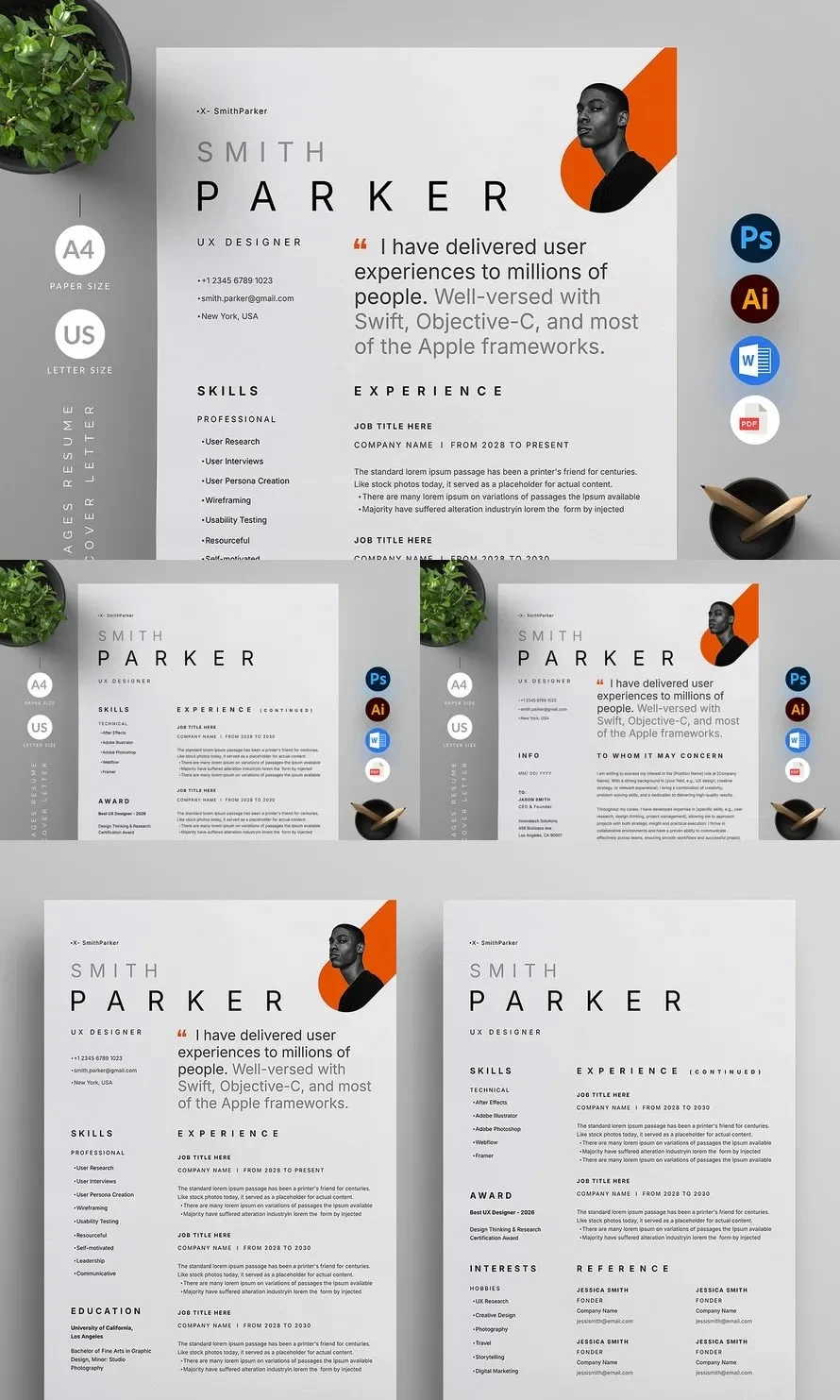
Modern resume templates are engineered to address this reality. By utilizing clean layouts, strategic whitespace, and intuitive typography, these designs guide the reader’s eye to the most pertinent information: your core competencies, career achievements, and educational background. Whether you are a student transitioning into your first role, a fresh graduate navigating entry-level positions, or an experienced professional seeking an executive transition, the right template acts as a bridge between your skills and the recruiter’s needs.

Chronology of the Modern Resume Design
The shift toward modern, aesthetically pleasing resumes did not happen overnight. The evolution can be categorized into three distinct phases:

- The Pre-Digital Era (Pre-2000s): Resumes were rigid, typed on typewriters or early word processors, and strictly followed a chronological format. Design was nonexistent, and the focus was entirely on brevity and basic contact information.
- The Digital Standardization (2000–2015): With the rise of Microsoft Word and PDF distribution, resumes became more accessible. However, this also led to a cluttered landscape where many candidates relied on outdated "Times New Roman" templates that lacked personality or strategic visual hierarchy.
- The Modern Design Revolution (2016–Present): With the advent of platforms like Creative Market and the integration of advanced design software, the "Modern Resume" was born. This phase emphasizes "scannability." Templates now incorporate infographic elements, color-coded skill bars, and modular layouts that allow for easy customization without sacrificing professional credibility.
Supporting Data: The Impact of Visual Presentation
Research consistently suggests that visual layout significantly impacts a recruiter’s perception of a candidate. According to recruitment industry studies, resumes with a clean, modern design are rated higher in "professionalism" and "readability" than those formatted as basic, unformatted text documents.

- Readability: A well-structured template uses headers and bullet points to break up dense blocks of text, allowing recruiters to identify key accomplishments quickly.
- The ATS Factor: Modern templates are now specifically crafted to be "ATS-friendly." By using standard fonts and clean, structured sections, these templates ensure that the applicant tracking software can successfully parse the candidate’s data, ensuring the application actually reaches human eyes.
- The "First Impression" Bias: Psychological studies indicate that aesthetics influence cognitive processing. A visually balanced resume implies that the candidate is organized, detail-oriented, and capable of clear communication—traits highly prized in modern corporate environments.
Official Guidance and Professional Standards
While creativity is encouraged in design, there remains a fine line between "modern" and "distracting." Career experts emphasize that the most effective resume is one that balances form and function.

"A resume gets you the interview. Confidence gets you the job," notes Muhammad Faisal, founder of Graphic Design Junction. This sentiment is echoed across the HR industry, where the prevailing advice is to choose a template that reflects the industry you are applying for. For instance, a creative role in marketing or graphic design might benefit from a layout with bold color accents and unique typography, whereas a position in law or finance requires a more conservative, minimalist approach.

If you are struggling to craft a document that strikes this balance, professional resume editing and redesign services are becoming an essential resource. By having a third party audit your resume for content and visual structure, you ensure that your application is optimized for both human readability and technical compliance.

The Implications of Using Professional Templates
Choosing to invest in a high-quality, modern template has several long-term implications for your career trajectory:

1. Improved Conversion Rates
A professionally designed resume often leads to a higher interview-to-application ratio. By eliminating visual friction, you increase the likelihood that a recruiter will fully digest your value proposition.

2. Time Efficiency for Job Seekers
One of the greatest advantages of using pre-built templates is the ability to edit and update your information in minutes. In a fast-paced job market, the ability to tailor your resume for a specific job posting on short notice can be the difference between getting an interview and being overlooked.

3. Maintaining Brand Consistency
Many modern templates come as part of a "branding kit," which often includes matching cover letter designs and portfolio layouts. Presenting a cohesive brand identity across all application materials demonstrates a level of professionalism that sets you apart from competitors who use disjointed, mismatched documents.

Choosing the Right Template for Your Career Path
The marketplace is flooded with thousands of options, but not every design is suitable for every candidate. When selecting your template, consider the following:

- The "Clean Design" Rule: Regardless of the style, ensure there is ample whitespace. A crowded, text-heavy page is a sign of a lack of prioritization.
- Software Compatibility: Ensure the template is compatible with the software you are most comfortable using, whether it is Microsoft Word, Adobe Photoshop, or Canva. A template is only as good as your ability to edit it effectively.
- Relevance: Select a template that aligns with your professional identity. If you are an accountant, choose a template that emphasizes structure and precision. If you are a designer, choose one that showcases your ability to organize visual elements.
Final Recommendations: Beyond the Template
While a template is a powerful starting point, it is not a "set it and forget it" solution. Once you have downloaded your chosen design, take these steps to maximize its impact:

- Rigorous Proofreading: A beautiful design cannot save a document filled with spelling or grammatical errors. Before submitting, review your content multiple times, or use professional editing tools.
- Tailoring Content: Do not use the same version of your resume for every job. Use the template to create a "master" resume, then create specialized versions that highlight the skills and experiences most relevant to each specific job description.
- Final Exporting: Always export your final resume as a PDF. This preserves your formatting across different devices and prevents accidental edits during the recruitment process.
Conclusion
The modern resume is a vital intersection of design and data. By utilizing modern, well-structured templates, job seekers can effectively showcase their qualifications in a format that resonates with contemporary hiring standards. Whether you opt for a creative layout or a minimalist design, the ultimate goal remains the same: to present yourself as a polished, professional, and prepared candidate.

As you navigate your career path, remember that your resume is a living document. Continually update it, refine it, and ensure that the template you choose reflects the evolution of your skills and ambitions. By investing in the presentation of your professional narrative, you are not just applying for a job; you are positioning yourself as a candidate worthy of the role.

For those seeking to elevate their professional presence, consider exploring our extensive library of resources at Graphic Design Junction. From modern resume templates to comprehensive design assets, we provide the tools necessary to make your application truly unforgettable. If you require personalized assistance, our professional resume editing and redesign services are ready to help you take the next step in your career. Contact us today at [email protected] to get started.