As the calendar turns to late August, the global "back-to-school" sentiment begins to permeate popular culture. In the realm of Japanese animation, the school setting is more than just a backdrop; it is a foundational pillar of the medium. While contemporary audiences are currently immersed in the high-stakes heroics of My Hero Academia or the satirical sorcery of MASHLE: MAGIC & MUSCLES, the genre’s richness is best understood through its historical trajectory.
To truly appreciate the "school anime" phenomenon, one must look beyond the current seasonal hits. By examining three pivotal works—Project A-ko (1986), GTO: Great Teacher Onizuka (1999), and Little Witch Academia (2013)—we can trace the evolution of how anime utilizes the educational environment to explore themes of rivalry, social reform, and the preservation of wonder.
Main Facts: Redefining the Classroom
The selection of Project A-ko, GTO, and Little Witch Academia represents three distinct eras of production and three unique approaches to the "academic" experience.
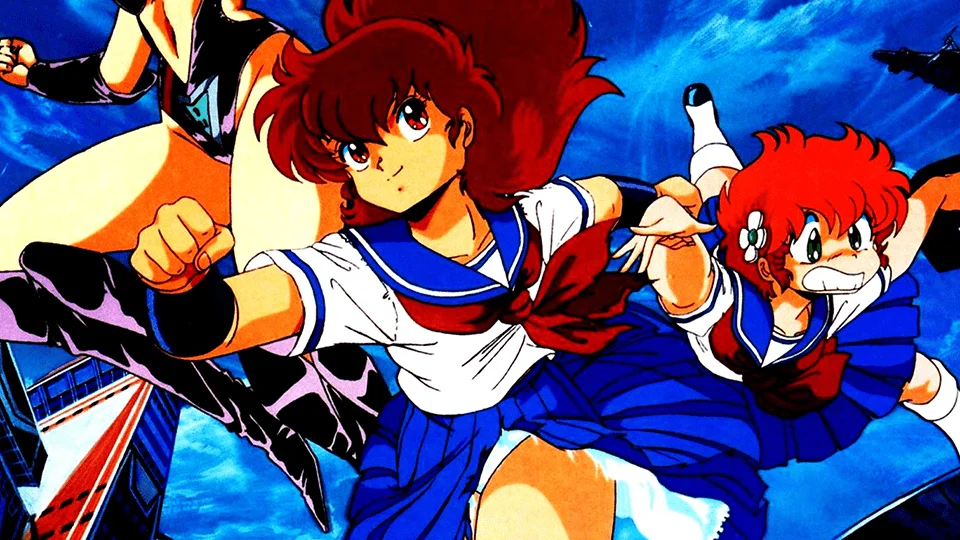
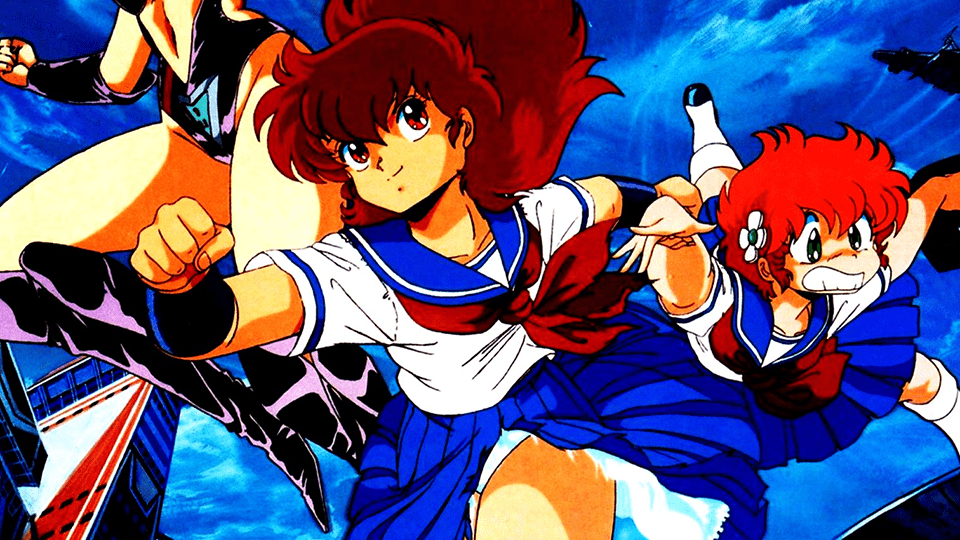
- Project A-ko serves as the quintessential 1980s OVA (Original Video Animation) powerhouse, blending slapstick comedy with high-octane science fiction.
- GTO: Great Teacher Onizuka stands as a landmark of late-90s social commentary, challenging the rigid structures of the Japanese educational system through the lens of a former gang leader.
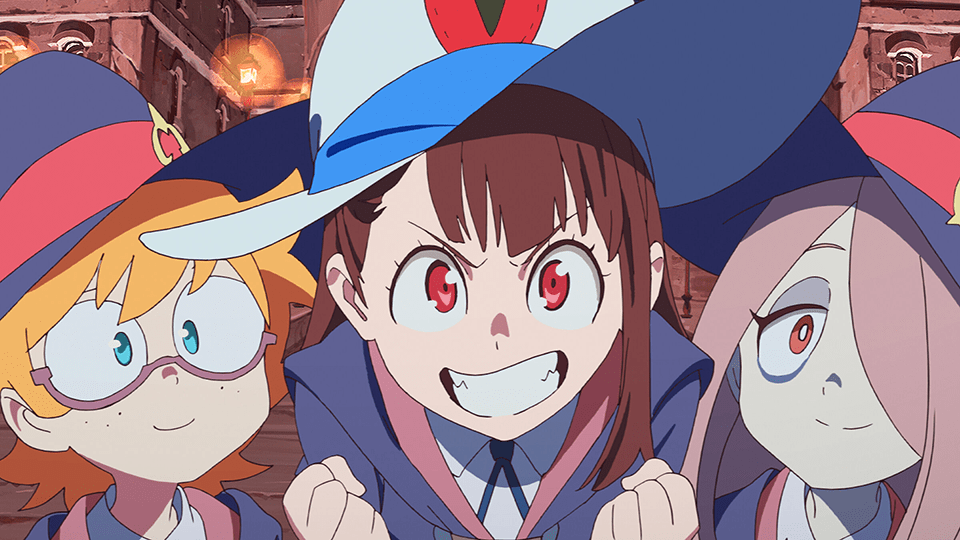
- Little Witch Academia represents the modern "renaissance" of Studio Trigger, moving away from cynical deconstruction toward a "cozy" yet ambitious celebration of aspiration and magic.
These series do not merely depict students sitting at desks; they transform the school into a battleground for personal identity, social upheaval, and the literal survival of magic in a modernizing world.
Chronology of Influence: From the 80s Boom to Modern Magic
1986: The Birth of the Super-Powered Schoolgirl
In the mid-1980s, the anime industry was experiencing a surge in the OVA market, allowing for experimental content that didn’t always fit the strictures of broadcast television. Project A-ko was released in 1986, directed by Katsuhiko Nishijima. Originally conceived as a more adult-oriented installment for the Cream Lemon series, the production team recognized the potential for a broader, high-energy action-comedy. The result was a film that parodied the popular tropes of the time—specifically mecha and "magical girl" aesthetics—while establishing a new standard for fluid, high-budget animation.
1999: The Delinquent Educator
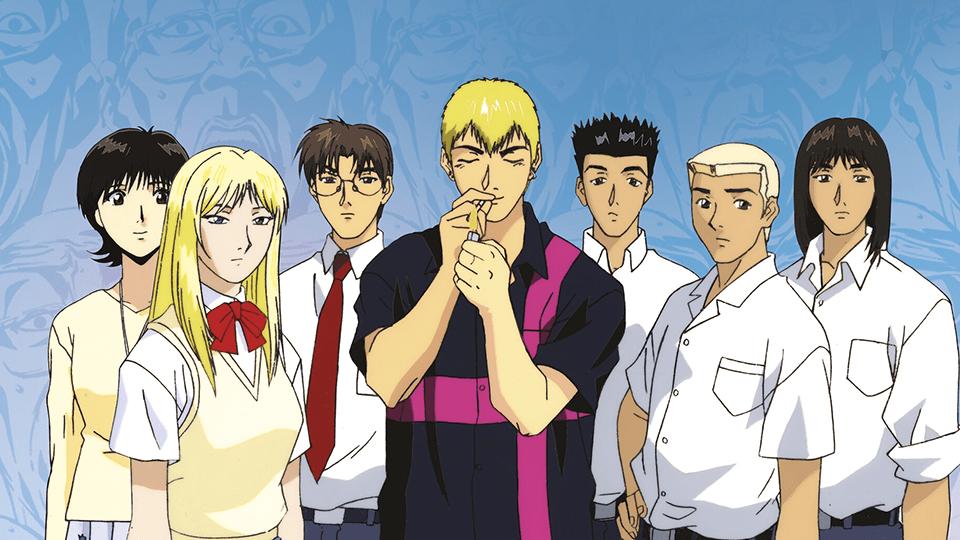
By the late 90s, the "Lost Decade" in Japan had fostered a sense of disillusionment with traditional institutions. GTO: Great Teacher Onizuka, based on the manga by Toru Fujisawa, premiered in 1999. It arrived at a time when the "delinquent" (yankee) subculture was being re-examined in media. The series introduced Eikichi Onizuka, a character who represented the antithesis of the "salaryman" teacher, offering a raw, unorthodox approach to mentorship that resonated with a generation feeling suffocated by academic pressure.
2013–2017: The Global Crowd-Sourced Sensation
Little Witch Academia began as a short film for the "Anime Mirai 2013" project, an initiative to train young animators. Produced by Studio Trigger and directed by Yoh Yoshinari, its success led to a record-breaking Kickstarter campaign for a sequel and eventually a full-length television series in 2017. It marked a shift in how anime was funded and distributed, proving that international demand for "wholesome" but high-quality school narratives was at an all-time high.
Supporting Data: Deep Dives into the Curriculum
Project A-ko: A Masterclass in 80s Excess
Project A-ko centers on A-ko Magami and her ditzy friend C-ko. The conflict arises from B-ko Daitokuji, a wealthy, genius classmate who is pathologically obsessed with C-ko and views A-ko as a rival.

- Genre-Blending: While the setting is a standard high school, the narrative frequently detours into alien invasions and mecha combat. B-ko utilizes her family’s vast fortune to construct powered exoskeletons just to settle schoolyard grudges.
- Technical Achievement: For its time, the animation was revolutionary. The fluid motion and detailed mechanical designs influenced decades of "battle school" anime.
- Legacy: It remains a cult classic in the West, often cited as one of the "gateway" titles for early anime fans in the US during the VHS era.
GTO: The Philosophy of Unconventional Mentorship
Great Teacher Onizuka follows 22-year-old Eikichi Onizuka, a former biker gang leader whose motivation for teaching is initially questionable: he wants to meet high school girls. However, as he is assigned to the most problematic class in Holy Forest Academy, his true character emerges.
- Social Critique: The series tackles heavy subjects such as bullying, student-teacher power dynamics, and parental neglect. Onizuka solves these problems not through textbooks, but through "life lessons" that often involve extreme, near-illegal stunts.
- Character Archetype: Onizuka paved the way for the "unconventional hero" in school settings. Unlike his contemporary in Gokusen (Kumiko Yamaguchi), who hides her yakuza ties to be a "proper" teacher, Onizuka uses his street-hardened past as his primary pedagogical tool.
- Iconic Status: The opening theme, "Driver’s High" by L’Arc-en-Ciel, remains one of the most recognizable anthems in anime history.
Little Witch Academia: Restoring the Sense of Wonder
Set at the Luna Nova Magical Academy, the series follows Atsuko "Akko" Kagari, a girl from a non-magical background who dreams of becoming a witch like her idol, Shiny Chariot.
- Thematic Depth: Beyond the "magic school" tropes, the series explores the decline of magic in a world dominated by technology and rationalism. Akko’s struggle is not just to learn spells, but to prove that "a believing heart is your magic."
- Visual Language: Yoh Yoshinari’s style is distinctively "rubbery" and expressive, drawing more from Western "golden age" animation than the rigid lines of traditional anime.
- Modern Sensibility: It avoids the "fan service" common in many school-centric shows, focusing instead on female friendship, professional ambition, and the burden of legacy.
Official Responses and Critical Reception
The reception of these titles highlights their enduring impact on the global anime community.
Project A-ko was hailed by critics in the 80s for its "anarchic energy." Reviewers from Anime News Network have noted that while the plot is thin, its role as a parody of the Macross and Gundam eras makes it a historical treasure trove. It currently holds a legacy status as a "must-watch" for students of animation history.
GTO was a commercial juggernaut. The manga has over 50 million copies in circulation, and the anime consistently ranks in the "Top 50 Anime of All Time" on platforms like MyAnimeList. Critics praise its "crude but heart-of-gold" protagonist, noting that Onizuka remains one of the most relatable adult characters in a medium dominated by teenagers.
Little Witch Academia received universal acclaim for its "pure-hearted" storytelling. The Verge described it as "the most joyful anime in years." Its success on Netflix helped solidify the streaming giant’s commitment to exclusive anime licensing, proving that "niche" projects from studios like Trigger could find a massive global audience.
Implications: Why the "School" Setting Endures
The persistence of the school setting in anime—and the continued relevance of these three series—points to several broader implications for the medium and its audience.
The School as a Microcosm
For the target demographic (shonen and shojo), the school is the entirety of their social world. By placing supernatural or extreme elements within these familiar walls, creators can explore adult themes—responsibility, class warfare, and systemic corruption—within a framework that young viewers understand. Project A-ko uses the school to explore the intensity of adolescent friendships, while GTO uses it to critique the very society the students are being prepared to enter.
The Evolution of "Power"
In Project A-ko, power is physical and mechanical. In GTO, power is moral and emotional resilience. In Little Witch Academia, power is the ability to maintain hope in a cynical world. This shift reflects the changing anxieties of the audience over four decades: from the technological optimism/fear of the 80s to the social disillusionment of the 90s, and finally to the search for meaning and "magic" in the digital age.
Educational Escapism
As students return to their real-world classrooms, these series offer a form of "aspirational escapism." They suggest that the mundane routine of lectures and exams can be interrupted by the extraordinary—whether that is an alien spy, a teacher who actually cares, or a hidden world of magic.
In conclusion, while My Hero Academia may currently hold the spotlight, the foundations laid by Project A-ko, GTO, and Little Witch Academia continue to define the "back-to-school" genre. They remind us that education is not merely about the acquisition of facts, but about the explosive, messy, and occasionally magical process of growing up. For any fan looking to enrich their seasonal watchlist, these three classics offer a curriculum that is as entertaining as it is essential.