Lina Hope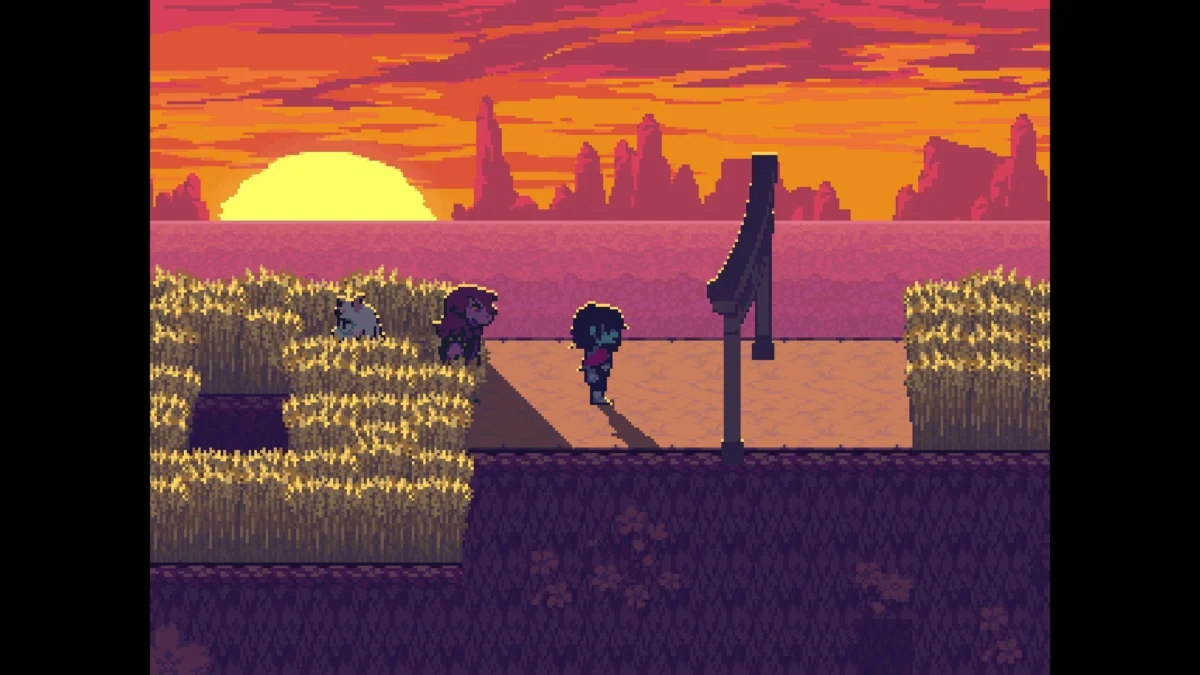
Since the unexpected shadow-drop of Deltarune Chapter 1 in 2018, Toby Fox’s follow-up to the legendary Undertale has transformed from a curious experiment into a cultural phenomenon. As of June 2026, the release of Chapter 5 has set new benchmarks for independent game launches, proving that the patient, methodical approach taken by Fox and his small development team is paying off in dividends.
This comprehensive report examines the trajectory of the Deltarune project, the significance of the latest chapter, and what the future holds for this genre-defying series.
The Genesis and Evolution: A Chronology of Chaos
To understand the current state of Deltarune, one must look back at the unconventional development cycle that has defined it. Unlike typical AAA titles, Deltarune has been released in episodic chunks, allowing the narrative to evolve in conversation with its community.
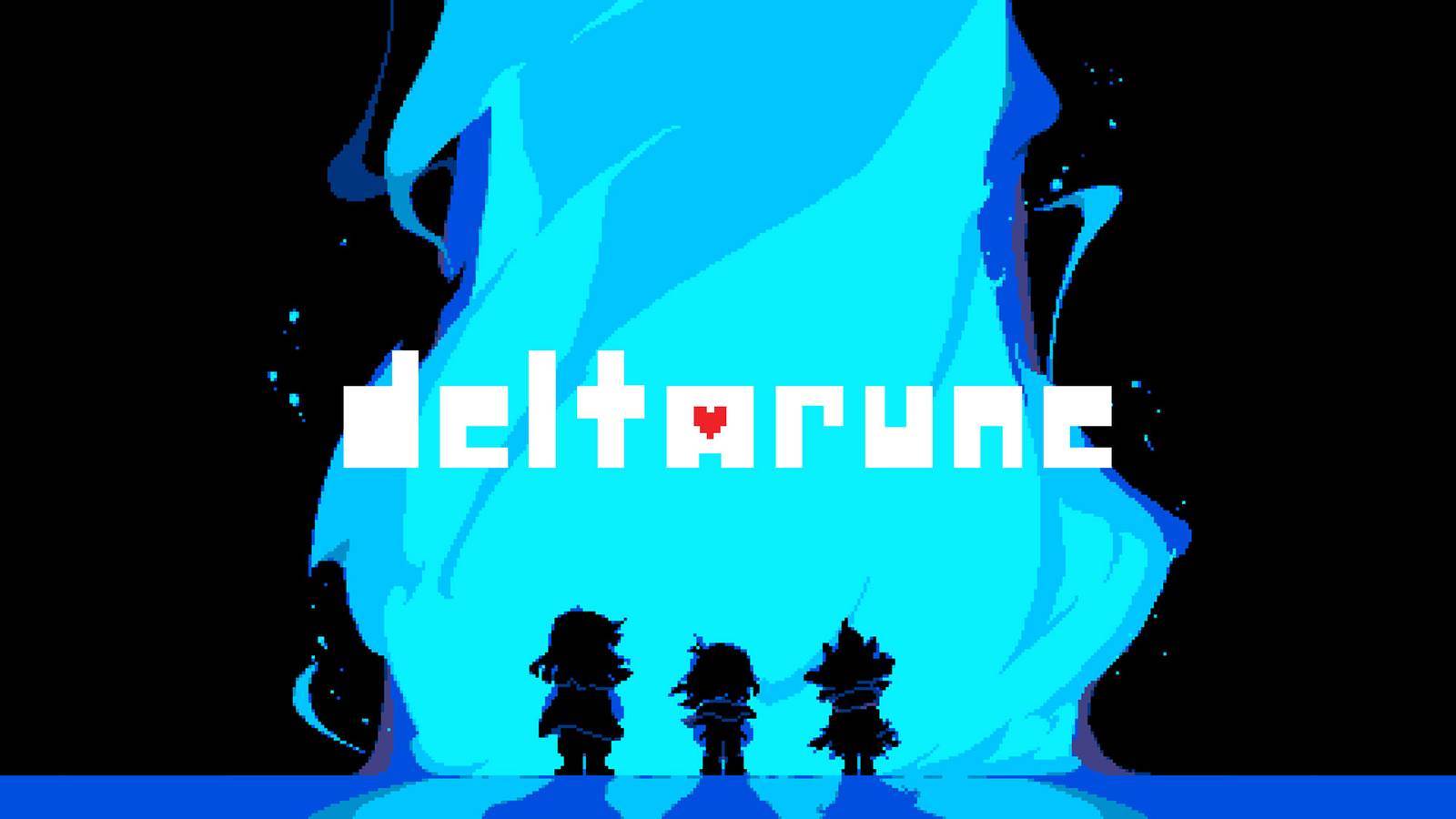
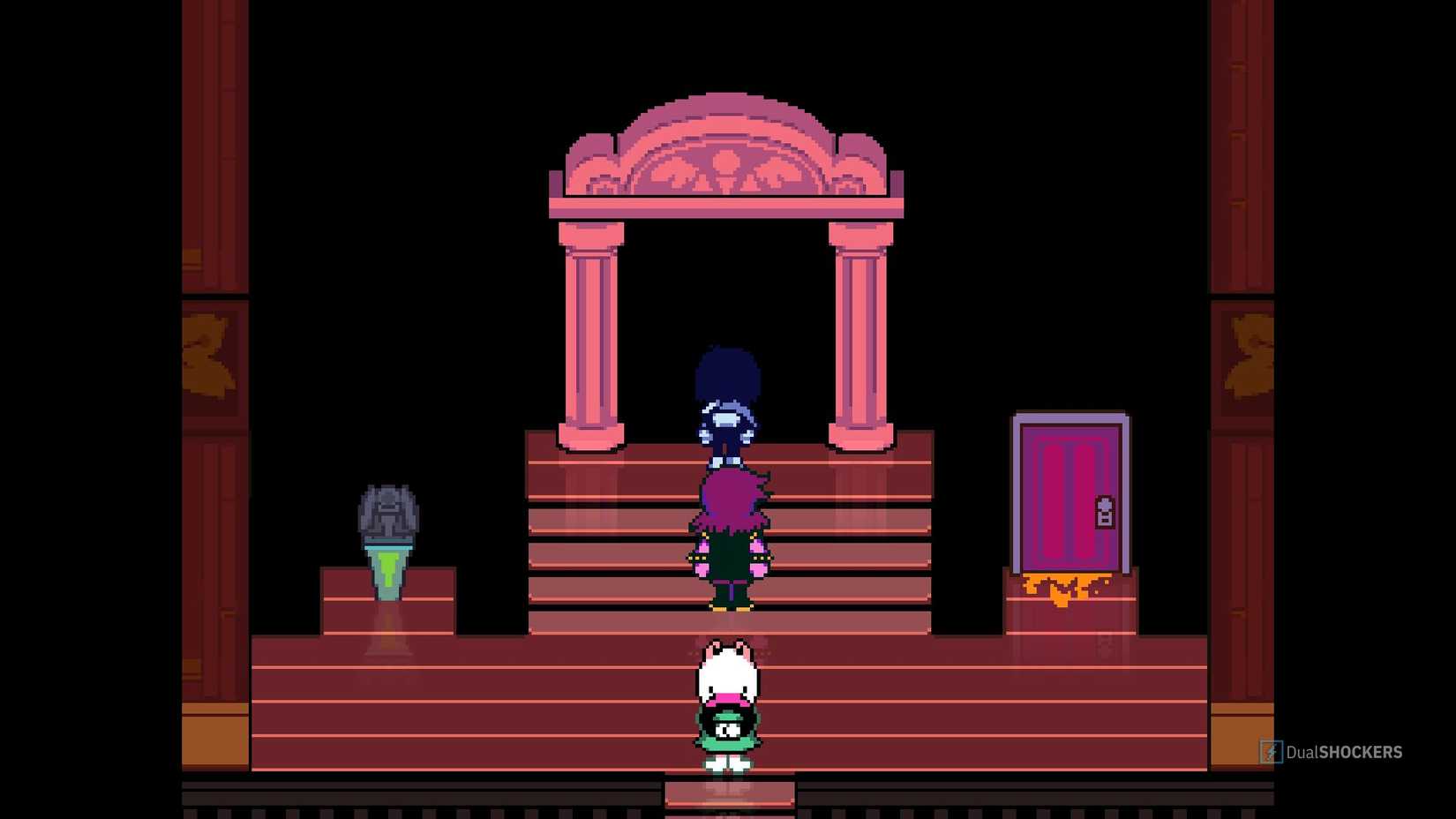
- October 2018: The surprise release of Chapter 1 shocked the gaming world, appearing without marketing fanfare. It established the core mechanics—a party-based RPG system—and introduced players to the world of Kris, Susie, and Ralsei.
- September 2021: After a three-year hiatus, Chapter 2 arrived, expanding the world significantly and introducing the "Cyber World" aesthetic. This release solidified the game’s reputation for meta-narrative complexity and innovative combat.
- 2022–2025: A period of relative silence followed, marked by periodic "State of the Newsletter" updates. Fox emphasized that the team was growing, transitioning from a solo project to a collaborative effort to expedite the development of the remaining chapters.
- 2026: The acceleration of development became evident. Post-COVID production pipelines matured, resulting in an unprecedented string of releases culminating in the arrival of Chapter 5 in late June.
Supporting Data: A Record-Breaking Launch
The launch of Chapter 5 in June 2026 has shattered previous internal records. According to industry tracking, the chapter surpassed 200,000 concurrent players within the first 24 hours of its release—a staggering figure for an episodic indie game.
Performance Metrics
| Metric | Chapter 1 (2018) | Chapter 5 (2026) |
|---|---|---|
| Day 1 Concurrents | ~50,000 | ~200,000+ |
| Player Sentiment | High (Critical Acclaim) | Extremely High (Universal) |
| Community Engagement | Moderate (Theory Crafting) | Massive (Integrated Hubs) |
This surge in popularity is attributed to the "compounding effect" of the series. As each chapter releases, the narrative web tightens, drawing in both veteran Undertale fans and a new generation of players who have been waiting for the complete arc to take shape.
The Creative Philosophy: Breaking the Norm
Toby Fox has always been a proponent of subverting player expectations. Deltarune does not merely iterate on the "bullet hell" mechanics of Undertale; it dismantles the standard RPG structure. By implementing a party system, the game shifts the focus from individual survival to interpersonal dynamics, forcing players to manage the needs of their companions while navigating a world that constantly questions the player’s agency.

The team’s commitment to "cooking" the content—ensuring each chapter meets a high bar of polish and creative surprise—has created a unique market position. While other studios push for annual releases, the Deltarune team has opted for quality over velocity, a gamble that has clearly paid off in terms of player trust and brand loyalty.
Official Responses and Industry Impact
Industry analysts have been quick to praise the Deltarune release strategy. In a recent press briefing, experts noted that the "episodic-by-choice" model serves as a blueprint for indie developers who lack the resources for massive, open-world development but possess the creative vision to sustain long-term engagement.
While Toby Fox himself has remained characteristically humble regarding the success, the development team has acknowledged the immense pressure of living up to the Undertale legacy. In a statement released shortly after the launch of Chapter 5, the team noted:
"Developing Deltarune has been an odyssey of learning. We are grateful for the patience of our community. Seeing the reaction to this latest chapter validates the years of late nights and careful iteration. We are already looking ahead to the next phase of the story."
Future Implications: What Comes Next?
The release of Chapter 5 is not the end of the road; rather, it represents the turning point toward the series’ conclusion. However, as the narrative stakes escalate, the development team faces the challenge of maintaining the "small team" soul of the project while managing an increasingly complex production pipeline.
The "Evergreen" Hub Strategy
With the release of Chapter 5, the developer has officially launched a comprehensive community hub. This resource serves several purposes:
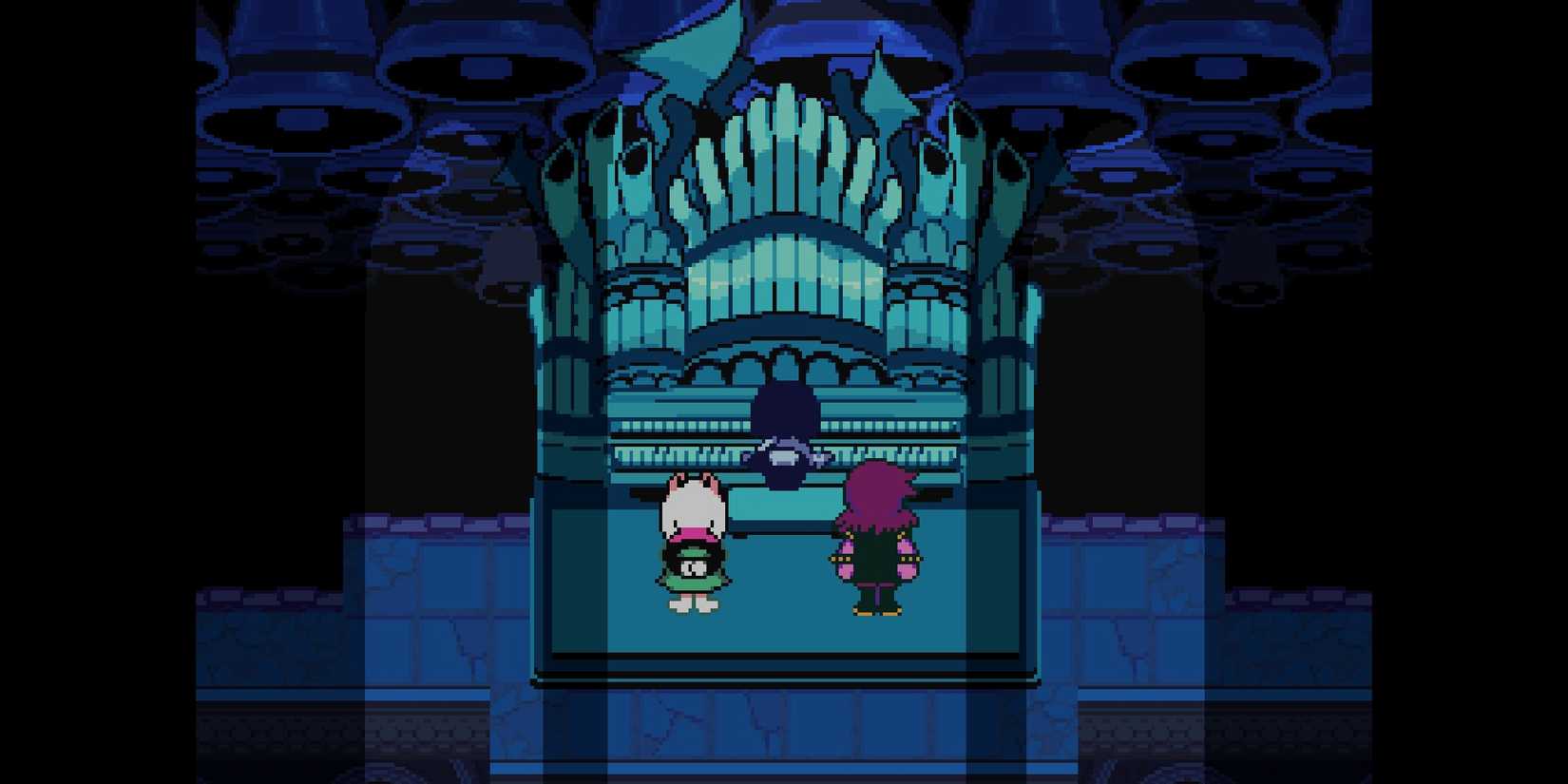
- Consolidation: Aggregating lore and mechanics from all five chapters.
- Accessibility: Providing guides for players who find the game’s difficulty spikes challenging.
- Community Archiving: Acting as a central repository for the massive amount of fan theories and secrets that the Deltarune community is famous for uncovering.
A Work-in-Progress: The Road Ahead
It is vital for the community to recognize that Deltarune is still an evolving entity. The sheer density of secrets—ranging from hidden boss encounters to subtle environmental storytelling—means that the full scope of the game is still being uncovered.
As we look toward the future, the primary question remains: How will the choices made in these early chapters influence the endgame? Unlike Undertale, which focused on the binary of mercy versus violence, Deltarune implies a more complex web of causality. The developers have promised that the "work-in-progress" nature of these hubs will continue, with ongoing updates planned to reflect new discoveries and potential patches as the game continues to scale.
Final Reflections
Deltarune is more than just a game; it is a collaborative dialogue between the creator and the player. By choosing to release the game in segments, Toby Fox has turned the act of "waiting" into a shared experience. As we move past the excitement of Chapter 5, the focus shifts to the inevitable mystery of what lies in the chapters to come.
For those who have yet to dive in, or for the seasoned veterans currently dissecting the latest content, one thing is clear: the world of Deltarune is the most significant indie project of this decade. Its success serves as a powerful reminder that when a creator is given the time to realize their vision, the result is something that transcends the screen and becomes a permanent part of the gaming landscape.
As the project continues to unfold, our commitment at this hub is to remain a primary source for all things Deltarune. Whether it is deep-dive lore analysis, technical walkthroughs, or breaking news on the next chapter, we will continue to document the journey until the curtain finally falls.
Note: This article is a living document. As more content becomes available and the narrative of Deltarune continues to expand, we will provide updates, revisions, and further insights into the world of the Darkners.


 Asro
Asro
 Muslim