

In an increasingly interconnected world, the allure of shared experiences transcends geographical boundaries, finding a vibrant new home in the palm of our hands. Mobile gaming, once a solitary pastime, has blossomed into a dynamic arena where players can engage in fierce competition, forge lasting alliances, and embark on cooperative adventures with friends and strangers alike. The convenience and ubiquity of Android devices have made them powerful conduits for these digital interactions, offering a diverse spectrum of multiplayer experiences that cater to every taste.
Whether the goal is to outwit opponents in a strategic card game, collaborate to solve intricate puzzles, or simply build fantastical worlds together, Android’s multiplayer offerings provide a level of engagement previously reserved for dedicated gaming consoles or PCs. This article delves into a curated selection of the finest multiplayer titles available on Android, exploring their unique contributions to the mobile gaming ecosystem and the profound ways they connect players across the globe.
The Rise of Mobile Connectivity: A Chronology of Social Play
The journey of mobile multiplayer has been one of continuous evolution. Early mobile games often featured rudimentary local multiplayer via Bluetooth or shared screens, a novelty that hinted at greater potential. As smartphone technology advanced, alongside the proliferation of high-speed internet and robust cloud infrastructure, true online multiplayer became a reality. This chronological progression saw mobile games shift from simple, self-contained experiences to complex, persistent online worlds capable of hosting millions of simultaneous players. Developers invested heavily in optimizing network code, implementing sophisticated matchmaking systems, and fostering in-game communities, transforming the mobile device from a personal entertainment unit into a portal for global interaction. Today, the lines between mobile, console, and PC gaming are increasingly blurred, with many titles offering seamless cross-platform play, further enhancing the social fabric of digital entertainment.
A Curated Selection: Our Top Android Multiplayer Experiences
From expansive open-world builders to intense tactical shooters, the following games represent the pinnacle of Android multiplayer, each offering distinct opportunities for connection and challenge.
Minecraft: The Ubiquitous Sandbox of Shared Worlds
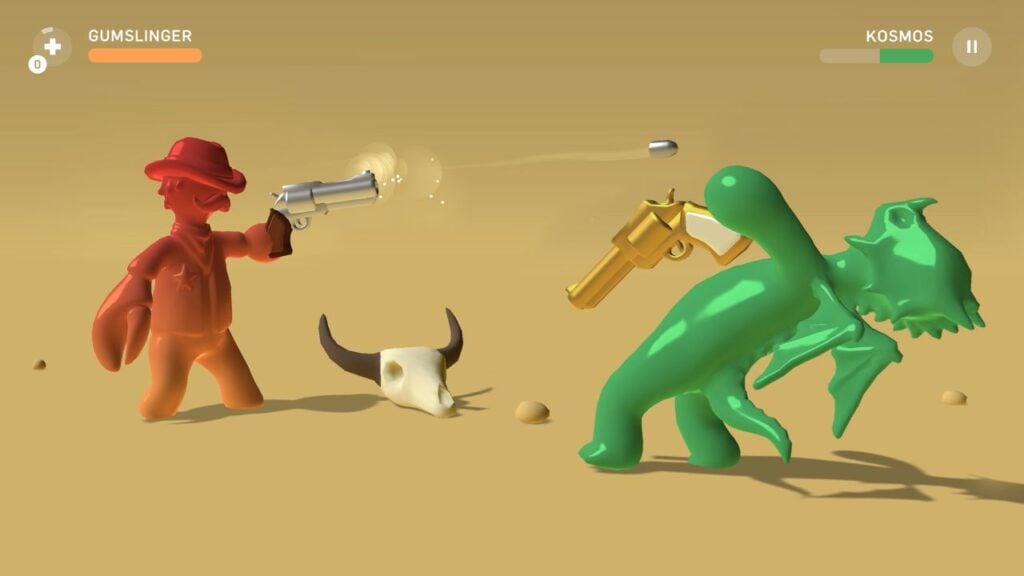
Main Facts: Minecraft hardly needs an introduction. It’s a global phenomenon, a sandbox game where players can build, explore, craft, and survive in procedurally generated worlds. Its core appeal lies in unbounded creativity and emergent gameplay. On Android, Minecraft offers a robust multiplayer experience, allowing friends to explore, construct, and adventure together in their shared digital realms.
Chronology: Originally released in 2011, Minecraft quickly transcended its indie roots to become one of the best-selling video games of all time. The Pocket Edition (later simply Minecraft) brought the experience to mobile in 2011, and its multiplayer features have steadily improved, integrating seamlessly with Bedrock Edition across various platforms. Major updates consistently introduce new biomes, creatures, blocks, and gameplay mechanics, keeping the shared worlds fresh and engaging for its massive player base. The community’s ingenuity even led to projects like PojavLauncher, enabling Java Edition functionality on Android, albeit with performance caveats, demonstrating the desire for even deeper customization.

Supporting Data: The game’s multiplayer is incredibly versatile, supporting both local co-op and online play through dedicated servers or Realms (subscription-based private servers). This flexibility allows for intimate building sessions with a few friends or participation in large, intricate community servers with complex economies, mini-games, and role-playing scenarios. The appeal is in its collaborative nature; players can pool resources, design elaborate structures, defend against nocturnal monsters, or embark on grand expeditions. The simple, block-based graphics belie a deep system of crafting, enchanting, and exploration that provides near-endless possibilities for group activities.
Official Responses: Mojang Studios, the developers, have consistently emphasized community and creativity as pillars of Minecraft. Their continued support for cross-platform play (Bedrock Edition) and the Realms service underscores their commitment to accessible multiplayer experiences, ensuring players can connect regardless of their device. They actively encourage modding and user-generated content, further empowering the community to shape their shared adventures.
Implications: Minecraft‘s success on Android highlights the demand for persistent, collaborative digital spaces. It proves that deep, open-ended experiences can thrive on mobile, fostering creativity and social interaction on an unprecedented scale. Its influence is seen in countless other sandbox and crafting games, solidifying its status as a benchmark for shared virtual worlds.
Gumslingers: A Wobbly Take on Battle Royale
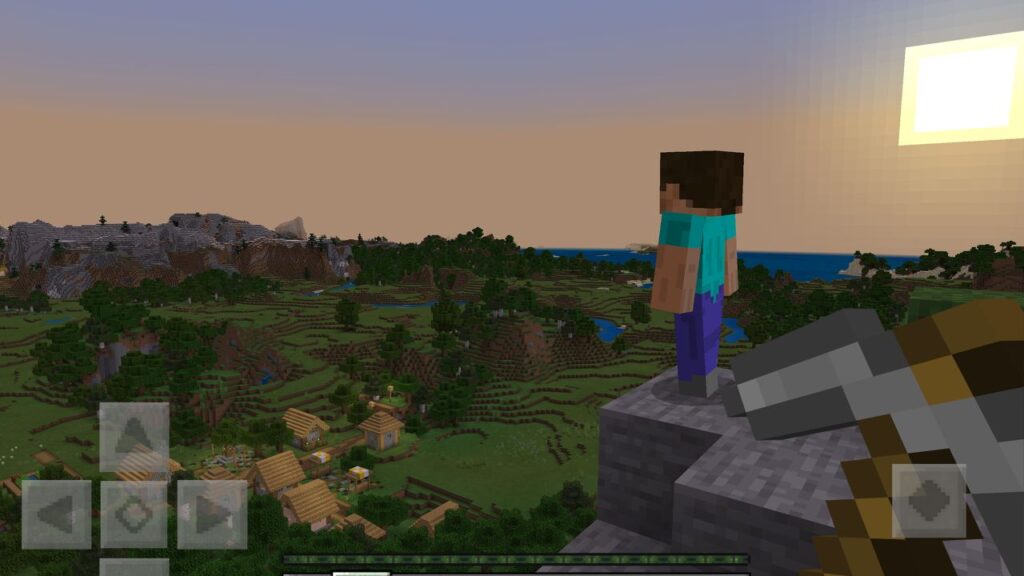
Main Facts: Gumslingers injects a whimsical, physics-based twist into the battle royale genre. Players control wobbly, gelatinous characters in a frantic, gummy-on-gummy shootout against up to 63 opponents. The goal remains classic battle royale: be the last one standing, but with a unique, bouncy aesthetic and surprisingly strategic aiming mechanics.
Chronology: Released as a fresh take on the crowded battle royale scene, Gumslingers quickly distinguished itself with its charming art style and accessible gameplay. Its mobile-first design ensures smooth performance and intuitive controls, making it easy for players to jump into quick, chaotic matches.
Supporting Data: Despite its lighthearted presentation, Gumslingers demands precision. Headshots are crucial, adding a layer of skill to the otherwise jovial brawls. What truly sets it apart from more demanding battle royales is the rapid restart mechanism, reducing downtime and encouraging players to immediately re-enter the fray. This design choice mitigates the frustration often associated with early eliminations in other games, fostering a more casual yet engaging competitive environment. The variety of gummy characters, each with distinct visual flair, adds a layer of personalization without overcomplicating gameplay.
Official Responses: The developers at Itatake likely aimed to create a more approachable and less intimidating battle royale, focusing on fun and instant gratification. The emphasis on quick restarts and a quirky aesthetic suggests a design philosophy centered on broad appeal and reducing barriers to entry often found in hardcore competitive titles.
Implications: Gumslingers demonstrates that mobile battle royales don’t have to be ultra-realistic or overly complex to be engaging. It carves out a niche by prioritizing quirky fun, immediate action, and a forgiving structure, making it an excellent choice for players seeking competitive thrills without the high stakes or lengthy commitments of its genre counterparts.
The Past Within: A Puzzle of Dual Perspectives
Main Facts: The Past Within offers a unique cooperative adventure that demands true teamwork. Two players, each with their own device and game copy, communicate to solve puzzles across different timelines – one in the past, the other in the future. This premise creates an innovative form of puzzle-solving where information sharing is paramount.
Chronology: Developed by Rusty Lake, known for their distinct point-and-click puzzle games, The Past Within launched in 2022, marking their first foray into cooperative multiplayer. Its design was specifically crafted around the concept of two distinct perspectives, leveraging the shared digital space for a novel interaction.
Supporting Data: The game’s brilliance lies in its communication-dependent gameplay. One player might describe an object or a symbol seen in their timeline, while the other must interpret that description and apply it to a different context in their own timeline. This requires clear verbal communication, keen observation, and logical deduction. The narrative unfolds through both perspectives, gradually revealing a mysterious story that can only be pieced together collaboratively. The inclusion of an official Discord server further facilitates this, providing a platform for players to find partners and discuss solutions, transforming the game into a social experience beyond its core mechanics.
Official Responses: Rusty Lake’s design philosophy for The Past Within clearly revolves around pushing the boundaries of cooperative storytelling and puzzle design. They’ve stated their intent to create a "true co-op experience" that goes beyond simply playing together, instead making collaboration fundamental to progression.
Implications: The Past Within sets a high bar for cooperative puzzle games on mobile, proving that synchronous, communication-heavy gameplay can be deeply engaging. It highlights the potential for mobile games to create intimate, shared intellectual challenges that strengthen social bonds through shared problem-solving, moving beyond traditional competitive or action-oriented multiplayer.
Shadow Fight Arena: Precision Combat on the Go
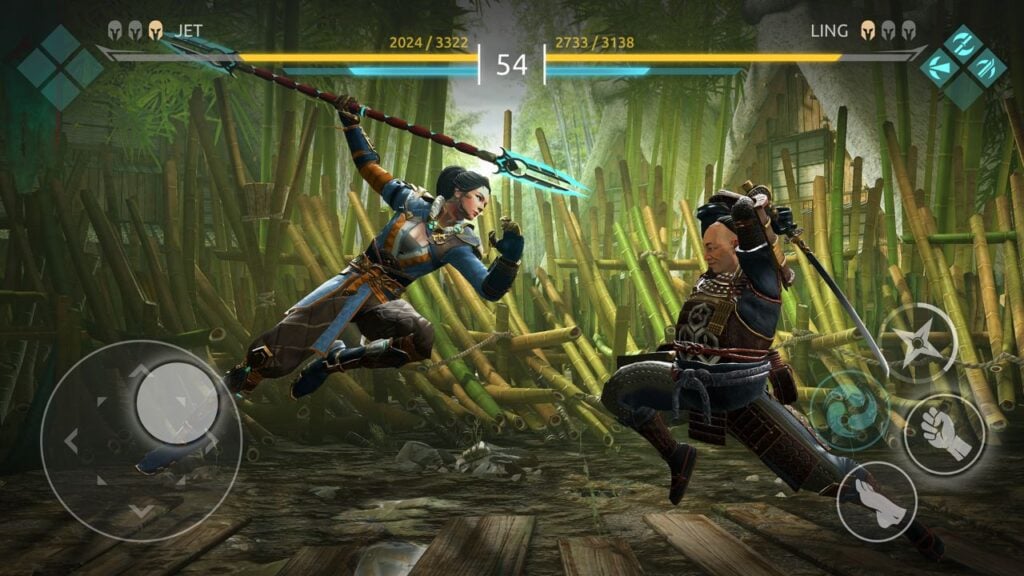
Main Facts: Shadow Fight Arena is a visually striking fighting game that emphasizes precise timing and strategic character abilities over complex button combos. Players engage in one-on-one battles against others, utilizing a roster of unique heroes with distinct fighting styles and shadow abilities.
Chronology: Building upon the popular Shadow Fight series, which started as a single-player experience, Shadow Fight Arena (also known as Shadow Fight 4) launched in 2020, specifically designed for competitive multiplayer. It brought the series’ signature animation quality and deep combat system to a dedicated PvP environment.
Supporting Data: The game’s combat system is remarkably accessible, focusing on well-timed attacks, blocks, and dodges rather than memorizing elaborate sequences. This makes it easy for newcomers to pick up, while still offering significant depth through character-specific abilities, special moves, and strategic equipment choices. The character designs are fluid and dynamic, rendered with impressive detail against gorgeously animated backdrops. While it operates on a free-to-play model, which comes with its inherent challenges regarding monetization, the core fighting mechanics are solid, providing a satisfying competitive experience. Regular updates introduce new heroes, game modes, and balance adjustments, keeping the meta fresh.
Official Responses: Nekki, the developers, have a long history with the Shadow Fight series, known for its emphasis on fluid animation and accessible yet deep combat. With Arena, their focus was clearly on translating this core experience into a viable and engaging multiplayer format, balancing competitive integrity with a mobile-friendly design.
Implications: Shadow Fight Arena demonstrates that traditional fighting games can be successfully adapted for mobile, offering a competitive environment that values skill and timing. It caters to players who appreciate the tactical depth of fighting games but prefer a more streamlined control scheme suited for touchscreens, carving out a significant niche in the mobile esports landscape.

Goose Goose Duck: Deception and Deduction with a Feathered Twist
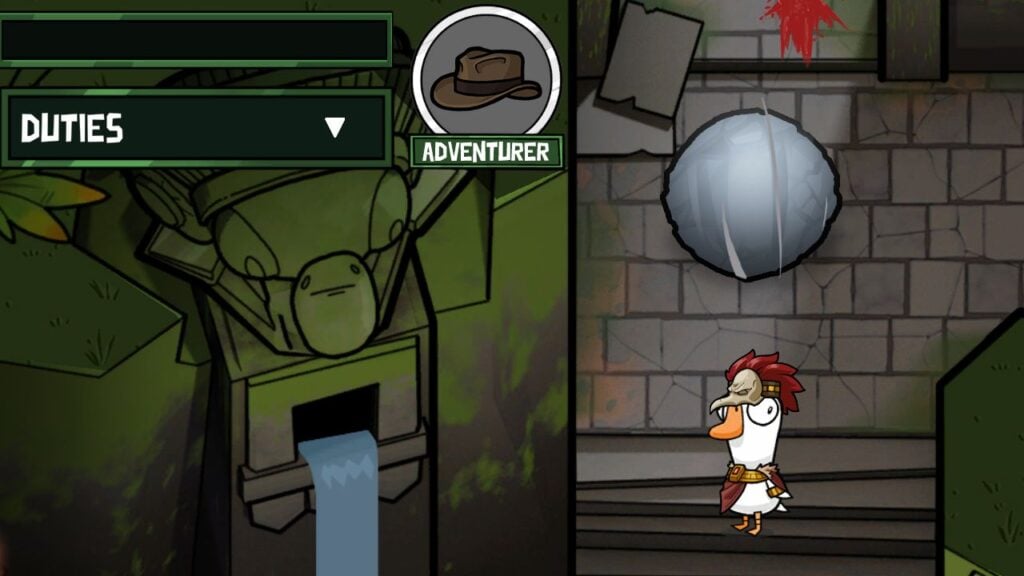
Main Facts: Goose Goose Duck takes the social deduction formula popularized by Among Us and expands upon it with greater complexity, more roles, and a distinct avian theme. Players, primarily as geese, must work together to complete tasks and identify malicious ducks (imposters) before they sabotage the mission or eliminate the flock.
Chronology: Capitalizing on the viral success of Among Us, Goose Goose Duck emerged as a richer, more elaborate alternative. It launched in 2021 and quickly gained traction, offering a deeper experience for players who had exhausted the possibilities of its predecessor. Its rapid growth led to significant server scaling and continuous content additions.
Supporting Data: The game’s core innovation lies in its extensive role system. Beyond basic geese and ducks, there are numerous specialized roles for both factions, each granting unique abilities, immunities, or objectives. For example, a "Bodyguard Goose" might protect another player, while a "Morphling Duck" can disguise themselves. This multitude of roles introduces layers of strategy, deception, and deduction, making each round unpredictable. Maps are often larger and more intricate, featuring environmental hazards and unique task types. The emphasis on voice chat further enhances the social interaction, making accusations and defenses more immediate and engaging.
Official Responses: Gaggle Studios clearly aimed to evolve the social deduction genre by introducing more variables and strategic depth. Their continued updates, adding new roles, maps, and cosmetic items, reflect a commitment to a living game that constantly offers new challenges and opportunities for player interaction and deception.
Implications: Goose Goose Duck showcases the evolution of social deduction games on mobile. It demonstrates that players are eager for more complex and varied experiences within popular genres, proving that innovation can build upon established successes. It fosters vibrant communities centered around strategic thinking, bluffing, and emergent storytelling.
Sky: Children Of The Light: A Serene Journey of Connection
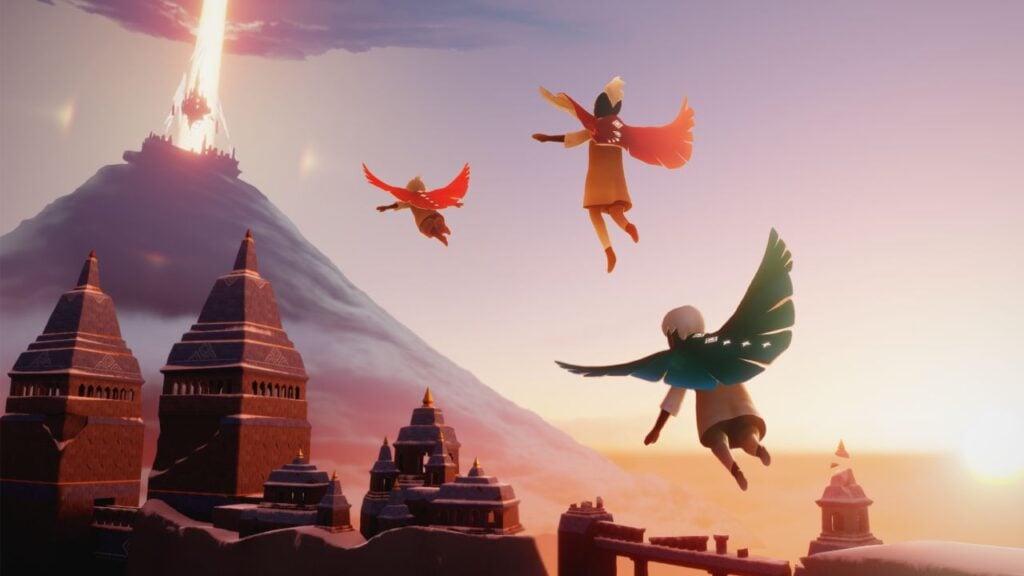
Main Facts: From the acclaimed creators of Journey, Sky: Children Of The Light is a unique massively multiplayer online role-playing game (MMORPG) that prioritizes gentle exploration, cooperation, and altruism over combat and competition. Players glide through breathtaking cloud-filled landscapes, helping spirits and connecting with other "Children of Light."
Chronology: Launched in 2019 on iOS before arriving on Android, Sky immediately garnered critical acclaim for its stunning visuals, emotive soundtrack, and innovative approach to social interaction. It has received numerous updates, introducing new seasonal content, areas, and deepening its lore and player customization options.
Supporting Data: Sky‘s multiplayer mechanics are profoundly unconventional. There are no usernames or direct chat until players "level up" their friendship by sharing candles. This forces communication through gestures, musical instruments, and non-verbal cues, fostering a more organic and meaningful form of connection. Players often hold hands to fly together, light each other’s candles to share light, or offer gifts. The emphasis is on helping strangers, exploring together, and sharing moments of serene beauty. This unique design cultivates an exceptionally positive and supportive community, a stark contrast to the often-toxic environments found in other online games.
Official Responses: Thatgamecompany’s philosophy, as evidenced by Journey and now Sky, centers on creating emotionally resonant experiences and fostering positive social interactions. They intentionally design systems that encourage empathy, cooperation, and anonymous kindness, believing that these elements lead to deeper and more memorable player connections.
Implications: Sky: Children Of The Light stands as a powerful testament to the potential of cooperative, non-combative multiplayer experiences. It challenges conventional MMORPG tropes, demonstrating that meaningful social interaction can emerge from subtle design choices that prioritize collaboration and emotional connection over explicit competition or grinding. It offers a refreshing haven for players seeking a more peaceful and communal online experience.
Brawlhalla: The Cross-Platform Fighting Extravaganza
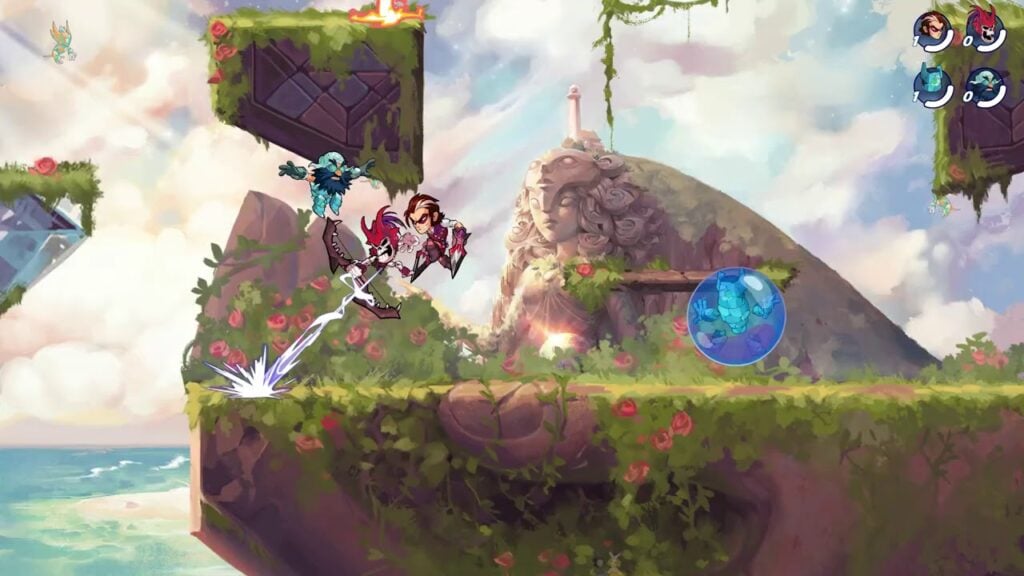
Main Facts: Brawlhalla is a free-to-play, cross-platform fighting game often described as a spiritual successor to Super Smash Bros. It features a vibrant cast of "Legends," each with unique weapons and abilities, battling it out in dynamic arenas. The game boasts a wide array of game modes, from intense 1v1 duels to chaotic four-player free-for-alls.
Chronology: Initially released in 2017 for PC and consoles, Brawlhalla made its highly anticipated debut on mobile in 2020, bringing its full cross-platform functionality to Android and iOS. This expansion significantly broadened its player base, allowing existing fans to play on the go and attracting new mobile players to its accessible fighting style.
Supporting Data: Brawlhalla‘s strength lies in its accessibility and sheer variety. Controls are intuitive, making it easy for new players to jump in, while the deep combat system, weapon mastery, and character matchups offer endless strategic depth for veterans. With over 20 game modes, including traditional fighting setups like 1v1 and 2v2, as well as unique mini-games like Brawlball and Capture the Flag, there’s always something new to experience. The constant introduction of new Legends and crossover characters (from franchises like The Walking Dead and Teenage Mutant Ninja Turtles) keeps the roster fresh and the community engaged. Its cross-platform nature ensures a healthy and active player base, guaranteeing quick matchmaking.
Official Responses: Ubisoft and Blue Mammoth Games have consistently championed Brawlhalla‘s commitment to accessibility and cross-platform play. Their focus on regular content updates, esports initiatives, and community engagement reflects a dedication to building a long-lasting and inclusive fighting game ecosystem.
Implications: Brawlhalla is a prime example of how competitive fighting games can thrive on mobile with smart design and cross-platform implementation. It proves that mobile players desire and can handle complex, fast-paced action, and that a free-to-play model can sustain a robust, evolving multiplayer experience across diverse hardware.
Bullet Echo: Tactical Stealth in a Top-Down Shooter
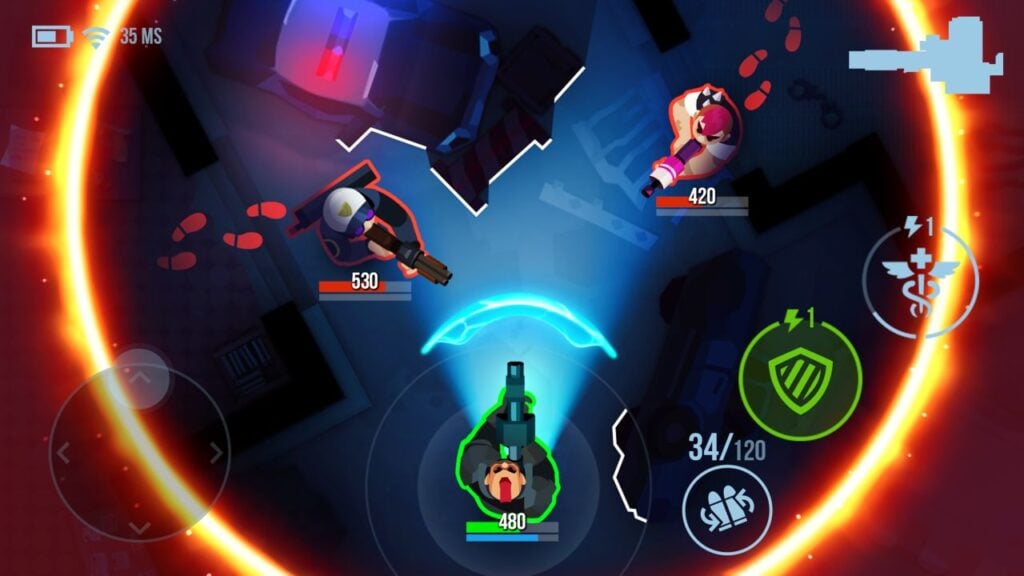
Main Facts: From ZeptoLab, the creators of Cut the Rope, Bullet Echo is a top-down tactical shooter that cleverly integrates stealth and sound mechanics into its multiplayer battles. Players navigate dimly lit arenas, relying on the beam of their flashlight and the sounds of enemy movements to gain a tactical advantage.
Chronology: Bullet Echo was released in 2020, marking a significant departure for ZeptoLab from their puzzle game origins. It quickly established itself as a fresh take on mobile shooters, emphasizing strategy and awareness over raw twitch reflexes.
Supporting Data: The game’s innovative "field of vision" mechanic, limited by the player’s flashlight, creates intense moments of tension and surprise. Enemies lurking just outside the beam are only revealed by the sounds they make—footsteps, reloading, or weapon fire. This auditory cue system is central to gameplay, turning every corner into a potential ambush. Players choose from a roster of unique heroes, each with different abilities, further adding to the tactical depth. Team-based modes encourage coordinated movements and strategic use of abilities, while solo modes test individual stealth and shooting skills. The short match times make it ideal for quick bursts of competitive play.
Official Responses: ZeptoLab’s venture into a new genre with Bullet Echo showcases their willingness to innovate. Their design choices indicate a desire to create a competitive shooter that rewards thoughtful play and environmental awareness, rather than simply speed or aim, thereby offering a distinctive experience in the mobile market.
Implications: Bullet Echo demonstrates the potential for mobile shooters to innovate beyond typical run-and-gun mechanics. Its emphasis on sound and limited vision creates a unique tactical experience that rewards careful planning and awareness, proving that mobile platforms can host deeply strategic and atmospheric competitive games.
Old School Runescape: Reliving MMORPG History
Main Facts: Old School Runescape (OSRS) is a faithful recreation of the 2007 version of the iconic MMORPG Runescape. It offers a vast open world filled with quests, skills to master, monsters to battle, and a thriving player-driven economy. Its multiplayer aspect is core to its identity, fostering a strong sense of community and shared adventure.
Chronology: Runescape itself has a long history, first launching in 2001. Old School Runescape was born in 2013 from a player poll, reflecting a strong desire for the game’s classic iteration. It made its official debut on Android in 2018, bringing the full, uncompromised PC experience to mobile devices, complete with cross-play functionality.
Supporting Data: OSRS is an incredibly deep and content-rich MMORPG. Players can train dozens of skills, from combat and magic to fishing, woodcutting, and crafting, all while interacting with thousands of other players. Its multiplayer features are integral to progression, whether it’s trading items in bustling Grand Exchange, forming groups to tackle powerful bosses, engaging in player-versus-player combat in the Wilderness, or simply chatting with friends while skilling. The game’s nostalgic appeal is immense for veteran players, while its rich lore and open-ended nature continue to attract new adventurers. Despite its "old school" graphics, the sheer amount of content and the vibrant player community make it an enduring and compelling multiplayer choice.
Official Responses: Jagex, the developers, have a unique relationship with the OSRS community, as the game’s very existence and ongoing development are heavily influenced by player polls. This democratic approach underscores their commitment to delivering the experience the players truly desire, ensuring that community feedback directly shapes the game’s future.
Implications: Old School Runescape on Android is a powerful example of how classic PC MMORPGs can successfully transition to mobile, retaining their depth and community. It highlights the enduring appeal of traditional, player-driven online worlds and proves that graphical fidelity is secondary to engaging mechanics and a strong social foundation for a dedicated player base.
Gwent: The Witcher Card Game: Strategic Deck-Building Duels
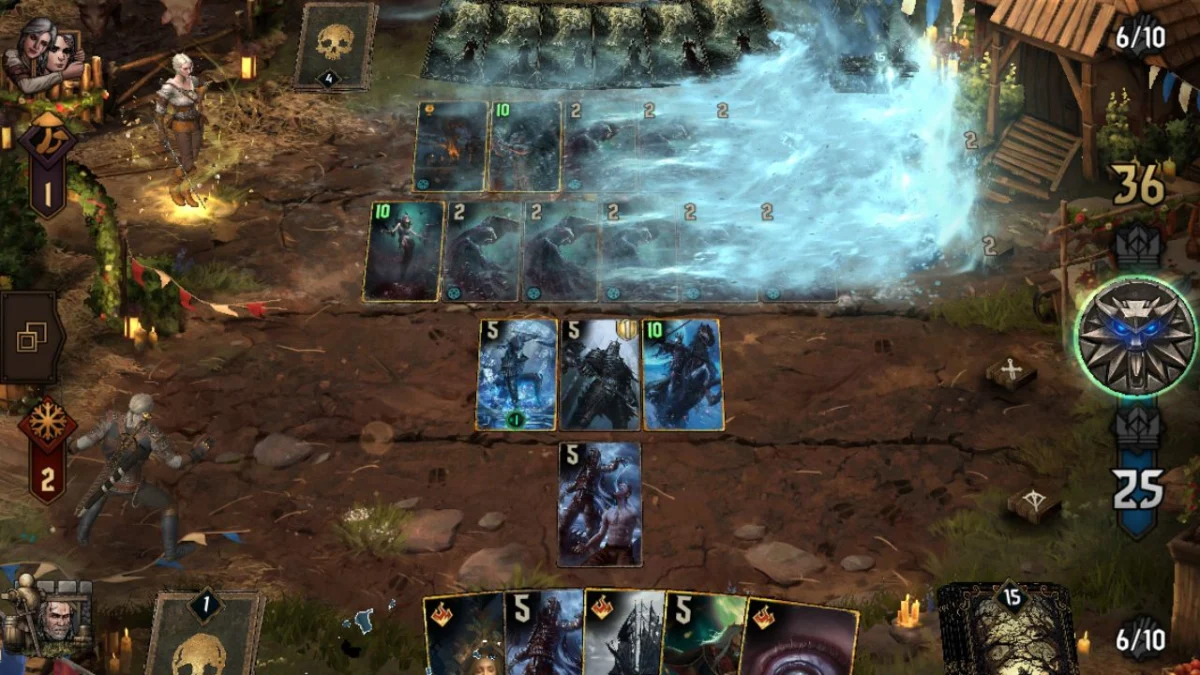
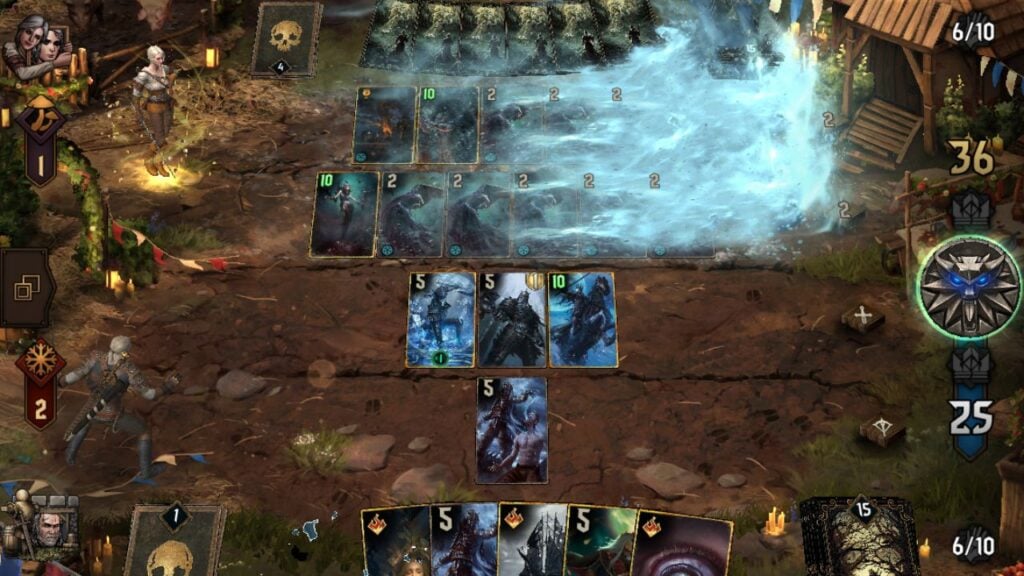
Main Facts: Gwent: The Witcher Card Game is a standalone digital collectible card game spun off from the popular mini-game within The Witcher 3: Wild Hunt. It pits two players against each other in strategic card battles, requiring careful deck construction, tactical plays, and clever bluffing to win rounds.
Chronology: The original Gwent mini-game became a fan favorite upon The Witcher 3‘s release in 2015. Recognizing its potential, CD Projekt Red developed Gwent: The Witcher Card Game, launching it as a standalone title on PC in 2018, followed by a mobile release on Android in 2020. This allowed the beloved card game to evolve with dedicated mechanics, more cards, and a robust online multiplayer system.
Supporting Data: Unlike many other CCGs, Gwent focuses on winning two out of three rounds, adding a unique strategic layer where players must manage their hand and resources across multiple phases. The core gameplay involves placing unit cards on a board across three rows, each with specific abilities and interactions. Faction diversity (e.g., Northern Realms, Nilfgaard, Monsters) provides varied playstyles, encouraging deep meta-game exploration and strategic counter-play. Its cross-platform functionality ensures a healthy pool of opponents, from casual players to seasoned strategists, ready for a duel at any time. The stunning artwork, drawn from The Witcher universe, further enhances the immersive experience.
Official Responses: CD Projekt Red’s decision to develop Gwent into a full-fledged game reflects their understanding of fan demand and the potential for deep, strategic card games. Their ongoing support with new card sets and balance adjustments demonstrates a commitment to fostering a competitive and evolving environment for players.
Implications: Gwent proves that a well-designed, strategic card game can not only stand on its own but also thrive on mobile platforms. It appeals to players who enjoy intellectual challenges, deck-building mastery, and competitive duels, showcasing the depth that mobile multiplayer can offer beyond action-oriented genres.
Roblox: The Infinite Metaverse of Player-Created Experiences
Main Facts: Roblox is less a single game and more a vast platform hosting millions of user-generated games and experiences. From intricate role-playing simulations and competitive shooters to quirky social hangouts and survival horrors, Roblox offers an unparalleled variety of multiplayer content, all built by its community.
Chronology: Launched in 2006, Roblox has steadily grown into a global phenomenon, particularly among younger audiences, making its way to Android in 2014. Its longevity is a testament to its powerful creation tools and the boundless creativity of its users, constantly generating new content and evolving trends.
Supporting Data: The sheer diversity of Roblox is its greatest strength. Players can jump from a Squid Game-inspired challenge to a pet-collecting simulator, then to a detailed city role-play, all within the same platform. Its multiplayer features are incredibly user-friendly, allowing players to easily join friends’ sessions, create private servers, and interact within persistent worlds. The platform’s emphasis on social interaction, customizable avatars, and a robust developer ecosystem means there’s always a new experience to discover and new people to connect with. While the presence of microtransactions is significant, the core experience of exploring and playing with friends remains accessible and compelling.
Official Responses: Roblox Corporation’s vision is to build a "metaverse" – a persistent, interconnected virtual world where users can create, share, and experience anything imaginable. Their continuous investment in developer tools, educational programs, and platform infrastructure reflects this ambition, empowering users to be both consumers and creators of content.
Implications: Roblox exemplifies the power of user-generated content and the "metaverse" concept on mobile. It demonstrates that platforms that empower creativity and facilitate seamless social interaction can cultivate incredibly diverse and enduring multiplayer ecosystems, redefining what a "game" can be on a mobile device.
Vampire Survivors: Co-op Bullet Hell on a Single Screen
Main Facts: Vampire Survivors is an addictive roguelike bullet-hell game where players automatically attack hordes of monsters, collecting power-ups to become an unstoppable force. While initially a single-player phenomenon, its addition of local co-op on the same device transformed it into a surprisingly social and chaotic multiplayer experience.

Chronology: Released in early access in 2021, Vampire Survivors quickly became a breakout indie hit, arriving on Android in late 2022. The implementation of a local co-op mode, allowing up to four players on a single device (with controllers), was a significant update that expanded its appeal and offered a nostalgic couch co-op feel.
Supporting Data: The game’s core loop is incredibly satisfying: survive as long as possible against ever-increasing waves of enemies, unlocking new characters, weapons, and evolutions. In local co-op, the chaos multiplies as multiple players share the screen, each trying to navigate the bullet-hell onslaught and strategically choose upgrades that complement the team. The ability to connect multiple controllers and even cast the game to a larger screen evokes the classic console gaming experience, making it a perfect party game for friends gathered together. It’s a test of coordination and individual survival skills within a shared, intense environment.
Official Responses: Poncle, the developer, has been highly responsive to community feedback, and the addition of local co-op was a direct answer to player demand. This move highlights a recognition that even primarily single-player games can gain immense value and longevity through well-implemented multiplayer options that foster shared experiences.
Implications: Vampire Survivors demonstrates that not all multiplayer needs to be online or globally connected. Its success with local co-op on mobile shows a resurgence in "couch co-op" experiences, proving that sharing a screen and the immediate camaraderie (or blame) that comes with it remains a highly valued form of social play.
Terraria: The 2D Crafting Adventure with Friends
Main Facts: Often described as "2D Minecraft," Terraria is a pixel-art sandbox adventure game focused on exploration, crafting, building, and combat in a vast, procedurally generated world. Players mine resources, build elaborate bases, fight formidable bosses, and delve into new biomes, all with a distinct charm and endless content.
Chronology: Originally launched in 2011 for PC, Terraria quickly gained a dedicated following. It arrived on Android in 2013, bringing its expansive world and multiplayer features to mobile gamers. The game has received consistent, massive content updates for over a decade, with each "Journey’s End" update adding significant new features, items, and challenges.
Supporting Data: Terraria‘s multiplayer supports up to eight players, allowing for both local and online co-op. This makes it an ideal platform for friends to embark on grand adventures together, whether it’s collaboratively excavating deep caverns, constructing colossal castles, or teaming up to take down colossal bosses that fill half the screen. The progression system is deep, with players constantly discovering new gear, crafting recipes, and powerful enemies. The pixel-art aesthetic is charming and allows for a surprising level of detail, while the diverse biomes and hidden secrets encourage endless exploration and cooperative discovery. Its premium, one-time purchase model ensures a complete experience without intrusive microtransactions.
Official Responses: Re-Logic, the developers, have shown an extraordinary commitment to Terraria for over a decade, consistently releasing substantial free content updates. This dedication to enriching the player experience, particularly with features that enhance cooperative play, underscores their philosophy of creating a complete and evolving game world.
Implications: Terraria proves that deep, content-rich sandbox adventures with robust multiplayer can thrive on mobile as a premium title. It offers a more structured yet equally open-ended alternative to Minecraft, emphasizing exploration and progression while providing a tight-knit cooperative experience that continues to evolve long after its initial release.
The Future of Mobile Multiplayer: Connecting Beyond the Screen
The landscape of Android multiplayer gaming is dynamic and ever-expanding. The titles reviewed here represent just a snapshot of the incredible variety available, from competitive brawlers to serene cooperative journeys. As technology advances, with improvements in device performance, network speeds, and cloud gaming capabilities, the potential for mobile multiplayer will only grow. We can anticipate even more graphically intensive games, more sophisticated social features, and seamless integration across an even wider array of platforms.
Beyond the technical advancements, the implications for social interaction are profound. Mobile multiplayer games have become virtual third places, offering spaces for friends to connect, maintain relationships across distances, and forge new bonds. They provide outlets for competition, creativity, and shared storytelling, enriching the lives of millions. As developers continue to innovate, the lines between gaming and social networking will further blur, making mobile devices indispensable tools for digital camaraderie and collective adventure.
For those looking to explore multiplayer experiences closer to home, the world of local multiplayer on Android also offers a fantastic array of options, proving that sometimes, the best connections are made side-by-side.











No comments yet. Be the first to join the conversation!