In the high-pressure environment of the modern office, where digital interfaces and sedentary workflows dominate our daily lives, a curious trend has emerged. It is a movement that has migrated from the sensory therapy rooms of developmental clinics directly onto the mahogany desks of corporate executives and the workstations of creative professionals: the rise of the fidget toy.
Once dismissed as mere distractions or playground novelties, these handheld devices—ranging from silent, precision-engineered metal spinners to squishy, food-grade silicone molds—have become essential productivity tools for a significant portion of the workforce. But what is driving this shift? Why are professionals increasingly turning to tactile stimulation to navigate their workday, and what does this say about the way our brains process information in the 21st century?
Main Facts: The Anatomy of a Fidget
At their core, fidget toys are sensory regulation tools. They are designed to provide “proprioceptive input”—the physical sensation of pressure, movement, or texture—which can help ground an individual when they feel overwhelmed or under-stimulated.
The current market is bifurcated into two primary categories:
- Silent Motion Devices: These include metallic spinners, interlocking gears, and magnetic sliders. They are favored by office workers who require stealthy tools that do not disrupt the concentration of colleagues.
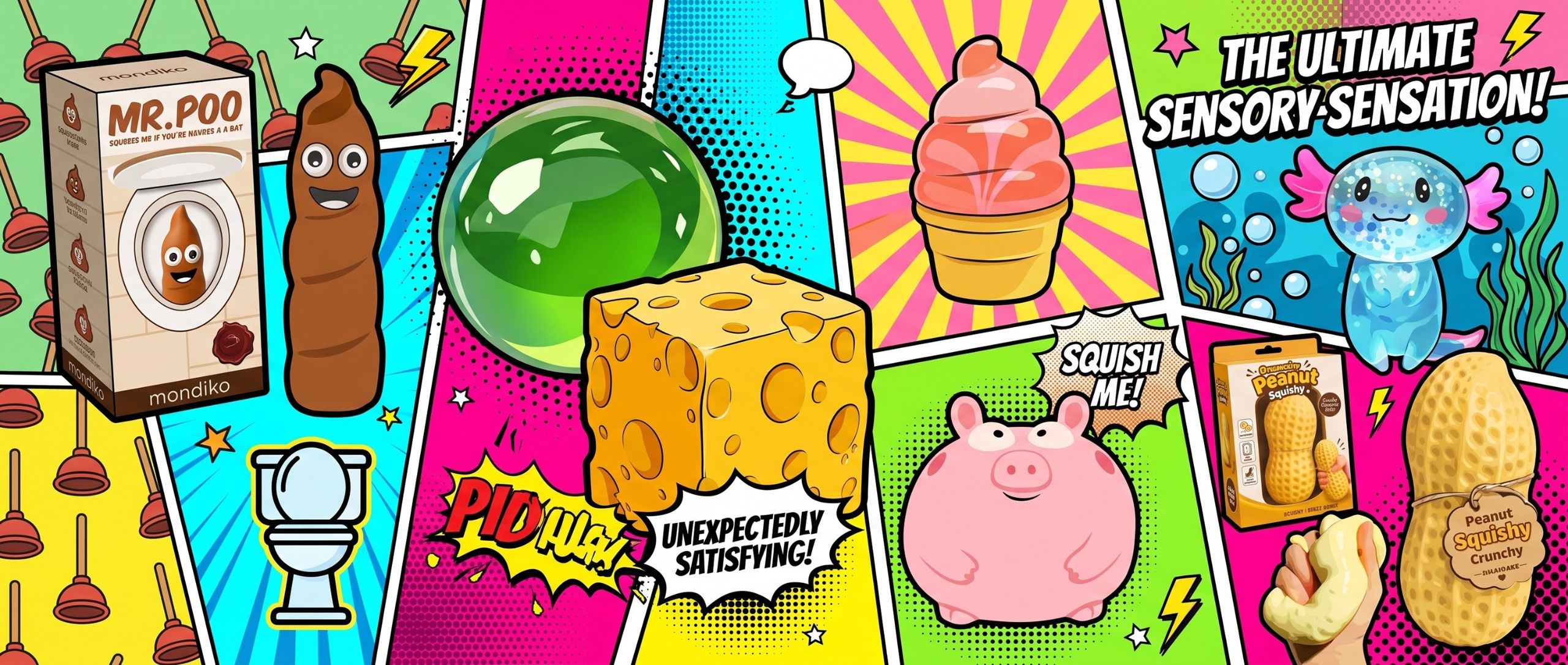
- Tactile "Squishies": Often fashioned in whimsical, food-like shapes or bright, neon textures, these are designed for deep pressure stimulation. While they are visually playful, they serve a specific neurological purpose: the rhythmic squeezing motion can help lower cortisol levels and provide an immediate sensory "reset."
The primary fact remains: for those with "jittery hands" or restless minds, these toys act as a cognitive anchor, allowing the brain to devote its primary focus to complex tasks while offloading redundant energy into the hands.
A Chronology of the Fidget Evolution
To understand the present state of the fidget market, we must look at its rapid evolution over the last decade.
- 2014–2016: The Rise of the Spinner. The fidget spinner was originally patented in the early 90s, but it didn’t hit cultural critical mass until 2016. What began as a tool for students with ADHD quickly became a viral sensation, leading to widespread bans in schools and a temporary dismissal of the objects as "junk."
- 2017–2019: The Professional Pivot. As the initial craze subsided, the market matured. Designers began utilizing premium materials like aircraft-grade aluminum, brass, and tungsten. The aesthetic shifted from "toy-like" to "executive," effectively rebranding the fidget as a high-end desk accessory.
- 2020–2022: The Remote Work Surge. The isolation of the COVID-19 pandemic accelerated the adoption of tactile toys. Working from home meant the loss of communal desk interaction, leading many to seek out "tactile companions" to simulate the grounding sensory environment of an office.
- 2023–Present: The Aesthetic Integration. Today, we are seeing the rise of the "lifestyle fidget." These devices are being designed with industrial design sensibilities in mind, ensuring they look as good sitting on a desk as a high-end mechanical keyboard or a minimalist pen set.
Supporting Data: Why It Works
The psychological underpinnings of fidgeting are grounded in the "Inverted-U Hypothesis" of arousal. This theory suggests that humans perform best when their arousal level (the state of being awake and alert) is at a moderate, "Goldilocks" level.
If we are too relaxed, we become lethargic and lose focus. If we are too stressed, our cognitive resources become fractured. Fidgeting provides the necessary level of low-stakes stimulation to keep the brain in that optimal middle ground.
A study conducted by the University of Hertfordshire suggested that fidgeting can actually improve concentration in tasks that require sustained attention. By providing the motor cortex with a rhythmic, predictable task, the brain is better able to suppress distracting thoughts and external stimuli. Furthermore, the tactile nature of squishy toys specifically triggers the release of endorphins, acting as a mild, non-pharmaceutical stress-management mechanism.
Official Responses and Professional Perspectives
The professional world’s response to the fidget trend has been largely bifurcated between HR departments and creative management.
In many high-output creative agencies, fidget toys are not only accepted but encouraged. "We see it as an extension of the creative process," says one Creative Director at a major London-based design firm. "When we are concepting, having something to hold or manipulate in the hand prevents the mind from wandering into anxiety. It’s a tool for active listening."
However, in more traditional corporate environments, there remains a stigma. Some HR professionals argue that the visual nature of these toys can detract from professional decorum. The trend, however, is slowly shifting. As the demographic of the workforce shifts toward younger generations who grew up with these tools as accepted educational aids, the "professional" definition of a workspace is expanding to include personal sensory requirements.
Implications: The Future of the "Desk Companion"
What does this mean for the future of the workplace? We are witnessing the "ergonomic-ification" of sensory health. Just as offices moved from hard wooden chairs to ergonomic mesh support, they are now beginning to account for the "tactile ergonomics" of the employee.
1. The Design-Forward Movement
The next generation of fidget toys will likely focus on high-end materials. We are already seeing collaborations between boutique design studios and toy manufacturers to create pieces that feel like art objects. The goal is to move away from the "toy" label and toward the "desk sculpture" category.
2. Neurodiversity in the Workplace
The widespread adoption of these tools is a major victory for neurodiversity. By normalizing fidgeting, companies are creating more inclusive spaces for individuals with ADHD, autism, or anxiety. What was once a "secret" habit for many is becoming an accepted workplace accommodation, which in turn reduces the social anxiety associated with needing to move while working.
3. The Digital vs. Physical Dichotomy
As our work lives become increasingly digital—living entirely behind screens and within virtual meeting rooms—the need for physical, grounded, real-world sensations will only grow. The fidget toy serves as a bridge between the virtual world we inhabit and the physical reality of our bodies.
Conclusion: Embracing the "Squish"
If you find yourself with restless hands during a Zoom call or a brainstorming session, there is no reason for shame. The fidget toy is not a sign of a lack of professionalism; it is a sign of an active, engaged mind looking for the right frequency.
While these toys may never reach the aesthetic prestige of a custom mechanical keyboard or a limited-edition designer fountain pen, their impact on cognitive health and daily productivity is undeniable. As we continue to navigate a world that is faster, louder, and more digital than ever before, the humble fidget toy provides a quiet, reliable way to keep our hands busy and our minds focused.
So, the next time you find yourself staring at a blank screen, consider picking up a spinner, a clicker, or a simple, satisfying squishy. You might find that the key to your next big breakthrough is sitting right in the palm of your hand. Just remember: no matter how good they look, please, don’t eat them.