

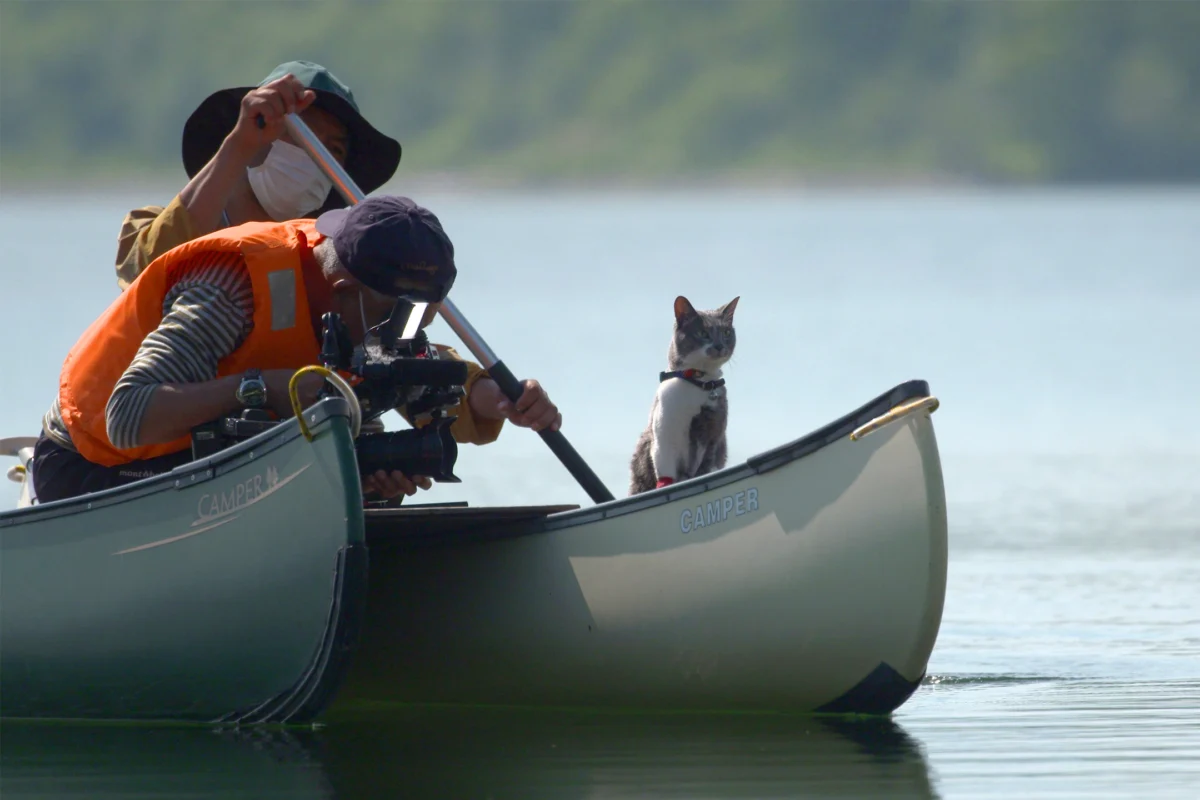
In the high-stakes world of wildlife photography, where patience is the primary currency and the subjects are often as dangerous as they are elusive, Mitsuaki Iwago stands as a titan. At 75, the Japanese photographer has spent a lifetime documenting the raw, untamed beauty of the planet. Yet, it is his most recent, seemingly modest transition—from capturing apex predators to documenting the subtle, domestic lives of cats—that has captured the hearts of millions and transformed him into a cultural phenomenon.
From the wetlands of the Brazilian Pantanal to the quiet, snow-dusted temples of Yamagata, Iwago’s lens has consistently found the extraordinary in the mundane. His ability to build a rapport with his subjects, whether they weigh 300 pounds or three, remains the hallmark of a career defined by empathy, precision, and an unyielding passion for the natural world.
The Architecture of a Legend: Main Facts and Career Path
Mitsuaki Iwago is not merely a photographer; he is a chronicler of the animal kingdom. Born into a family of photographers, his destiny was shaped early by his father, who took him on expeditions to remote locations like the Galápagos Islands. It was there, amidst the turquoise waters and volcanic landscapes, that a young Iwago fell in love with the dual crafts of nature observation and photography.
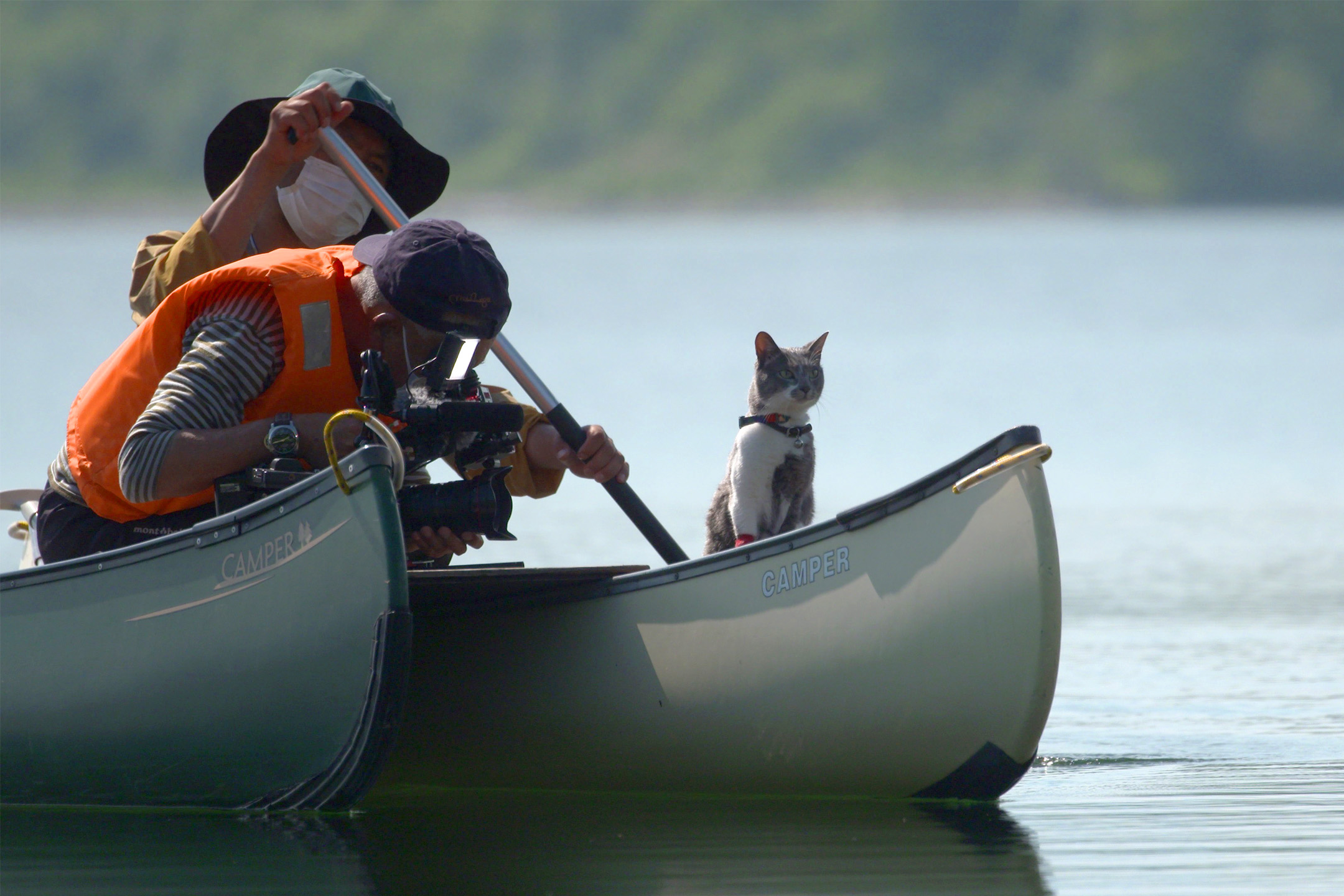
His portfolio is a masterclass in global exploration. His work has spanned continents, bringing him face-to-face with crocodiles in the Florida Keys, cheetahs in the African bush, and lions in the wild. His accolades reflect his stature: he remains the only Japanese photographer to have graced the cover of National Geographic twice, a testament to his technical mastery and his unique ability to capture the "soul" of a subject.
However, it is his work with felines that has provided his most significant contribution to modern television. As the lead cinematographer and star of the long-running NHK program Iwago Mitsuaki no Sekai Neko Aruki (broadcast in English as Mitsuaki Iwago’s World Cats Travelogue), he has pioneered a genre that treats the cat not just as a pet, but as a local guide to the world’s most fascinating regions.
A Chronology of Discovery: From the Wild to the Living Room
The trajectory of Iwago’s career reveals a man who has consistently evolved his perspective.
_電子透かしあり-2048x1152.jpg)
- Early Years (The Formative Phase): Inspired by his father, Iwago began his professional life documenting wild ecosystems. These years were marked by intense, long-form field work where he learned to wait for the perfect moment—a skill that would later prove vital in his work with domestic cats.
- The Global Expansion: Throughout the 1990s and 2000s, Iwago established himself as a premier wildlife documentarian, producing coffee-table books and television segments that brought the remote corners of the Earth into Japanese living rooms.
- The 2012 Shift: Iwago Mitsuaki no Sekai Neko Aruki premiered on NHK, fundamentally shifting the narrative structure of the travelogue. By prioritizing the cat’s movement and perspective, the show offered a fresh, intimate look at global destinations.
- The Pandemic Adaptation (2020–2022): Faced with global travel restrictions, the production team pivoted toward Japan’s 47 prefectures. This era marked a deeper, more profound connection to the local Japanese landscape, turning the show into a meditative exploration of regional culture through the eyes of its feline inhabitants.
- Present Day: Now, Iwago continues to produce content that bridges the gap between high-art nature photography and accessible, heartwarming human-animal storytelling.
The "Cat Philosophy": Supporting Data and Methodology
What sets Iwago apart from other documentary filmmakers is his refusal to "direct" his subjects. The show’s premise is built on radical patience. Filming for each 59-minute episode takes roughly eight days, a luxury in modern television, allowing the team to scout locations through local word-of-mouth and social media.
The data supports the efficacy of this approach: the program has become one of NHK’s most beloved exports. Its allure lies in its structure—or lack thereof. "When the cat appears, they’re the ones that decide which way I’m going," Iwago has stated. This spontaneity is the engine of the show. Whether it is a cat stalking a fisherman in a coastal village or a kitten finding shade under a pear tree in the countryside, the narrative is dictated by the animal’s whims, not a pre-written script.
This is not just entertainment; it is an ethnographic study. By following cats, the show inadvertently documents vanishing lifestyles. Cats gravitate toward the quiet, authentic corners of society: traditional workshops, secluded gardens, and temple grounds. They become "mini-tour guides," leading viewers through hidden alleyways and historical sites that typical travel shows might overlook.
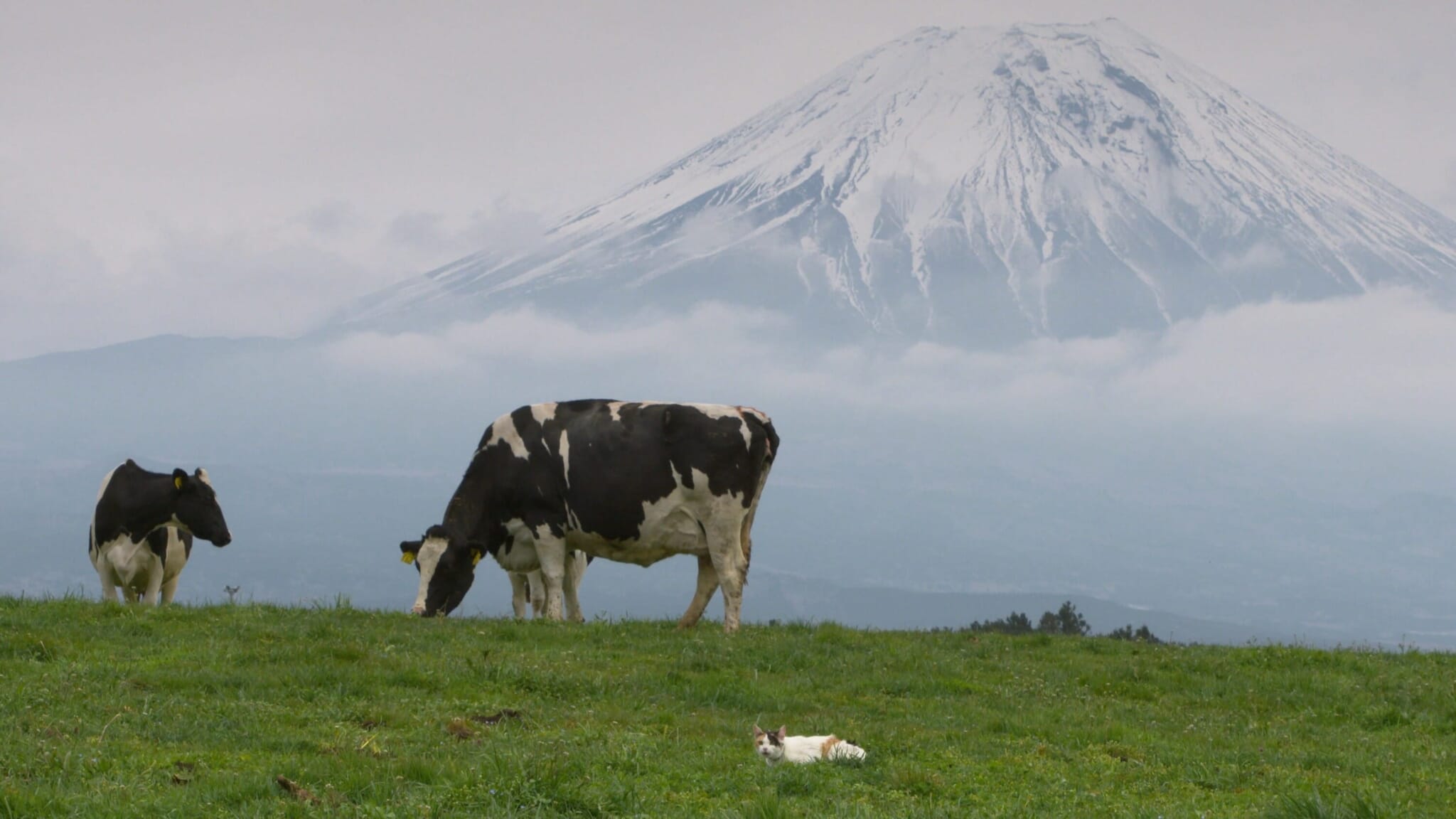
The Human Connection: Official Responses and Testimonials
The professional community has long recognized Iwago’s talent, but his recent work has triggered a more personal response from the public. His 2019 directorial debut, Neko to Jiichan (The Island of Cats), served as a bridge between his photography and the world of narrative film. The story of a 70-year-old widower and his cat resonated deeply with a Japanese society facing the challenges of an aging population.
The "official" response, however, is best seen in the behind-the-scenes footage of the show. Crew members have frequently captured the "feline whisperer" in action: cats climbing onto his shoulders, batting at his camera lens, or simply lounging in his lap as he speaks to them in his signature soothing voice—“Ii ko da, ii ko da” (Good boy/girl).
His personal commitment to his subjects is perhaps best illustrated by his adoption of Tama and Tomo, the feline stars of his directorial debut. By bringing them into his home, Iwago underscored his belief that the relationship between human and animal is one of mutual care and shared existence.
_電子透かしあり-2048x1152.jpg)
Implications for the Future of Wildlife Documentary
The work of Mitsuaki Iwago holds significant implications for the future of the nature documentary genre. In an era of high-octane, CGI-heavy, and sometimes over-produced nature programming, Iwago offers a return to the "slow television" movement.
- Empathy as a Tool: Iwago proves that emotional intelligence is as vital to a photographer as shutter speed or aperture. By treating animals as individuals with distinct personalities, he fosters a deeper environmental consciousness among viewers.
- The Hyper-Local Lens: His pivot to Japan’s 47 prefectures demonstrates that you do not need to travel to the Serengeti to find a compelling story. There is a world of beauty in one’s own backyard if one only knows how to look.
- Redefining "Wild": By placing the domestic cat on the same pedestal as the jaguar of the Pantanal, Iwago challenges the viewer to reconsider their relationship with the animals that live alongside them.
A Legacy Written in Stillness
As we look toward the future of media, Iwago’s work serves as a reminder that the most profound stories are often those told in silence. Whether he is whispering to a prowling jaguar in Brazil or kneeling in a rice paddy in Niigata to capture a cat’s gaze, his mission remains constant.
"The key is to do it with passion," he has said. "Communicate with love."
_電子透かしあり-2048x1152.jpg)
For the audience, Iwago Mitsuaki no Sekai Neko Aruki is more than a show about cats; it is a retreat from the chaos of the modern world. It is a portal into a life lived with intentionality, where the rhythm of the day is set by the slow, deliberate movements of a feline companion. As he continues his work, Iwago remains a bridge—a vital link between the human world and the wild, mysterious, and ultimately comforting spirit of the animal kingdom.
How to Follow the Journey
For those seeking to immerse themselves in the world of Mitsuaki Iwago, the opportunities are vast. His official website remains the primary repository for his stunning photography. Television viewers can tune into Iwago Mitsuaki no Sekai Neko Aruki on NHK BS every Tuesday at 9 a.m., or catch the 4K version on NHK BS Premium 4K every Friday at 10 p.m.
For international audiences, the English-language version, A Cat’s-Eye View of Japan, is accessible via the NHK World-Japan website, their app, and their official YouTube channel. In a world that is constantly moving, these episodes offer a rare, beautiful, and necessary pause.











