By Jaime Tugayev, News Editor
Published: June 27, 2026, 2:45 PM EDT
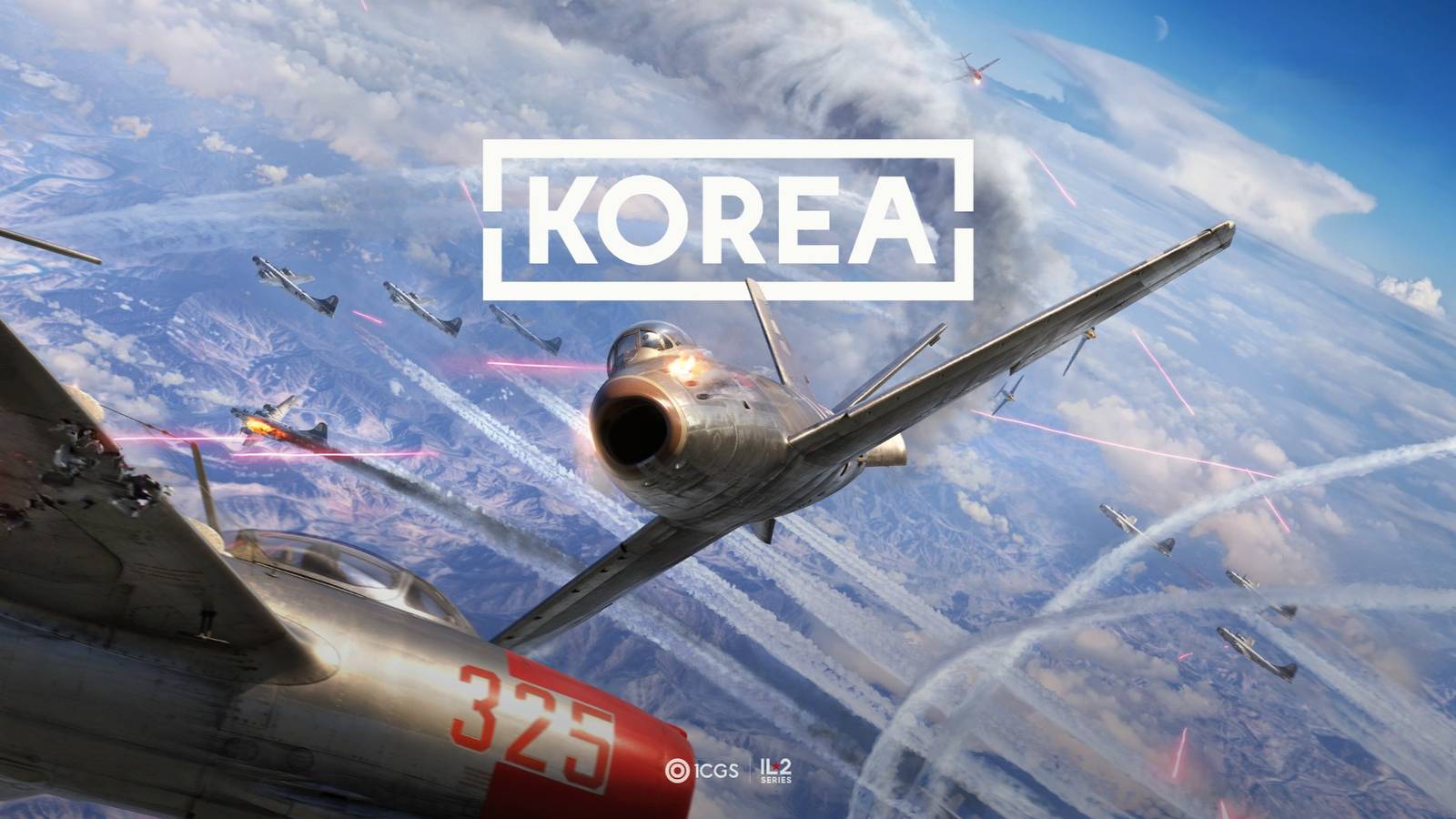
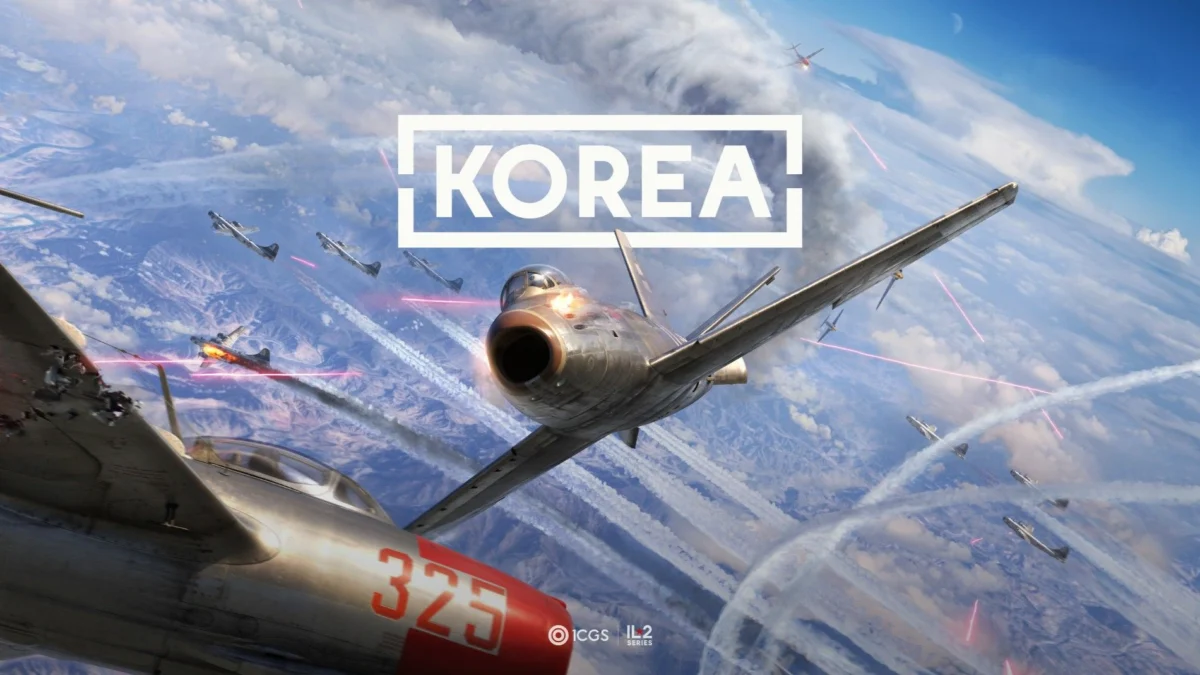
The Korean War, a brutal and consequential conflict often overshadowed by its World War II predecessor and Vietnam successor, is finding new life in the digital skies. The highly anticipated flight simulator, IL-2 Korea, has officially launched into early access, coinciding with the 76th anniversary of the war’s commencement on June 25, 1950. This meticulously crafted simulation offers a rare and immersive portal into an aerial theater characterized by a dramatic technological leap, intense dogfights, and a ground war that profoundly shaped the geopolitical landscape of the 20th century.
Developed by 1CGS, the studio behind the critically acclaimed IL-2 Sturmovik: Great Battles series, IL-2 Korea promises to deliver an unparalleled level of realism and historical fidelity. Having spent a week extensively testing the early access build, I can attest that the developers have not only met but exceeded the high expectations set by their previous work. The game plunges players into an era of transition, where the raw power of piston-driven aircraft clashed with the nascent might of early jet fighters, creating a unique and dynamic aerial combat experience.

The Dawn of a New Era: A Conflict Remembered
The Korean War erupted with devastating force. At 04:40 on June 25, 1950, an artillery barrage rained down upon South Korean positions in the Ongjin Peninsula, a prelude to a conflict that would engulf the entire Korean peninsula along the 38th parallel. This war, marked by some of the most intense air and land battles in modern history, has, regrettably, faded from mainstream historical consciousness. IL-2 Korea aims to rectify this, offering a compelling interactive narrative that illuminates the sacrifices and the strategic importance of this pivotal conflict.
The decision to release IL-2 Korea on the 76th anniversary of the war’s outbreak is a poignant one. It serves as a stark reminder that while the aspirations for reunification held by leaders like Kim Il Sung and Syngman Rhee remain unfulfilled, the echoes of their conflict continue to resonate. The game provides a vital educational tool, allowing players to not only engage in thrilling aerial combat but also to gain a deeper appreciation for the historical context and the human cost of this often-forgotten war.
Welcome to the Jet Age: A Dance of Propellers and Jets
The transition from World War II to the jet age was one of the most rapid and transformative periods in aviation history. IL-2 Korea masterfully captures this dramatic shift. The aircraft roster is a testament to this era: the skies are populated by sleek, swept-wing transonic fighters that represented the cutting edge of aeronautical engineering, alongside robust, tail-dragger piston prop designs that had been refined over decades.
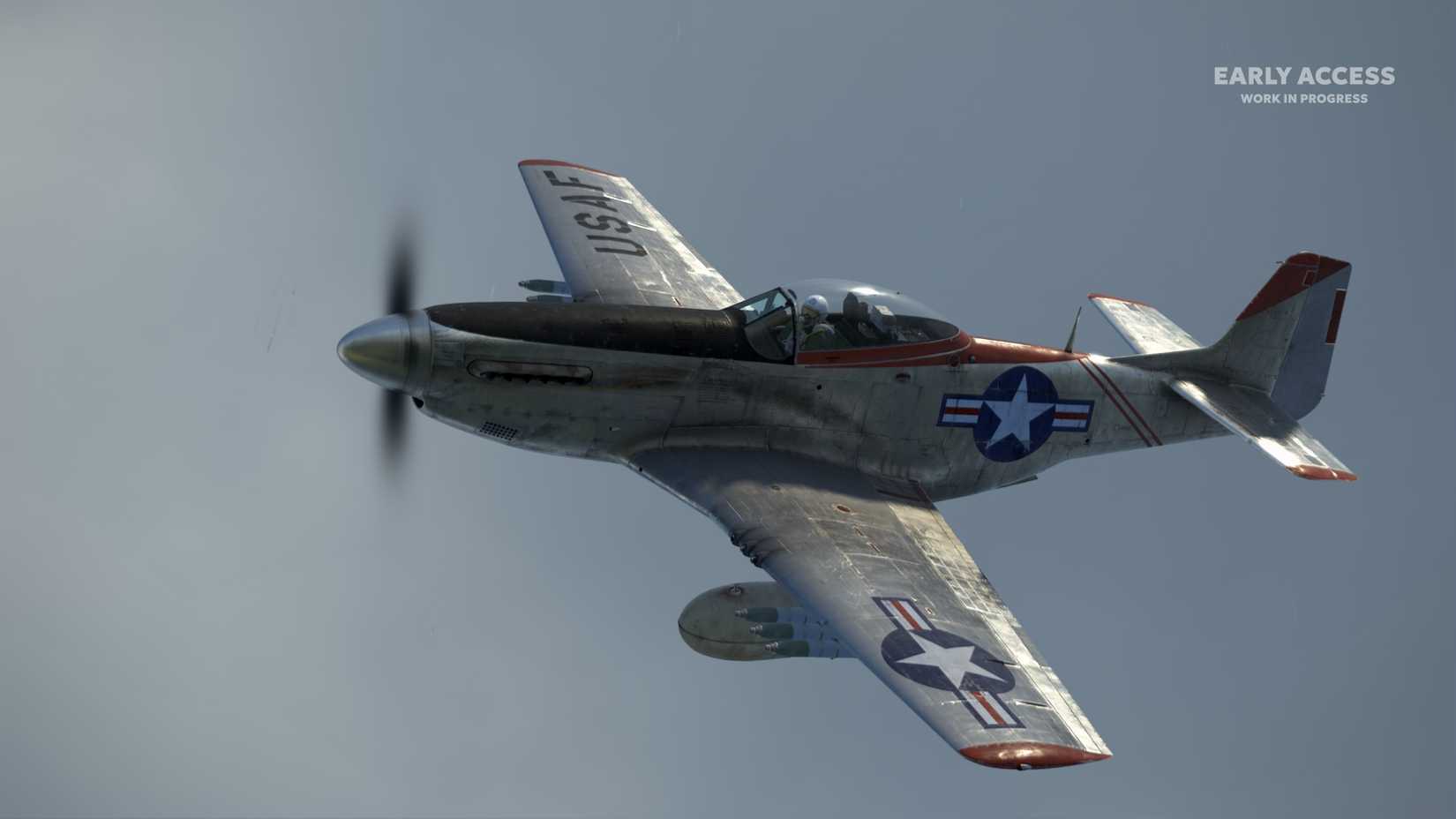
The planes featured in IL-2 Korea are the zenith of their respective designs. The piston-engine aircraft, while appearing anachronistic, are formidable in the right hands, embodying the pinnacle of propeller-driven combat technology. Conversely, the early jet fighters, while possessing superior speed and acceleration, are presented in their infancy, often exhibiting "deathtrap tendencies" due to their experimental nature. This inherent juxtaposition is precisely what imbues the era with its unique magic. While jets hold a clear advantage in raw performance, the skilled propeller pilot can still secure victory through superior maneuvering and tactical acumen.
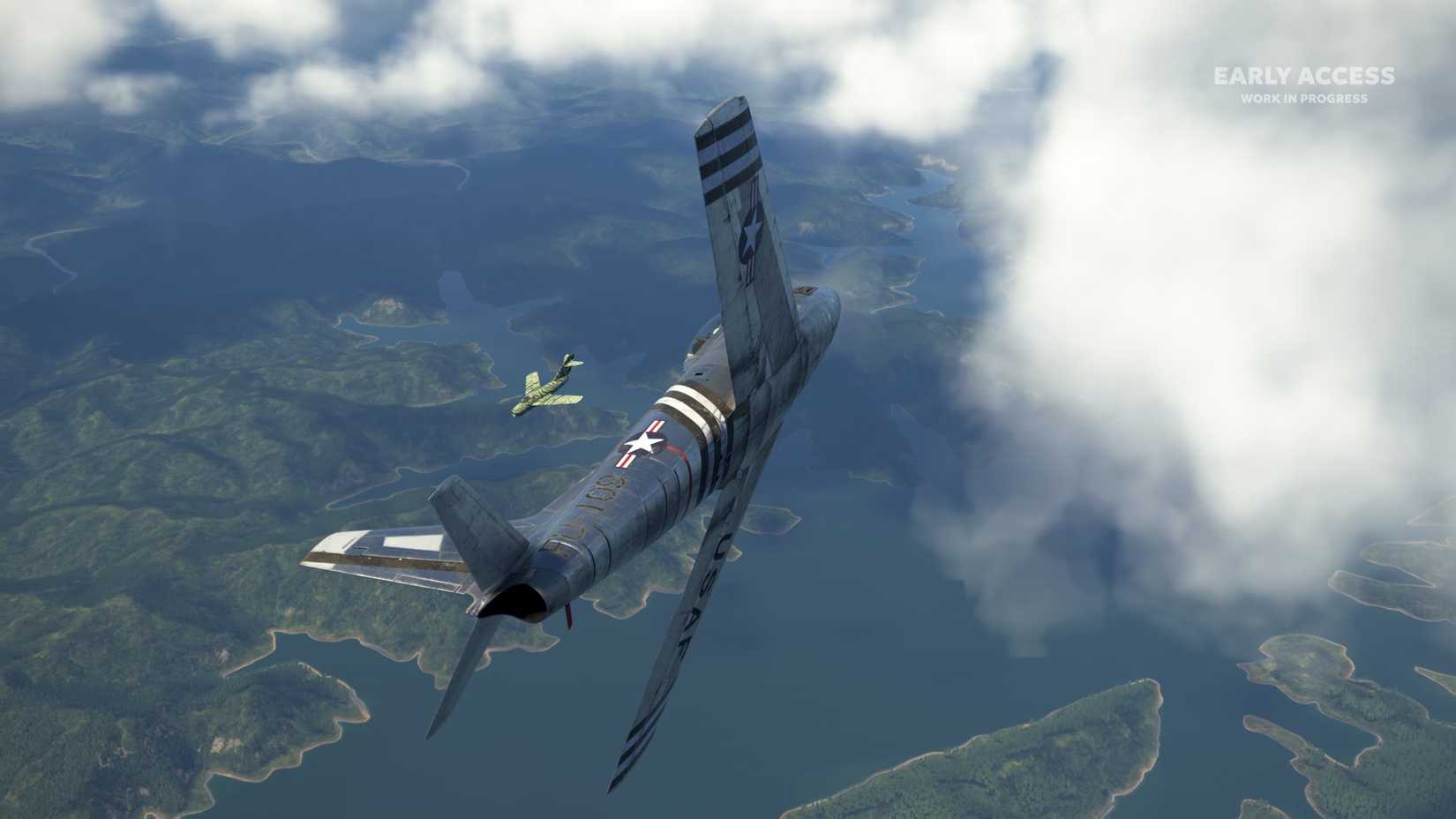
My personal experience with early jet fighters like the F-86 Sabre and the MiG-15 has primarily been within the complex environment of DCS World. In that simulator, these aircraft are often considered underdogs in later eras. However, IL-2 Korea flips this dynamic, positioning them as the apex predators of the Korean skies, a role that feels both exhilarating and historically accurate. The ability to engage in high-speed duels with these iconic machines, pitted against both their piston-engine contemporaries and each other, offers a deeply satisfying flight simulation experience.
I Can Handle It: Accessibility Meets Uncompromising Realism
One of the most commendable aspects of IL-2 Korea is its remarkable balance between accessibility and unwavering realism. For players new to the genre or unfamiliar with the intricacies of early jet aircraft, the developers have integrated an exceptionally informative "For Dummies" guide within the main menu. This guide provides essential information on aircraft operations, cockpit layouts, and crucial historical context, effectively preparing pilots for their virtual sorties. This thoughtful inclusion significantly reduces the steep learning curve often associated with complex flight simulators, making the experience welcoming for a broader audience.
My personal setup for this preview included a Virpil WarBRD joystick, a Thrustmaster TWCS throttle, and a new set of Saitek Pro Flight rudder pedals. While my current system does not support VR and I lack head-tracking capabilities, the simulation proved to be incredibly immersive even without these advanced peripherals. The developers have clearly invested significant effort in ensuring that the game is playable and enjoyable on a standard PC setup.
The control scheme, which had been a point of contention in previous IL-2 titles, has undergone a significant overhaul. IL-2 Korea now offers intuitive presets for popular flight peripherals, streamlining the setup process. While I did opt to rebind some keys to match my established habits, the default configurations were more than adequate for initial flights, allowing for a smooth transition into the cockpit.
Shooting Stars: The Thrill of Early Jet Combat
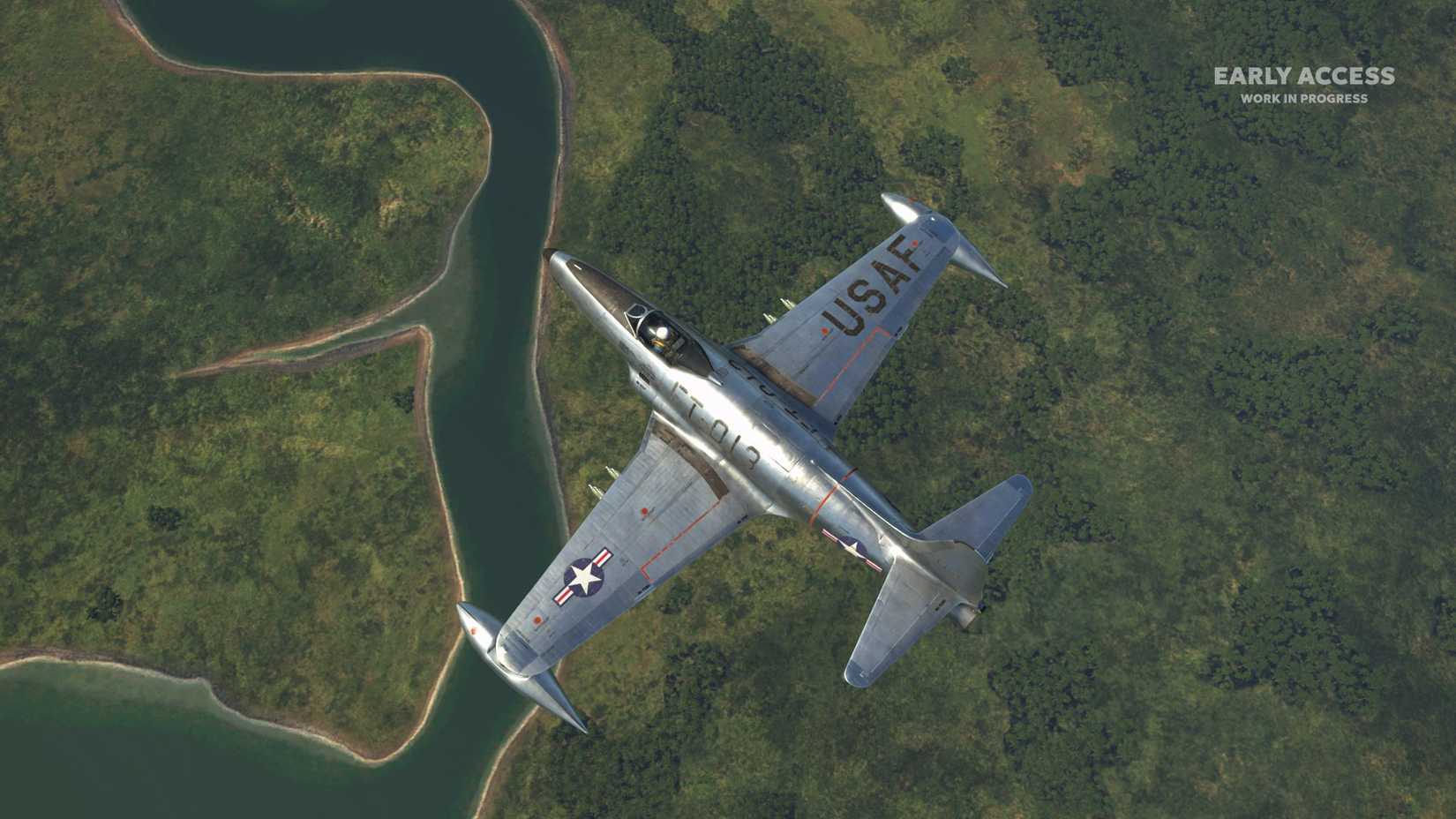
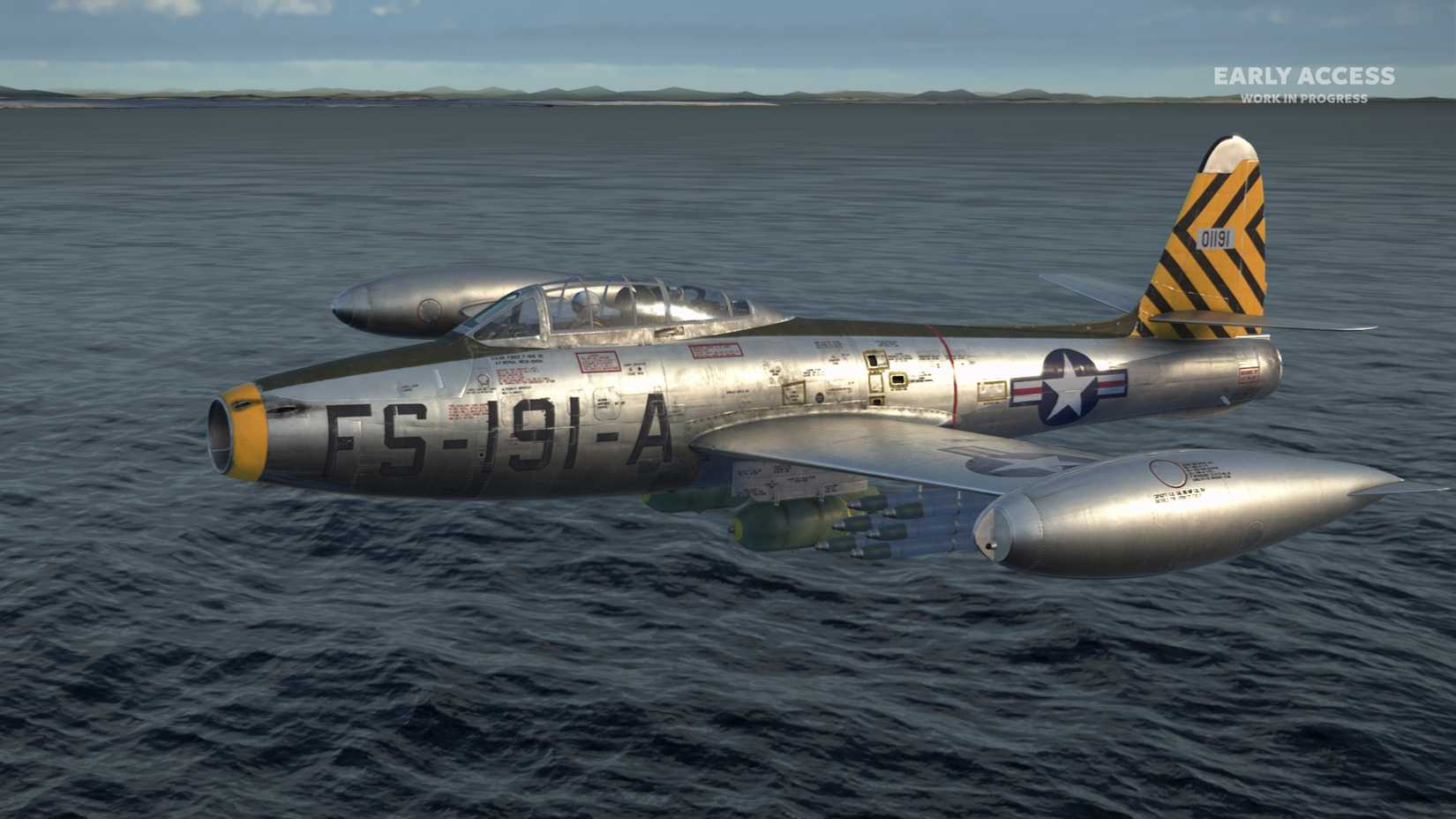
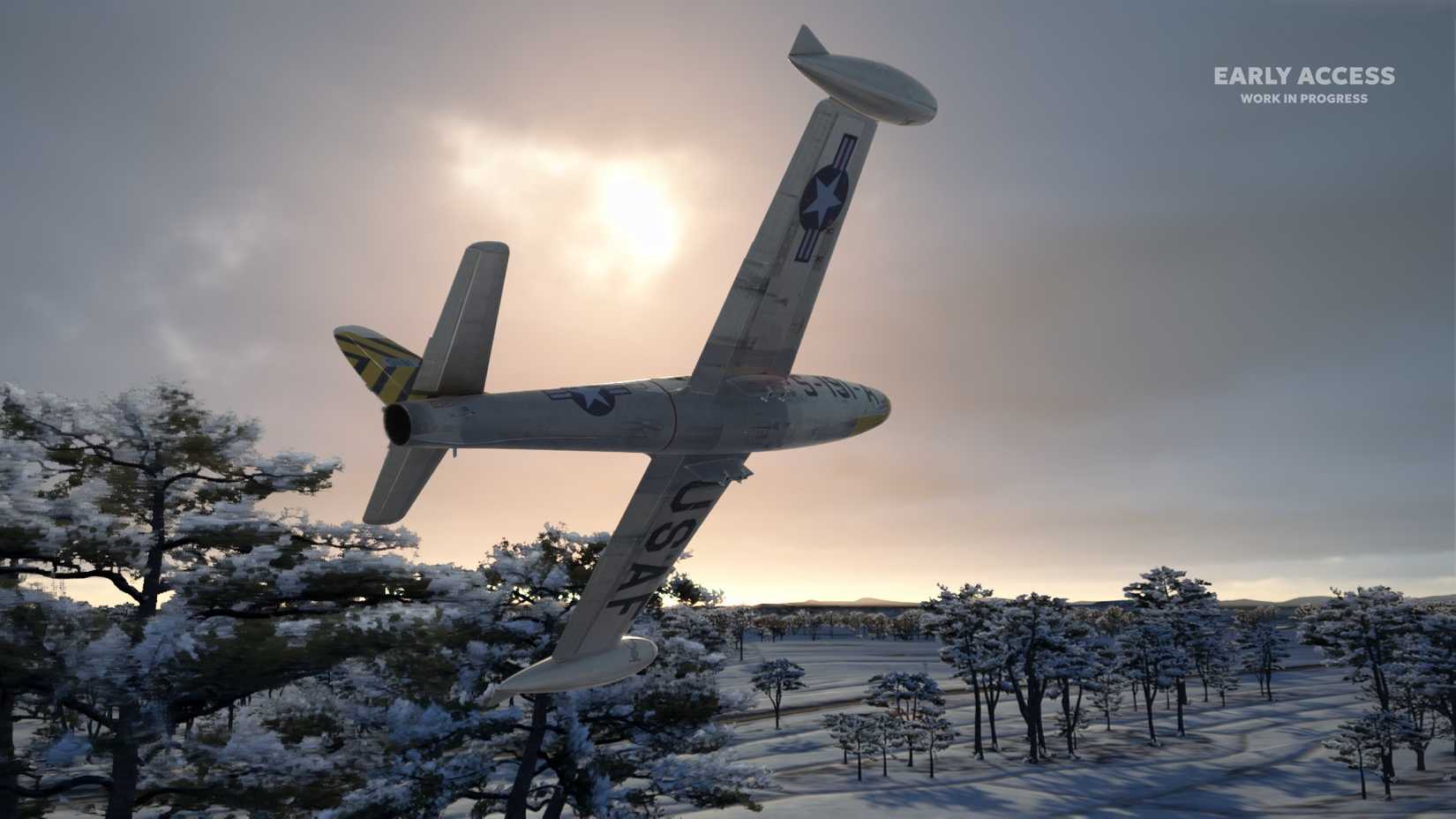
My initial foray into IL-2 Korea was with the F-80C-10, the first American fighter jet to achieve operational status. This choice felt fitting for immersing myself in the transitional period of aerial warfare. The aircraft in the simulation possess a tangible sense of "weight" and inertia, a subtle yet crucial detail that significantly enhances the feeling of flight. Even without force feedback on my joystick, the WarBRD provided ample tactile feedback, conveying the nuances of aerodynamic forces without requiring extensive tweaking of control curves.
The F-80, true to its aerodynamic design, handles like a World War II piston aircraft with a significant power boost. Its turning capabilities are exceptional, and it boasts impressive straight-line speed. However, its acceleration, attributed to the Allison J33 engine, is akin to that of a much slower vehicle. This characteristic is prevalent across many of the jet aircraft in IL-2 Korea; they possess abundant speed, but pilots must exercise caution and patience, as achieving that speed can be a time-consuming endeavor. After a remarkably stable landing for a first-time pilot, I was eager to experience the combat scenarios that truly define IL-2 Korea.
Putting the War in Korea: Ground Support and Strategic Objectives
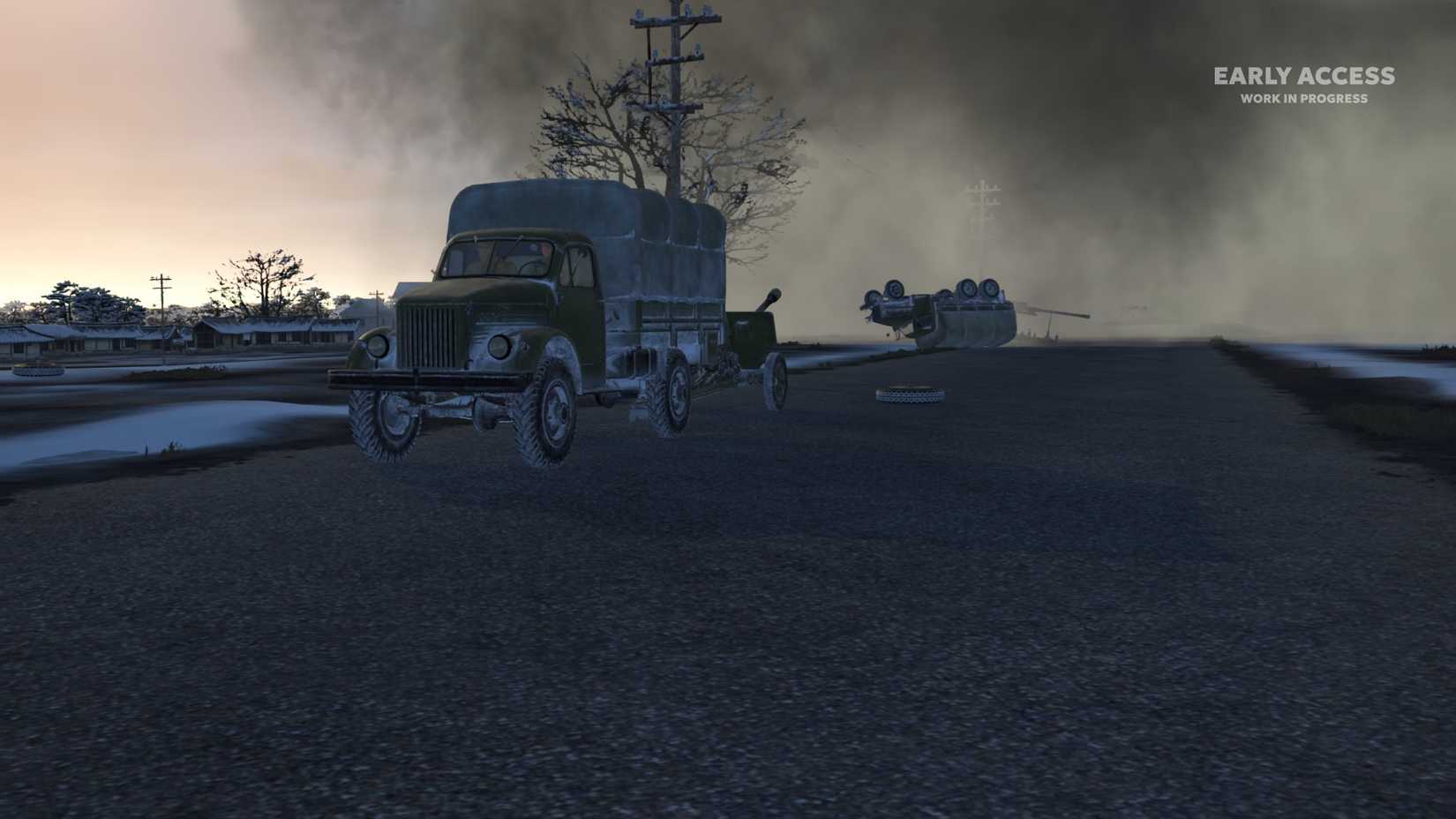
The air-to-ground capabilities in IL-2 Korea are, without a doubt, its strongest suit. This is largely due to the meticulous attention 1CGS has paid to the ground units and the environments they inhabit. In many flight simulators, ground targets often feel like static, artificial constructs merely awaiting destruction. IL-2 Korea, however, imbues these targets with a sense of realism and purpose, making strafing runs feel like genuine engagements with active military formations.
The heavy anti-aircraft artillery delivers a satisfyingly potent "thump," creating a palpable sense of danger as rounds streak past. Automatic weapons provide a challenging, yet fair, threat, tracking the player’s aircraft without resorting to the frustratingly perfect aimbotting often found in the genre. Ground vehicle AI is impressively reactive; drivers actively attempt to evade incoming fire, and it’s even possible to suppress anti-aircraft emplacements by targeting them directly, even without a direct hit.
The ground vehicles themselves exhibit a modular damage model that mirrors real-world combat expectations. A tank doesn’t necessarily need to be completely destroyed to be neutralized; disabling its key components can effectively halt its advance, adding a layer of strategic depth to ground attack missions. As someone who often gravitates towards ground-pounding roles in other games, this level of detail is particularly refreshing.
However, for players who prefer to fly for the Red side, the aircraft selection presents a slight imbalance, reflecting the historical realities of the conflict. North Korean aircraft are predominantly designed for air-to-air combat, with the exception of the aging Il-10. While the MiG-15bis and Yak-9P can carry a limited payload of bombs, their ground-attack capabilities pale in comparison to their American counterparts. Conversely, the La-11 and Yak-9P excel at low-altitude performance, posing a significant threat to any UN strike aircraft that lingers too long in their operational theater.
All Tangled Up: The Purity of Aerial Combat
By the time of the Vietnam War, missiles had largely supplanted guns as the primary means of aerial engagement. The Korean War, however, represents a critical juncture where air combat was still largely a domain of pure skill and maneuverability. In IL-2 Korea, regardless of the sophistication of your Sabre or MiG, victory hinges on your ability to skillfully pilot and accurately engage targets – a purely manual endeavor.
Experimenting with various aircraft matchups in IL-2 Korea has evoked a profound sense of nostalgia, reminiscent of childhood afternoons spent playing Microsoft Combat Flight Simulator. That pure, unadulterated joy of simply appreciating the dynamic interplay between two distinct aircraft, coupled with an intuitive interface and realistic yet accessible controls, was a unique experience then, and it remains so today.
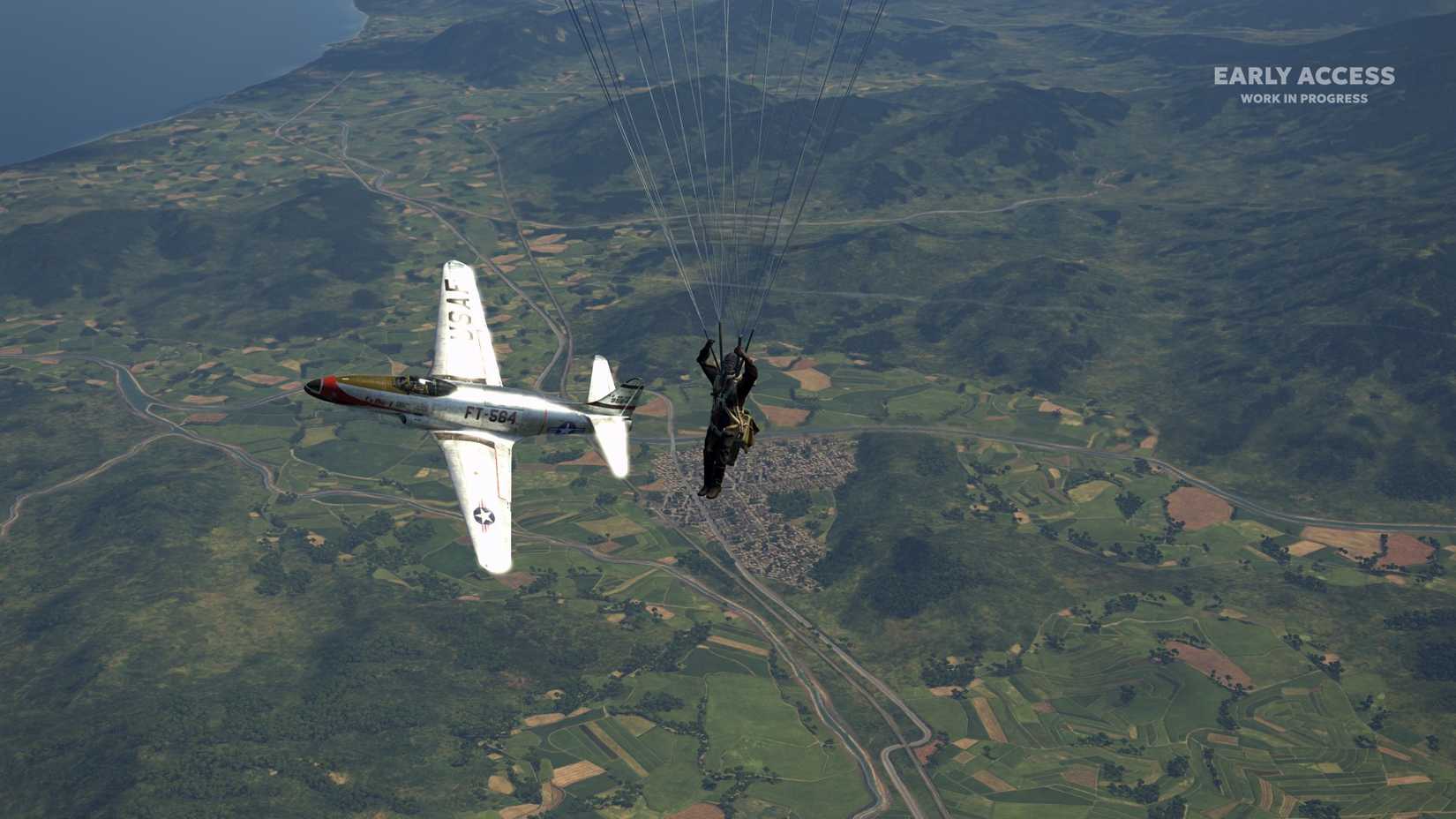
While IL-2 Korea doesn’t demand players to interact with every single switch and dial in the cockpit, it offers a comprehensive array of keybindings to manage aircraft systems. Crucially, a newly implemented management HUD allows for minute adjustments and system management without the need to memorize an overwhelming number of key combinations, further enhancing player accessibility.
As an early access title, IL-2 Korea is currently without its career mode. Producer Daniel Tuseev indicated during our preview session that this feature is slated for release in the latter half of July, a timing that perhaps coincidentally aligns with the Korean War Armistice signed on July 27. Currently, a select number of servers are operational, and it is anticipated that more complex multiplayer missions, including persistent campaigns, will be implemented in the near future.
The relative scarcity of content compared to the established IL-2 Great Battles series is the most significant limitation encountered during this early access period. However, given the developers’ track record and the promised roadmap, this is a temporary issue. Even in its current state, IL-2 Korea stands as a remarkable flight simulator. With the anticipated addition of further content and expansions, it has the potential to ascend as the definitive flight simulator of its generation, offering a deeply engaging and historically rich experience for aviation enthusiasts and history buffs alike.