

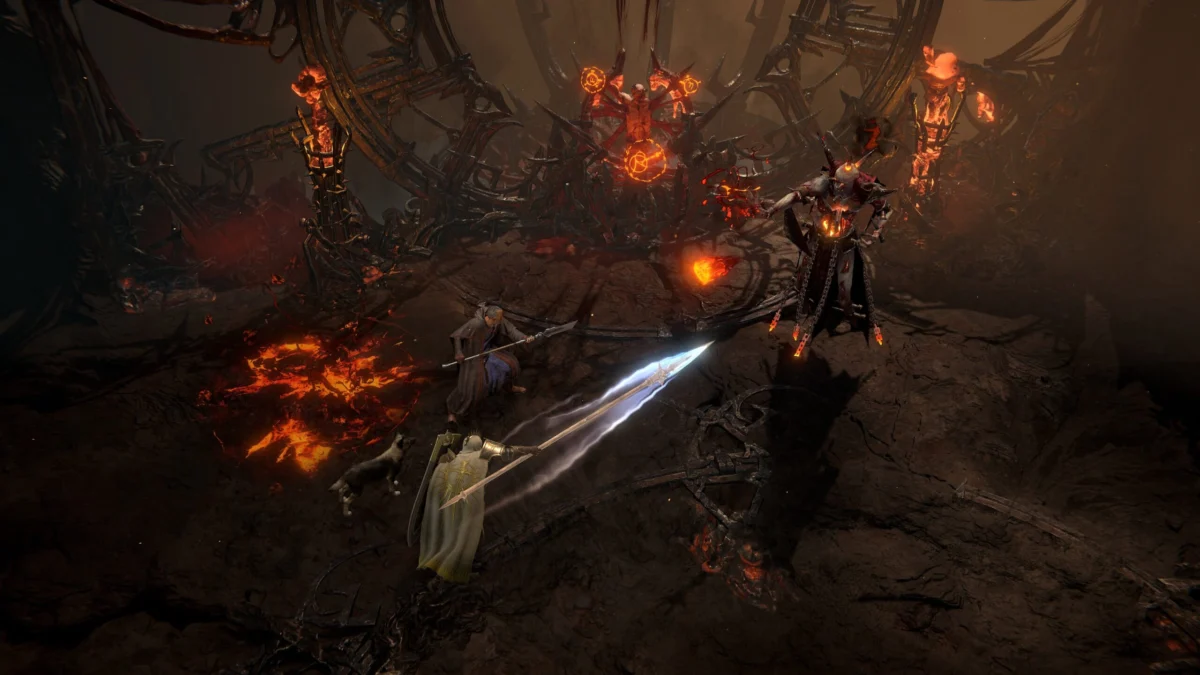
Sanctuary stands on the precipice of its most significant post-launch evolution, as Blizzard Entertainment prepares to unleash the highly anticipated Lord of Hatred expansion for Diablo 4. However, the accompanying seasonal content, officially dubbed "Season of Reckoning," is set to introduce a bifurcated experience for players, with its depth and excitement largely contingent upon ownership of the forthcoming paid expansion.
While Diablo 4‘s thirteenth season will launch concurrently with Lord of Hatred next week and be accessible to all players, Blizzard has explicitly clarified that its scope will be notably "less meaty" for those who opt out of purchasing the expansion. This strategic decision marks a significant departure from the established seasonal cadence, raising questions about player engagement, long-term content strategy, and the evolving ecosystem of Diablo 4.
The Core Revelation: A Less Substantial Season for Some
At its heart, the recent announcement from Blizzard reveals a critical distinction in the upcoming content pipeline. For the vast majority of Diablo 4 players, each new season has traditionally brought a comprehensive package: a unique seasonal theme, novel gameplay mechanics, a dedicated questline, new legendary items or aspects, and a fresh seasonal journey with a clear progression path. These elements collectively form the "classic format" that players have come to expect and enjoy, providing compelling reasons to create new characters and delve back into the corrupted lands of Sanctuary.
However, Season of Reckoning, launching alongside the Lord of Hatred expansion, will break this mold for a segment of the player base. Players who do not purchase the expansion will still have access to the seasonal framework, including the familiar Season Rank chase, the acquisition of Smoldering Ashes, and various rewards tied to completing each chapter of the seasonal journey. Season Blessings, which offer valuable experience and gold buffs, will also make a return. The developer further noted the inclusion of "more goals and objectives" for the season. Yet, conspicuously absent for non-expansion owners will be the substantive new gameplay mechanics and overarching themes that typically define a Diablo 4 season and provide a fresh, engaging twist on the core experience.
This approach suggests a deliberate design choice: to offer a foundational seasonal structure to all, while reserving the bulk of new, game-altering content and narrative progression for those who invest in the Lord of Hatred expansion. It’s a move that aims to keep the free-to-play seasonal loop ticking over, albeit with reduced intrinsic excitement, while simultaneously incentivizing the purchase of the premium content.
Chronology of Descent: Preparing for the Expansion and Season
The road to Season of Reckoning and the Lord of Hatred expansion begins now with crucial technical preparations. Blizzard has confirmed that the pre-load for the Lord of Hatred expansion is currently available across all platforms. This pre-load, while primarily intended for expansion purchasers, is significant for all Diablo 4 players. It includes the entirety of the expansion content as part of the overarching patch 3.0.0, meaning even those not acquiring Lord of Hatred will download a substantial update. This unified client approach is common in live-service games, ensuring seamless interaction between different player segments and avoiding fragmented game versions.
The official launch dates for the expansion and Season of Reckoning are set for April 27th or 28th, depending on regional time zones. On launch day itself, players will need to download a smaller, supplementary patch, version 3.0.1. This minor update will likely contain final bug fixes, last-minute adjustments, and the necessary activation codes to unlock the Lord of Hatred content for those who have purchased it. The availability of the pre-load is a practical measure, designed to minimize server strain and ensure a smoother, faster transition for players eager to dive into the new content immediately upon release.
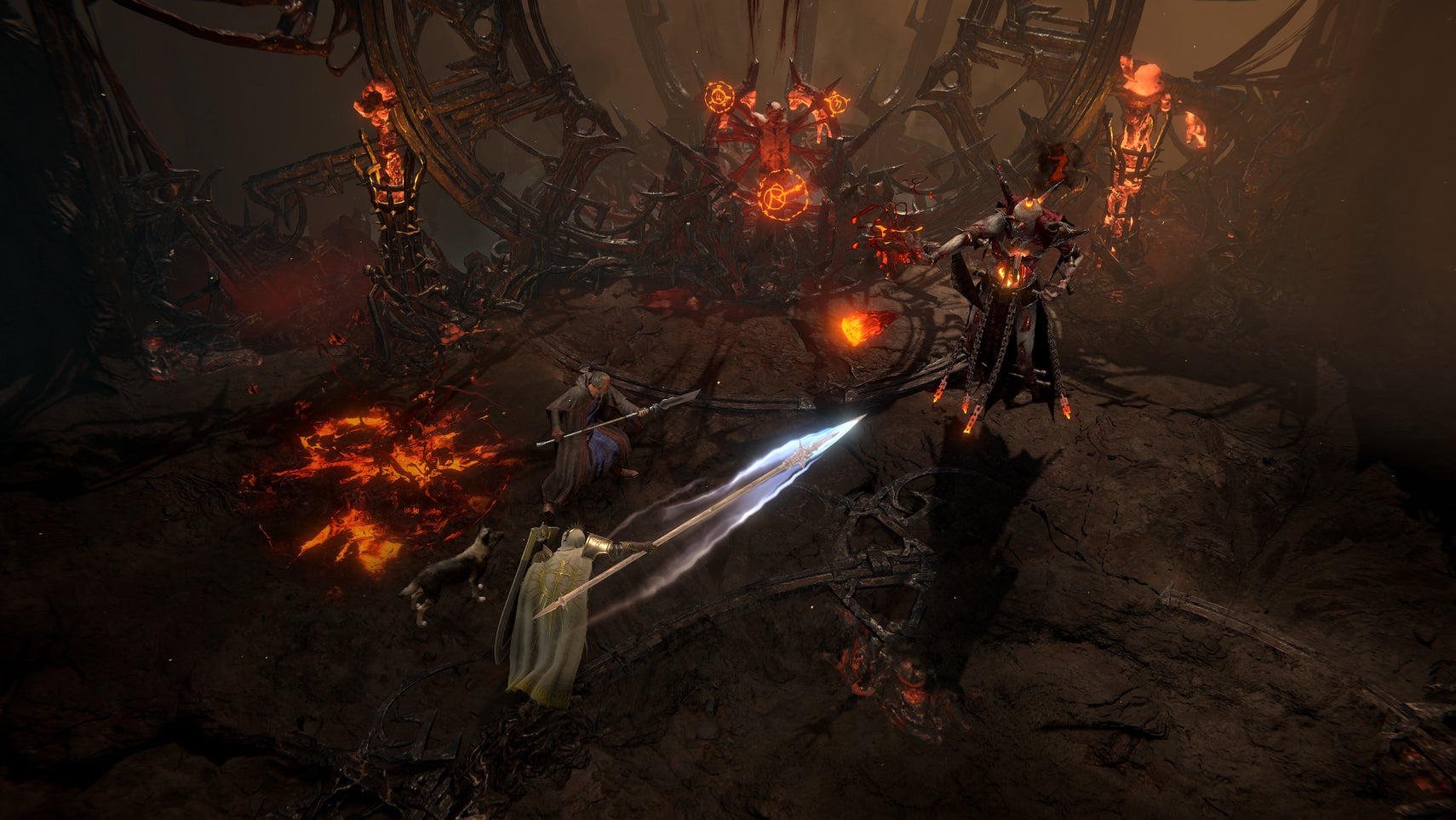
Supporting Data: Understanding the Dual Release Strategy
To fully grasp the implications of Season of Reckoning’s structure, it’s essential to contextualize it within Diablo 4‘s post-launch history and the broader landscape of the ARPG genre. Since its launch, Diablo 4 has seen a steady stream of seasonal content, each introducing a distinct flavor:
- Season of the Malignant (Season 1): Introduced Malignant Hearts, socketable items offering powerful new abilities.
- Season of Blood (Season 2): Focused on Vampiric Powers, offering unique blood-themed abilities and a new questline.
- Season of the Construct (Season 3): Introduced the Seneschal Companion, a customizable construct pet with unique abilities, alongside a new dungeon type (Vaults).
Each of these seasons brought significant, game-altering mechanics that fundamentally changed how players approached character building and combat. They were designed to provide fresh incentives for engagement beyond the base game’s endgame loop. The promise of "future seasons will follow the classic format" after Season of Reckoning serves as an important reassurance, indicating that this "less meaty" approach is a temporary measure, directly tied to the expansion’s launch.
The Lord of Hatred expansion itself is a monumental addition to Diablo 4. It promises a continuation of the main storyline, venturing into the jungle region of Nahantu and introducing a brand-new Spiritborn class. New zones, dungeons, enemies, legendary items, and potentially new endgame systems are all expected to be part of this premium package. The expansion represents a substantial investment in the game’s future, designed to expand the narrative and gameplay possibilities significantly.
Blizzard’s decision to integrate the seasonal experience so closely with the expansion highlights a common strategy in the live-service gaming space. By offering a "lighter" free season, they can ensure all players receive some form of updated content, while simultaneously drawing a clear line between the free seasonal offering and the substantial new features provided by the paid expansion. This approach aims to maximize engagement across the player base, albeit with different levels of content depth.
Official Responses and Developer Philosophy
While direct quotes detailing the "less meaty" nature of Season of Reckoning for non-expansion owners are not extensively provided in the original snippet, Blizzard’s communication framework indicates a clear rationale. The phrasing "expansion releases alter the seasonal flow in a few ways" and "the season itself won’t be as meaty, at least when it comes to the sort of gameplay mechanics and themes players have come to expect from each new season" are Blizzard’s own admissions. This transparency, while potentially disappointing for some, is crucial for managing player expectations.
The underlying philosophy appears to be a practical one: developing a full-scale expansion alongside a completely independent, feature-rich season is an enormous undertaking. By aligning the major content drop with the expansion, Blizzard can concentrate its development resources on delivering a high-quality premium experience, while still offering a functional, albeit streamlined, seasonal structure for all players. The assurance that "future seasons will follow the classic format" after Season of Reckoning is a critical piece of information. It suggests that this particular seasonal structure is an exception rather than a new rule, implemented specifically to accommodate the monumental task of launching Lord of Hatred.
The inclusion of a battle pass for Season of Reckoning, featuring four Reliquaries (one free, three paid), aligns with Diablo 4‘s established monetization model. This system allows players to earn cosmetic rewards and other progression boosts, further reinforcing the idea of a baseline seasonal experience available to everyone, regardless of expansion ownership. It ensures that even without the expansion’s new gameplay loops, there’s still a progression track and cosmetic incentives to pursue.

Implications: A Divided Sanctuary?
The implications of this dual-tiered seasonal approach are far-reaching, potentially reshaping the Diablo 4 community and its engagement patterns.
For Non-Expansion Owners:
Players who choose not to purchase Lord of Hatred will face a season that, while offering traditional progression elements like Season Rank and Smoldering Ashes, will lack the innovative gameplay mechanics and thematic depth that have become hallmarks of Diablo 4‘s seasonal updates. This could lead to a sense of content scarcity or being left behind, as the most significant new gameplay experiences will be locked behind the expansion. Their engagement might dwindle faster compared to previous seasons, as the novelty factor will be considerably reduced. The "more goals and objectives" promised might refer to general grinding tasks rather than unique seasonal activities, potentially leading to a more repetitive experience. The effectiveness of retaining these players will depend heavily on how compelling these "more goals" are, and whether the allure of Smoldering Ashes and Season Blessings remains strong enough without a fresh thematic hook.
For Expansion Owners:
Conversely, players who invest in Lord of Hatred will likely find Season of Reckoning to be seamlessly integrated with their new content. The expansion’s vast array of new features—a new class, regions, story, and endgame systems—will provide more than enough novelty and depth to carry their engagement through the season. For them, the seasonal mechanics, even if lighter, will serve as an additional layer of progression and reward on top of the already rich expansion content. The new character class, the Spiritborn, will naturally benefit from the seasonal progression path, and the expansion’s narrative will provide a strong drive for character development.
Community Reaction and Engagement:
The community’s reaction is likely to be mixed. Some players will understand Blizzard’s strategic decision, recognizing the immense effort involved in developing an expansion and appreciating that some free seasonal content is still being provided. Others, however, might express frustration, feeling that Diablo 4‘s free seasonal content is being diminished to push expansion sales. This dynamic could create a visible division within the player base, with expansion owners enjoying a robust content flow and non-expansion owners feeling underserved. Blizzard has a history of responding to player feedback, and the reception of Season of Reckoning will undoubtedly inform their future content strategies. The initial Diablo 4 launch and subsequent seasons have already demonstrated the community’s passionate, and sometimes critical, voice regarding content delivery and game balance.
Monetization Strategy and Live-Service Model:
This approach solidifies Blizzard’s monetization strategy for Diablo 4, balancing a free-to-play seasonal model with significant paid expansions. It’s a common tactic in the ARPG genre, where base games are often free or have a lower entry cost, relying on expansions and battle passes for long-term revenue. This strategy aims to ensure the financial viability of continued development for years to come, funding future seasons and expansions. However, the delicate balance lies in ensuring that the free content remains engaging enough to retain a broad player base, preventing a significant drop-off in non-expansion owners.
Long-Term Health of Diablo 4:
The success of this strategy will be critical for the long-term health of Diablo 4. If Lord of Hatred is a resounding success and significantly reinvigorates the game, the temporary "less meaty" season might be forgiven. If the expansion itself falls short, or if non-expansion players feel too alienated, it could impact overall player retention and the perception of Diablo 4‘s value proposition. The commitment to return to the "classic format" for future seasons is a crucial promise that Blizzard must uphold to rebuild trust and ensure a consistent, high-quality free seasonal experience for all players moving forward. The review of Lord of Hatred, published earlier in the week, offers initial insights into the expansion’s quality and its potential impact on core Diablo 4 gameplay and narrative, providing context for players weighing their purchase decisions.
In conclusion, Diablo 4‘s Season of Reckoning, launching alongside the Lord of Hatred expansion, represents a pivotal moment for the game. While offering a foundational seasonal experience for all, its true depth and excitement will largely be reserved for those who embrace the new expansion. This strategic move by Blizzard aims to funnel players into its premium content while maintaining a baseline level of engagement for the broader player base. The success of this approach will ultimately be measured by player reception and its impact on Diablo 4‘s evolving journey through Sanctuary.











